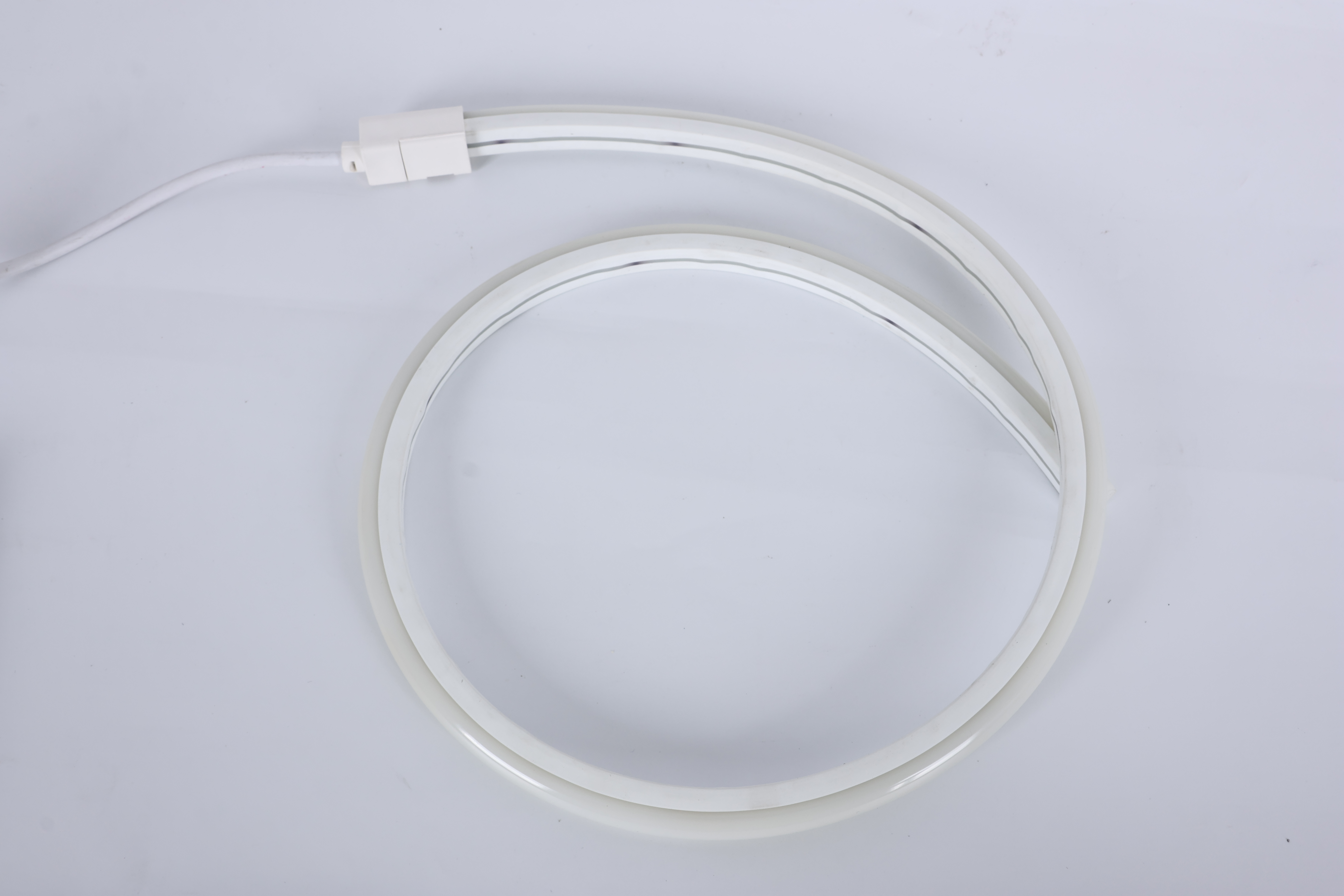
The question of whether LED neon flex can be used outdoors safely is increasingly common as more businesses and homeowners seek modern lighting solutions for exterior spaces. LED neon flex offers a sleek, contemporary aesthetic that traditional neon cannot match, combined with energy efficiency and durability advantages. However, outdoor environments present unique challenges including moisture exposure, temperature fluctuations, UV radiation, and physical stress that require careful consideration before installation.
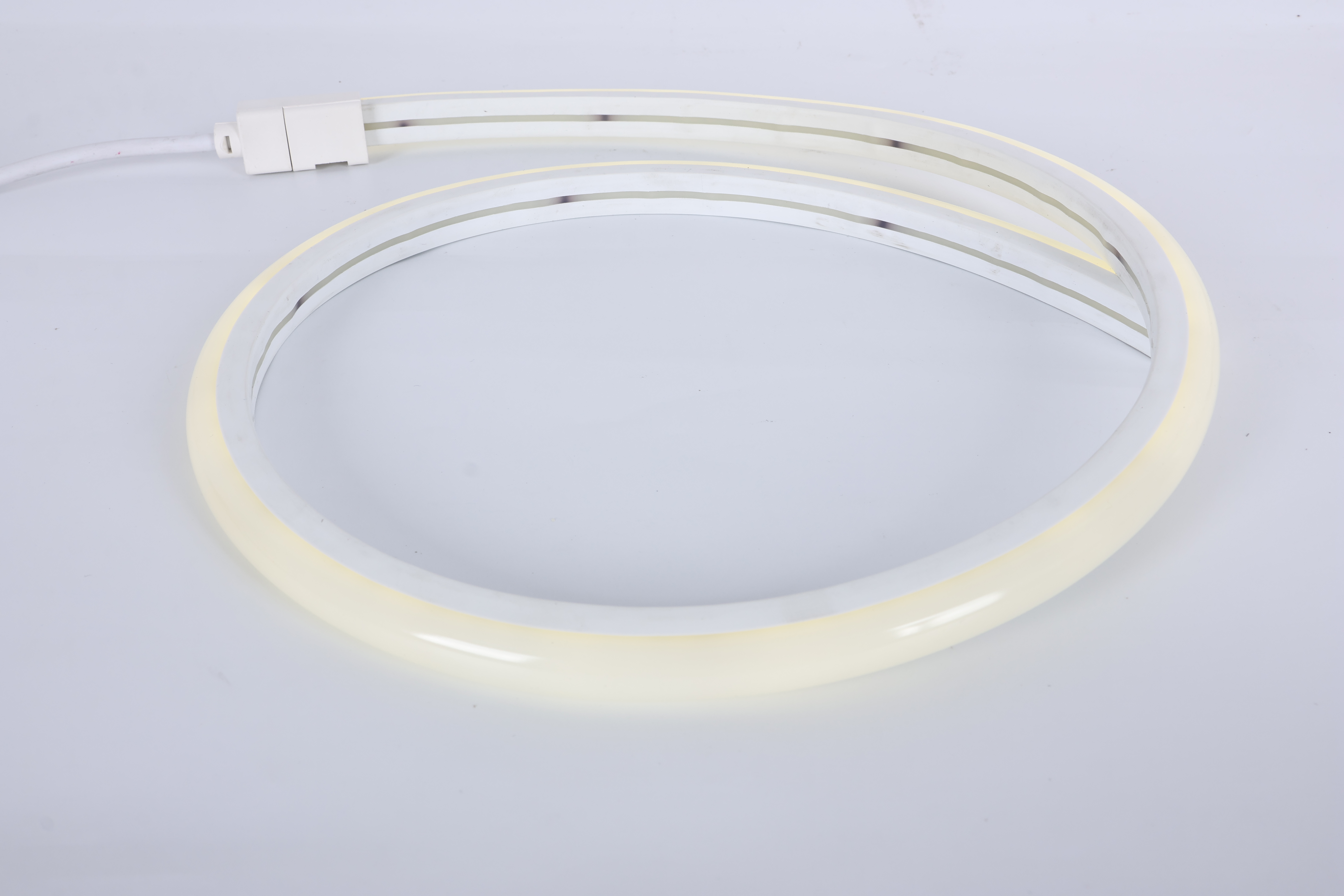
The short answer is yes, led neon flex can be used outdoors safely, but only when proper specifications and installation protocols are followed. The safety and longevity of outdoor flexible neon lights depend primarily on selecting products with appropriate weatherproof ratings, robust power supply systems, and correct mounting techniques. Understanding these factors ensures that your neon flex tubing investment delivers both visual impact and reliable performance in outdoor settings.
Understanding IP Ratings and Weatherproofing Standards
What IP Ratings Mean for Outdoor Protection
IP ratings indicate the degree of protection a lighting fixture provides against dust and water ingress. The rating system uses two digits: the first number refers to solid particle protection, while the second number relates to water resistance. For outdoor applications, flexible neon lights must have a minimum IP65 rating, which ensures protection against water jets from any direction and complete dust protection. IP68 rated neon light strips offer the highest level of weatherproofing, allowing submersion in water up to specific depths, making them ideal for challenging outdoor environments like rooftops, landscaping features, and commercial storefronts.
Selecting Weather-Resistant Neon Flex Tubing
Not all neon flex tubing is created equal when it comes to outdoor durability. Premium outdoor-grade neon flex products feature silicone-based jackets that resist UV degradation, extreme temperatures, and moisture penetration better than standard PVC alternatives. When evaluating neon light strips for outdoor use, examine the product specifications for UV stabilizers, flame-resistant ratings, and material composition. Quality silicone construction ensures that flexible neon lights maintain their brightness and structural integrity through seasons of exposure to sun, rain, wind, and temperature swings that would compromise inferior products.
Installation Techniques for Outdoor Safety and Performance
Proper Mounting and Support Systems
Outdoor installation of led neon flex requires secure mounting that prevents sagging, water pooling, and stress on electrical connections. The tubing should be installed at slight angles or curves rather than perfectly horizontal spans, allowing water to drain naturally and preventing moisture accumulation. Support brackets should be spaced appropriately based on the span length and weight of the flexible neon lights, typically every 30 to 45 centimeters for optimal performance. Professional installation ensures that neon flex tubing is protected from mechanical damage, foot traffic, and extreme wind load stresses that could compromise the product's safety and functionality.
Electrical Safety and Power Supply Considerations
The power supply system is critical for safe outdoor operation of neon light strips. All electrical components, including transformers and connectors, must be housed in weatherproof enclosures rated for exterior environments. Outdoor installations require Ground Fault Circuit Interrupter (GFCI) protection to prevent electrical hazards from moisture exposure. Wiring should use outdoor-rated cable with appropriate gauge sizing, and all connections should be sealed with waterproof connectors. Regular inspection of the electrical system ensures that led neon flex installations maintain safety standards and prevent potential fire hazards or electrical failures that could occur from water ingress or corroded connections.
Environmental Factors and Long-Term Durability
UV Exposure and Material Degradation
Continuous exposure to sunlight can degrade neon flex tubing materials over time, particularly products without UV stabilizers. Quality flexible neon lights are formulated with UV-resistant compounds that prevent fading, brittleness, and structural breakdown caused by solar radiation. In regions with intense sun exposure or high altitude locations where UV intensity is elevated, selecting premium-grade neon light strips with enhanced UV protection becomes even more critical. Proper shade placement or protective coverings can extend the lifespan of outdoor led neon flex installations while maintaining their vibrant appearance and consistent light output.
Temperature Extremes and Material Flexibility
Outdoor environments experience temperature variations that can affect the performance and longevity of flexible neon lights. Extreme cold temperatures may cause silicone jackets to become brittle, while excessive heat can accelerate material degradation. Superior neon flex tubing maintains its flexibility across a wide temperature range, typically from minus 40 degrees Celsius to plus 60 degrees Celsius or beyond. This thermal resilience ensures that outdoor installations remain functional through seasonal changes without developing cracks, discoloration, or performance degradation. Selecting neon light strips with excellent temperature stability ratings guarantees reliable operation regardless of climate conditions in your installation location.
FAQ
How long do outdoor LED neon flex installations typically last?
High-quality outdoor led neon flex products with proper installation and maintenance can last 25,000 to 50,000 hours or more, which translates to five to ten years of continuous operation depending on usage patterns. Flexible neon lights manufactured with premium silicone materials and robust LED components significantly outlast cheaper alternatives. Regular cleaning, protective shade placement, and proper electrical maintenance extend the lifespan of neon light strips and preserve their visual quality over extended periods.
Can flexible neon lights be installed in coastal environments with salt spray?
Coastal installations present additional challenges due to salt spray corrosion, requiring extra precautions for neon flex tubing. Marine-grade materials and stainless steel or corrosion-resistant mounting hardware are essential in salt-air environments. Premium neon light strips with enhanced protective coatings and sealed connectors perform better in coastal applications. Professional installation with appropriate protective measures ensures that outdoor led neon flex systems withstand salt spray exposure while maintaining safety and performance standards.
What maintenance is required for outdoor neon flex installations?
Regular maintenance of outdoor flexible neon lights includes periodic cleaning to remove dust and debris, inspection of mounting hardware for corrosion or looseness, and verification that all electrical connectors remain dry and secure. Quarterly visual inspections identify potential issues with neon light strips before they develop into serious problems. Annual professional inspections are recommended for complex installations to ensure all components of the led neon flex system continue operating safely and efficiently throughout its lifespan.
 EN