FAQ
Q: Why choose 24V instead of the 12V COB strips in the range?
A: At the same wattage, a 24V strip draws roughly half the current of a 12V strip. Lower current means less voltage drop along the run, so brightness stays consistent over longer distances and a single power feed covers more length. For short cabinet sections either voltage works; for runs beyond 5 metres, 24V is the better engineering choice.
Q: Is 950 lm/m bright enough for kitchen worktop task lighting?
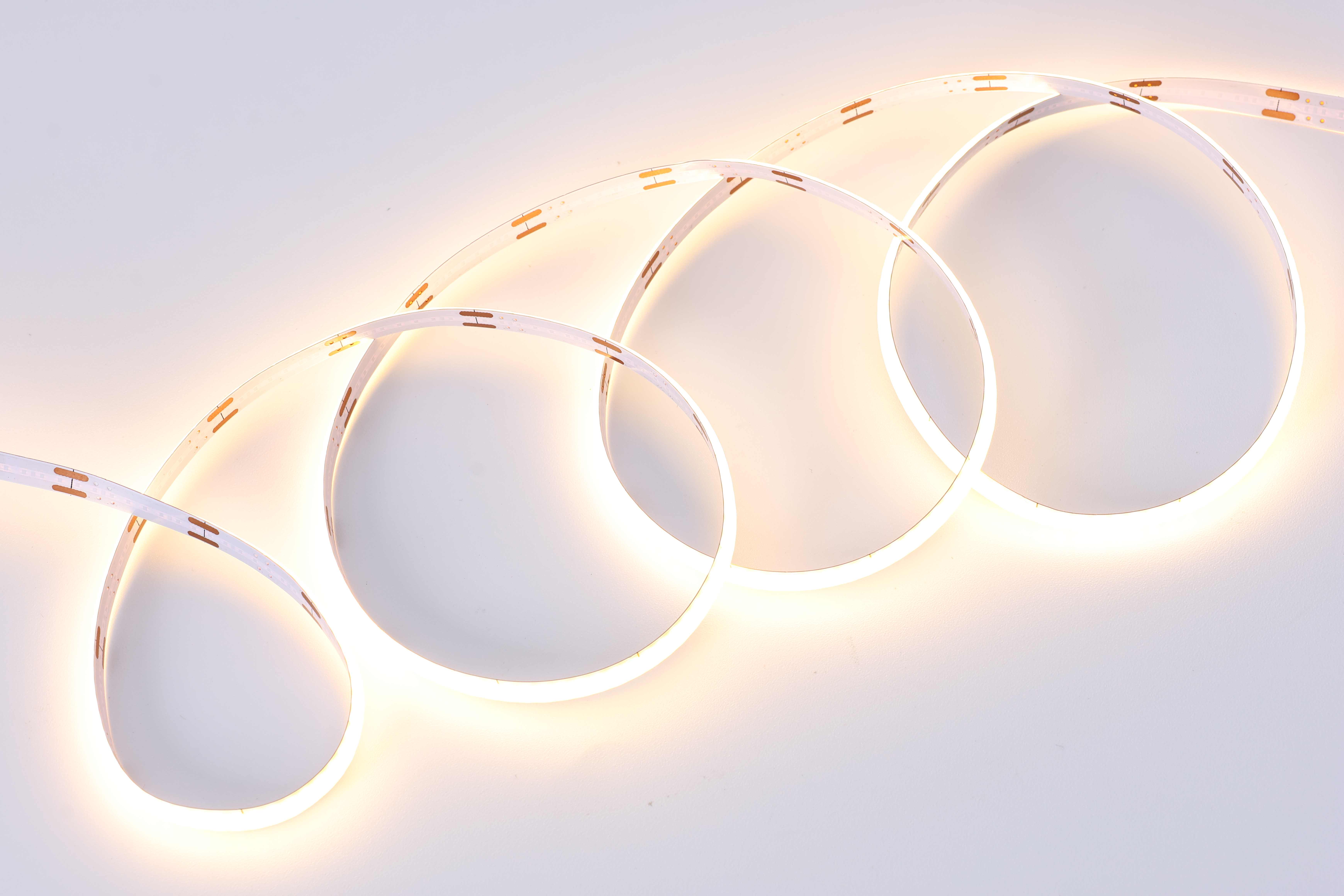
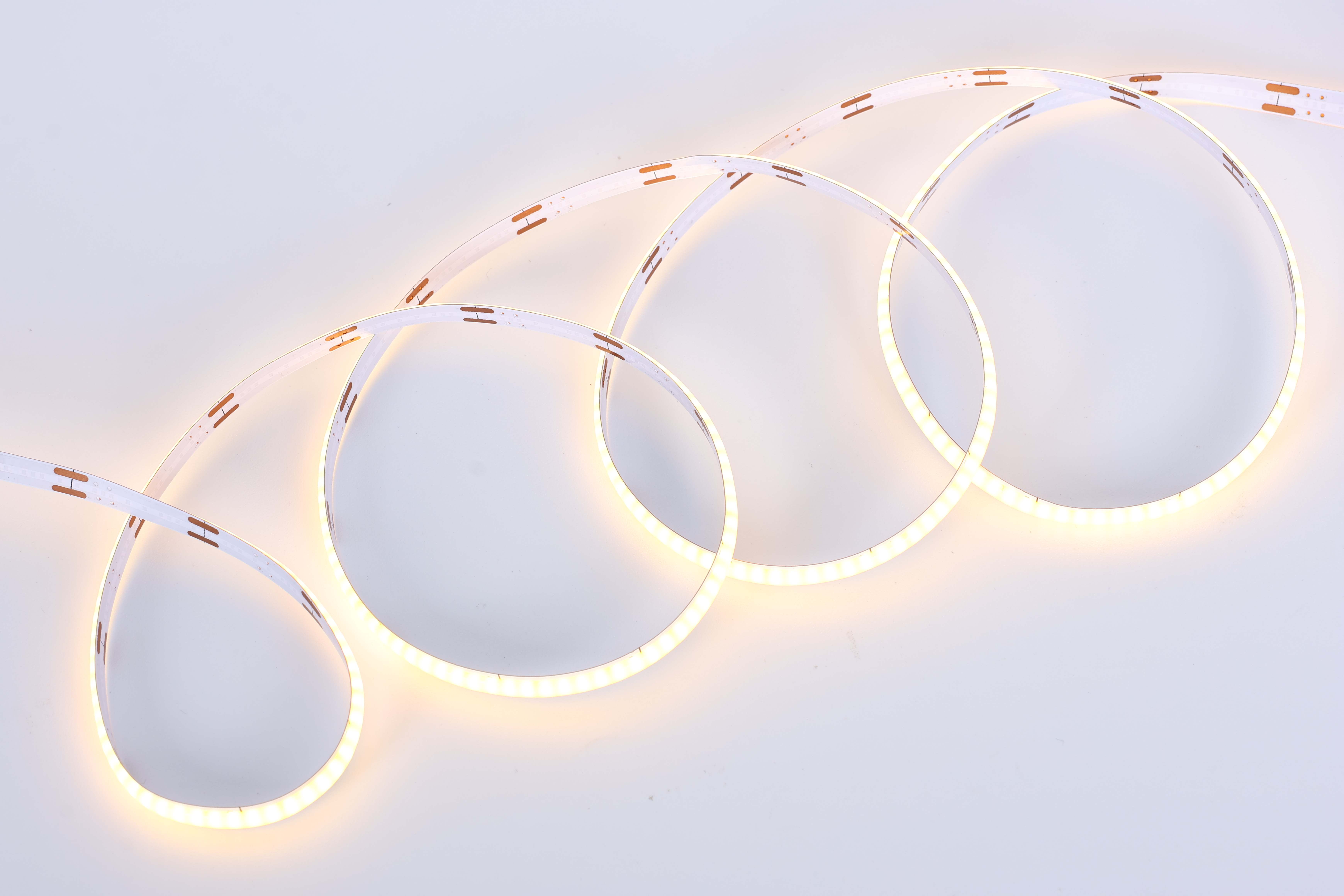
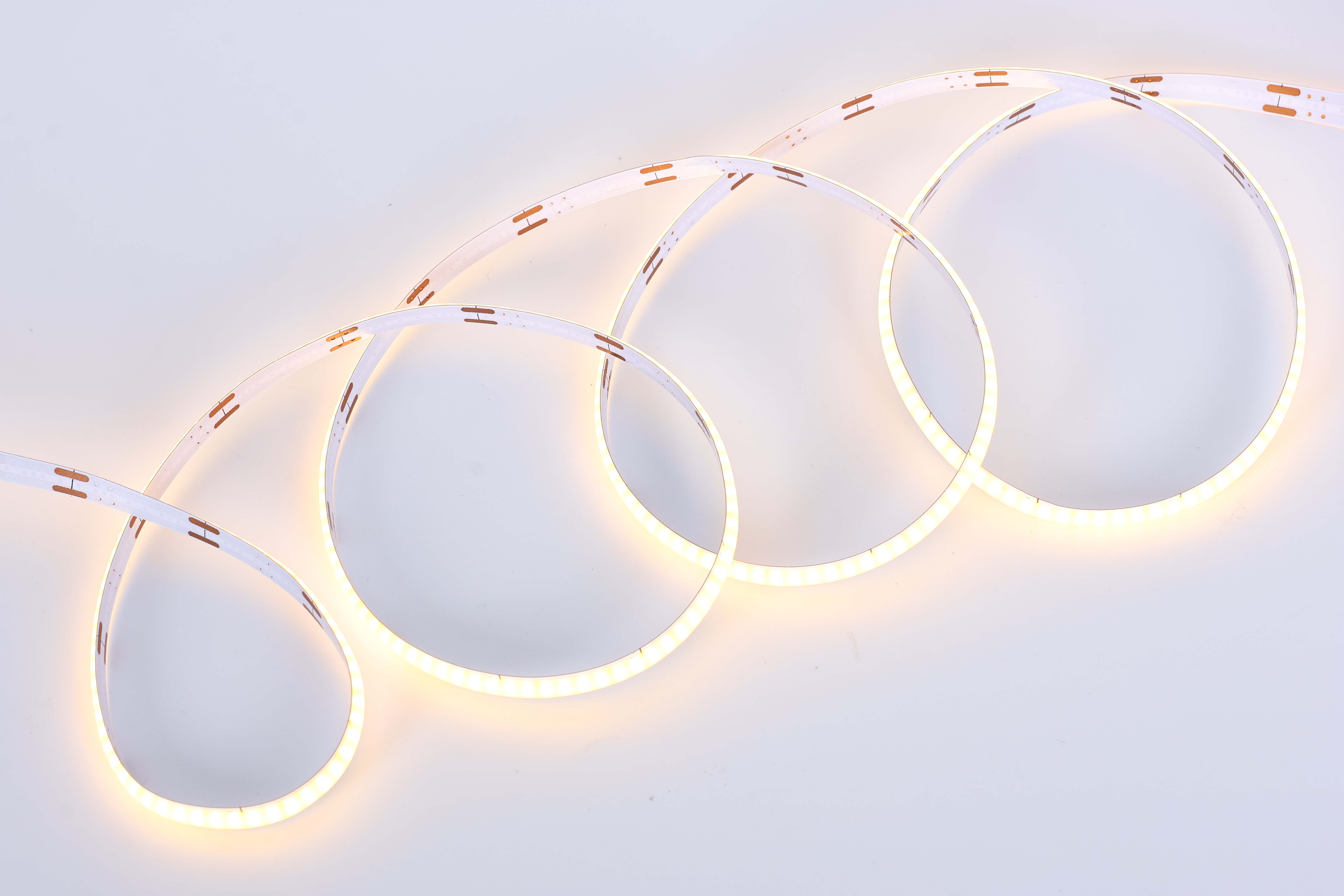
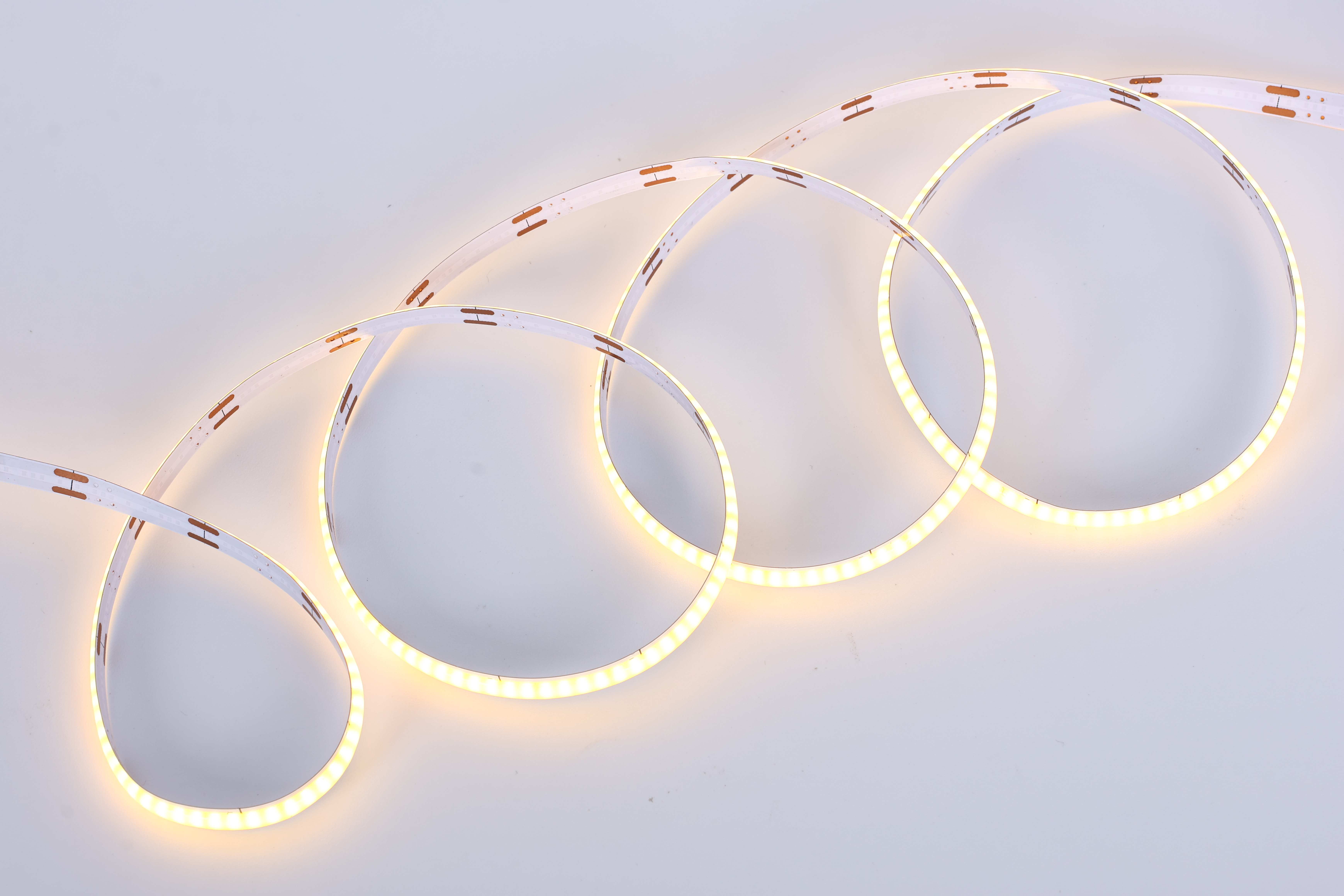
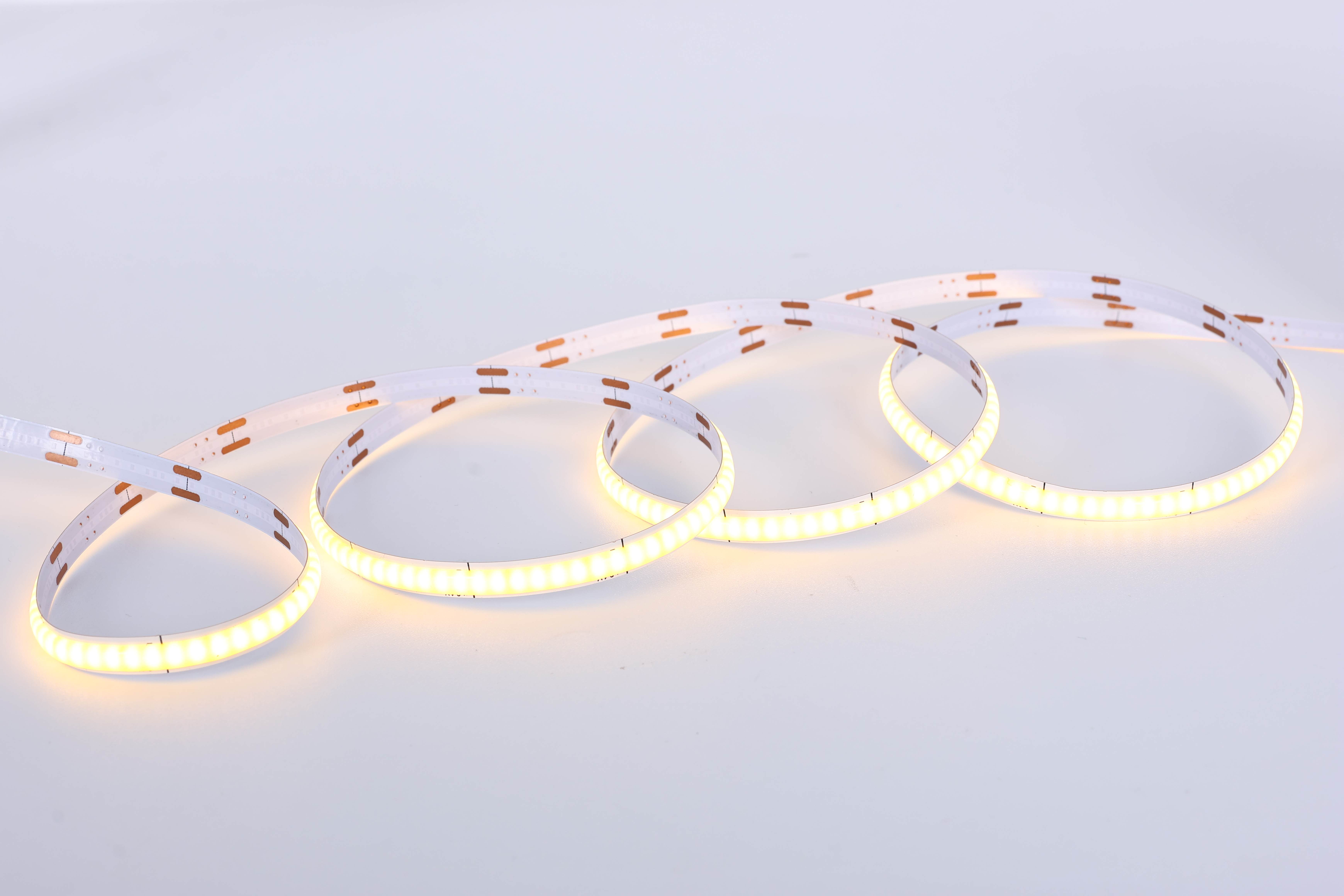
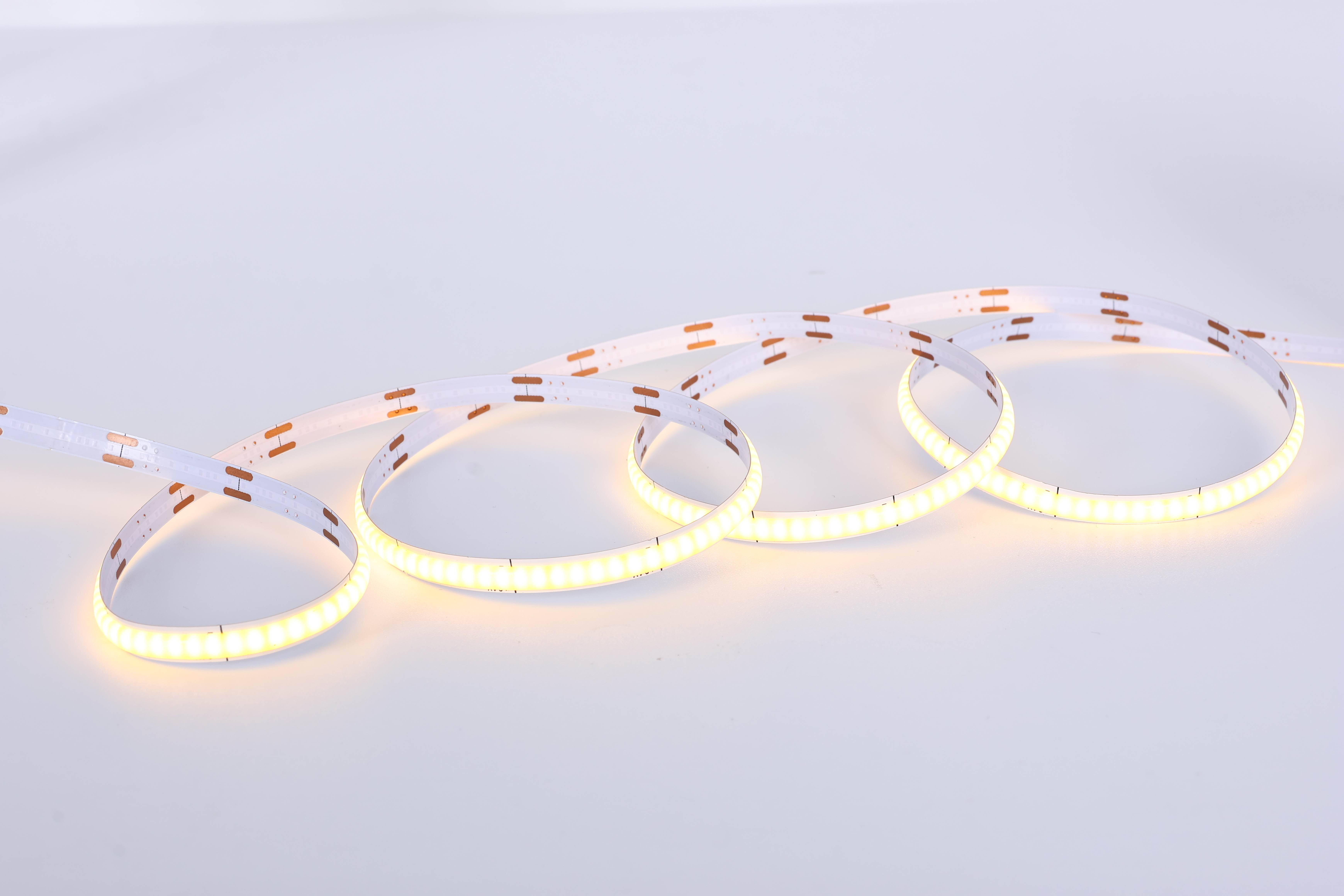
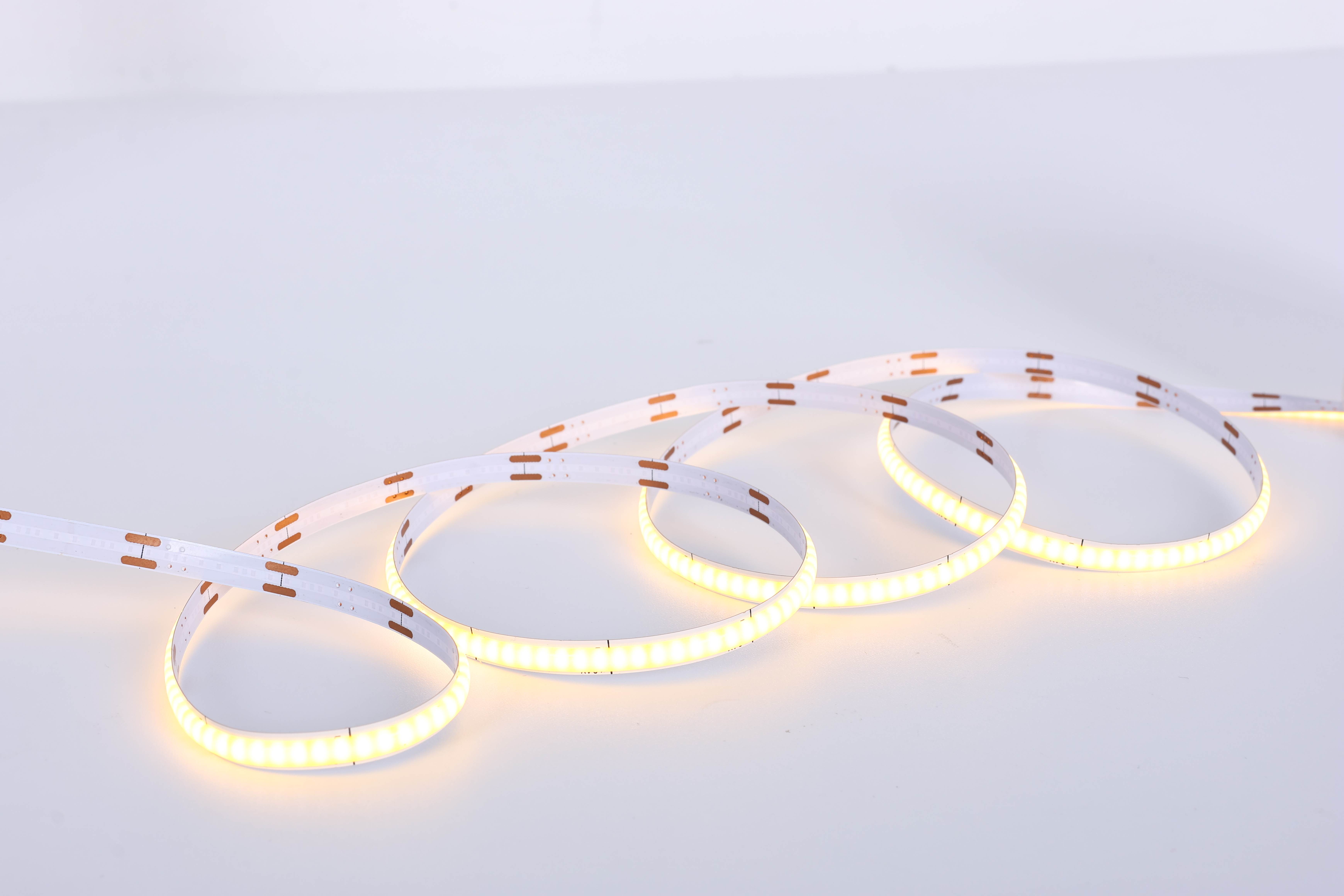
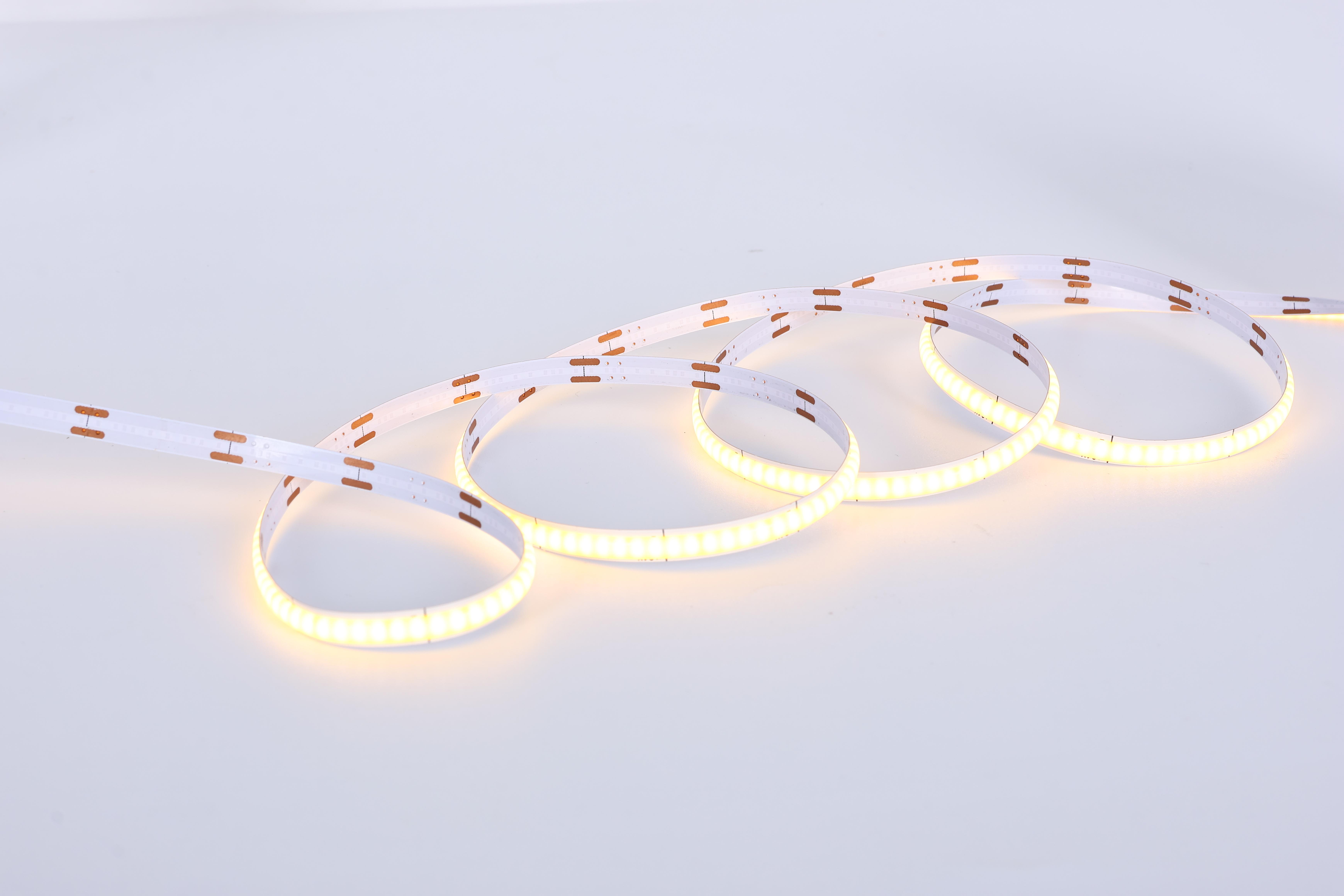
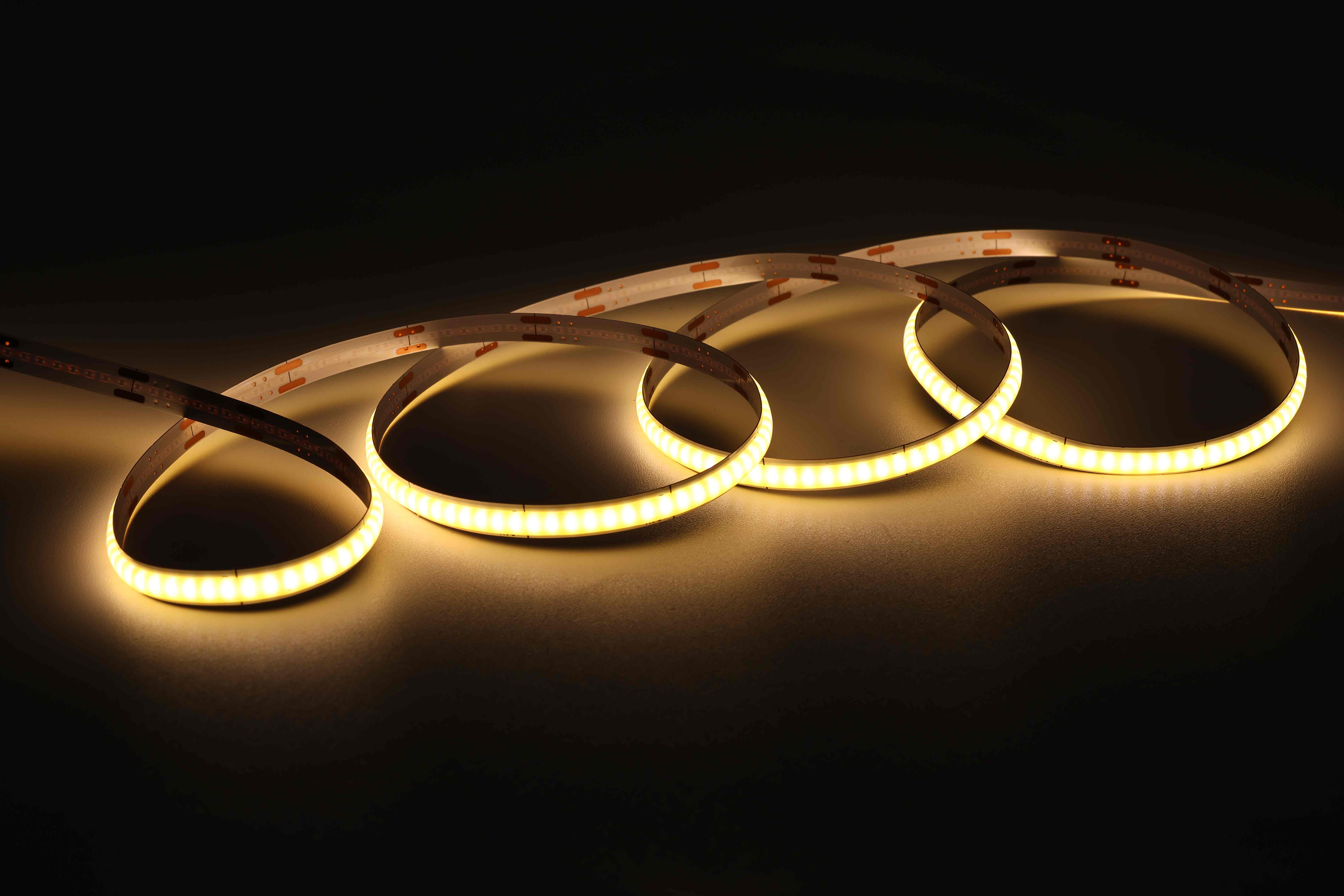
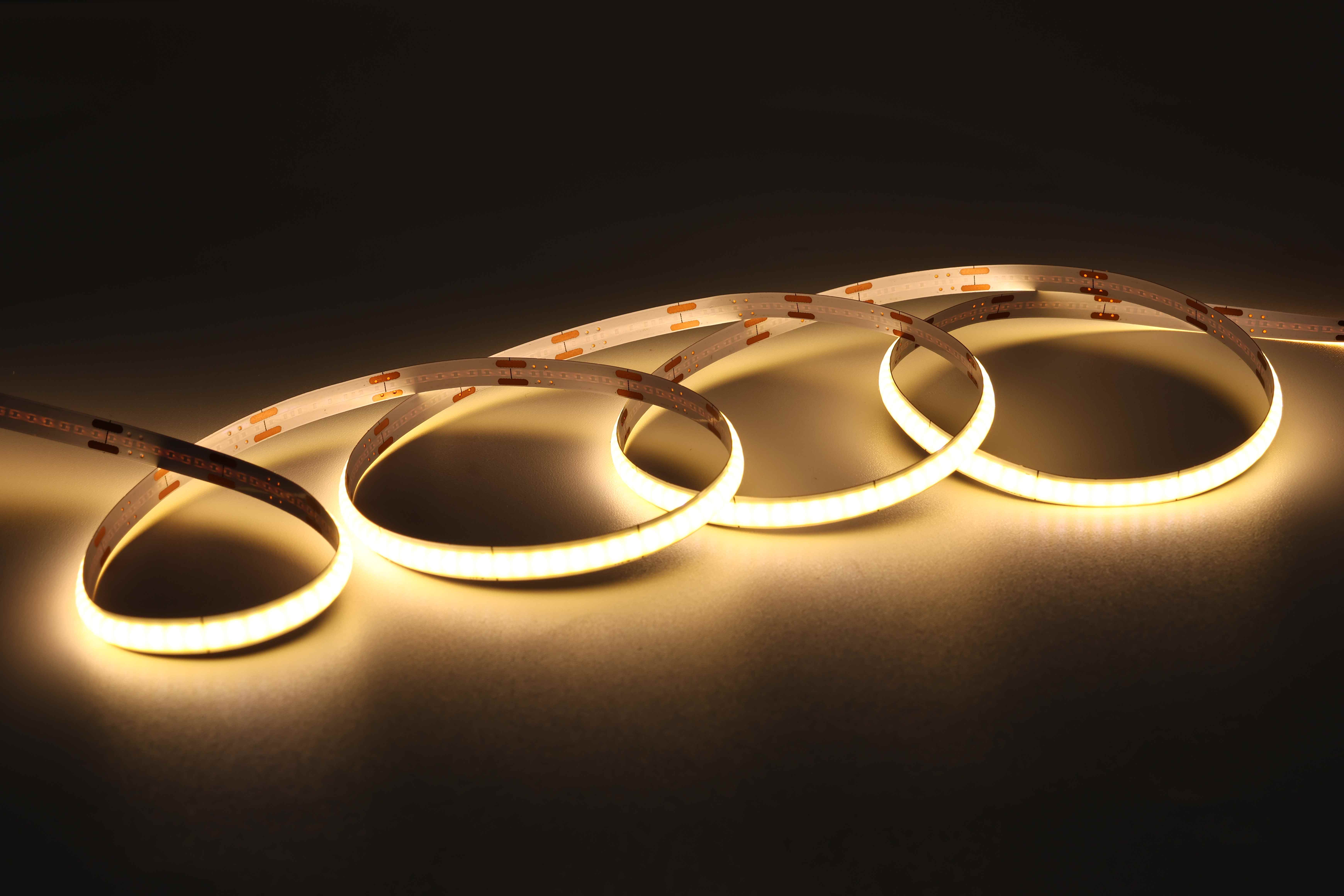
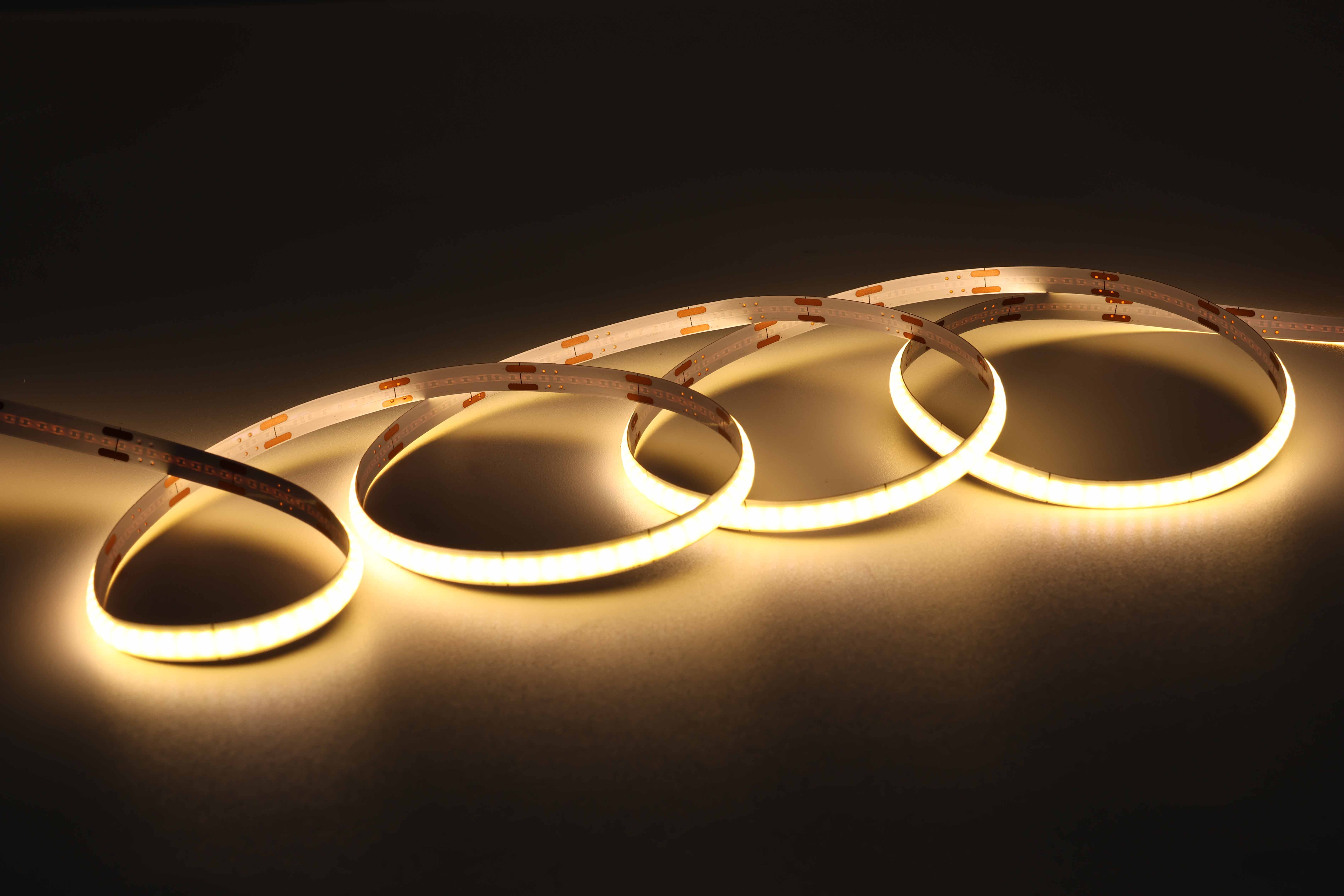
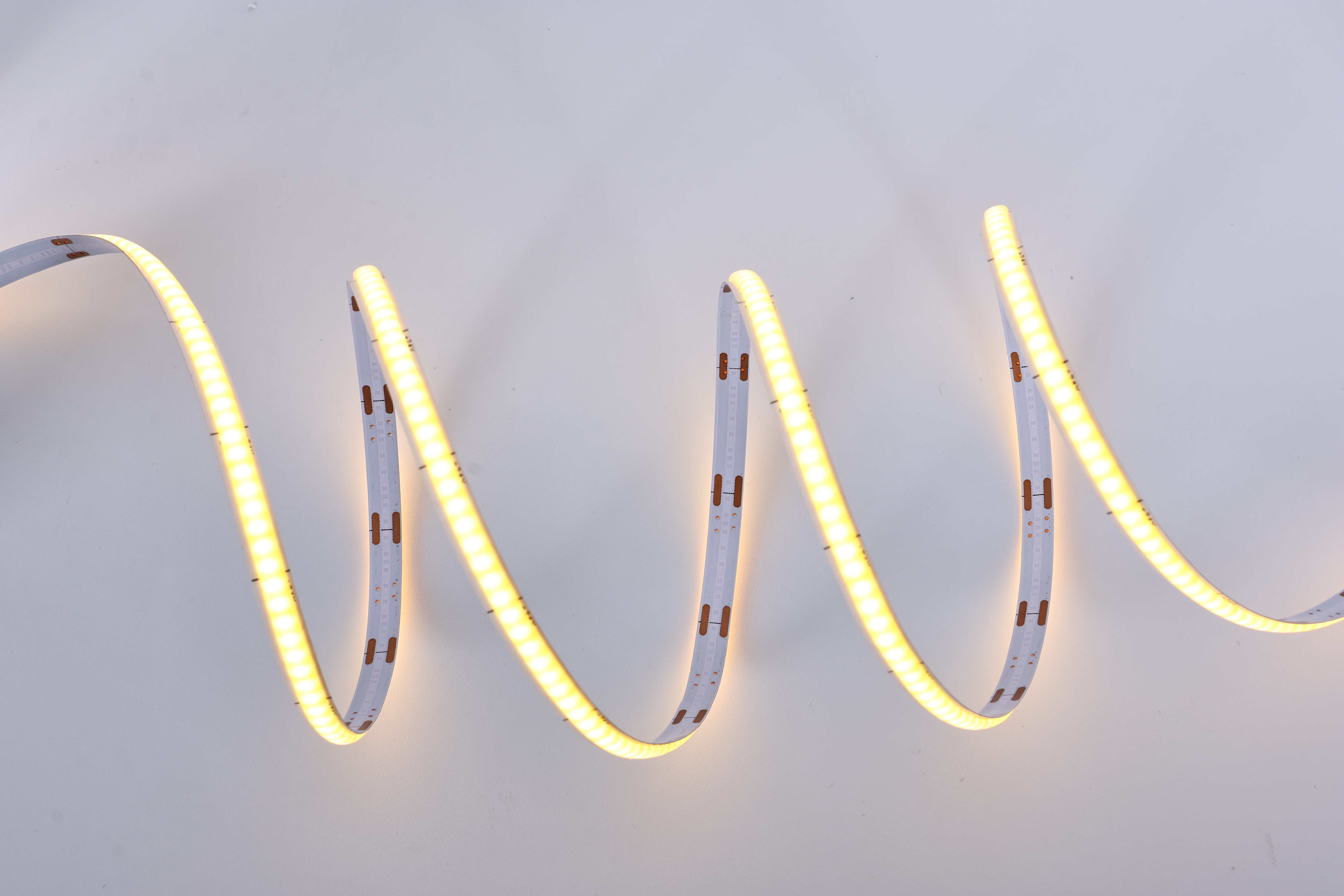
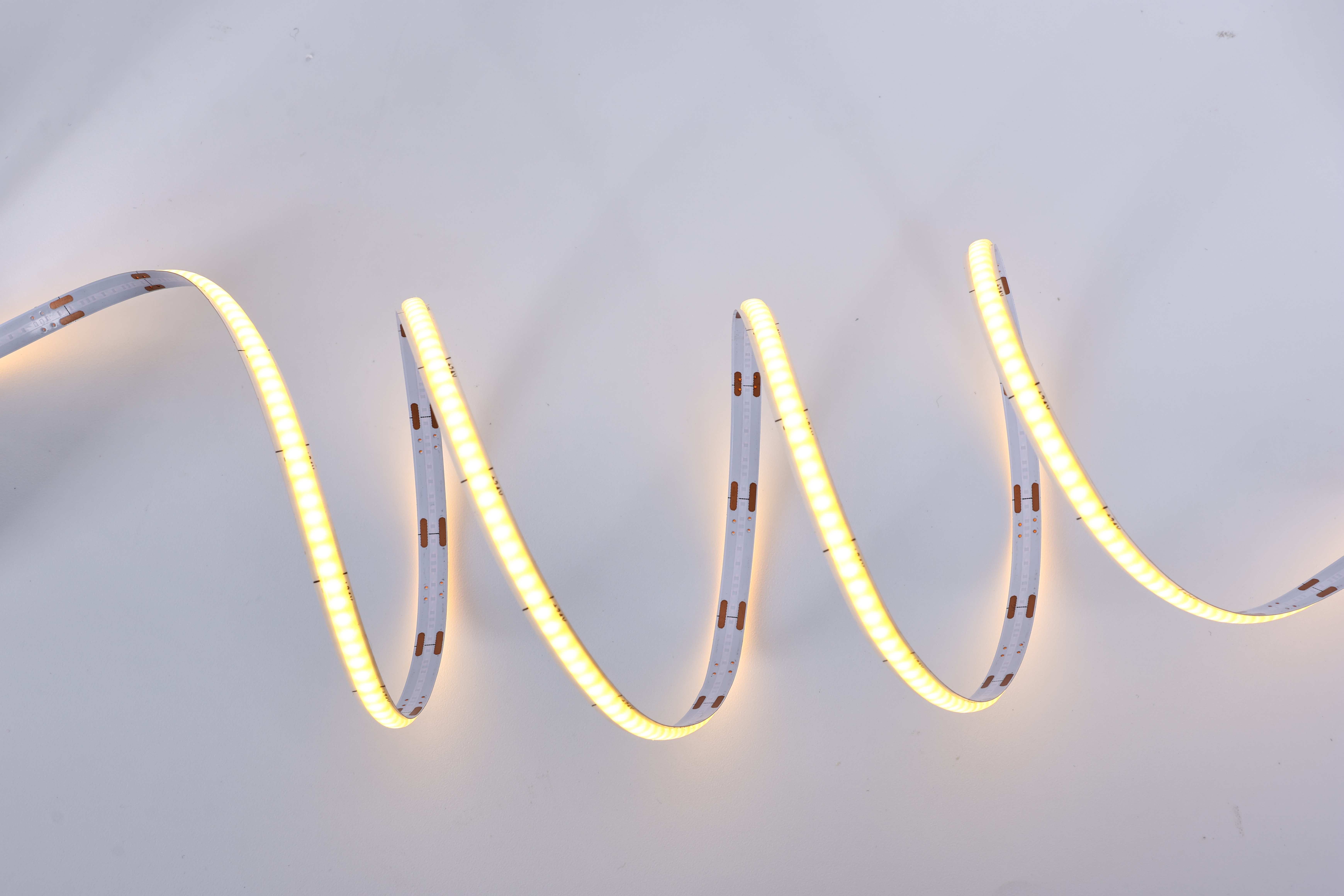
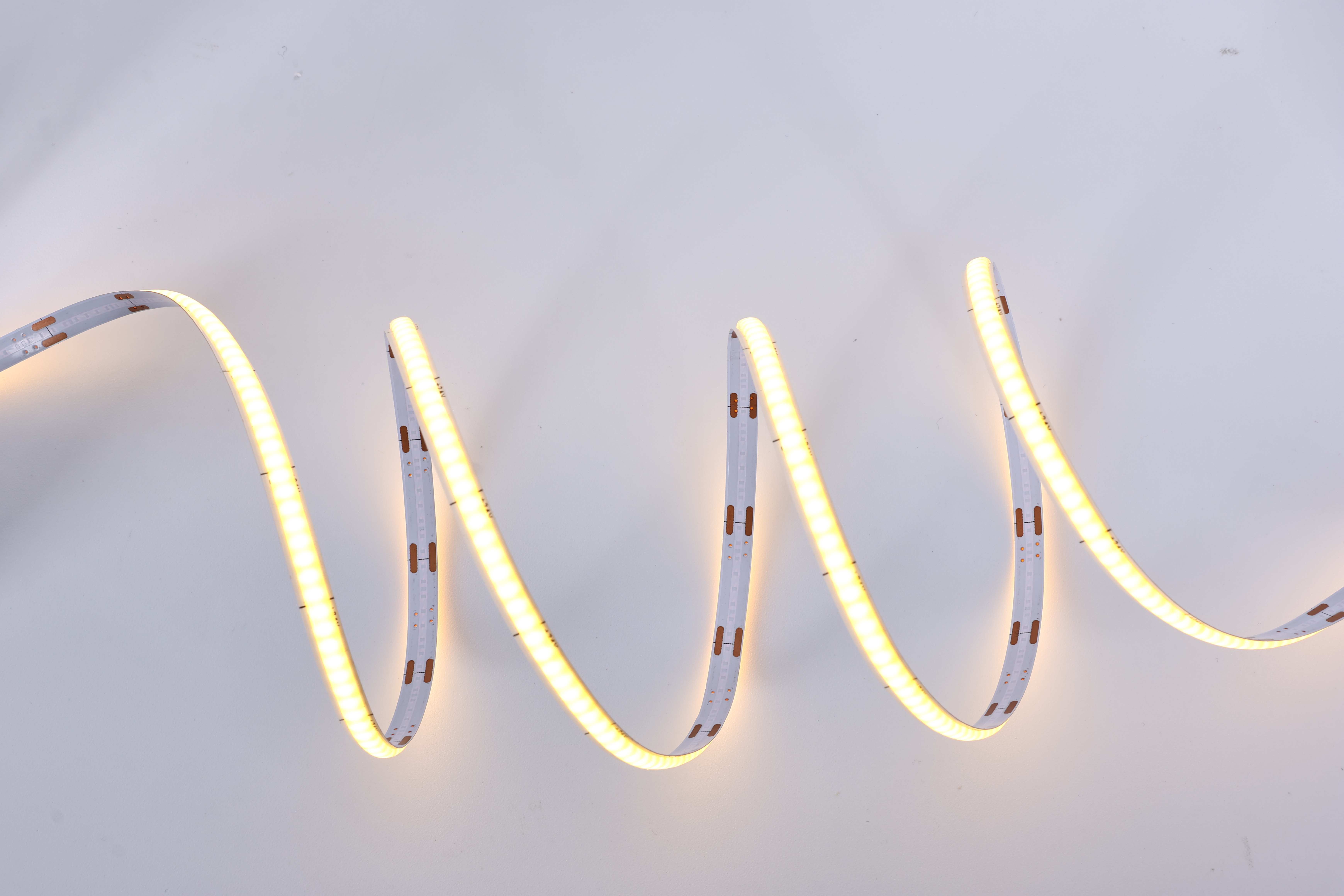
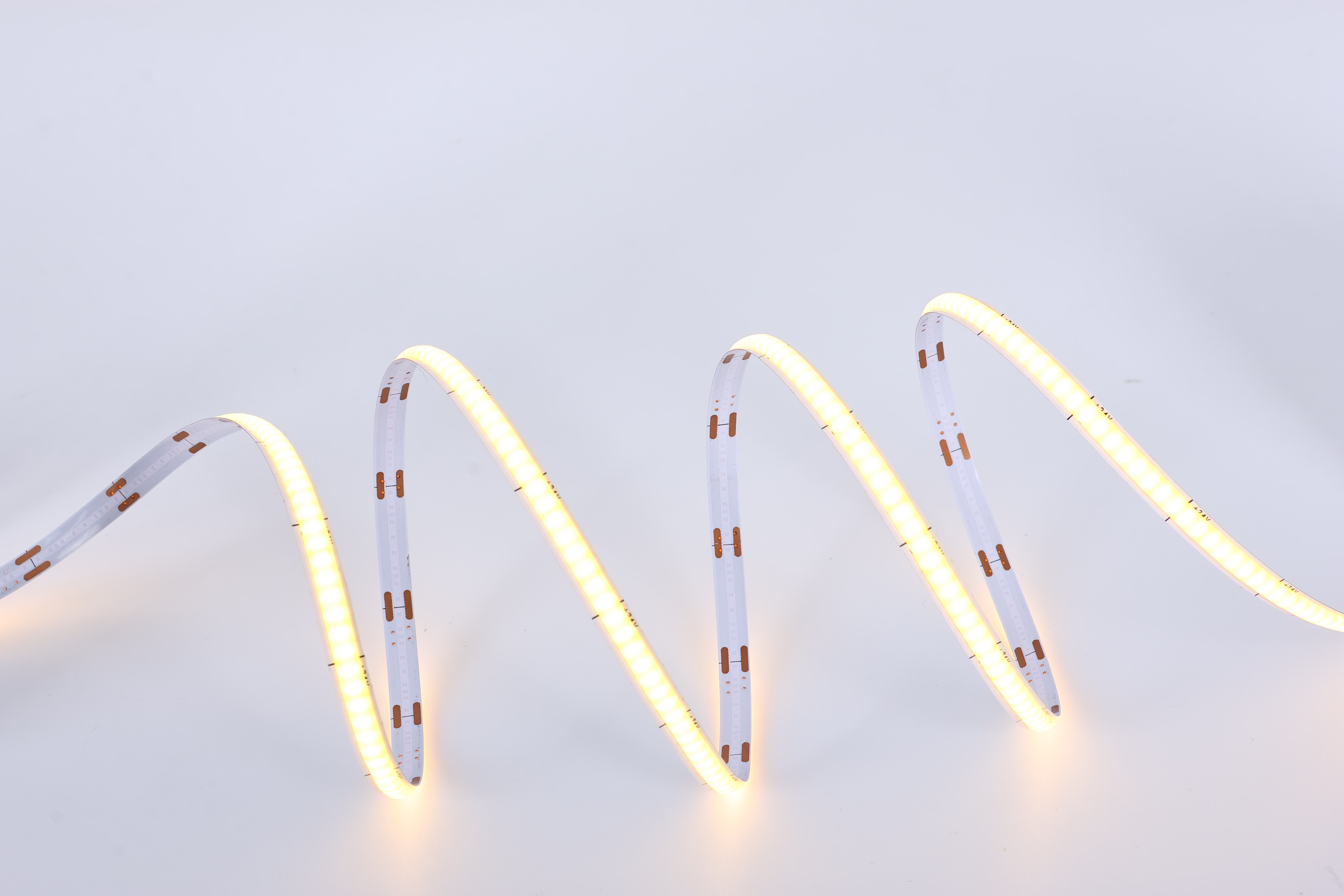
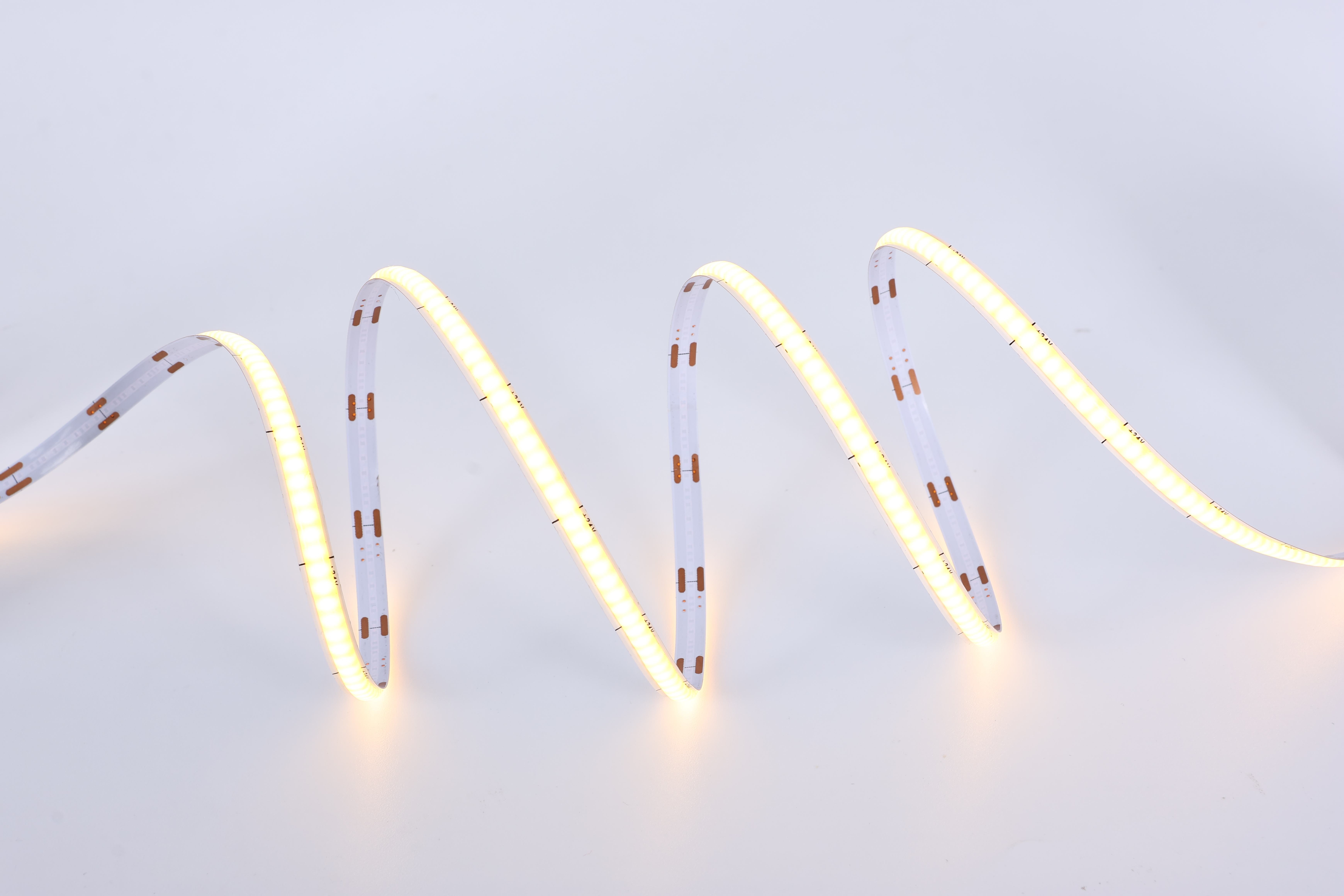
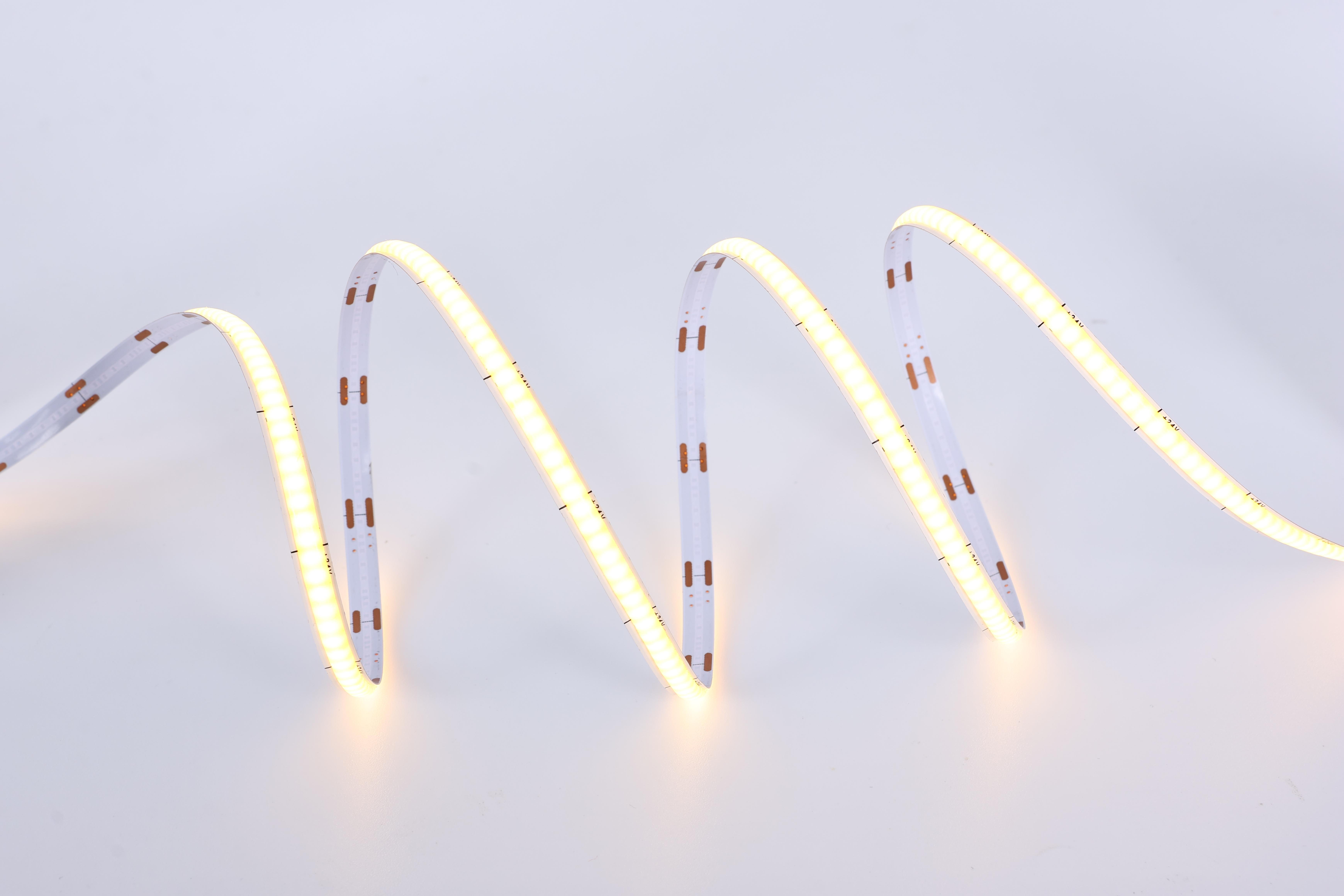
A: Yes. At 950 lm/m this is the brightest CRI 90 strip in the low-voltage D series and delivers genuine task-level illumination rather than accent glow. If maximum output is the priority and Ra80 is acceptable, higher-output models are available in the range.
Q: What is the difference between this and the 3mm 400-LED strip?
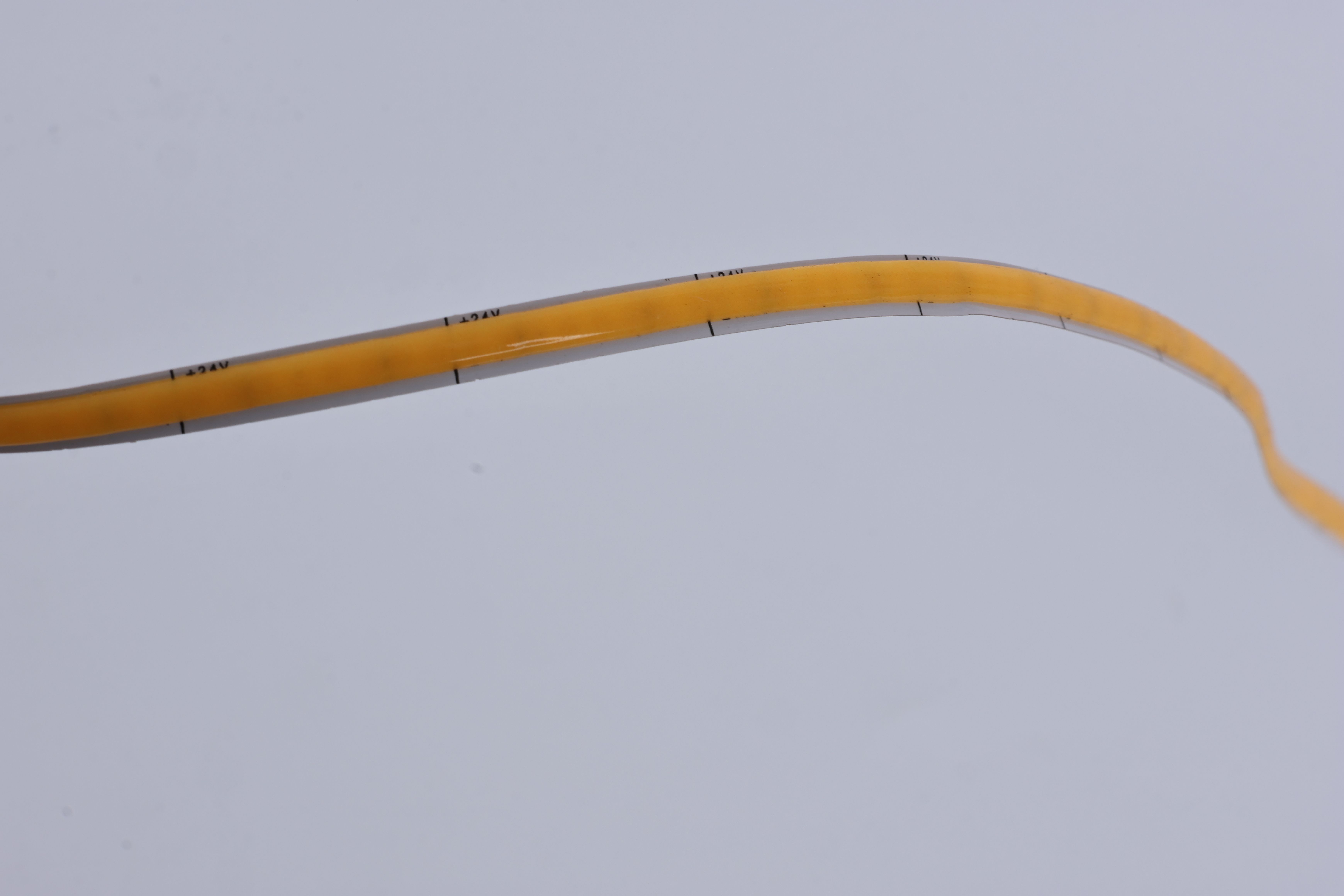
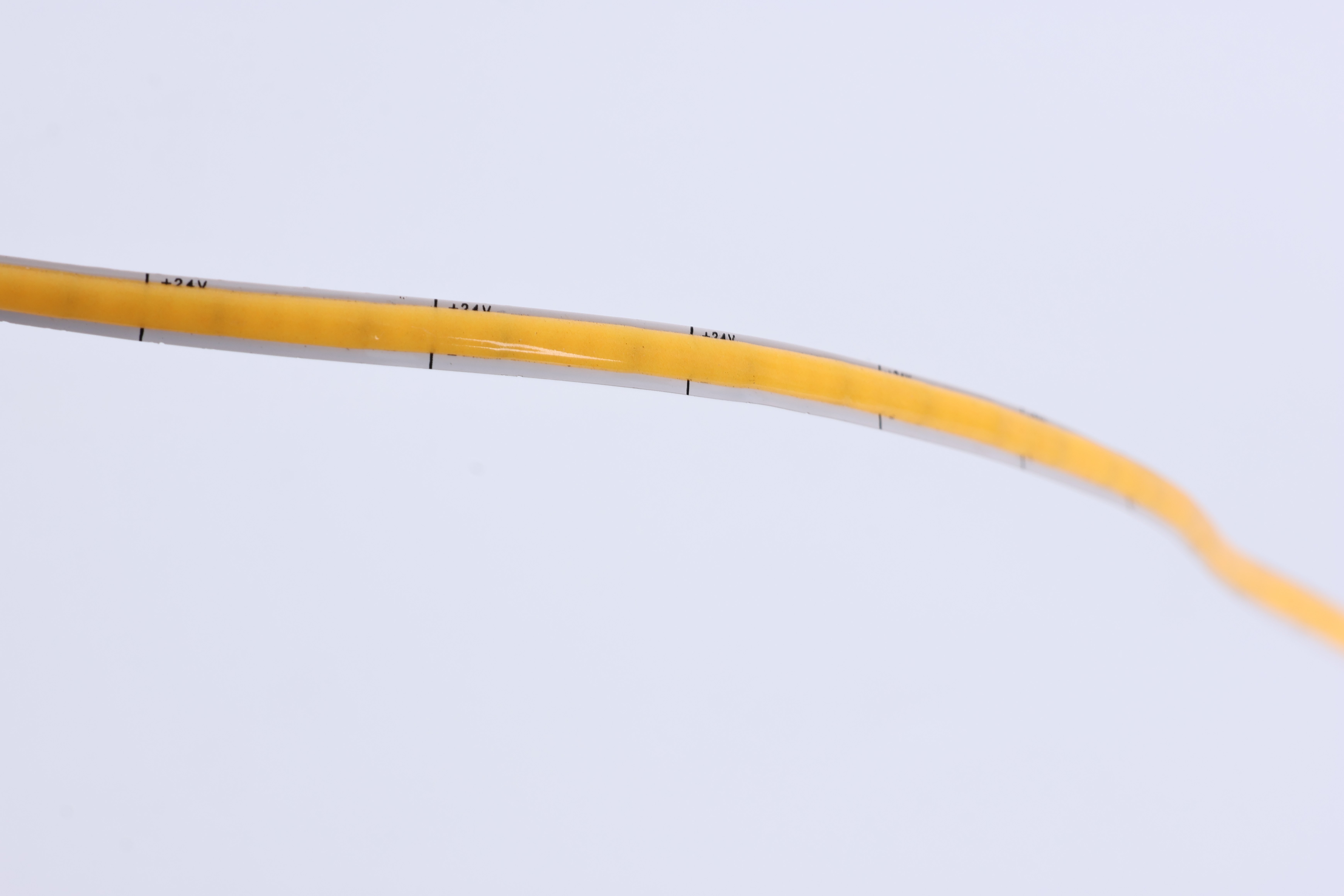
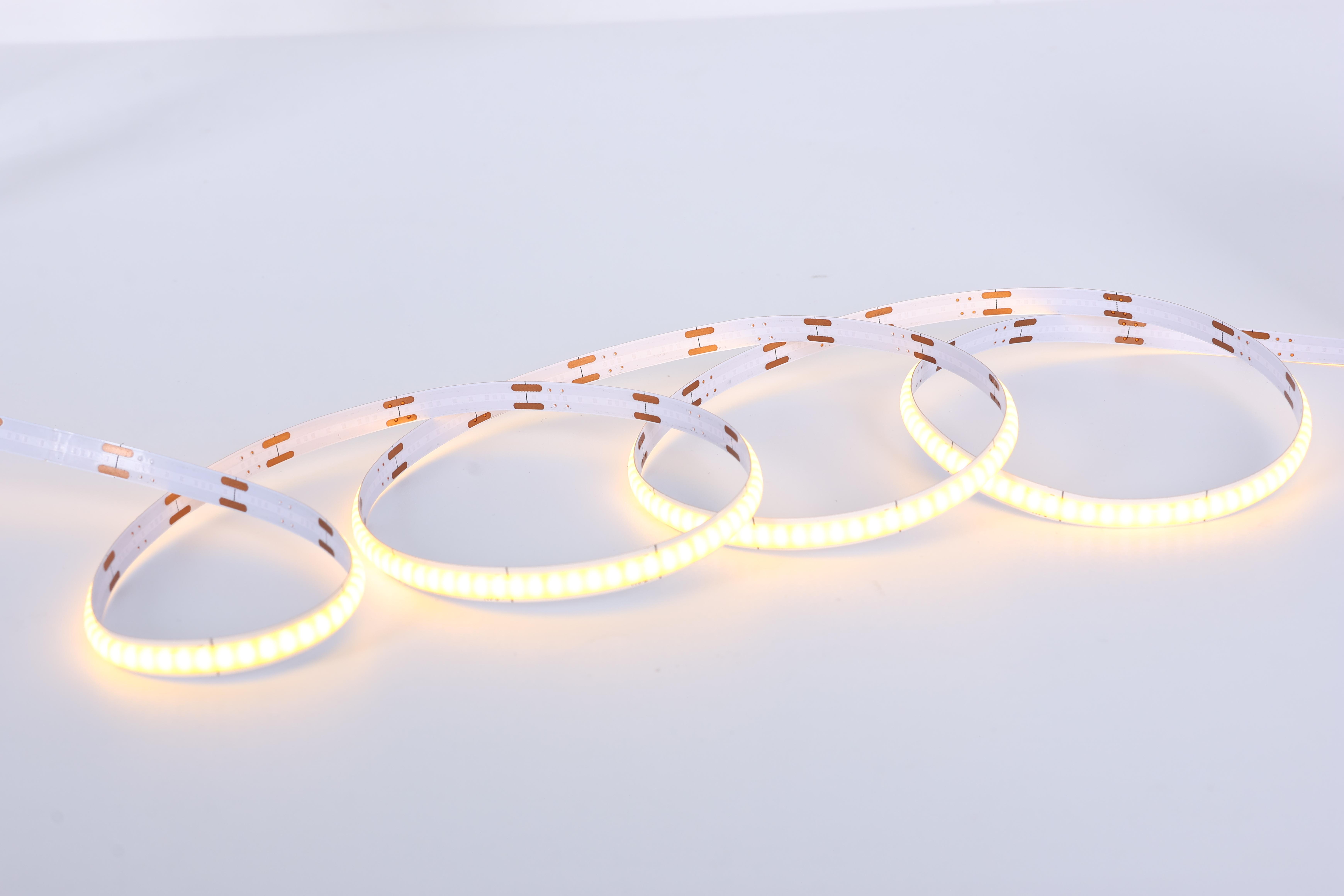
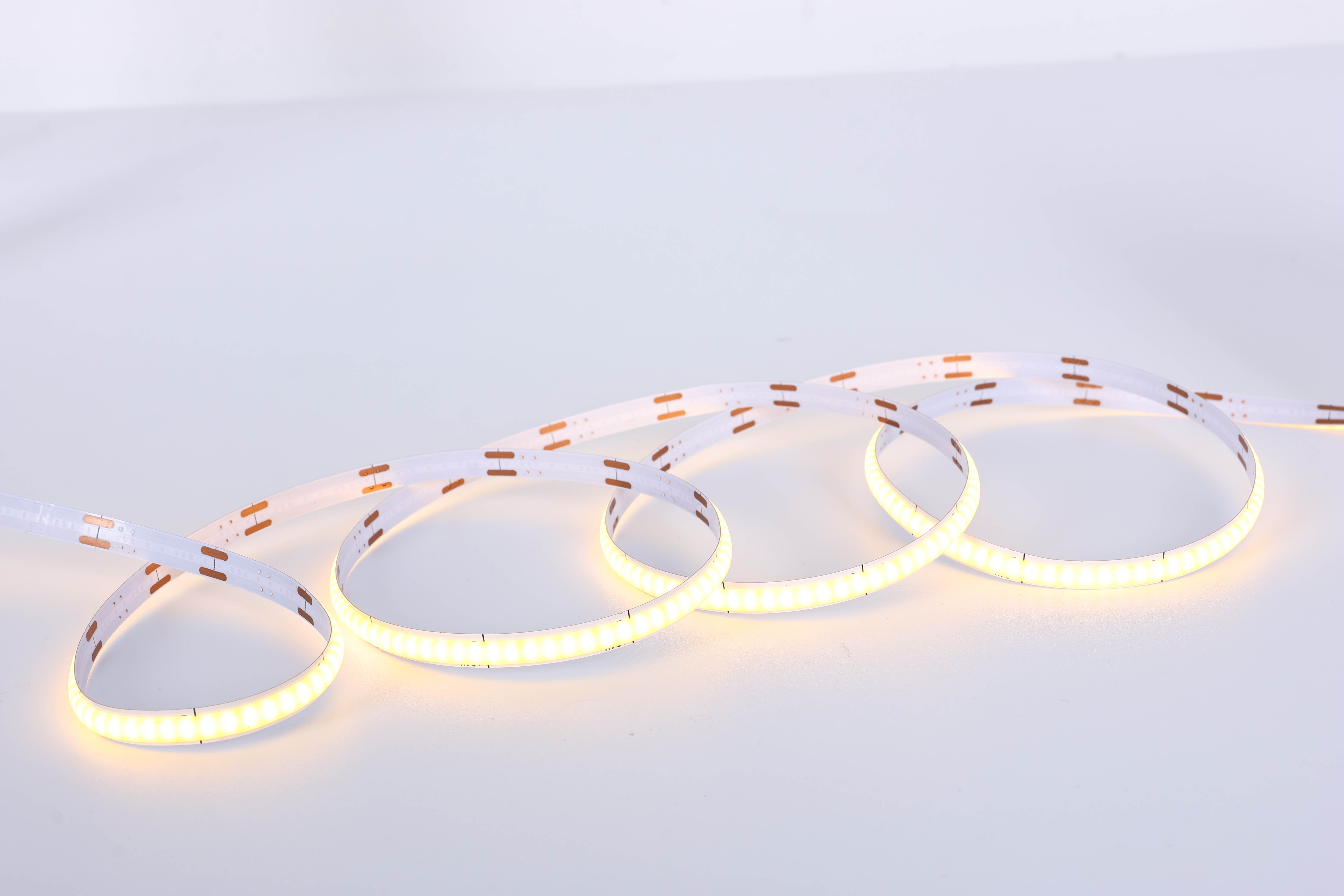
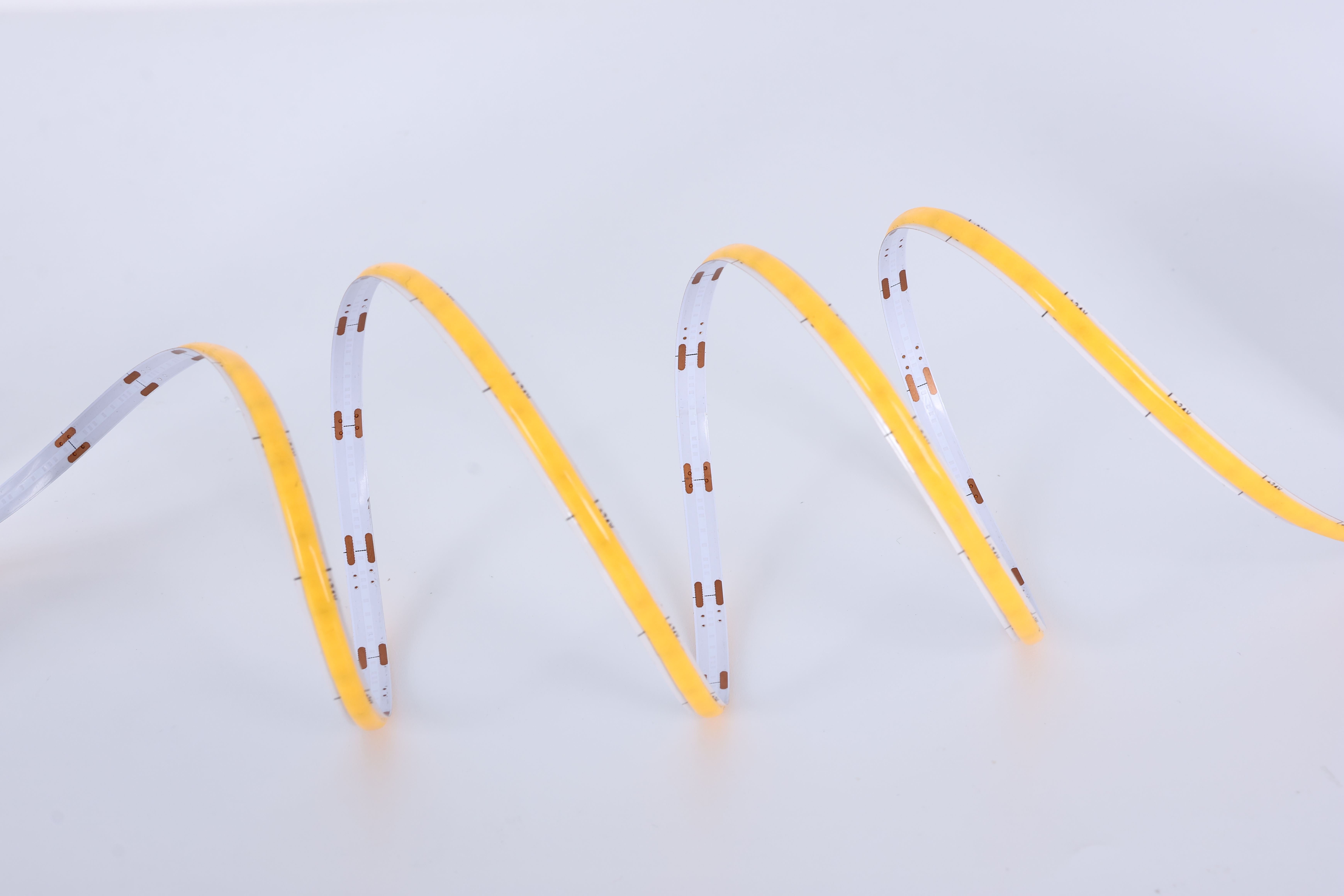
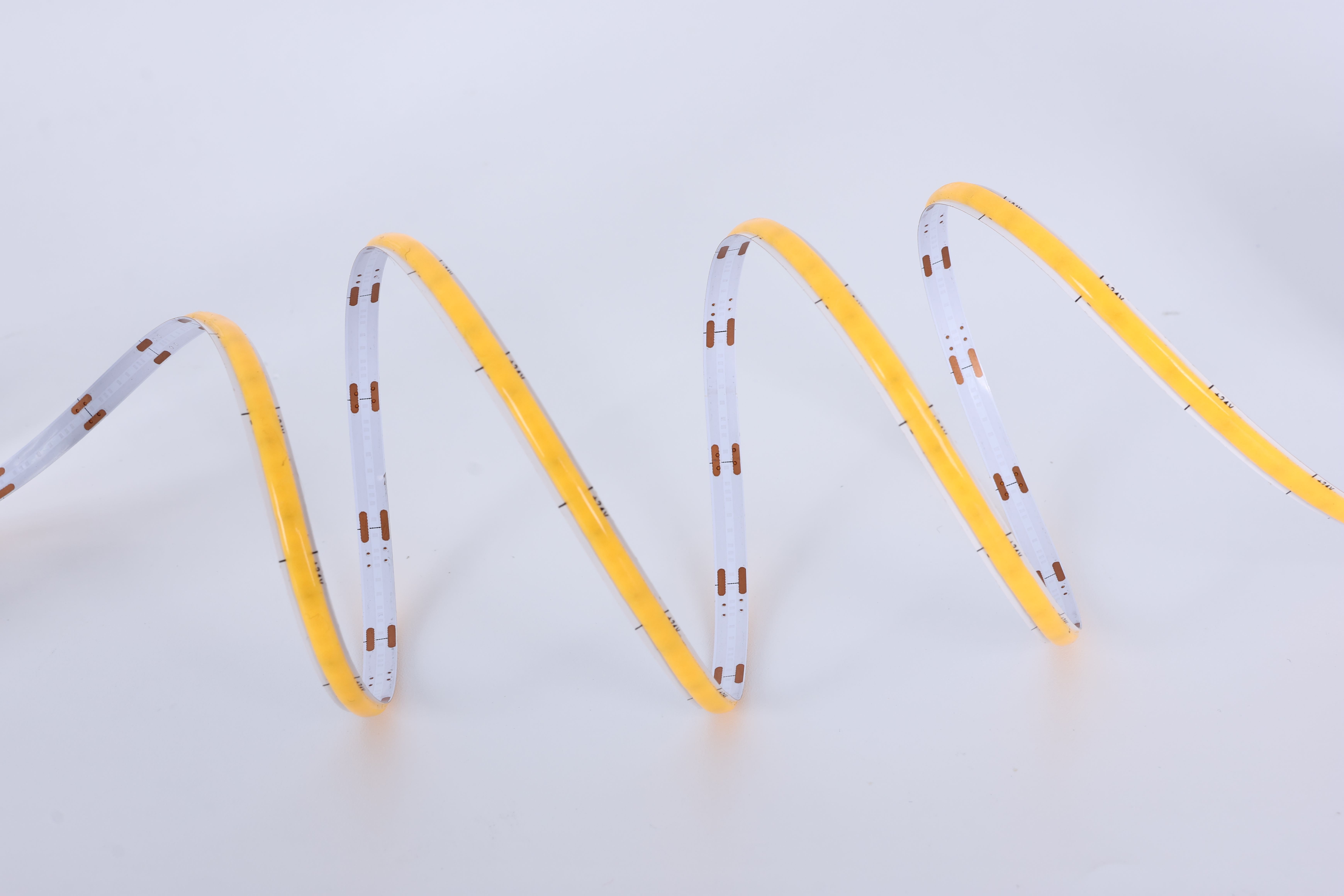
A: Both carry 400 LEDs per metre at CRI 90. This model runs at 24V with 950 lm/m output and a 5mm width; the 3mm model runs at 12V with 480 lm/m and SDCM ≤3. Choose 3mm when channel width is the constraint or when the tightest colour consistency is required; choose this model for brightness and longer run capability.
Q: Does the strip need a controller or driver programming?
A: No. It illuminates as soon as power is applied. A 24V DC power supply sized to the total load is all that is required.
Q: Can corners and branches be handled without soldering?
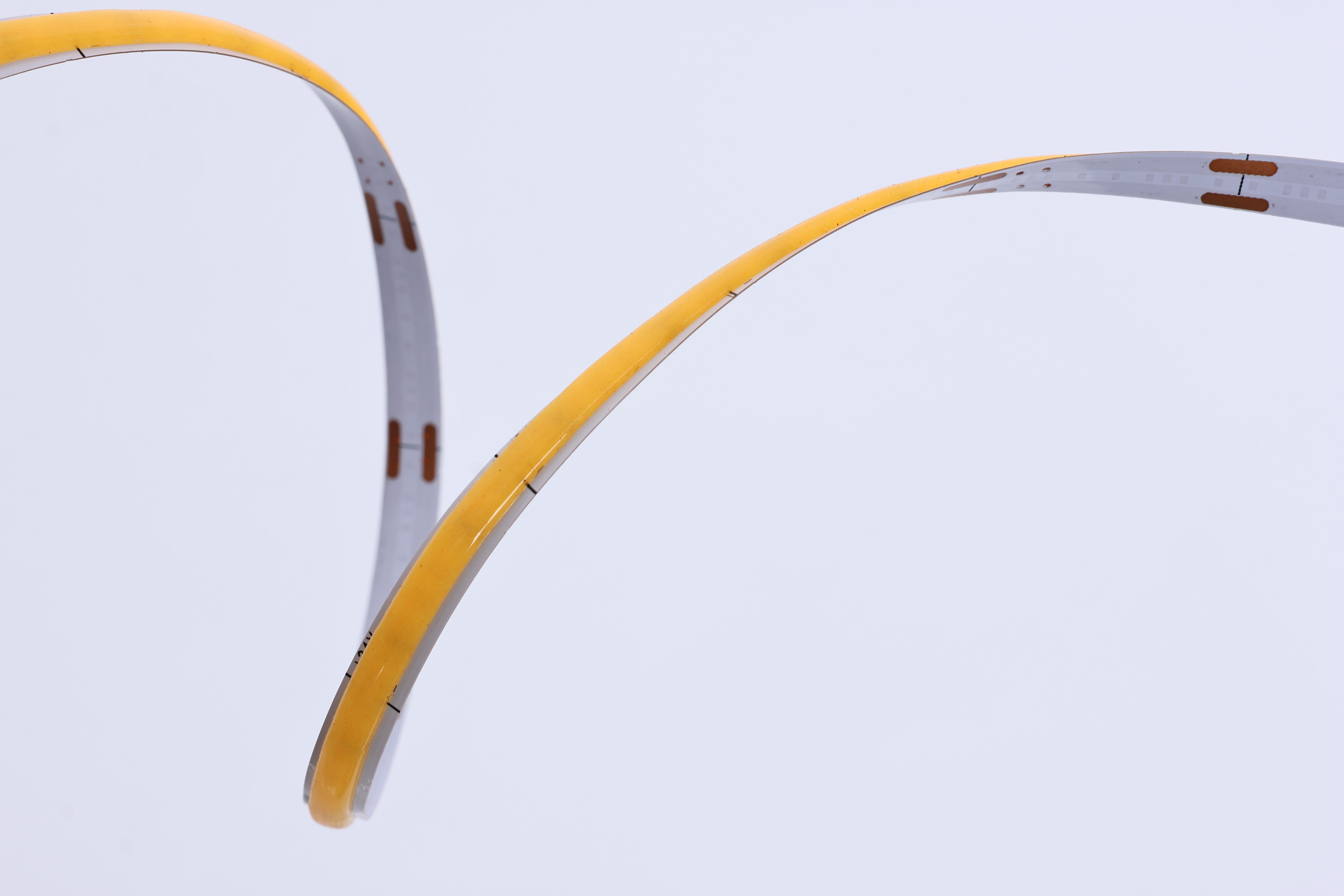
A: Yes. The 2P accessory range includes L-shaped, T-shaped, and cross transitions along with in-line joiners and lead wires, covering extension, cornering, and branching entirely with plug-together components.
Q: What are the MOQ, lead time, and packing details?
A: MOQ is 50 sets, lead time 15–21 days. The strip ships on 5m reels, 100 reels per carton totalling 500m, from Guangzhou or Shenzhen.
 EN
EN