 EN

how-do-you-program-rgbic-led-strip-for-custom-effects, how-do-you-program-rgbic-led-strip-for-custom-effects, /news
EN
2026/09/19
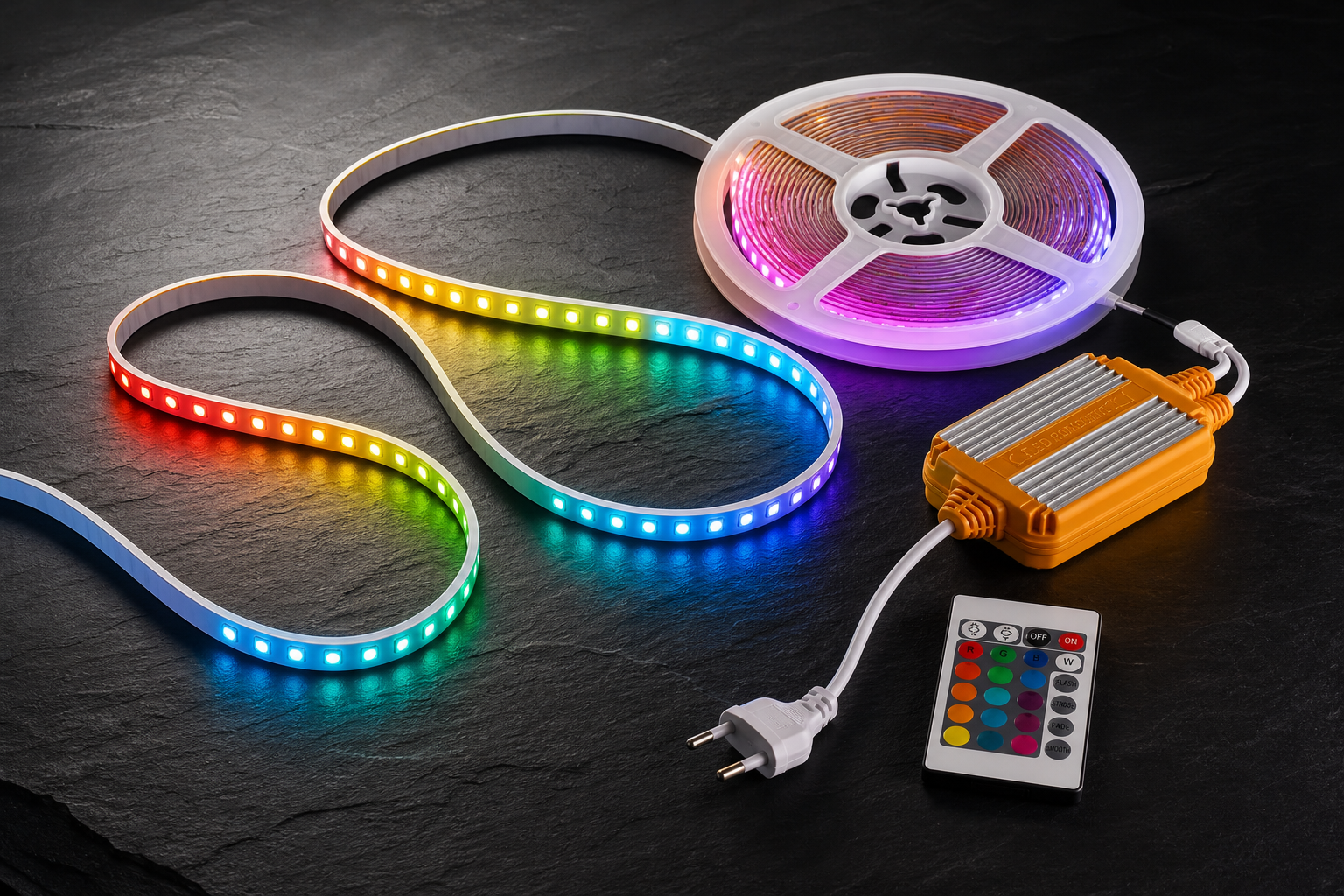
Programming an rgbic led strip opens unlimited creative possibilities for dynamic lighting effects in residential, commercial, and industrial applications. RGBIC technology represents a significant advancement over standard RGB systems, allowing individual control of each LED segment along the strip. Unlike conventional addressable rgb led strip solutions that require complex wiring, RGBIC strips simplify the installation process while delivering professional-grade customization capabilities. Understanding the programming fundamentals empowers you to create synchronized patterns, responsive animations, and tailored color sequences that transform any space into an immersive lighting environment.
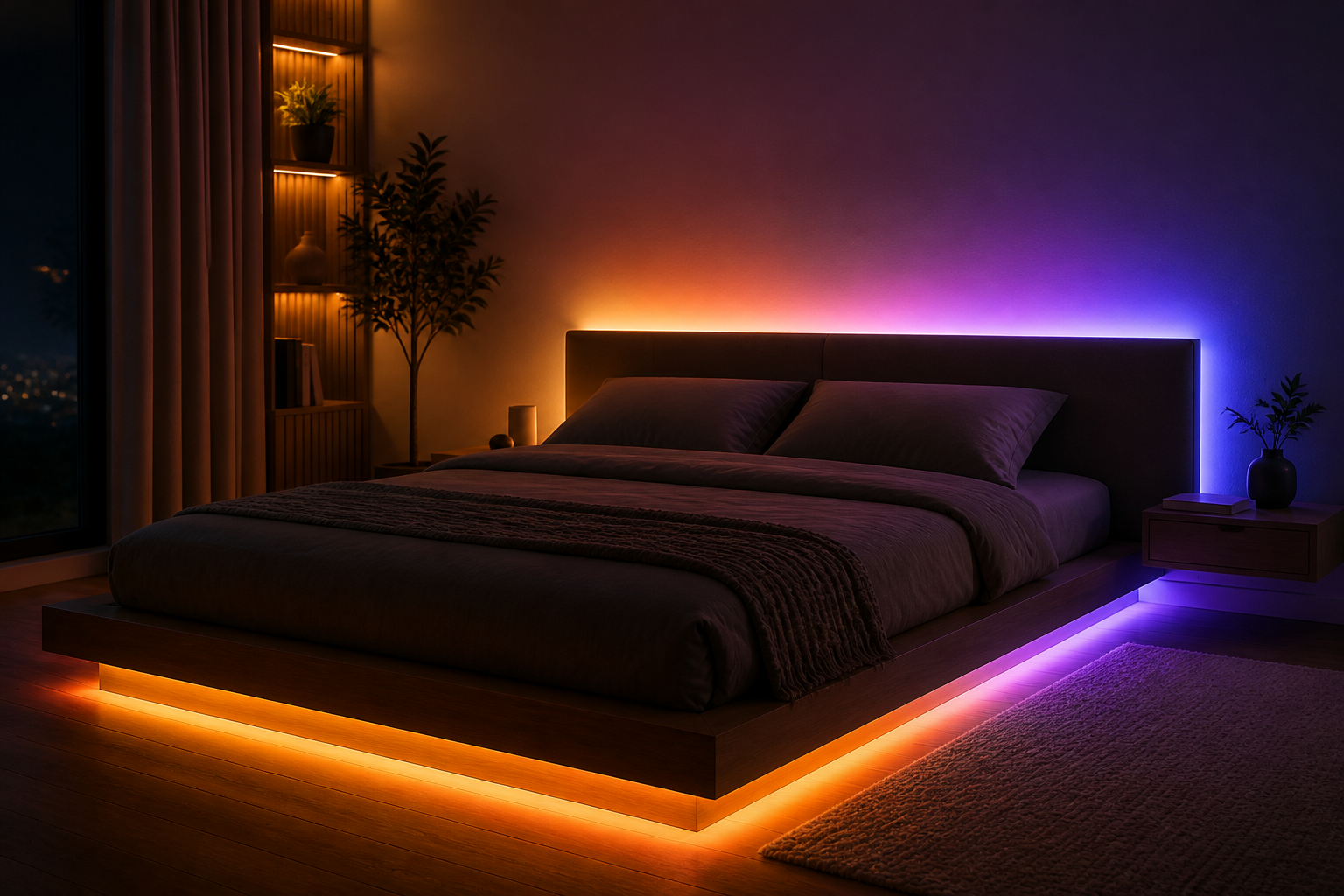
The process of programming programmable led strip lights begins with selecting the right control platform and understanding the communication protocol your specific strip uses. Most modern smart rgb led lighting systems operate through wireless controllers, mobile applications, or dedicated software interfaces. The flexibility of smart rgb led lighting means you can adjust brightness, color saturation, transition speed, and effect timing without physical modifications to the hardware. This guide walks you through the essential steps, best practices, and troubleshooting strategies for achieving professional-quality custom effects.
An addressable rgb led strip contains individual LED nodes connected in sequence, each capable of receiving and transmitting data to its neighbors. This daisy-chain architecture eliminates the need for multiple power lines or control wires running to each segment. The RGBIC variant adds an additional integrated circuit within each LED package, enabling more sophisticated signal processing and effect rendering. The programmable led strip lights in this category communicate through a single data line, making installation significantly simpler than traditional multi-wire systems while maintaining full independent control of each LED element.
Wireless control platforms dominate the smart rgb led lighting market because they eliminate installation complexity and offer remote management capabilities. Bluetooth and WiFi protocols allow you to program effects directly from a smartphone or tablet, making real-time adjustments without specialized technical knowledge. Wired approaches, while less common in modern rgbic led strip setups, provide direct serial communication and are preferred in professional installations where signal reliability is critical. Hybrid systems combine both methods, offering wireless convenience with optional wired backup for mission-critical lighting environments.
The first decision when programming an addressable rgb led strip involves choosing your control ecosystem. Most manufacturers provide dedicated mobile applications or web-based interfaces designed specifically for their programmable led strip lights. Evaluate whether the platform supports the effects you want to create—ranging from simple static colors to complex synchronized animations. Open-source platforms like Arduino-compatible controllers offer maximum flexibility for advanced users, while manufacturer-specific apps provide user-friendly interfaces with pre-built effects libraries. Compatibility verification ensures your smart rgb led lighting system integrates seamlessly with your existing smart home infrastructure.
Once your control software is installed and connected to your rgbic led strip, begin by configuring fundamental parameters such as total LED count, color mode, and power settings. Most applications automatically detect the number of addressable rgb led strip segments, but manual configuration may be necessary for non-standard installations. Brightness levels should be calibrated based on ambient lighting conditions and desired visual intensity. The smart rgb led lighting software typically includes a test mode allowing you to verify each LED section responds correctly before applying complex programming sequences.
Programming custom effects on your programmable led strip lights involves defining color transitions, timing intervals, and spatial patterns. Most platforms offer preset animation templates such as fade, pulse, chase, and rainbow sequences that serve as starting points for customization. Manual programming requires specifying the RGB color values for each segment and the duration each state persists before transitioning. Advanced users can leverage APIs or scripting capabilities to develop entirely original effect patterns tailored to specific events, music synchronization, or environmental triggers. The flexibility of addressable rgb led strip programming makes it possible to save multiple effect profiles and switch between them based on time-of-day or user preference.
Among the most compelling features of modern smart rgb led lighting is the ability to synchronize effects with audio input. Your rgbic led strip can respond to music beats, frequency ranges, and amplitude variations to create dynamic visual performances. This requires either audio-reactive hardware integration or software-based visualization algorithms that analyze sound data in real-time. Programmable led strip lights with built-in microphones or audio input capabilities unlock possibilities for entertainment venues, studios, and immersive home experiences. The synchronization quality depends on both the precision of the control system and the sensitivity of the audio detection algorithm.
Time-based scheduling transforms your addressable rgb led strip into an intelligent lighting system that adapts throughout the day. Most platforms allow you to define activation times, effect sequences, and transitions based on specific hours or recurring schedules. Integration with smart home ecosystems means your programmable led strip lights can respond to occupancy sensors, daylight levels, or external triggers. Automation routines can transition your smart rgb led lighting from energizing morning effects to calming evening ambiances without manual intervention. This capability significantly enhances user experience by creating contextual lighting environments that adapt to natural rhythms and daily routines.
Connection failures represent the most frequent challenge when programming an rgbic led strip, often resulting from interference, power supply limitations, or outdated firmware. Verify that your control device maintains stable connectivity and that the programmable led strip lights have adequate power supply capacity for the desired effect intensity. Segment unresponsiveness typically indicates data line corruption or individual LED failures that require replacement of affected sections. Testing the addressable rgb led strip in segments helps isolate problems and determine whether issues stem from software configuration, hardware defects, or environmental factors. Firmware updates for both your smart rgb led lighting controller and the strip itself often resolve compatibility issues and unlock new programming capabilities.
Yes, most rgbic led strip systems support daisy-chaining multiple strips together and controlling each segment independently through software. The addressable rgb led strip architecture allows you to address individual LEDs or groups of LEDs across multiple physical strips. Your programmable led strip lights software typically provides zone-based control, enabling different effects to run simultaneously on different sections. This flexibility makes smart rgb led lighting ideal for large installations requiring complex spatial patterns across multiple surfaces or rooms.
Individual LED failures in an addressable rgb led strip do not typically disable the entire strip because the daisy-chain architecture allows data to pass through non-functional nodes. However, visual continuity is disrupted at the failed LED location. Most rgbic led strip systems include bypass or repair capabilities, and professional installations may include hot-swap modules for easy replacement. Purchasing strips with extended warranty coverage and keeping spare segments on hand ensures your smart rgb led lighting system maintains full functionality during the product lifetime.
Modern rgbic led strip systems are designed with user accessibility in mind, and most beginners can achieve basic programming within minutes using provided mobile applications. Manufacturer software typically includes pre-built effects and intuitive interfaces requiring no coding knowledge. Advanced custom programming requires more technical skills and familiarity with your addressable rgb led strip platform or scripting languages. The learning curve remains gentle because comprehensive documentation, tutorials, and community resources are widely available for popular programmable led strip lights systems, and your smart rgb led lighting investment becomes more rewarding as your skills develop.
