 EN

how-does-led-tape-create-different-lighting-effects, how-does-led-tape-create-different-lighting-effects, /news
EN
2026/09/17
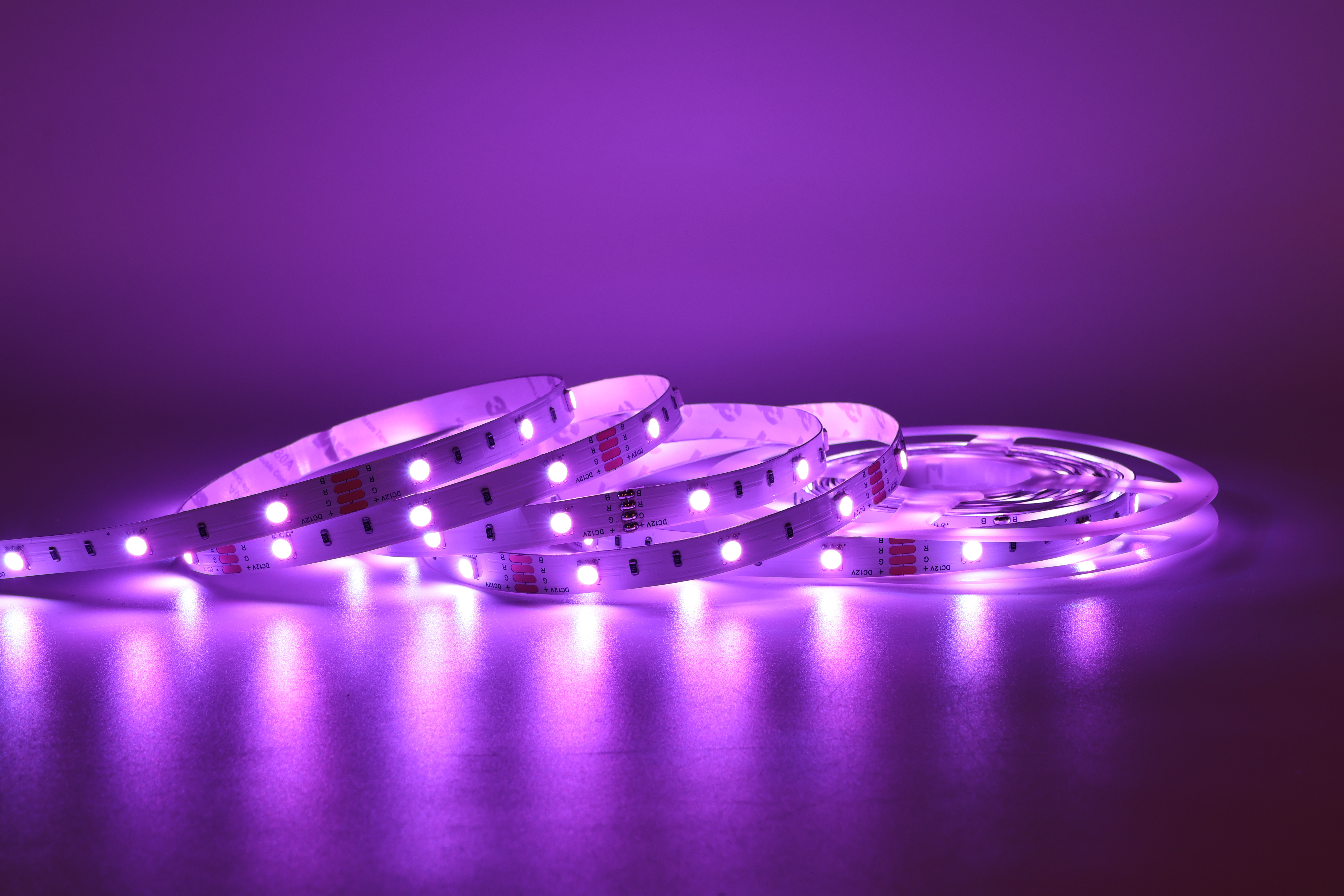
LED tape has revolutionized how we think about ambient and accent lighting in modern spaces. Whether you're designing a residential interior, commercial environment, or outdoor installation, understanding how LED tape creates different lighting effects is essential for achieving your desired aesthetic and functional goals. The versatility of LED tape lies in its ability to produce not just static illumination, but dynamic color transitions, intensity variations, and spatial effects that were once only possible with expensive professional lighting systems.
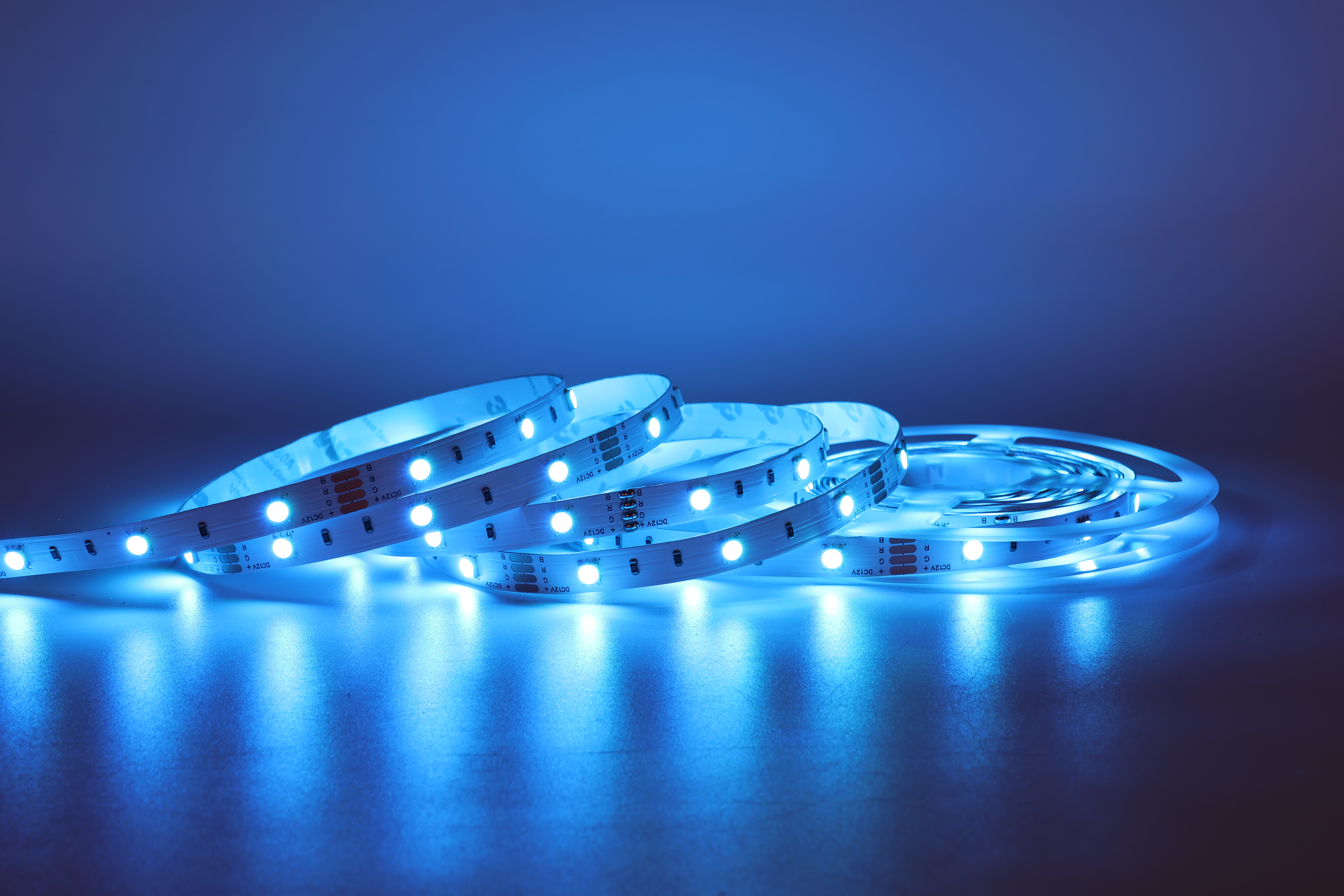
The technology behind LED tape continues to evolve, offering installers and homeowners unprecedented control over lighting customization. From basic monochrome options to advanced addressable LED tape systems, the range of effects possible with modern led tape solutions has expanded dramatically. This guide explores the mechanisms, technologies, and practical applications that enable these diverse lighting effects.
RGB tape lighting operates by combining red, green, and blue light sources at varying intensities to produce virtually any color within the visible spectrum. Each individual LED diode on flexible LED strips contains three separate light-emitting elements that work in harmony. When all three colors emit at full intensity, white light appears. By adjusting the power levels to individual color channels, RGB tape lighting can generate millions of distinct hues, creating rich color palettes for any design intention.
The control of RGB tape lighting requires a compatible controller that communicates with the strip's circuitry. Most systems use PWM (Pulse Width Modulation) technology to regulate brightness levels for each color channel independently. This allows smooth transitions between colors and precise control over saturation and brightness. Flexible LED strips equipped with RGB capability can shift from warm amber tones to cool blue hues in seconds, or maintain static colors that complement your space's design aesthetic.
Modern addressable LED tape takes color production beyond simple RGB mixing by incorporating additional color channels like white (RGBW) or even dedicated warm and cool white LEDs. Addressable LED tape allows each individual LED segment to display different colors simultaneously along the same strip. This innovation enables chase effects, rainbow sequences, and gradient transitions that create dynamic visual interest. The precision of addressable LED tape means you can program specific zones within the installation to pulse, fade, or respond to audio input.
The color rendering quality of flexible LED strips varies based on the LED chip quality and controller sophistication. Premium installations using high-quality flexible LED strips and professional controllers can achieve smooth color transitions without visible banding or flickering. These systems often include advanced color calibration tools that ensure consistent color reproduction across multiple strips or installations.
One of the most compelling effects possible with LED tape is sequential animation, where colors appear to move or chase along the length of the strip. This effect requires addressable LED tape, where each LED can be independently controlled. Chase patterns create the illusion of motion and energy, making them ideal for accent lighting in entertainment spaces, retail environments, or architectural features. The speed of the chase can be customized from leisurely transitions to rapid sequences that demand visual attention.
Sequential effects with RGB tape lighting transform static installations into living, breathing visual elements. Whether creating a pulsing heartbeat effect, a flowing waterfall of color, or a rapidly rotating rainbow pattern, addressable LED tape responds to programming commands that control timing, color sequence, and intensity levels. These animations can be preset or responsive to external inputs like music, motion sensors, or manual controls.
Fade and pulse effects create subtle or dramatic transitions that enhance spatial ambiance. A fade effect gradually transitions LED tape from one color or brightness level to another over a specified duration, creating smooth, natural-looking changes. Pulse effects rhythmically brighten and dim the lighting, mimicking organic patterns like a flickering flame or a breathing effect. These subtle animations add sophistication to spaces without requiring the intense visual stimulation of chase patterns.
Flexibility in programming means pulse and fade effects can be tailored to match your space's mood and purpose. A gentle fade might accompany a retail environment's opening sequence, while a responsive pulse could accent a nighttime outdoor installation. The addressable LED tape technology enables independent control over different sections, allowing complex layered effects where various portions of the installation pulse at different rates or fade through different color sequences simultaneously.
The effects achievable with flexible LED strips depend heavily on the controller's capabilities and the software available for programming. Basic controllers offer preset patterns and brightness adjustment for simple RGB tape lighting installations. Advanced systems feature smartphone apps, voice control compatibility, and sophisticated programming interfaces that allow custom effect creation. Addressable LED tape systems often include cloud-based platforms where installers can design, save, and deploy complex lighting sequences.
Selecting the right controller for your flexible LED strips ensures you can fully leverage the technical capabilities of your LED tape. Some controllers offer music synchronization, allowing the lighting to pulse, flash, or change colors in response to audio frequencies. Others provide scheduling capabilities, enabling automated lighting transitions throughout the day. The choice between RGB tape lighting with a basic controller versus addressable LED tape with an advanced interface depends on your specific application requirements and customization aspirations.
Beyond the LED tape's inherent capabilities, the physical placement and installation technique significantly influence the perceived lighting effects. Concealing flexible LED strips behind architectural elements like crown molding or cornices creates indirect ambient lighting that evokes spaciousness and depth. Surface-mounted LED tape produces more direct illumination suitable for task lighting or accent applications. Wrapping addressable LED tape around curved surfaces creates flowing light boundaries that define spatial geometry.
The viewing distance and angle of observers interact with the LED tape's characteristics to produce distinct visual impressions. Close-proximity installations might showcase individual LED elements, while distant viewing typically blends color channels for unified effects. Designers using flexible LED strips must consider these spatial factors when planning installations. Layering multiple strips at different angles or color settings with addressable LED tape technology creates dimensional effects impossible with static lighting. Professional installation ensures proper diffusion, spacing, and controller integration to maximize effect quality.
Yes, addressable LED tape offers individual control over each LED segment, enabling effects impossible with standard RGB tape lighting. While regular flexible LED strips display uniform colors across the entire length, addressable LED tape can show different colors simultaneously along the same strip, create precise chase patterns, and respond to complex programming sequences. This granular control enables sophisticated effects like rainbow gradients, segment-by-segment animations, and zone-based responses that require each LED to operate independently.
The smoothness and speed of color transitions depend on the controller's refresh rate, the LED tape's response time, and the programming instructions. Controllers using fast PWM frequencies produce smooth, flicker-free transitions, while slower refresh rates might create visible stepping between color levels. The LED chips themselves have inherent response times, typically in milliseconds. Flexible LED strips with higher quality components and advanced controllers can achieve imperceptibly fast transitions, while budget options might display noticeable color banding or lag during rapid sequences.
Installation location significantly impacts how lighting effects appear to observers. LED tape installed behind diffusing materials softens individual LED visibility and creates uniform color fields ideal for ambient effects. Surface-mounted installations showcase dynamic effects more dramatically but may expose individual LED elements depending on viewing distance. Outdoor addressable LED tape installations must contend with ambient light, requiring greater intensity and contrast for effects to remain visible. Indoor installations benefit from controlled lighting environments where subtle color gradations and dim effects remain perceptible.
