Selecting the right led light strips requires understanding your specific lighting needs, space requirements, and desired functionality. Modern lighting solutions offer unprecedented flexibility in design and control, making it essential to evaluate multiple factors before making a purchase decision. Whether you're upgrading residential spaces, commercial environments, or specialized applications, the right choice depends on color capabilities, installation method, power consumption, and control options.
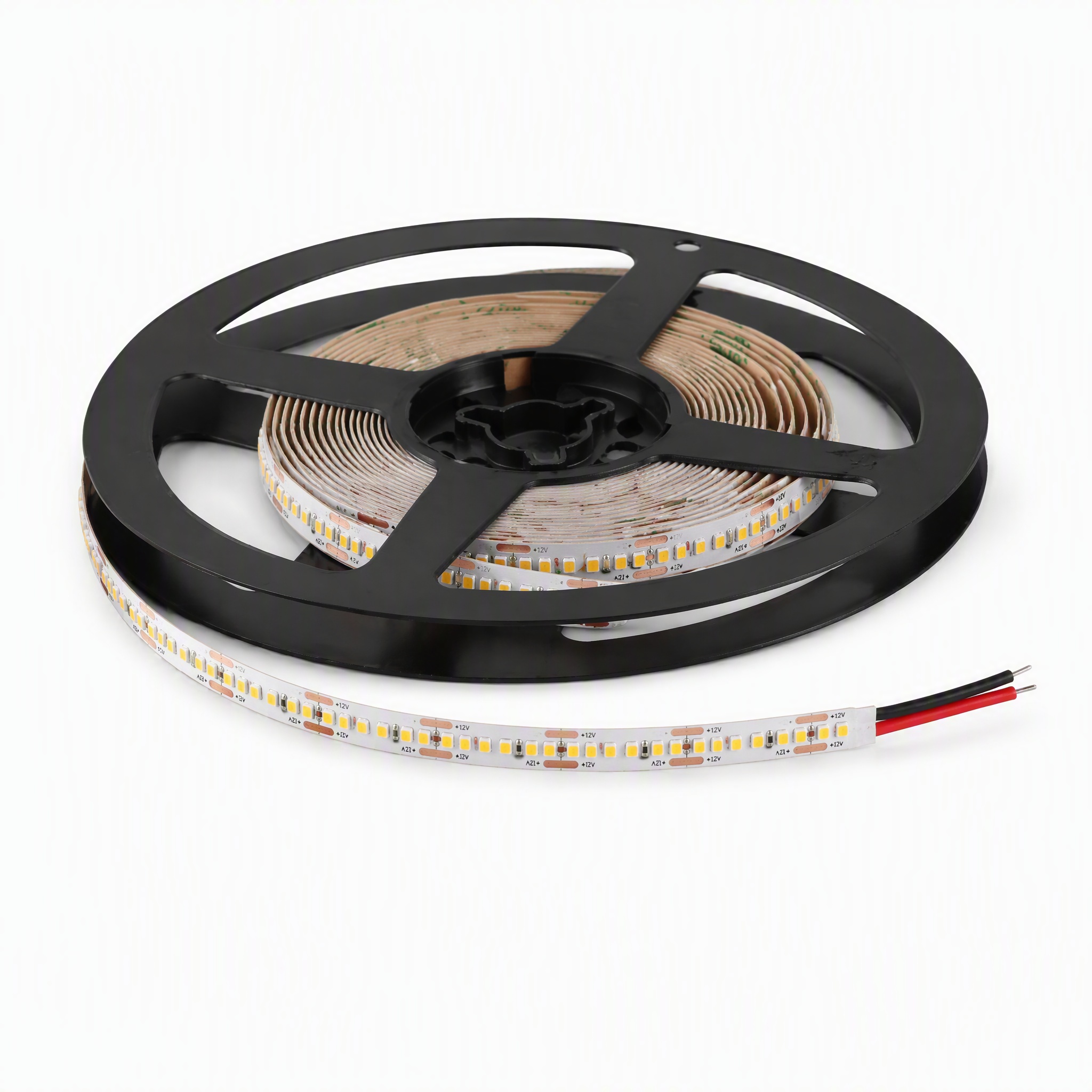
The market offers diverse LED lighting solutions, from basic single-color options to advanced RGB light strips with full smart home integration. Understanding the distinctions between flexible LED tape lights, traditional strip configurations, and smart strip lighting systems empowers you to invest in technology that genuinely serves your application. This guide walks you through the critical decision factors that separate excellent lighting investments from costly mistakes.
Understanding Your Lighting Purpose and Application
Identifying Your Primary Function
Your first step involves clarifying what role the lighting will play in your space. Ambient lighting creates overall atmosphere and complements existing fixtures, while task lighting focuses on specific work areas. Accent lighting highlights architectural features or displays, requiring concentrated beam quality and precise placement. RGB light strips excel at accent applications and ambiance creation, whereas flexible LED tape lights work well for under-cabinet task lighting in kitchens or workshops. Smart strip lighting bridges both worlds, offering versatility for multiple scenarios through programmable scheduling and remote control capabilities.
Evaluating Space and Installation Constraints
Physical space dictates which solutions are practical. Under-cabinet installations, crown molding applications, and shelving require different products than general room lighting or outdoor applications. Flexible LED tape lights adapt to curved surfaces and tight corners better than rigid alternatives, while traditional led light strips often perform better in straight-line runs. Measure your intended installation area and verify that your chosen product can physically navigate the geometry involved. Moisture exposure, temperature fluctuations, and potential dust accumulation also influence whether you need rated flexible LED tape lights with enhanced protection versus standard indoor solutions.
Evaluating Color Options and Output Specifications
Single-Color Versus RGB Capabilities
LED light strips come in fixed single colors—typically warm white, cool white, or neutral white—or offer RGB light strips capable of displaying millions of color combinations. Single-color led light strips cost less and work perfectly for straightforward ambient or task lighting where color temperature consistency matters more than variety. RGB light strips provide creative flexibility, allowing mood adjustments, entertainment sync, and brand-matching capabilities in commercial environments. Smart strip lighting typically includes RGB functionality plus preset color scenes, making these options ideal for modern applications requiring frequent adjustments or automated scheduling based on time of day.
Color Temperature and Brightness Ratings
Color temperature, measured in Kelvin, affects how warm or cool light appears. Warm white (2700K–3000K) creates inviting residential atmospheres, while daylight (5000K–6500K) supports task work and alertness. Brightness is measured in lumens per meter or total output, directly influencing visibility and task effectiveness. Flexible LED tape lights designed for under-cabinet work typically offer higher lumen output than accent-focused RGB light strips. Compare specifications carefully—more LEDs per meter generally mean brighter output, though efficiency and heat management also matter. Premium smart strip lighting options often balance brightness with color accuracy, important for applications where light quality affects product display or photography.
Installation, Control, and Smart Features
Physical Installation Methods
Most modern led light strips feature self-adhesive backing for simple direct mounting, though surface preparation determines longevity. Flexible LED tape lights work on clean, dry surfaces and may require additional mounting clips for curves or exposed runs. Some installations benefit from aluminum channels that dissipate heat, protect the strip, and create finished aesthetics. Consider whether power supply location is convenient and whether you need intermediate connections across long runs. Professional installation provides guarantees but increases project cost, while DIY approaches require careful planning and electrical safety knowledge.
Control Options and Smart Capabilities
Basic led light strips use simple on-off switches, while smart strip lighting integrates with voice assistants, mobile apps, and home automation systems. RGB light strips typically require controllers to manage color selection, brightness, and effects. Smart strip lighting often includes pre-programmed scenes, scheduling capabilities, and integration with environmental sensors or entertainment systems. Evaluate whether you need wireless control, app functionality, voice commands, or simple wired operation. Compatibility with existing smart home platforms—whether Apple HomeKit, Google Home, Amazon Alexa, or proprietary systems—significantly impacts user experience and future expandability. Flexible LED tape lights used for practical task lighting may not require sophisticated control, whereas accent or entertainment-focused applications benefit from advanced programmability.
Budget Considerations and Value Assessment
Total Cost of Ownership
LED technology has become remarkably affordable, with flexible LED tape lights and basic rgb light strips available at accessible price points. However, total cost extends beyond purchase price to include installation hardware, power supplies, controllers, and long-term energy consumption. Smart strip lighting commands premium pricing but justifies investment through convenience, energy efficiency, and extended lifespan compared to traditional lighting. Calculate projected operating hours and compare energy draw between products—quality led light strips consume significantly less power than incandescent or halogen alternatives, paying dividends across years of operation. Factor installation complexity and whether professional assistance is necessary, as labor costs can exceed equipment expenses.
Quality and Longevity Factors
Premium led light strips from established manufacturers typically offer longer warranties, superior color consistency, and lower failure rates than budget alternatives. Flexible LED tape lights from quality sources include better adhesive backing that survives temperature cycling and moisture exposure. RGB light strips should demonstrate consistent color reproduction across multiple units if you're installing multiple sections. Reputable smart strip lighting products provide regular software updates, reliable connectivity, and responsive customer support. Investing slightly more upfront in established brands reduces replacement frequency and frustration, particularly in commercial or permanent residential applications where failures create operational disruptions.
FAQ
What is the difference between RGB light strips and flexible LED tape lights?
RGB light strips produce multiple colors through red, green, and blue diodes working in combination, typically used for accent lighting or adjustable ambiance. Flexible LED tape lights refer to the physical form factor—a thin, flexible strip that bends around curves—and can include single-color or RGB options. The distinction matters because flexible packaging enables curved installations, while RGB capability determines color versatility. Flexible LED tape lights designed for under-cabinet task lighting often use single fixed colors and high brightness. RGB light strips offer color variety but may be less flexible or more expensive. Understanding both characteristics helps you choose products matching your specific space and functional needs.
Can smart strip lighting work without WiFi or internet connection?
Most smart strip lighting systems require at least local network connectivity for full functionality, though many maintain basic operation during WiFi outages. Some advanced systems include remote controls that communicate directly with the strip via radio frequency, eliminating internet dependence for standard brightness and color adjustments. Check specific product documentation before purchasing if offline reliability matters for your application. Simple flexible LED tape lights and basic RGB light strips without smart features never require connectivity and work reliably with standard switch control. Smart features provide convenience and automation but introduce dependency on connected systems—an important tradeoff to understand before selecting smart strip lighting for critical applications.
How long do quality LED light strips typically last?
Premium led light strips commonly achieve 25,000 to 50,000 hours of lifespan, translating to 10-20 years of continuous operation or 25-40 years of typical residential use. Lifespan depends on operating temperature, electrical quality, manufacturing standards, and application conditions. Flexible LED tape lights installed in moisture-prone areas may experience reduced longevity unless specifically rated for those environments. RGB light strips with complex electronics sometimes fail sooner than single-color alternatives if controller or switching components degrade. Smart strip lighting lifespan also depends on software support and availability of replacement parts. Always verify manufacturer specifications and warranty terms before purchase, as lifespan claims vary significantly between budget and premium products in the led light strips category.
 EN