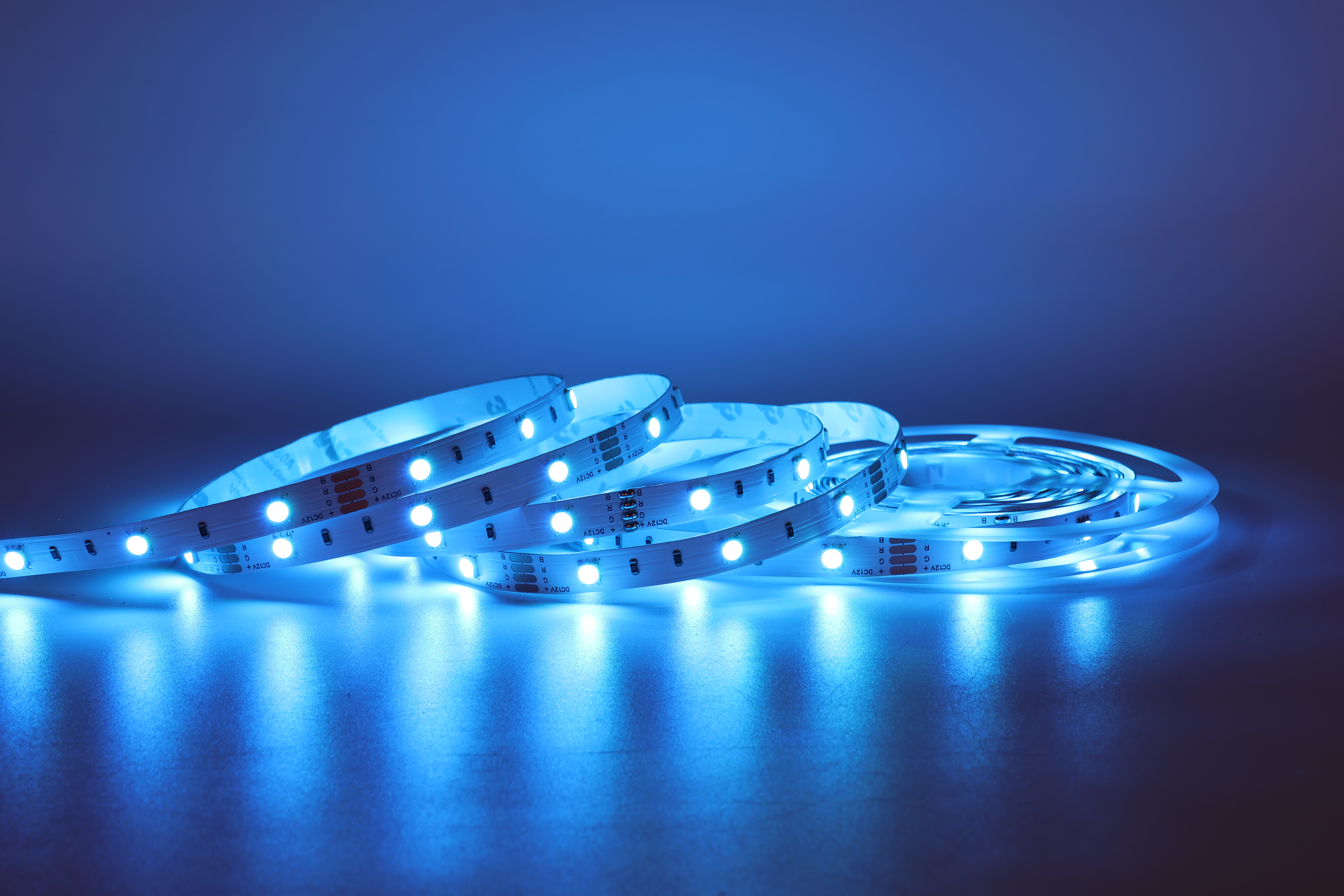
Installing led strip lights correctly transforms any space with ambient illumination while avoiding common pitfalls that reduce performance and lifespan. Whether you're upgrading your kitchen with under-cabinet lighting, enhancing your entertainment area, or adding accent illumination to shelving, the installation process requires careful planning and attention to detail. Proper installation ensures your flexible lighting solutions deliver maximum brightness, color accuracy, and longevity.
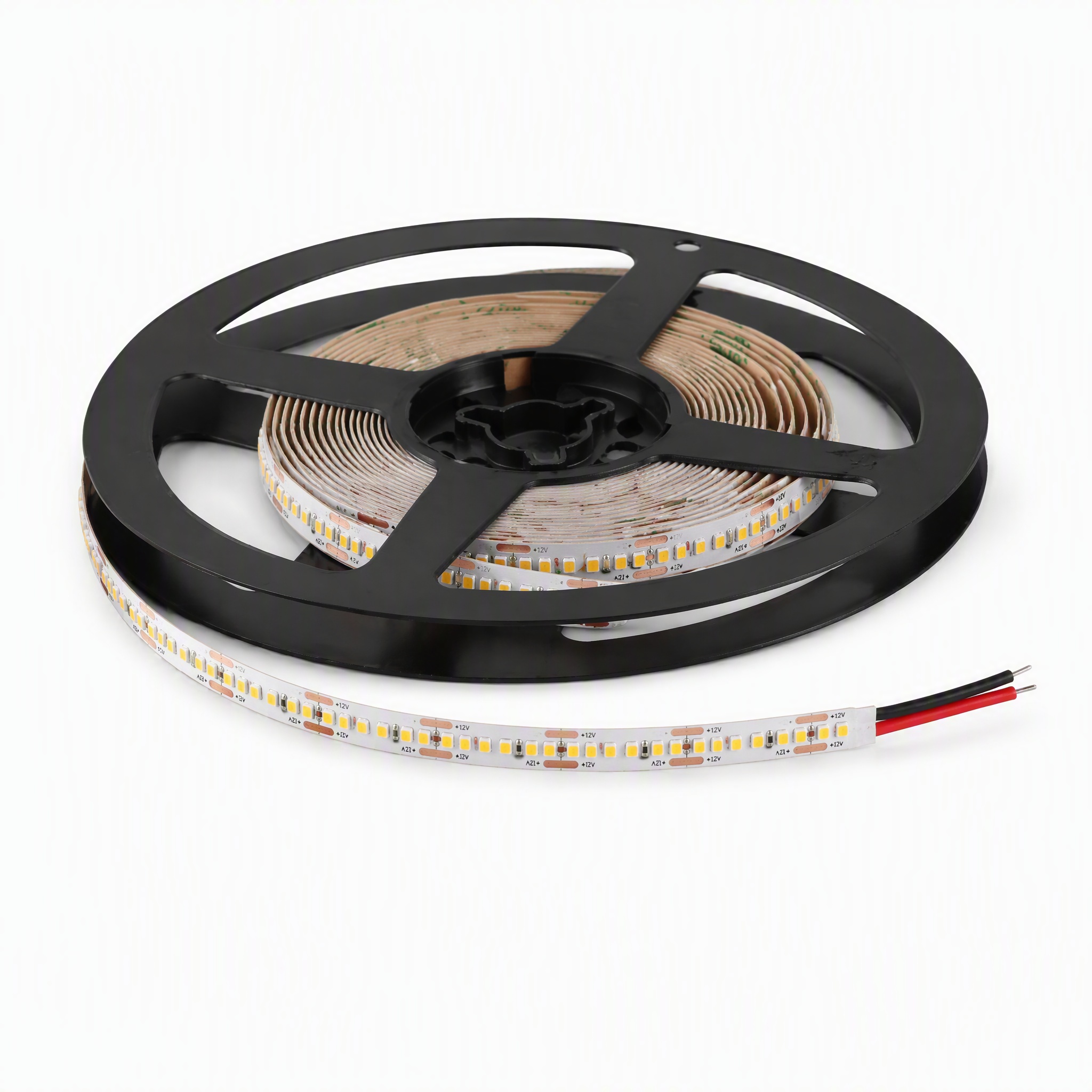
Understanding the fundamental steps before you begin prevents costly mistakes and ensures your color changing light strips function optimally. This guide walks you through surface preparation, power supply setup, adhesive tape lighting placement, and final testing, all designed for both beginners and experienced installers. With the right approach, your flexible lighting solutions will provide reliable performance and professional results.
Preparing Your Installation Surface
Cleaning and Assessment
Surface preparation is the most critical foundation for successful adhesive tape lighting installation. Before applying any flexible lighting solutions, thoroughly clean the target surface with a degreasing cleaner or rubbing alcohol to remove dust, grease, and residue that could weaken adhesion. Rough or porous surfaces benefit from light sanding to create a smoother substrate. Inspect the area for any bumps, scratches, or inconsistencies that might prevent the adhesive from making full contact with the backing surface.
Environmental Conditions
Temperature and humidity significantly impact how well adhesive tape lighting adheres and performs. Most color changing light strips require surface temperatures between 50 and 85 degrees Fahrenheit for optimal adhesion. Avoid installation in environments with high moisture, direct water exposure, or extreme temperature fluctuations unless using weatherproof-rated products. Allow the surface to stabilize for at least 24 hours after cleaning before applying your flexible lighting solutions, as this ensures any residual moisture has evaporated.
Power Supply and Wiring Setup
Calculating Power Requirements
Before installing your led strip lights, calculate total power draw to ensure your power supply matches system demands. Most color changing light strips consume between 4 to 14 watts per meter, depending on LED density and brightness settings. Multiply your total strip length by the per-meter wattage to determine required power capacity. Select a power supply rated 20 to 30 percent above your calculated maximum draw to prevent overheating and maintain safe operating margins. This planning step ensures your flexible lighting solutions run reliably without thermal stress.
Connector and Controller Placement
Position your controller and power connectors in easily accessible locations before installing the adhesive tape lighting. Ensure power supplies are placed away from heat sources, moisture, and high-traffic areas where they might be damaged or create safety hazards. For color changing light strips, position the controller where you can comfortably reach it for adjustments or troubleshooting. Route power cables along existing conduits, behind baseboards, or through cable channels to maintain a clean aesthetic while protecting wiring from accidental damage during the adhesive tape lighting installation process.
Installation and Final Verification
Applying Adhesive Tape Lighting
With surfaces prepared and power systems ready, you can now apply your led strip lights using the factory-applied adhesive backing. Start at one end of your planned layout and slowly peel back the protective backing while pressing the strip firmly against the surface, working in one-meter sections to maintain pressure and ensure consistent adhesion. Use gentle, steady pressure rather than aggressive pushing to avoid damaging the LED components inside flexible lighting solutions. For corners and curves, make gradual 45-degree angles rather than sharp 90-degree bends, which can stress solder joints on color changing light strips and cause premature failures.
Secure and Test
After all adhesive tape lighting is positioned, allow the adhesive to cure for a full 24 hours before connecting power or applying any weight or pressure to the strips. Once cured, connect your power supply to the main strip and perform a full system test before finalizing installation. Test brightness levels, color changing light strips function if applicable, dimming features, and remote controls to confirm everything operates correctly. If using multiple strips or extended runs of flexible lighting solutions, test each section individually to identify any connection issues or power delivery problems before completing your installation.
FAQ
Can I install led strip lights on curved surfaces or around corners?
Yes, most flexible lighting solutions can accommodate gentle curves and rounded corners, but avoid sharp 90-degree bends that stress internal wiring. For complex layouts with multiple corners, consider using corner connectors specifically designed for adhesive tape lighting installations. Pre-plan your route to minimize sharp angles and test the flexibility of your color changing light strips before committing to permanent placement. Some premium strips offer superior flexibility, making them better suited for intricate curved installations than standard options.
What should I do if my adhesive tape lighting won't stick properly?
Poor adhesion typically results from inadequate surface preparation or incorrect application temperature. Recheck your surface by cleaning again with rubbing alcohol and ensuring it's completely dry before reapplying led strip lights. If the original adhesive has been compromised, remove the strip carefully and apply a thin bead of clear silicone adhesive or specialized LED strip adhesive tape along the backing before reattachment. For heavily textured or porous surfaces, consider using aluminum mounting channels with flexible lighting solutions for mechanical support in addition to adhesive.
How do I troubleshoot color changing light strips that aren't displaying colors correctly?
Color inconsistencies in color changing light strips often indicate power delivery problems or controller configuration issues. Verify that your power supply is outputting the correct voltage and amperage for your specific led strip lights model. Check all connector joints for corrosion or poor seating and clean contacts if needed. Test the controller and remote functionality separately to isolate whether the problem lies with signal transmission to your flexible lighting solutions or the power distribution system itself. If one section shows color errors while others function normally, you may have a defective LED section requiring strip replacement.
 EN