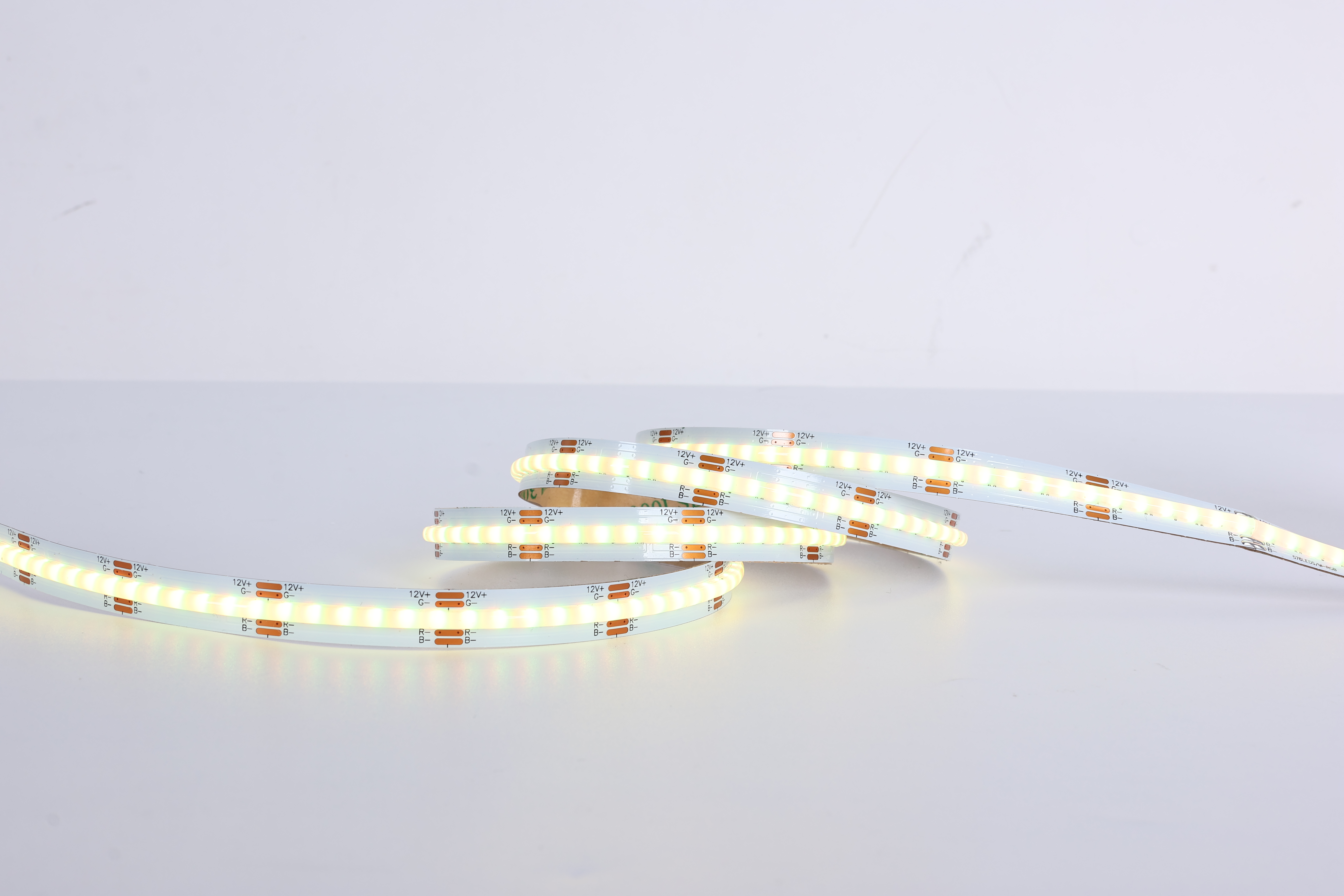
Flexible LED strip lights have revolutionized how architects, designers, and homeowners approach lighting design in contemporary spaces. Unlike traditional rigid fixtures, these versatile solutions adapt to curved surfaces, tight corners, and unconventional geometries, making them ideal for accent lighting, architectural applications, and decorative installations. Understanding what flexible LED strip lights are and their primary uses is essential for anyone planning a modern lighting project.
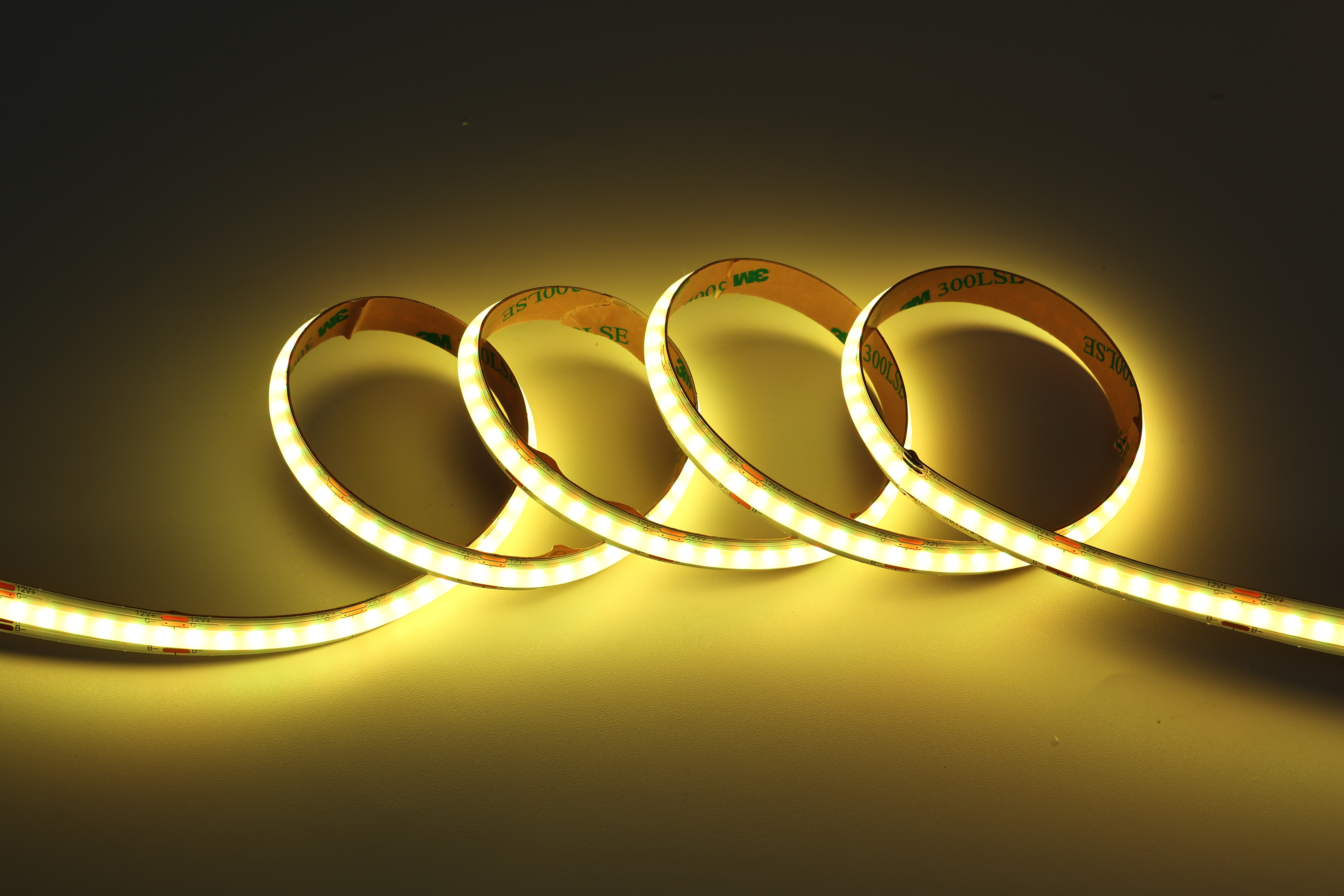
Flexible LED strip lights consist of a thin, pliable circuit board embedded with light-emitting diodes spaced at regular intervals. The flexibility comes from the silicone substrate and segmented design, allowing the strips to bend and conform to virtually any surface without compromising performance. This combination of durability and adaptability has made bendable LED tape lighting increasingly popular in residential, commercial, and industrial settings.
What Are Flexible LED Strip Lights?
Core Components and Design
Flexible LED strip lights are engineered with several key components that enable their unique functionality. The foundation is a thin, flexible circuit board typically made from polyimide or silicone material that allows bending without cracking the electrical pathways. Individual LEDs are soldered onto this substrate at precise intervals, usually ranging from 30 to 120 LEDs per meter depending on brightness and color requirements. A protective silicone layer encases the components, and the back surface features adhesive backing for easy installation on virtually any surface. Power supply connections are integrated into the design, allowing direct connection to DC power sources or control modules for RGB flexible strip lights that support color-changing functionality.
Material and Construction Standards
The durability of flexible LED strip lights depends heavily on material quality and construction standards. Premium options feature high-grade silicone coatings that resist dust, moisture, and temperature fluctuations, making waterproof LED strip installation possible in kitchens, bathrooms, and outdoor environments. Bendable LED tape lighting typically operates within specific temperature ranges, with most commercial-grade options functioning between negative 20 and 60 degrees Celsius. The adhesive backing must maintain its bond through thermal cycling and environmental stress, requiring careful selection of base materials and manufacturing processes to ensure long-term performance.
Primary Uses and Applications
Architectural and Accent Lighting
Architectural professionals leverage flexible LED strip lights to create sophisticated accent lighting in commercial and high-end residential projects. These bendable LED tape lighting solutions trace crown molding, highlight architectural features, and create ambient lighting layers that enhance spatial perception. LED strips installed along ceiling coves produce indirect illumination that reduces glare while providing functional or decorative light. Flexible LED strip lights also work effectively in soffit installations, wall recesses, and along stair edges where rigid fixtures would be impractical or visually intrusive. The ability to adapt to curved and angled surfaces makes waterproof LED strip installation in contemporary design significantly more feasible than with traditional linear fixtures.
Decorative and Mood Lighting
RGB flexible strip lights offer creative professionals dynamic control over color temperature and ambiance in hospitality, retail, and entertainment venues. These advanced flexible LED strip lights enable scene programming, dimming, and color transitions that enhance user experience and brand perception. Restaurants, bars, and retail environments use bendable LED tape lighting to create immersive atmospheres that adapt to different times of day or customer demographics. Home automation applications increasingly incorporate RGB flexible strip lights in entertainment systems, allowing dynamic mood adjustments synchronized with music, video, or time-of-day scheduling. The flexibility of these systems enables installation in previously challenging locations like behind mirrors, inside cabinets, or along complex architectural elements.
Task and Functional Lighting
Beyond decorative applications, waterproof LED strip installation serves critical functional roles in kitchens, workshops, and professional environments. Under-cabinet flexible LED strip lights provide focused illumination for food preparation without casting shadows across work surfaces. Industrial facilities use waterproof LED strip installation in machinery enclosures, control panels, and assembly areas where moisture, temperature extremes, or dust demands robust lighting solutions. Flexible LED strip lights in these contexts reduce eye strain, improve accuracy, and enhance safety by eliminating dark zones common with overhead fixtures alone. The durability of bendable LED tape lighting makes it reliable for demanding commercial kitchen environments where traditional lighting fixtures fail prematurely.
Installation and Performance Considerations
Installation Best Practices
Successful waterproof LED strip installation requires proper surface preparation and methodical execution. The mounting surface must be clean, dry, and free of dust or grease to ensure the adhesive backing bonds securely. For flexible LED strip lights in moisture-prone environments, professional installers often use mechanical fasteners in addition to adhesive to guarantee longevity. Proper cable management is essential when installing bendable LED tape lighting, particularly in commercial settings where multiple strips run parallel or intersect. Power connections must be made according to manufacturer specifications, with attention to voltage requirements and maximum strip length limits that prevent voltage drop and uneven brightness across RGB flexible strip lights.
Performance Optimization
Maximizing the performance of flexible LED strip lights involves understanding thermal management and power supply requirements. These systems generate modest heat that dissipates through the substrate, but installation in enclosed spaces can reduce lifespan if ventilation is inadequate. Waterproof LED strip installation in outdoor or high-moisture environments demands IP68-rated products and proper connector sealing to prevent water infiltration. RGB flexible strip lights require quality control modules to prevent color drift and ensure consistent performance across multiple strips networked together. Voltage stability is critical for long-term reliability, making power supplies with voltage regulation essential for any permanent flexible LED strip lights installation.
FAQ
What makes flexible LED strip lights different from standard LED lighting fixtures?
Flexible LED strip lights differ fundamentally in their form factor and installation flexibility. Standard fixtures are rigid and require specialized mounting hardware, while bendable LED tape lighting adheres directly to surfaces and conforms to curves and angles. This adaptability enables installation in locations where traditional fixtures are impractical, and the lower profile creates sleeker, more contemporary aesthetic outcomes. Flexible LED strip lights also offer easier retrofitting in existing spaces without extensive structural modification.
Can waterproof LED strip installation be used outdoors?
Yes, waterproof LED strip installation is specifically designed for outdoor use when you select IP68-rated products. These flexible LED strip lights withstand rain, UV exposure, and temperature fluctuations when installed correctly with sealed connectors and appropriate power supplies. Bendable LED tape lighting rated for outdoor use typically includes additional UV-resistant coatings and temperature-stable components. However, installation quality and connector sealing are critical factors determining long-term outdoor performance of flexible LED strip lights.
How do RGB flexible strip lights compare to single-color options?
RGB flexible strip lights provide color-changing capabilities and dynamic programming, making them ideal for decorative and entertainment applications. Single-color flexible LED strip lights are simpler, more energy-efficient, and better suited for functional and architectural accent lighting. RGB options require control modules and more complex installation, while bendable LED tape lighting in fixed colors offers straightforward plug-and-play implementation. The choice depends on your specific lighting goals, budget, and desired functionality for your waterproof LED strip installation project.
 EN