 EN

what-color-options-and-effects-does-led-neon-flex-offer, what-color-options-and-effects-does-led-neon-flex-offer, /news
EN
2026/09/21
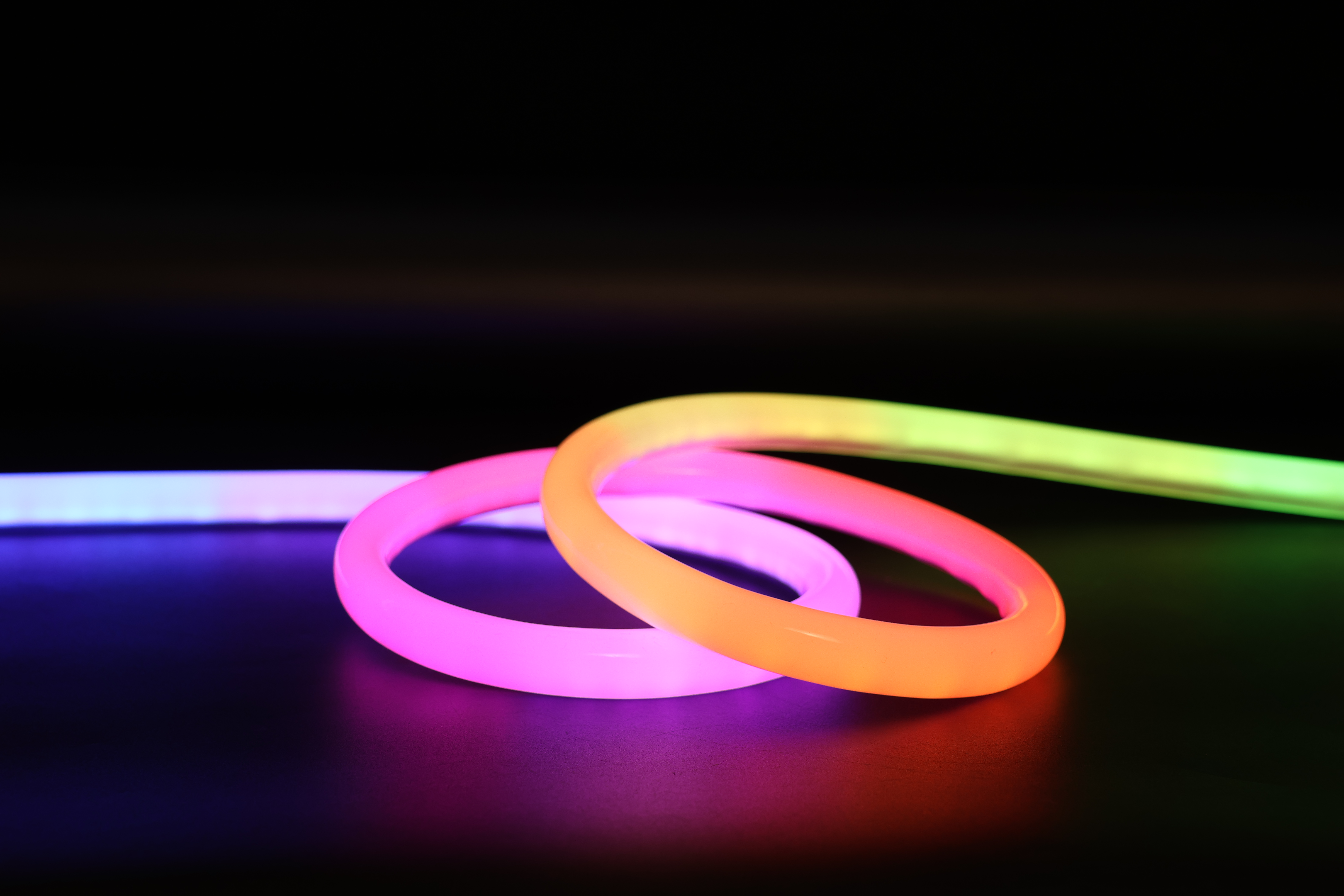
Modern lighting design demands both aesthetic appeal and practical functionality, and led neon flex solutions have revolutionized how designers and architects approach color customization in commercial and residential environments. Unlike traditional glass neon tubes, flexible neon lights offer unprecedented versatility in color selection, brightness control, and dynamic effects that can transform any space into a visually compelling environment. Understanding the full spectrum of color options and effects available with neon flex tubing is essential for making informed decisions about your lighting projects.
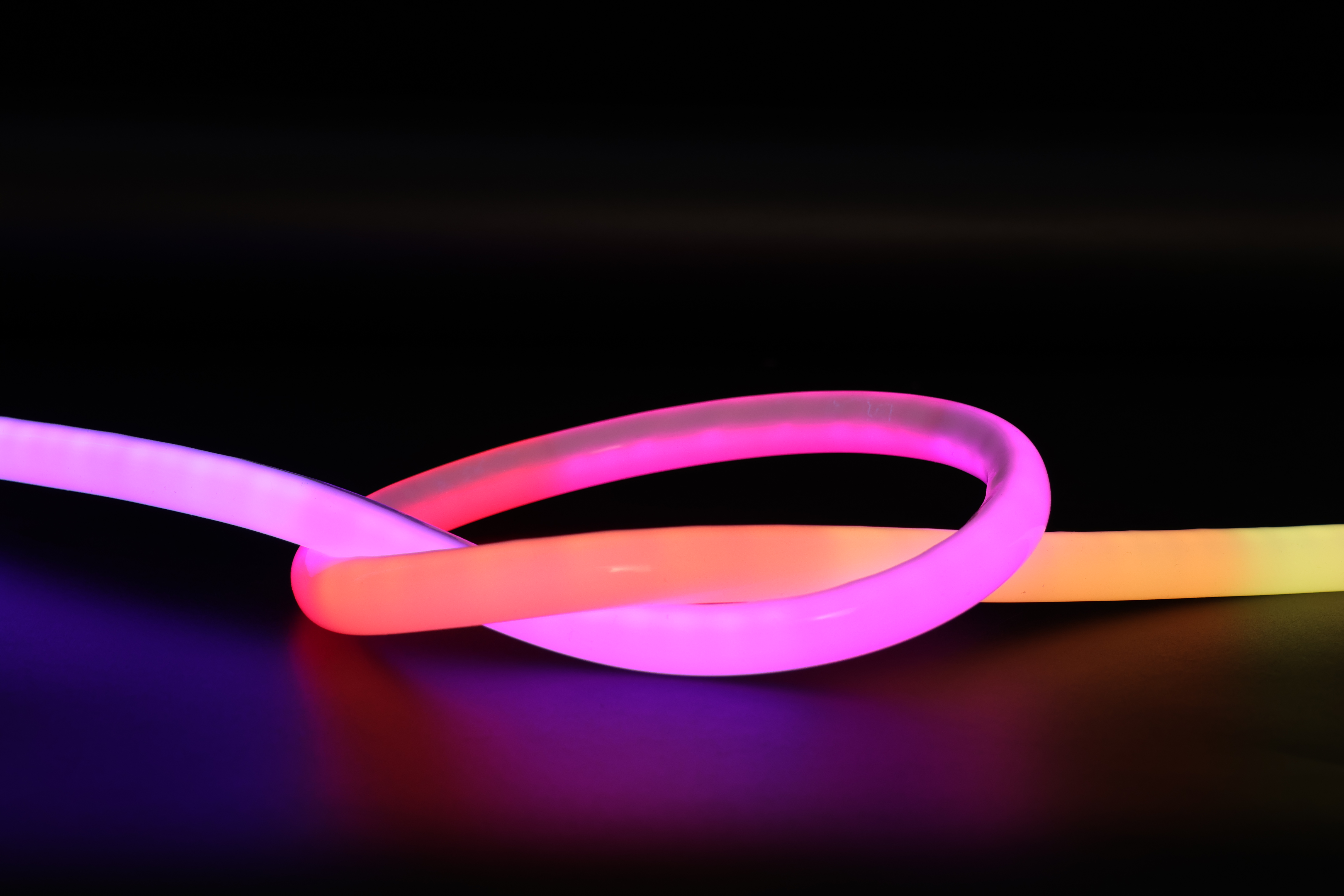
The evolution of neon light strips has fundamentally changed the landscape of decorative and functional lighting. Today's flexible neon lights incorporate advanced LED technology that delivers vibrant colors, programmable effects, and energy efficiency that traditional neon cannot match. Whether you're designing a retail storefront, creating ambient lighting for hospitality venues, or adding architectural accents to commercial spaces, the color and effect options available in modern neon flex tubing provide solutions for virtually every design vision.
LED neon flex systems come in two primary color delivery modes: fixed single-color installations and fully customizable RGB or RGBW variants. Single-color neon light strips are ideal for applications requiring consistent, dependable illumination in specific hues such as pure white, warm white, red, blue, or green. These fixed-color flexible neon lights are typically more affordable and simpler to install, making them popular for signage, architectural highlighting, and accent applications where a specific color identity is paramount.
Multi-color RGB and RGBW neon flex tubing provides access to millions of color combinations by blending red, green, blue, and occasionally white LED elements. This flexibility allows installers to adjust color output in real time using controllers or smart home integration, enabling dynamic transitions, color fading, and scene customization. The ability to program these neon light strips for specific events, seasons, or branding requirements makes RGB flexible neon lights the preferred choice for high-end retail environments, entertainment venues, and installations demanding visual versatility.
Beyond primary color selection, neon flex tubing offers sophisticated control over color temperature through Tri-CCT or adjustable white technology. This feature allows users to shift between warm white (2700K), neutral white (4000K), and cool white (6500K) tones within the same installation, creating adaptive lighting environments that adjust to different times of day or operational requirements. Brightness levels in modern neon light strips typically range from 50 to 100 percent output, providing designers with granular control over light intensity without requiring physical hardware changes.
The ability to modulate both color temperature and brightness simultaneously is particularly valuable in commercial settings where lighting must support multiple functions throughout the day. Morning operations might benefit from cooler, brighter tones that promote alertness, while evening hours can shift to warmer, dimmer flexible neon lights that create a more relaxed ambiance. This adaptive capability within neon flex tubing systems reduces the need for multiple fixture types and simplifies installation while maximizing design flexibility.
One of the most compelling advantages of LED neon flex over traditional glass neon is the ability to program sophisticated animation sequences and transition effects. Neon light strips with RGB technology can cycle through color sequences, fade gradually between hues, pulse in rhythm with sound, or chase patterns along linear runs. These programmable effects in flexible neon lights transform static installations into dynamic visual experiences that capture attention and enhance brand messaging or architectural statements.
Common animation modes available in modern neon flex tubing include steady color holds, smooth fades, rapid strobe effects, color sweeps, and rhythm-responsive modes that synchronize with ambient sound levels. Designers can customize animation speed, color selection within sequences, and transition timing to match specific design intentions. For hospitality applications, entertainment venues, and premium retail environments, these dynamic effects in neon light strips create memorable experiences that static lighting cannot provide.
Contemporary flexible neon lights integrate seamlessly with smart home systems, DMX controllers, and wireless protocols that enable remote management of color, brightness, and effects. Smart-enabled neon flex tubing can be controlled via mobile applications, allowing operators to adjust settings from anywhere, schedule automated transitions throughout the day, or create scenes that align with specific events or operational requirements. This level of control makes neon light strips suitable for sophisticated applications ranging from high-end residential installations to large-scale commercial projects.
Integration capabilities extend beyond simple on-off control; advanced systems support triggering effects based on time, occupancy sensors, or external event data. For example, retail flexible neon lights might automatically brighten and shift color during peak shopping hours, then transition to softer tones during slower periods. This responsive adaptability demonstrates how modern neon flex tubing represents not just a lighting product but a comprehensive system that supports operational efficiency and design excellence.
In retail environments, neon light strips should prioritize eye-catching effects that enhance brand visibility without creating visual fatigue. A combination of static color holds and subtle pulsing effects in neon flex tubing typically performs well for storefronts, encouraging customer attention while maintaining professional appearance. For signs featuring the brand name or product highlights, steady, bright flexible neon lights with minimal animation often prove most effective, reserving more dynamic effects in neon flex tubing for accent areas or promotional messaging.
The color selection for retail applications should align with brand identity and product positioning. Warm whites and vibrant primary colors in neon light strips typically work well for fashion and lifestyle brands, while cooler tones and whites suit technology and professional service sectors. Strategic use of color transitions within neon flex tubing can draw attention to featured products or promotional areas without overwhelming the overall design.
Architectural applications of flexible neon lights benefit from more subtle, refined approaches to color and effects. Continuous lines of neon flex tubing that highlight building edges, frames, or design elements typically employ steady, single-color illumination in white, warm white, or colors that complement the building's aesthetic. The simplicity of non-animated neon light strips in architectural contexts creates elegant, timeless appeal that remains visually appealing long-term.
When dynamic effects are appropriate in architectural neon flex tubing, subtle color temperature shifts or gentle brightness variations create sophisticated visual interest without distraction. Premium hospitality venues, upscale residential projects, and cultural institutions frequently employ these refined approaches to flexible neon lights, demonstrating that restraint in effect programming often delivers superior aesthetic outcomes compared to maximal animation.
Modern neon flex tubing delivers superior color consistency compared to traditional glass neon because LED technology produces uniform output across the entire length without the color fading or hotspots common in aged glass tubes. Color accuracy in digital LED systems is highly consistent, and RGB flexible neon lights maintain calibration across multiple units. This reliability makes neon light strips ideal for applications requiring precise color matching and professional appearance.
Yes, virtually all modern neon light strips support dimming and scenario adjustment through controller interfaces or smart integrations. Neon flex tubing can dim from full brightness to minimal levels, and multi-zone flexible neon lights allow different sections to display different brightness levels simultaneously. This adaptability makes neon flex tubing suitable for applications requiring multiple operational modes, from nighttime accent lighting to bright daytime prominence.
Quality neon light strips typically maintain stable color output and brightness levels for 25,000 to 50,000 operating hours, depending on quality and environmental conditions. Flexible neon lights maintain their vibrant appearance far longer than traditional neon, which experiences noticeable color shift and brightness degradation within 2-3 years. Modern neon flex tubing with proper installation and appropriate operating conditions consistently outperforms traditional alternatives in durability and color stability.
