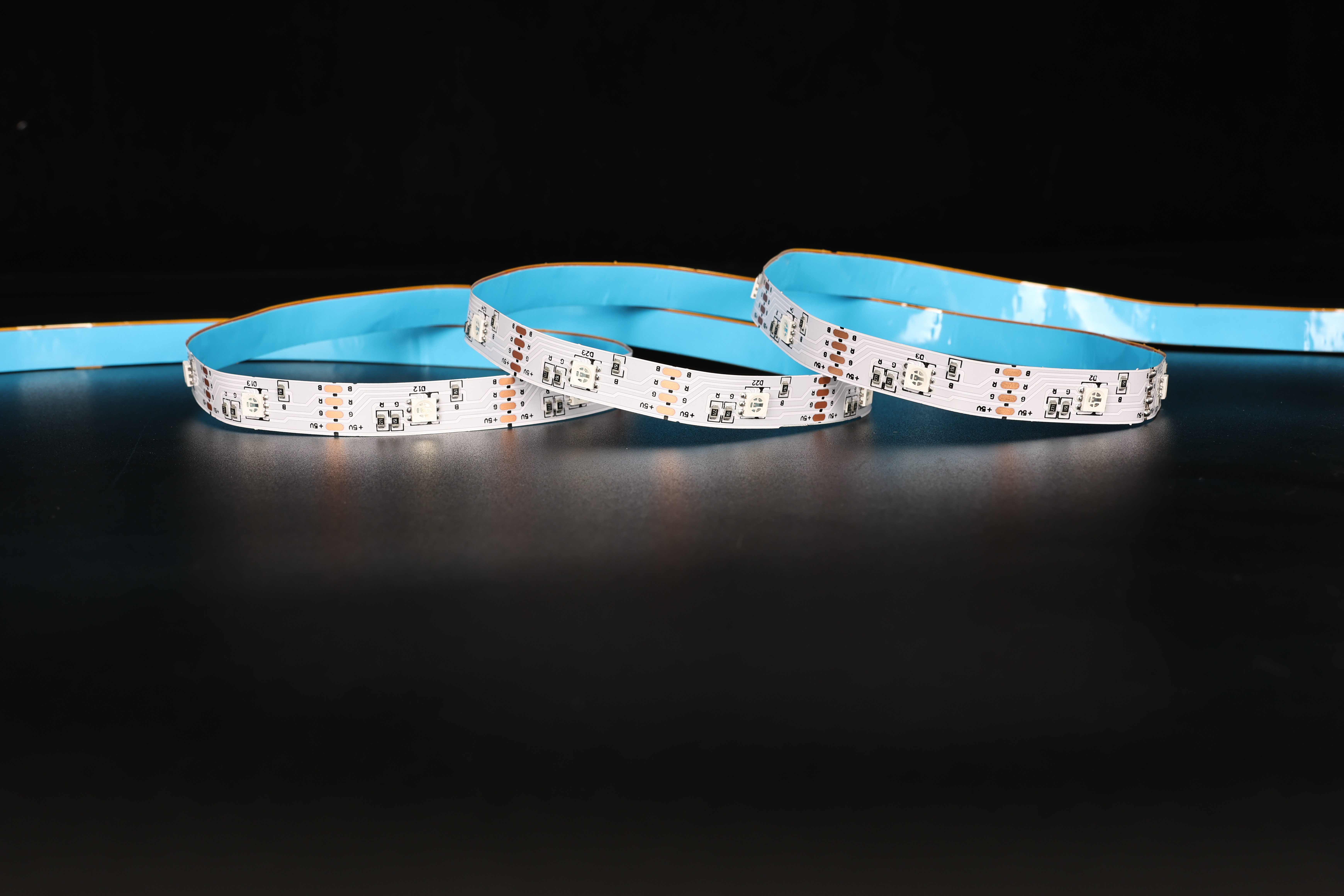
Diode LED lighting has revolutionized how industries and consumers approach illumination, offering unprecedented flexibility in color production that traditional lighting sources simply cannot match. Modern diode LED lighting systems leverage the properties of semiconductor materials to generate a virtually unlimited spectrum of colors, from pure whites to deep saturated hues and everything in between. Understanding what colors diode LED lighting can produce is essential for anyone planning lighting installations, whether for architectural displays, horticultural applications, or commercial environments.
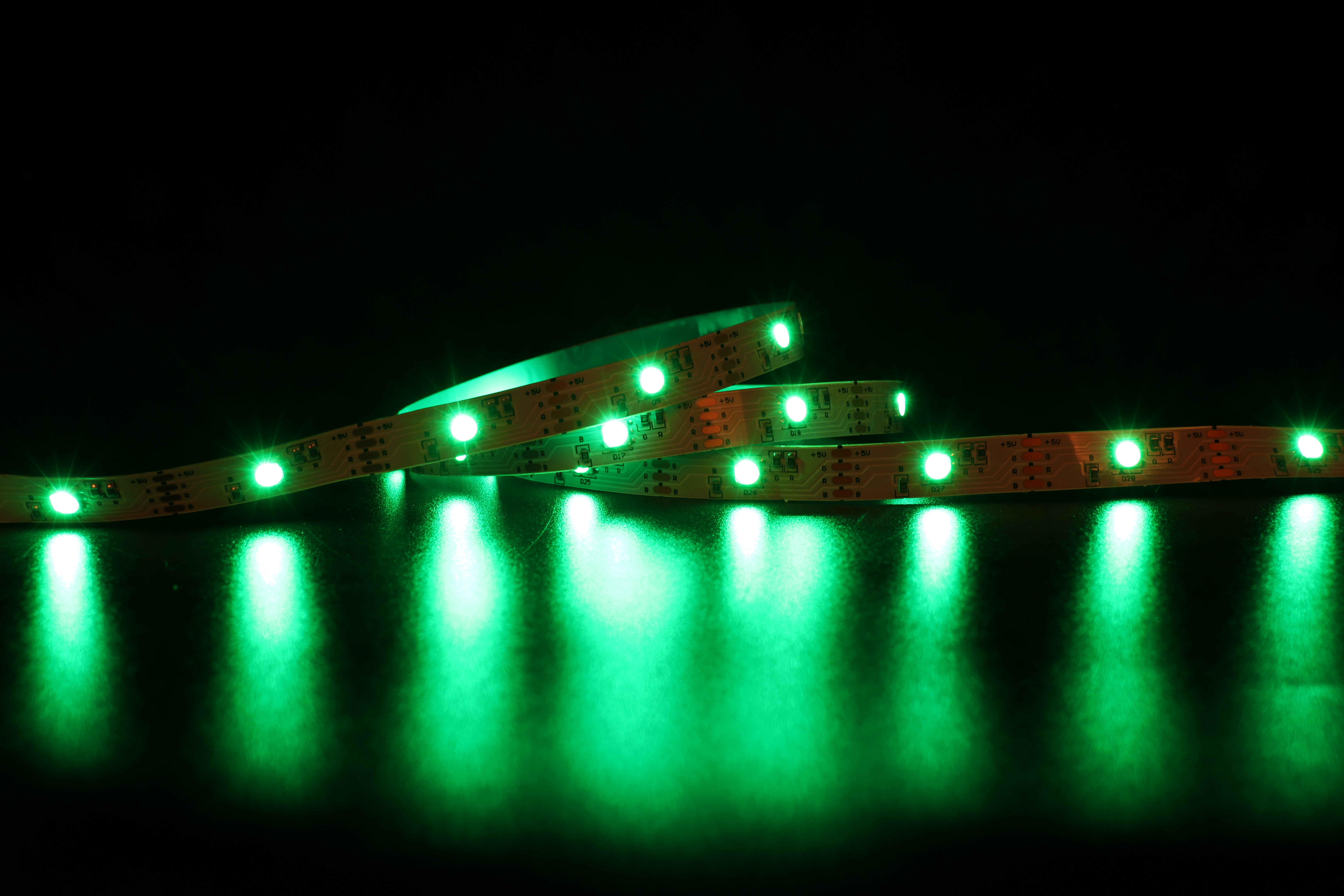
The capability of solid state lighting technology to produce diverse colors stems from how semiconductor junctions emit photons at specific wavelengths. By combining individual LED light emitting diodes of different base colors and controlling their brightness independently, lighting designers achieve virtually any color imaginable. This fundamental principle underpins modern RGB systems, tunable white technologies, and specialized wavelength solutions used across industries today.
The Color Production Mechanism in Semiconductor Lighting Systems
How LED Light Emitting Diodes Generate Specific Colors
Each LED light emitting diode produces light at a specific wavelength determined by the semiconductor material and its bandgap energy. Red diodes typically emit wavelengths around 620–630 nanometers, green around 500–530 nanometers, and blue around 450–470 nanometers. Solid state lighting technology uses these primary colors as building blocks. When the three are combined in varying proportions, they create the full visible spectrum through additive color mixing, allowing diode LED lighting to produce millions of distinct colors.
The Role of Phosphors in Color Expansion
Beyond the basic RGB approach, semiconductor lighting systems employ phosphor coatings to convert primary wavelengths into secondary colors. A blue LED light emitting diode coated with yellow phosphor produces white light through wavelength conversion. This phosphor technology expands the color palette significantly and is why solid state lighting technology can deliver warm whites, cool whites, and transitional color temperatures. The efficiency and precision of phosphor conversion directly determine the color rendering quality in professional and consumer applications.
Color Varieties Achievable with Modern Diode LED Lighting Systems
RGB and Full-Spectrum Color Output
Red, green, and blue LED light emitting diodes form the foundation of programmable color systems. By adjusting the intensity of each diode independently, solid state lighting technology can produce over 16 million color combinations in an RGB setup. This means diode LED lighting can generate vivid reds, deep blues, bright greens, warm ambers, cool magentas, and subtle pastels. Professional lighting installations use dedicated RGB controllers to achieve precise color blending, making semiconductor lighting systems ideal for entertainment, retail, and accent lighting applications.
White Light Variants and Tunable Color Temperature
Modern diode LED lighting goes beyond simple on-off functionality to deliver adjustable white light. Tunable white LED light emitting diodes shift between 2700K warm white and 6500K cool white, mimicking daylight transitions or creating ambient atmospheres. Solid state lighting technology enables this through multiple diodes or advanced phosphor systems. This flexibility makes semiconductor lighting systems invaluable in hospitality, healthcare, and residential settings where color temperature affects mood and productivity. The precision of diode LED lighting allows facilities to match circadian rhythms or brand color requirements seamlessly.
Advanced Color Capabilities and Industrial Applications
Specialized Wavelengths Beyond Visible Spectrum
Semiconductor lighting systems extend beyond visible colors into ultraviolet and infrared wavelengths. UV LED light emitting diodes serve disinfection, forensics, and horticulture, while IR variants support surveillance and thermal imaging. Solid state lighting technology enables precise wavelength targeting that broadens applications significantly. This specialized capability demonstrates why diode LED lighting is essential in scientific, medical, and security sectors. The wavelength precision inherent to LED light emitting diodes creates opportunities that traditional lighting cannot replicate.
RGBW and Extended Color Systems
Adding white and amber diodes to traditional RGB creates RGBW and RGBA systems, expanding the color gamut available through solid state lighting technology. Diode LED lighting with four or more distinct emitters produces richer color saturation and more natural whites than RGB alone. Semiconductor lighting systems using these extended palettes deliver superior color rendering in high-end architectural and entertainment applications. The versatility of LED light emitting diodes means designers can customize systems precisely to match project requirements.
FAQ
Can diode LED lighting produce colors not visible in the rainbow?
Yes, solid state lighting technology can produce colors like magenta, which do not exist in the natural rainbow. These colors result from combining specific wavelengths of LED light emitting diodes in ways that create perceptions not found in pure spectrum light. Semiconductor lighting systems achieve this through RGB mixing, allowing diode LED lighting to reach anywhere in the visible color space.
What determines the color accuracy of solid state lighting technology?
Color accuracy depends on the semiconductor material quality, phosphor coating consistency, and control electronics precision in LED light emitting diodes. Diode LED lighting systems with high Color Rendering Index ratings reproduce colors more faithfully. Solid state lighting technology manufacturers specify these metrics, helping buyers select systems that meet color fidelity requirements for photography, design, or medical applications.
Are there limitations to colors semiconductor lighting systems can produce?
While diode LED lighting covers the full visible spectrum, individual LED light emitting diodes have efficiency variations across wavelengths. Generating saturated yellows or magentas typically requires blending multiple diodes, which demands sophisticated control. Solid state lighting technology improves continuously, and high-end systems overcome these limitations, though cost increases with color precision requirements.
 EN