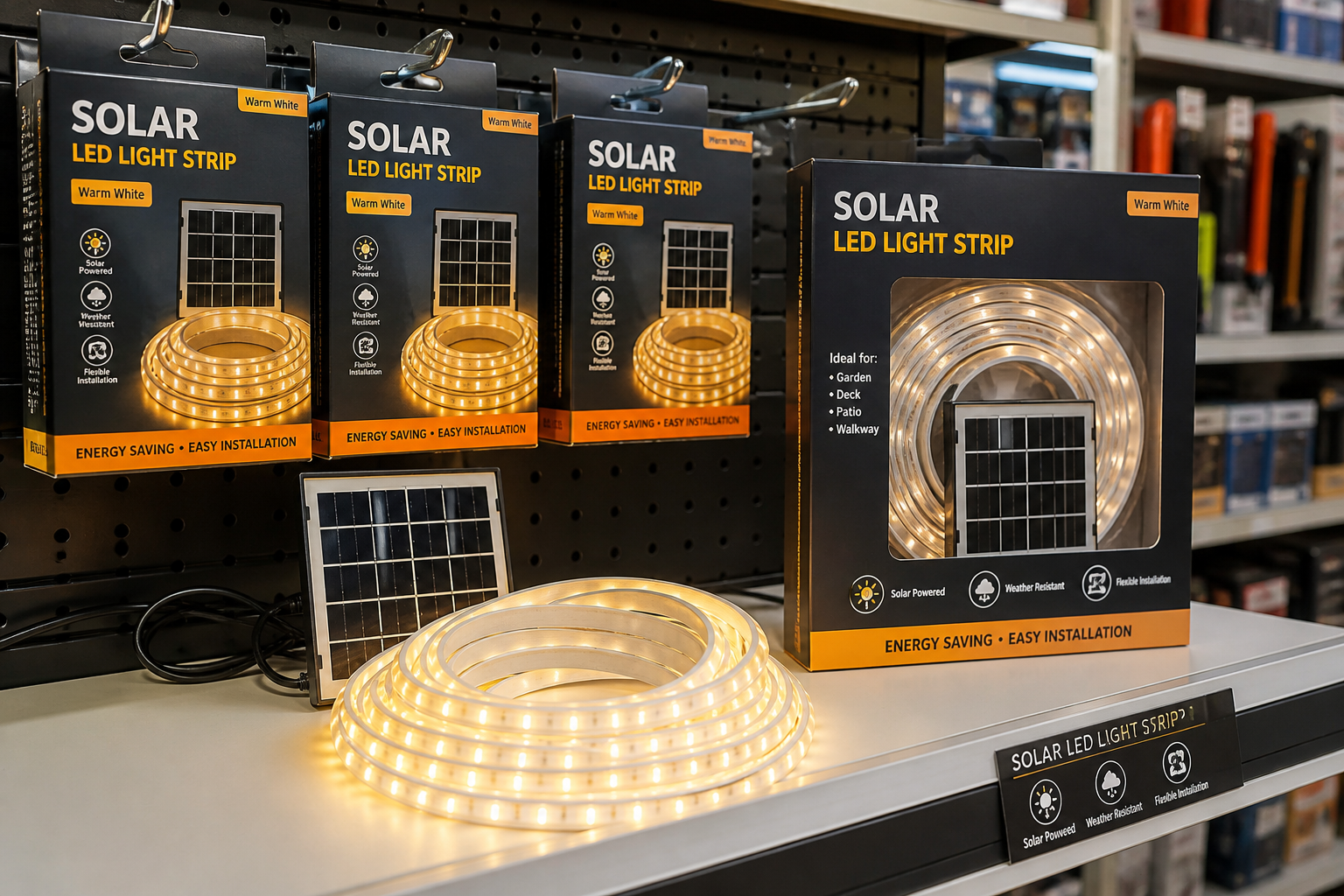
Solar powered LED systems have become increasingly popular for outdoor applications, transforming how we approach sustainable illumination. Understanding what factors affect solar powered LED performance is essential for making informed decisions about your lighting solutions.
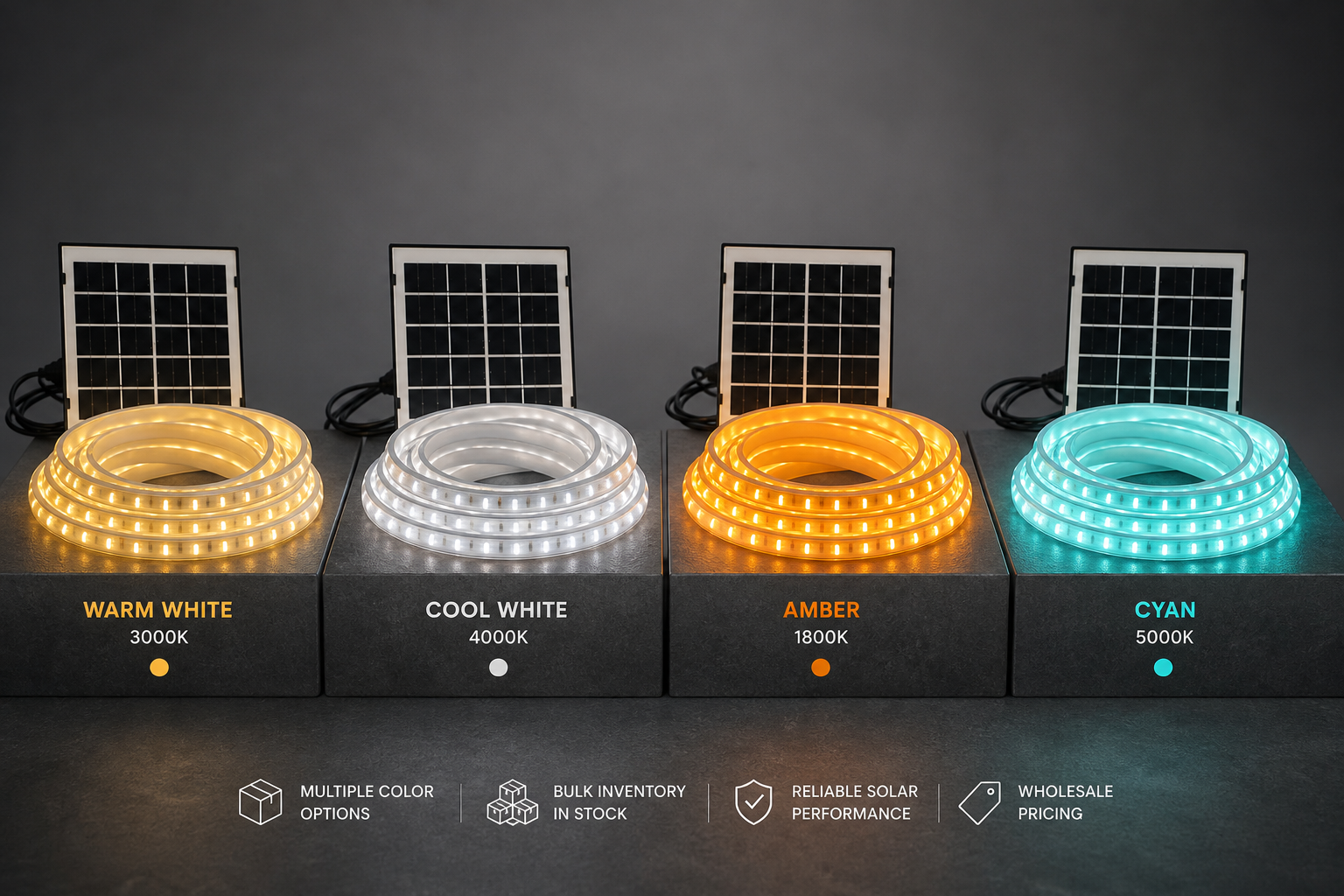
The performance of outdoor solar lighting depends on multiple interconnected components working together seamlessly. From photovoltaic panel efficiency to battery storage capacity, from LED light intensity to environmental conditions, each factor plays a critical role in determining how well your system functions throughout the year. By exploring these factors comprehensively, you will gain the knowledge needed to optimize your portable solar lamps and ensure consistent, reliable performance in any outdoor setting.
Solar Panel Efficiency and Sunlight Availability
Photovoltaic Panel Quality and Conversion Rate
The solar panel is the foundation of any solar powered LED system, as it captures sunlight and converts it into electrical energy. Panel efficiency, typically measured as a percentage, indicates how much of the sun's energy the panel converts into usable electricity. Higher efficiency panels generate more power in the same amount of sunlight, which directly impacts how much energy is stored for nighttime use. The quality of materials used in panel construction, the cell technology employed, and the manufacturing precision all influence this conversion rate.
Different solar LED lights utilize different panel types, including monocrystalline, polycrystalline, and thin-film technologies. Monocrystalline panels generally offer superior efficiency, ranging from 15 to 22 percent, making them ideal for applications where space is limited or maximum energy generation is critical. Polycrystalline panels provide a more cost-effective option with efficiency levels between 13 and 16 percent. The choice of panel technology directly affects outdoor solar lighting performance and the initial investment required for your system.
Geographic Location and Seasonal Sunlight Variations
The amount of sunlight your portable solar lamps receive varies dramatically based on geographic location, season, and time of day. Regions closer to the equator enjoy more consistent sunlight throughout the year, while higher latitudes experience significant seasonal variations. During winter months in northern climates, daylight hours decrease substantially, reducing the energy available for charging during each 24-hour cycle. This seasonal variation is a critical factor affecting solar powered LED brightness and runtime during darker months.
Battery Storage Capacity and Energy Management
Battery Type and Charge Retention
The battery stores energy collected by the solar panel during daylight hours and supplies power to the LED throughout the night. Battery capacity, measured in milliamp-hours or watt-hours, determines how long your portable solar lamps can operate without sunlight. Lithium-ion batteries have become the industry standard for solar powered LED systems due to their superior performance, longer lifespan, and better energy density compared to older nickel-cadmium or lead-acid alternatives. The charging and discharging efficiency of the battery directly impacts overall system performance and reliability.
Battery degradation is a natural process that affects all energy storage systems over time. Temperature extremes, frequent charge cycles, and manufacturing quality all influence how quickly battery performance declines.
Energy Storage Duration and Runtime Requirements
The relationship between battery capacity and LED power consumption determines how long your outdoor solar lighting operates each night. A system with insufficient battery capacity may provide only a few hours of illumination, while a well-sized battery delivers consistent performance throughout the night. Runtime requirements vary based on application; security lighting may need eight to twelve hours of operation, while decorative solar LED lights might function for shorter periods. Accurately calculating your runtime needs prevents selecting equipment that underperforms or wastes money on excessive capacity.
Temperature significantly affects battery performance and storage capacity. Cold temperatures reduce battery efficiency and available power, sometimes cutting operational time by 20 to 30 percent in harsh winter conditions. Conversely, excessive heat can accelerate battery degradation and reduce overall lifespan.
LED Light Intensity and System Efficiency
LED Brightness Output and Power Consumption
The LED itself determines the light intensity, color quality, and power efficiency of your solar powered LED system. Modern LEDs consume significantly less power than traditional lighting technologies while producing superior brightness. Measured in lumens, light output intensity affects how effectively your outdoor solar lighting illuminates the intended area. Higher lumen output requires more power consumption, which impacts battery runtime and system sizing requirements. Understanding this trade-off between brightness and energy consumption is fundamental to selecting appropriate solar LED lights.
LED color temperature and color rendering index also influence perceived brightness and aesthetic appeal. Warm white LEDs (2700 to 3000 Kelvin) create inviting atmospheres ideal for residential spaces, while cool white or daylight LEDs (5000 to 6500 Kelvin) provide practical illumination for security and task applications. The spectral quality of portable solar lamps affects both functionality and user satisfaction. Selecting the appropriate color temperature for your specific use case.
System Efficiency and Component Integration
Overall system efficiency depends on how well all components work together, including the solar panel, charging controller, battery, and LED. Charge controller quality significantly impacts how effectively energy transfers from the solar powered LED panel to the battery.
The wiring quality, junction box design, and internal component matching all contribute to total system efficiency. Professional-grade solar LED lights incorporate high-efficiency components throughout the entire energy conversion chain, from solar collection through LED illumination. Consumer-grade systems may sacrifice efficiency for lower cost, resulting in shorter runtime, reduced brightness, or faster component degradation. Investing in well-integrated, premium outdoor solar lighting systems ensures better long-term value and consistent performance across seasons and weather conditions.
Environmental Factors and Installation Conditions
Weather Resistance and Material Durability
Environmental exposure directly affects the longevity and reliability of solar powered led systems operating outdoors year-round. Rain, snow, ice, UV radiation, salt spray, and temperature fluctuations all pose challenges to system integrity and performance. Quality portable solar lamps feature robust enclosures with high IP ratings—IP65 or higher—that provide comprehensive protection against water ingress and dust contamination. Materials selection is critical; corrosion-resistant metals, UV-stable plastics, and sealed electronic components ensure your outdoor solar lighting withstands harsh environmental conditions.
Moisture ingress represents one of the primary failure modes in solar LED lights exposed to high-humidity environments or frequent precipitation. Sealed junction boxes, waterproof connectors, and protective gaskets prevent water from compromising electrical components and battery integrity. Selecting environmentally appropriate portable solar lamps ensures multi-year reliable operation regardless of local weather patterns.
Installation Location and Shade Considerations
Panel placement profoundly affects how much solar energy your system collects throughout the day. Even partial shade from trees, buildings, or other obstructions significantly reduces solar LED lights performance and battery charging rates. Assessing your installation location's sun exposure pattern throughout the year ensures you select an appropriate system and position panels to maximize performance.
Installation angle and orientation also influence solar energy capture efficiency. In Northern Hemisphere locations, south-facing panels at angles approximating your latitude provide optimal annual energy generation. Adjustable mounting systems on quality portable solar lamps allow fine-tuning of panel orientation to match your specific geographic location and seasonal sun path variations. Taking time to plan installation location carefully maximizes your investment in outdoor solar lighting technology.
FAQ
What is the typical lifespan of a solar powered LED system?
Well-manufactured solar powered LED systems typically last 5 to 10 years or longer when properly maintained. The LED component itself can function for 25,000 to 50,000 hours, while the battery represents the primary limiting factor, generally lasting 3 to 5 years depending on usage intensity and environmental conditions. Quality solar LED lights with premium batteries and robust construction can exceed these averages significantly. Regular maintenance, appropriate storage during off-seasons, and proper installation practices all extend system longevity and performance throughout your portable solar lamps' operational life.
How does temperature affect solar LED lights performance?
Temperature impacts multiple aspects of outdoor solar lighting performance. Cold weather reduces battery efficiency and available capacity, sometimes decreasing runtime by 20 to 30 percent in freezing conditions. Conversely, excessive heat accelerates battery degradation and reduces overall lifespan. Solar panels are also temperature-sensitive; their efficiency decreases by approximately 0.5 percent for each degree Celsius above 25 degrees. Selecting portable solar lamps designed for your climate zone ensures optimal performance across the full range of seasonal temperatures your system will experience throughout the year.
Can solar LED lights work on cloudy days?
Yes, solar LED lights continue charging on cloudy days, though at significantly reduced rates compared to clear sunny conditions. Cloud cover typically reduces available solar energy by 50 to 80 percent, depending on cloud density and thickness. This means outdoor solar lighting still charges and operates, but with shorter runtime or reduced brightness compared to sunny-day performance. Systems with larger battery capacity and efficient solar panels handle cloudy climates better. Planning your solar powered LED selection based on your region's typical weather patterns ensures realistic expectations and reliable performance year-round regardless of seasonal cloud cover variations.
 EN