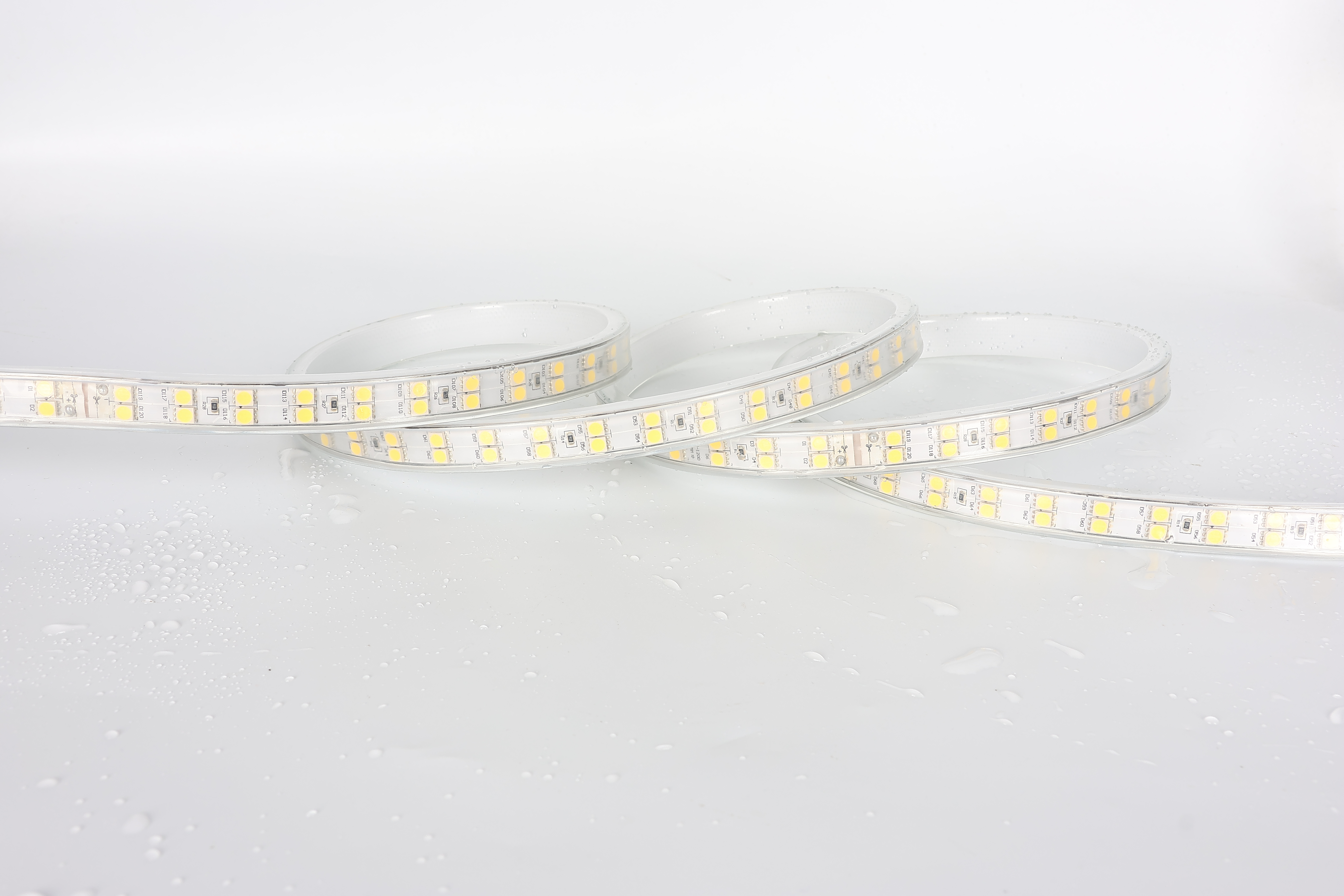
Choosing the right ip rating for outdoor equipment is one of the most critical decisions you'll make when protecting your investments from environmental damage. Whether you're installing lighting, sensors, or control systems in outdoor spaces, understanding ingress protection classification standards ensures your equipment survives moisture, dust, and temperature extremes. The wrong rating leads to premature failure, costly replacements, and operational downtime. The right rating gives you years of reliable performance and peace of mind.
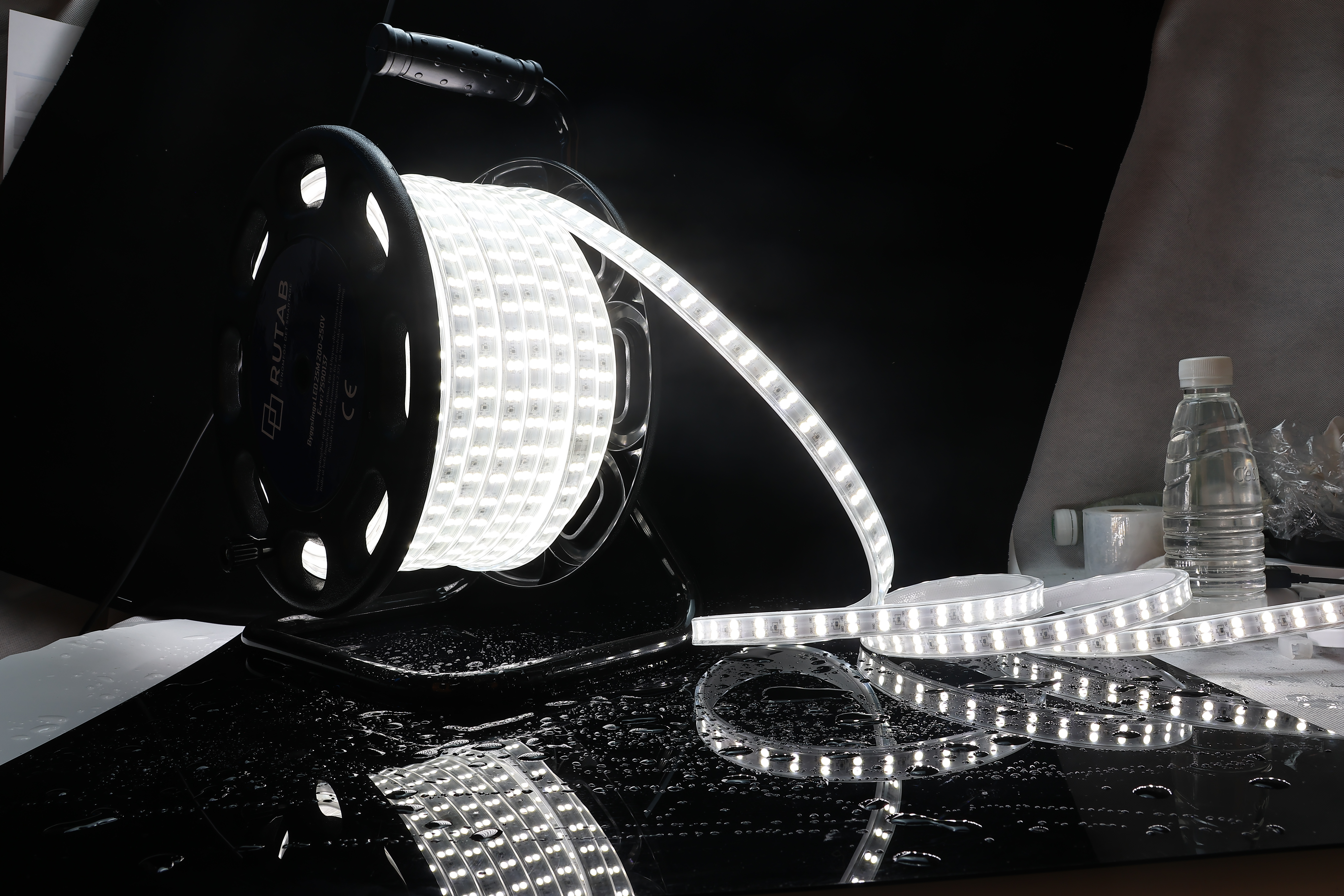
The IP code standards system was developed internationally to provide a consistent way of rating electrical enclosures and equipment against environmental hazards. Every outdoor installation faces unique challenges based on its location, climate, and usage patterns. Understanding waterproof dustproof ratings helps you match equipment protection levels to actual site conditions rather than over-specifying or under-protecting your investment.
Understanding Ingress Protection Classification Basics
What the IP Code Standards Designate
The ingress protection classification system uses a two-digit code format where the first digit addresses solid particle protection and the second digit addresses liquid ingress. Each digit ranges from 0 to 9, with higher numbers indicating greater protection levels. For outdoor applications, understanding these ratings prevents equipment failure and ensures compliance with installation standards. The IP code standards provide manufacturers and engineers a universal language for discussing equipment resilience.
The first digit of an IP code standards rating addresses dust and solid particle intrusion. A rating of 0 means no protection, while 6 represents complete dust-tight protection. Most outdoor equipment requires at least a 5 rating for solid particle protection to prevent dust accumulation in ventilation openings. The waterproof dustproof ratings for the solid particle scale directly impact maintenance frequency and equipment lifespan in sandy, dusty, or coastal environments.
Liquid Protection and Moisture Resistance
The second digit of an ingress protection classification addresses water and liquid resistance. This digit determines whether your equipment survives splashing rain, direct water jets, or partial submersion. For outdoor installations exposed to weather, ratings from 4 to 8 provide practical protection depending on your specific environment. Waterproof dustproof ratings at these levels protect against rain, irrigation spray, and washdown procedures common in industrial outdoor settings.
An IP rating of 4 handles water splashing from any direction but not high-pressure jets. IP 5 adds protection against low-pressure water jets from any direction, making it suitable for most rooftop and wall-mounted installations. IP 6 protects against high-pressure jets from any angle, ideal for harsh industrial environments. Understanding these distinctions between IP code standards levels helps you select equipment appropriate for your specific climate and exposure conditions.
Matching IP Rating Requirements to Your Outdoor Environment
Residential and Light Commercial Applications
Most residential outdoor installations benefit from an IP rating between 54 and 65. Lighting fixtures, outdoor outlets, and garden equipment typically operate in environments with moderate rain exposure and occasional dust. An IP rating of 54 provides solid particle protection against dust and liquid protection against water splashing from any direction. For locations near trees or in dusty climates, an IP rating of 65 offers waterproof dustproof ratings that handle washdown and rain with consistent performance.
The ingress protection classification standard recognizes that residential outdoor settings rarely experience pressurized water jets or prolonged submersion. Your patio lighting, doorbell cameras, and outdoor speakers can operate effectively at lower IP ratings than industrial equipment. However, coastal environments or areas with frequent hail benefit from higher waterproof dustproof ratings due to weather intensity. Matching IP code standards ratings to your actual environment prevents unnecessary over-specification while ensuring adequate protection.
Industrial and High-Exposure Outdoor Settings
Heavy industrial outdoor installations, such as manufacturing sites, utility substations, and port facilities, typically require an IP rating of 65 or higher. These environments expose equipment to dust storms, direct rainfall, washing procedures, and sometimes saltwater spray. An IP rating of 66 adds protection against temporary submersion in water, while an IP rating of 67 protects during periods of submersion up to 1 meter for 30 minutes. The ingress protection classification system ensures equipment survives these extreme conditions.
For marine applications and coastal installations, waterproof dustproof ratings must address saltwater corrosion and salt spray penetration. An IP rating of 68 represents the highest standard for complete protection against continuous submersion. Understanding IP code standards at this level ensures your control systems, sensors, and lighting survive harsh industrial climates. Equipment rated below 65 in these settings typically fails within months, creating safety hazards and operational disruptions.
Practical Guidance for Selecting Appropriate Ratings
Regional Climate and Weather Patterns
Your geographic location directly influences which IP rating provides adequate protection. Areas with frequent rain, snow, or hail require higher waterproof dustproof ratings than dry climates. Coastal regions and areas prone to storms demand ingress protection classification ratings that exceed minimum standards because salt spray and wind-driven rain increase moisture penetration risk. Desert environments with blowing dust and sand benefit from higher solid particle protection ratings even if liquid exposure remains limited.
Equipment installed in areas with seasonal weather changes must accommodate the most severe conditions expected throughout the year. An IP rating appropriate for spring sunshine becomes inadequate during winter storms or summer monsoons. When specifying IP code standards ratings for outdoor equipment, research your location's historical weather data and consult local installation guidelines. This ensures your equipment continues operating reliably during peak environmental stress periods.
Equipment Type and Installation Configuration
Different outdoor equipment types require different minimum IP rating thresholds. Wall-mounted fixtures under eaves benefit from lower ratings than roof-mounted or ground-level equipment. LED strip lights, solar panels, and outdoor wiring all have distinct ingress protection classification requirements based on their installation angle and exposure direction. Horizontal mounting surfaces accumulate standing water more readily than vertical installations, demanding higher waterproof dustproof ratings.
For equipment with electrical connections exposed to outdoor elements, the IP rating becomes critical for safety and longevity. Outdoor outlets and junction boxes typically require IP ratings of 54 or higher to prevent electrical hazards from moisture intrusion. Power supply units and control modules benefit from additional protection through weatherproof enclosures that exceed base IP code standards ratings. Consulting equipment datasheets and installation manuals ensures you understand each component's specific protection requirements.
FAQ
What does the first digit in an IP rating mean?
The first digit in an IP rating indicates solid particle protection on a scale from 0 to 6, where 0 means no protection and 6 means complete dust-tight protection. For outdoor installations, this rating determines how effectively equipment resists dust, dirt, sand, and debris intrusion. An ingress protection classification first digit of 5 or higher provides practical outdoor dust protection suitable for most exposed environments.
Can outdoor equipment rated IP54 handle frequent rain?
Equipment with an IP rating of 54 handles water splashing from any direction but is not designed for direct high-pressure jets or prolonged wet conditions. In temperate climates with moderate rainfall, IP54 equipment performs adequately for most outdoor applications. However, areas with heavy rain, coastal spray, or washdown procedures require higher waterproof dustproof ratings like IP65 or IP66 to ensure reliable long-term operation.
Why do coastal installations need higher IP ratings?
Coastal environments present unique challenges beyond simple rain exposure, including salt spray, humidity, and wind-driven moisture that penetrate equipment faster than freshwater. The ingress protection classification standards designed for general outdoor use don't specifically address salt corrosion mechanisms. Equipment in coastal areas benefits from IP ratings of 65 or higher and additional corrosion protection measures like stainless steel hardware to combat salt-induced degradation.
 EN