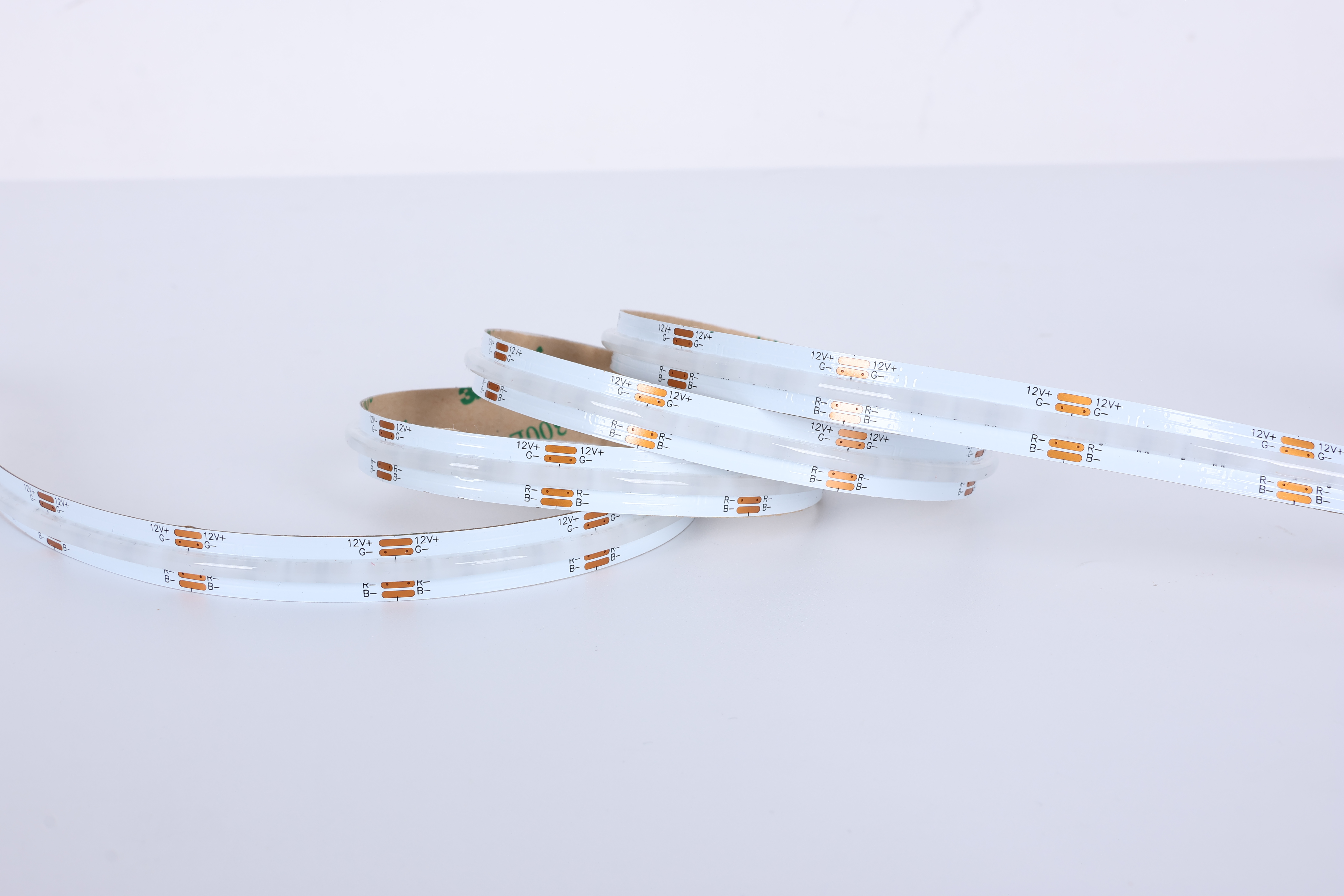
An addressable led strip represents a fundamental shift in how modern lighting systems operate, offering capabilities far beyond traditional LED strips. Unlike conventional strips that illuminate uniformly across their entire length with a single color, addressable systems enable individual LED pixel control, allowing each diode to display its own unique color and intensity independently. This distinction transforms lighting from a simple on-off utility into a sophisticated platform for dynamic visual effects, smart automation, and creative expression. Understanding what sets addressable technology apart helps professionals and enthusiasts make informed decisions about which lighting solution best serves their specific applications.
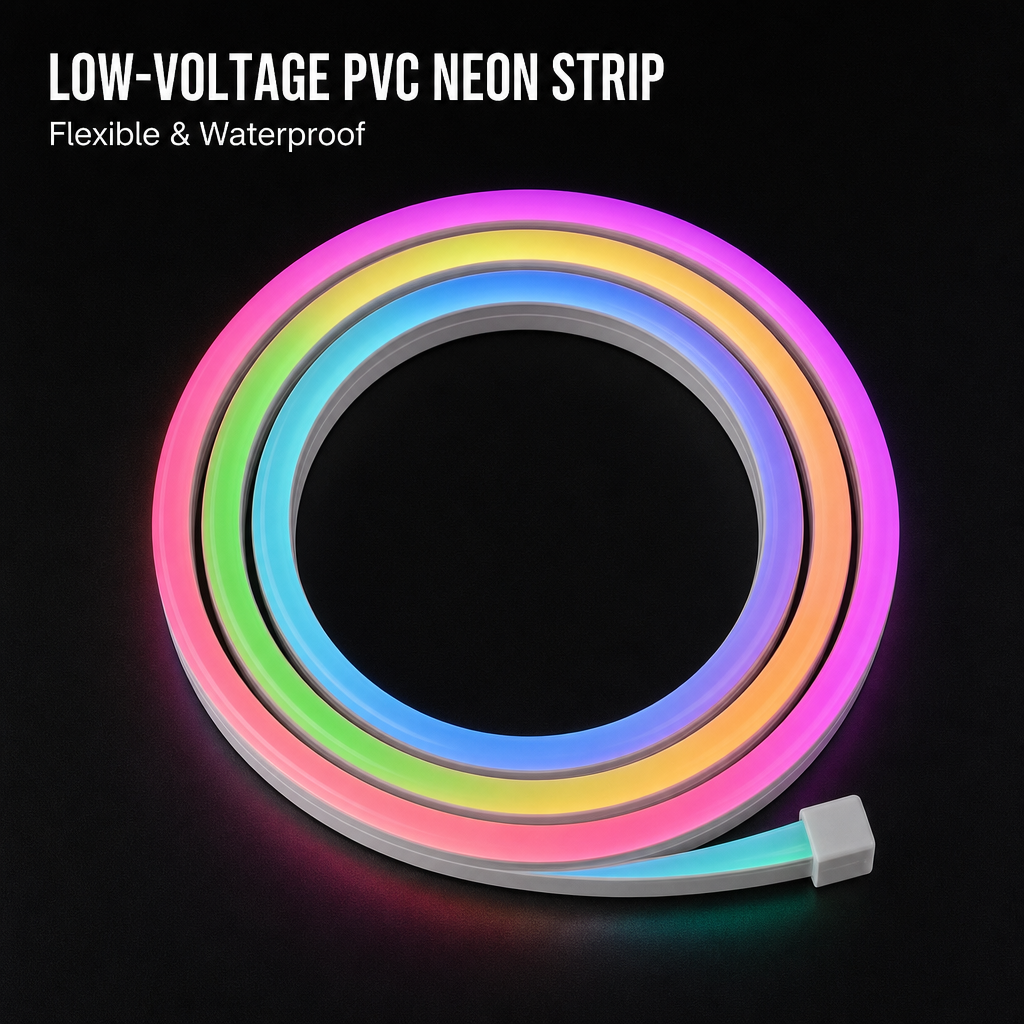
Traditional LED strips operate on a simple principle: power flows through the entire strip, and all LEDs respond uniformly to a single control signal. In contrast, programmable RGB LED strip technology integrates microcontrollers into each individual pixel, creating a daisy-chained communication network where commands reach specific LEDs throughout the strip. This architectural difference enables unprecedented flexibility, allowing designers and system integrators to program custom sequences, respond to sensors, synchronize with audio, and create effects that would be impossible with conventional fixed-color solutions. The implications extend across entertainment venues, architectural installations, retail displays, automotive customization, and smart home environments.
The Core Technology Behind Individual LED Pixel Control
Digital Addressing and Communication Protocol
At the heart of smart addressable lighting lies a sophisticated communication system that distinguishes each pixel from every other element on the strip. When you send a data signal to an addressable led strip, the first LED reads its designated color instructions, then passes the remaining signal down the chain so the next pixel can extract its own commands. This sequential data flow enables individual LED pixel control across strips containing dozens, hundreds, or even thousands of pixels. Common protocols like WS2812B, APA102, and SK6812 standardize this communication, allowing various manufacturers and controllers to work together seamlessly. The intelligence embedded in each addressable pixel makes it fundamentally different from simple parallel-wired conventional strips.
Power Distribution and Signal Integrity
Programmable RGB LED strip installations require careful attention to power distribution, as each pixel draws current independently and intensity levels vary dynamically. Unlike uniform strips where maximum power consumption is predictable, smart addressable lighting demands power supplies sized for peak load scenarios where all pixels operate at maximum brightness simultaneously. Signal integrity becomes equally critical because data corruption in the communication chain can create unexpected color shifts or dead pixels further down the strip. Professional installations incorporate signal repeaters, proper wire gauging, and quality power supplies to maintain reliable individual LED pixel control across longer runs, ensuring consistent performance in demanding applications.
Programmable Capabilities and Creative Applications
Dynamic Effects and Synchronization Options
The versatility of smart addressable lighting emerges through its programmable nature, which enables effects simply impossible with traditional strips. Controllers can execute color chasing patterns, rainbow gradients, reactive audio visualizations, and custom sequences tailored to specific brand identities or event themes. Many programmable RGB LED strip systems support synchronized playback across multiple strips, allowing coordinated displays spanning entire buildings or outdoor areas. Open-source platforms and commercial software provide user-friendly interfaces where non-programmers can create custom effects through visual editors or preset libraries. This flexibility transforms lighting from passive infrastructure into an active design element that adapts to changing requirements without hardware modifications.
Integration with Smart Home and IoT Systems
Modern smart addressable lighting integrates seamlessly with home automation platforms, enabling control through smartphones, voice assistants, and sensor networks. Environmental conditions like occupancy, time of day, or ambient light levels can trigger automatic adjustments, while entertainment systems synchronize lighting with music or video content. The individual LED pixel control capability allows sophisticated scenarios such as gradually transitioning colors throughout the day to support circadian rhythms, or creating immersive gaming environments where lighting responds in real-time to on-screen action. These integration possibilities position addressable systems as essential components in contemporary smart buildings and entertainment installations.
Design and Installation Considerations
Choosing the Right Configuration for Your Requirements
Selecting an appropriate addressable led strip requires evaluating several technical parameters alongside application demands. Pixel density determines the visual resolution of effects, with tightly spaced pixels enabling finer detail but consuming more power and requiring faster controllers. The specific addressable protocol should match your existing infrastructure or control system to avoid compatibility complications. Environmental factors like temperature range, moisture resistance, and UV exposure influence material selection, particularly for outdoor installations. Length limitations for individual strips affect installation architecture, as longer runs may need signal boosters to maintain reliable data transmission across all pixels. Understanding these factors ensures your smart addressable lighting system delivers intended results reliably.
Control Systems and Programming Platforms
The controller hardware and software ecosystem around programmable RGB LED strip technology ranges from simple pre-programmed modules to sophisticated custom development platforms. Entry-level solutions offer preset effect libraries and wireless remotes requiring no programming knowledge, while advanced applications demand microcontroller programming through Arduino, Python, or dedicated lighting control software. The barrier to entry has lowered significantly as open-source communities share code libraries and example projects, making it feasible for hobbyists to implement complex lighting solutions. Professional installers typically develop standardized configurations and effect libraries to streamline deployment across multiple projects, improving efficiency and reducing commissioning time. The abundance of available resources and tools democratizes smart addressable lighting design.
Practical Impact and Real-World Benefits
Enhanced Aesthetics and Visual Impact
Individual LED pixel control delivers visual experiences that leave lasting impressions on audiences, whether in retail environments, entertainment venues, or architectural installations. The ability to display millions of color combinations and execute smooth transitions creates sophisticated ambiance impossible with conventional fixed-color solutions. Dynamic effects adapt to changing circumstances, keeping displays fresh and engaging even in locations viewers visit repeatedly. The reduced power consumption compared to comparable brightness from traditional lighting sources makes addressable systems economically attractive for installations requiring extended operating hours. These aesthetic and operational advantages explain why smart addressable lighting has become standard in contemporary venue design and high-end residential projects.
Cost Efficiency and Long-Term Value
While addressable led strip technology carries higher upfront costs than basic LED strips, the long-term value proposition improves when you consider programmability, adaptability, and reduced physical modifications. Updating lighting effects requires only software changes rather than hardware replacements, eliminating costly installation disruptions when venue concepts or branding requirements evolve. The improved control precision enables lower average power consumption by utilizing brightness and color optimization rather than running all pixels at maximum intensity. The extended lifespan of individual pixels maintained through intelligent current limiting and thermal management further improves total cost of ownership. For applications requiring frequent updates or complex effects, addressable systems deliver superior economic performance compared to traditional alternatives.
FAQ
How does individual LED pixel control compare to conventional dimming systems?
Conventional dimming systems control brightness uniformly across entire strips by reducing overall voltage or using pulse-width modulation on all LEDs simultaneously. Individual LED pixel control in a smart addressable lighting system addresses each diode separately, enabling simultaneous display of different colors and brightness levels across the same strip. This distinction means addressable systems can create complex patterns, gradients, and dynamic effects while conventional dimmers can only brighten or darken everything together. The addressable approach provides vastly more creative flexibility and visual sophistication, making it the preferred choice for demanding applications.
Can I expand programmable RGB LED strip installations to cover larger areas?
Yes, you can extend addressable systems across substantial areas through several strategies. Most protocols allow daisy-chaining multiple strips together, creating longer continuous installations with thousands of individually controlled pixels. For applications requiring hundreds of meters of coverage, multiple strips can be wired to independent controller outputs, enabling seamless coordination while distributing the data load. Signal repeaters and amplifiers maintain data integrity across very long runs, preventing the color corruption or dead pixels that occur when signals degrade. Professional installers regularly deploy addressable systems spanning entire building facades and large event spaces, achieving visually stunning results through careful planning and quality components.
What skills do I need to program a smart addressable lighting system?
Programming complexity ranges from zero for users selecting from preset effect libraries to intermediate coding knowledge for creating custom sequences. Many programmable RGB LED strip controllers include mobile apps with visual effect editors requiring no programming experience, allowing anyone to create professional-looking installations instantly. For more sophisticated effects or integration with external systems, basic microcontroller programming through Arduino or Python environments becomes necessary. The strong open-source community surrounding addressable LED technology provides extensive code examples, tutorials, and reusable libraries that significantly reduce the learning curve. Even beginners can achieve impressive results by adapting existing code for their specific installations.
 EN