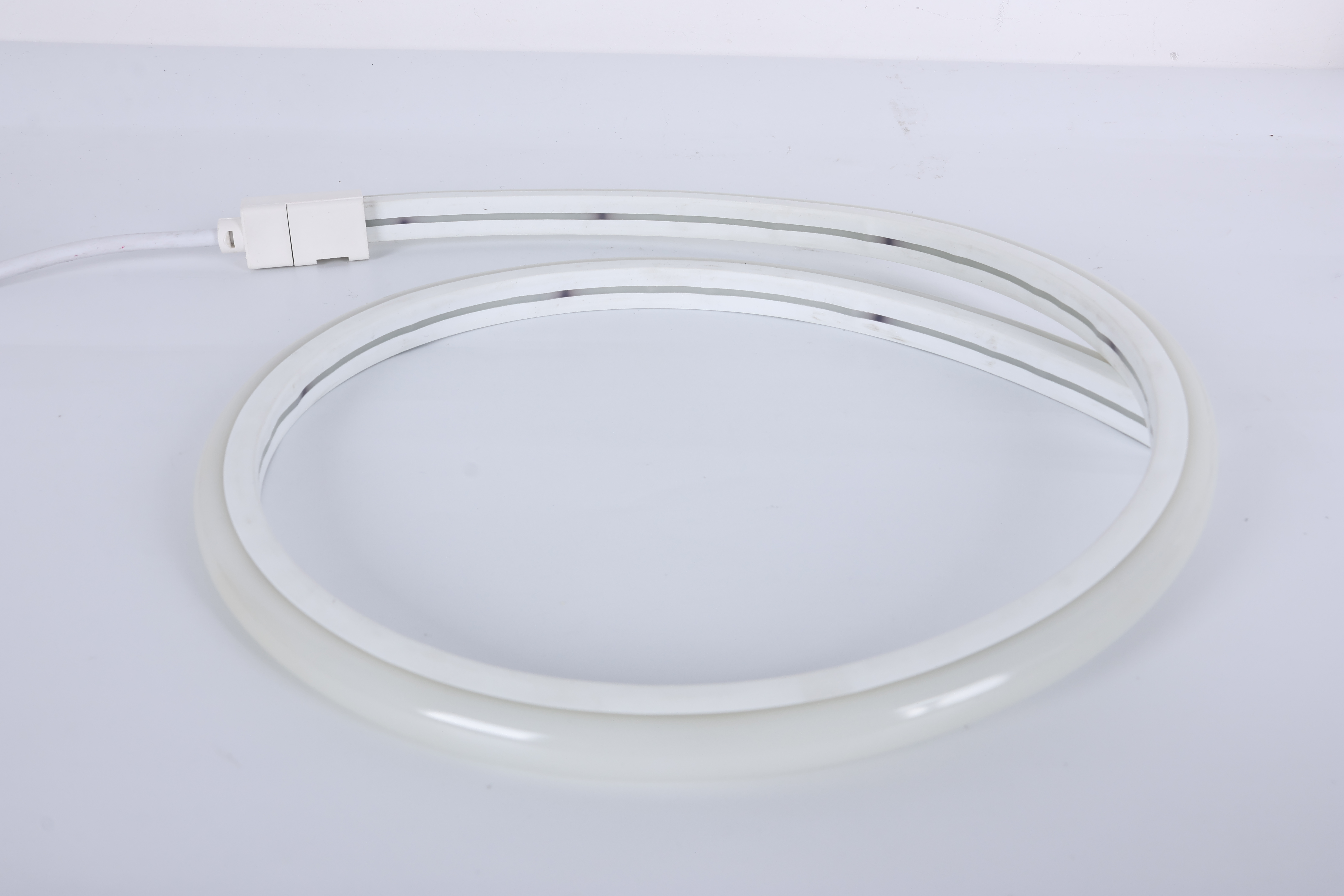
Selecting the correct power supply for your led neon flex installation is fundamental to ensuring reliable, safe, and long-lasting performance. Unlike traditional glass neon tubes that operate on high-voltage AC systems, modern led neon flex uses low-voltage direct current, fundamentally changing how designers and installers approach power distribution. The choice of power supply directly impacts brightness consistency, color accuracy, component lifespan, and overall system reliability across residential, commercial, and architectural applications.
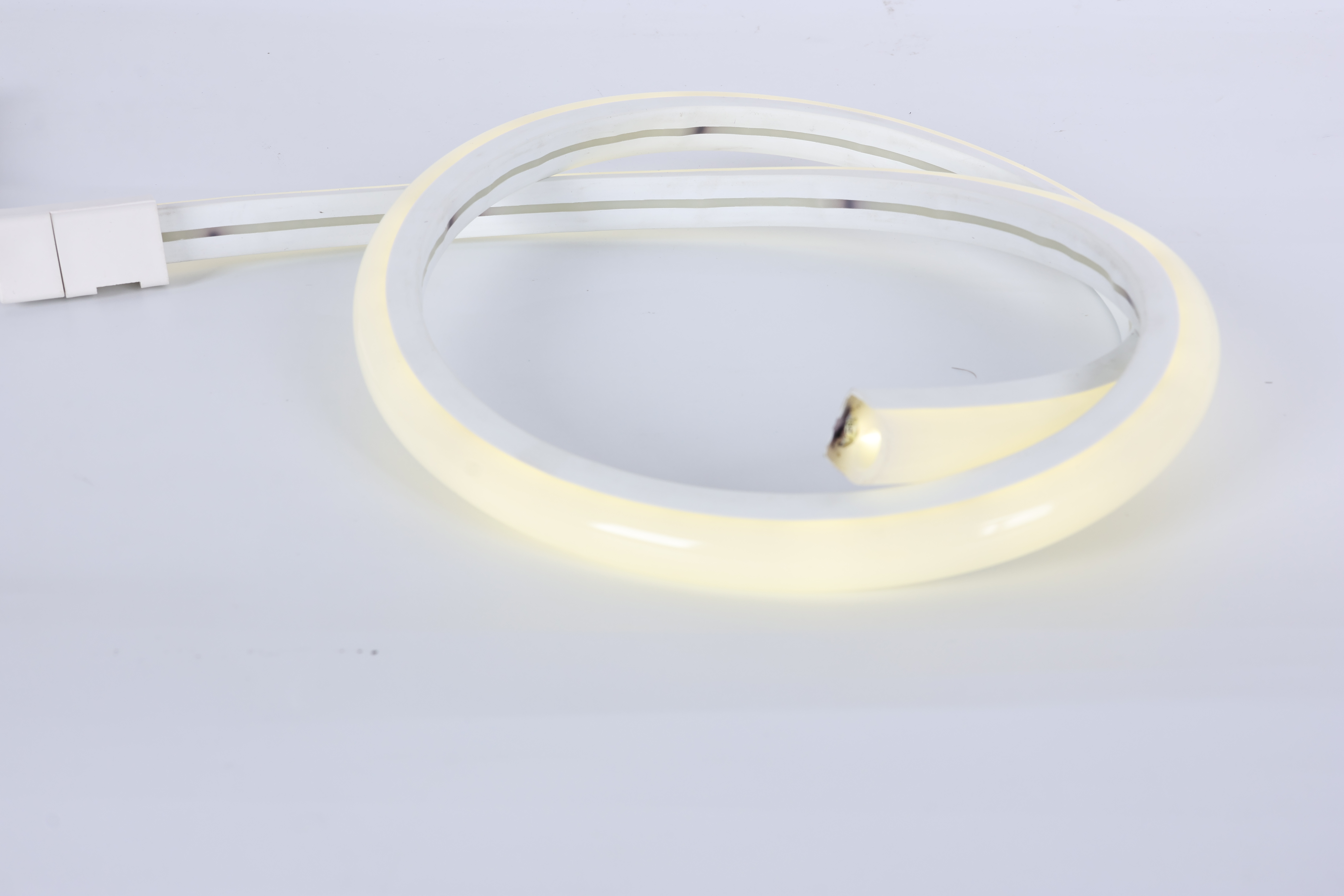
Understanding the precise power requirements for flexible neon lights begins with recognizing that these systems operate on standardized voltage levels, typically 12 volts or 24 volts DC. The specific voltage your neon flex tubing requires depends on the product design, LED configuration, and intended installation environment. Undersizing your power supply creates voltage sag, reduces light output, and accelerates component degradation, while oversizing unnecessarily increases cost and wastes energy. This guide explains the critical power supply specifications you need to select for your neon light strips application.
Understanding LED Neon Flex Power Specifications
Voltage Requirements and System Design
The majority of led neon flex products operate at either 12 volts or 24 volts DC. Twelve-volt systems dominate residential and smaller commercial installations because they are cost-effective and widely compatible with existing power infrastructure. The 24-volt configuration suits longer runs and larger-scale projects where voltage drop becomes a concern over extended cable lengths. When selecting flexible neon lights for a project, verify the operating voltage first—this specification appears on the product label and in technical documentation. Mixing voltage levels without proper conversion equipment will damage the neon light strips and create safety hazards.
Current and Wattage Calculations
Current draw for neon flex tubing varies based on LED density, color, and brightness mode. A typical 12-volt led neon flex consumes between 0.5 to 1.2 amps per meter of tubing. Higher-density installations or multicolor neon flex tubing that runs at full brightness draw closer to the upper range. To calculate total system current, multiply the per-meter current by the total number of meters installed, then add approximately 10–15 percent for control electronics and connectors. Wattage is calculated by multiplying voltage by current: a 10-meter run at 12 volts consuming 10 amps requires a 120-watt minimum power supply. Always select a power supply rated 20–30 percent above calculated requirements to account for aging components and current surge during startup.
Selecting the Right Power Supply for Flexible Neon Lights
Power Supply Type and Features
LED installations require a regulated DC power supply that converts standard AC mains electricity into stable low-voltage DC current. For neon light strips, choose between constant-voltage and constant-current supplies depending on your specific tubing design. Most residential and commercial flexible neon lights use constant-voltage supplies rated for 12 or 24 volts. Industrial-grade supplies include additional protection features such as overvoltage protection, thermal shutdown, and power-factor correction. Waterproof power supplies rated IP67 or higher are essential for outdoor or damp-environment applications, while standard indoor supplies typically carry IP20 protection ratings.
Cable Sizing and Voltage Drop Prevention
Voltage drop occurs when electrical current travels through wire over long distances, gradually reducing the voltage available at the neon flex tubing end. For a 12-volt led neon flex installation, each 2 percent voltage drop becomes visually noticeable as dimming at the far end of the run. Calculate appropriate wire gauge using the total current, run length, and acceptable voltage loss percentage—typically kept below 2 percent for quality installations. A 10-meter run of high-current neon light strips at 12 volts requires 4 mm² cable minimum; longer runs or higher currents need proportionally thicker conductors. Using undersized cable defeats the purpose of proper power supply sizing and creates fire hazards through overheating.
Installation Best Practices and Safety Considerations
Dimmer Compatibility and Control Integration
Modern flexible neon lights often feature dimming capability, allowing brightness adjustment from 0 to 100 percent. Your power supply must support the dimming protocol your neon flex tubing uses, whether that involves PWM (pulse-width modulation) dimming, 0–10 volt analog control, or digital protocols like DMX. LED power supplies designed specifically for neon flex tubing integrate these dimming standards as standard features. Attempting to use generic LED power supplies without dimmer-compatible rating may result in flickering, inconsistent color output, or controller malfunction. Always verify that both the power supply and the neon light strips share compatible dimming specifications before purchase.
Monitoring and Maintenance Guidelines
Once your flexible neon lights are installed and powered, periodic monitoring ensures continued optimal performance. Check power supply output voltage and current periodically using a multimeter to verify the supply remains within rated specifications. Inspect cable connections and terminals for corrosion, loose connections, or physical damage that could increase resistance and reduce voltage delivery. Thermal monitoring of the power supply enclosure prevents overheating; ensure ventilation gaps remain clear of obstruction. If brightness noticeably decreases across your neon flex tubing installation or flickering develops, check cable connections first, then measure voltage at the tubing end—voltage readings below 11.5 volts at 12-volt-rated neon light strips indicate wiring or supply issues requiring immediate correction.
FAQ
Can I use a standard AC power supply for LED neon flex?
No. LED neon flex tubing requires direct current (DC) power specifically. AC power will immediately damage the LED chips and controller electronics. You must use a dedicated DC power supply rated for either 12 or 24 volts depending on your neon flex tubing specification. Using incorrect power types creates immediate safety and product failure risks.
What happens if my power supply is too weak for flexible neon lights?
An undersized power supply causes voltage sag, resulting in dimmer lighting at installation ends, reduced color accuracy, and flickering. Insufficient current stresses the power supply components, shortening lifespan and potentially causing shutdown or damage. The neon light strips will not operate at intended brightness, and you may notice accelerated LED degradation over time.
How do I determine the correct power supply size for my neon flex tubing installation?
Multiply your total meter length of neon flex tubing by its per-meter current draw (typically 0.5–1.2 amps). Multiply total current by your system voltage to calculate wattage. Select a power supply rated 20–30 percent above this calculated wattage to provide safety margin. For example, a 10-meter, 12-volt installation drawing 0.8 amps per meter requires approximately 120 watts minimum; purchase a 150-watt supply.
 EN