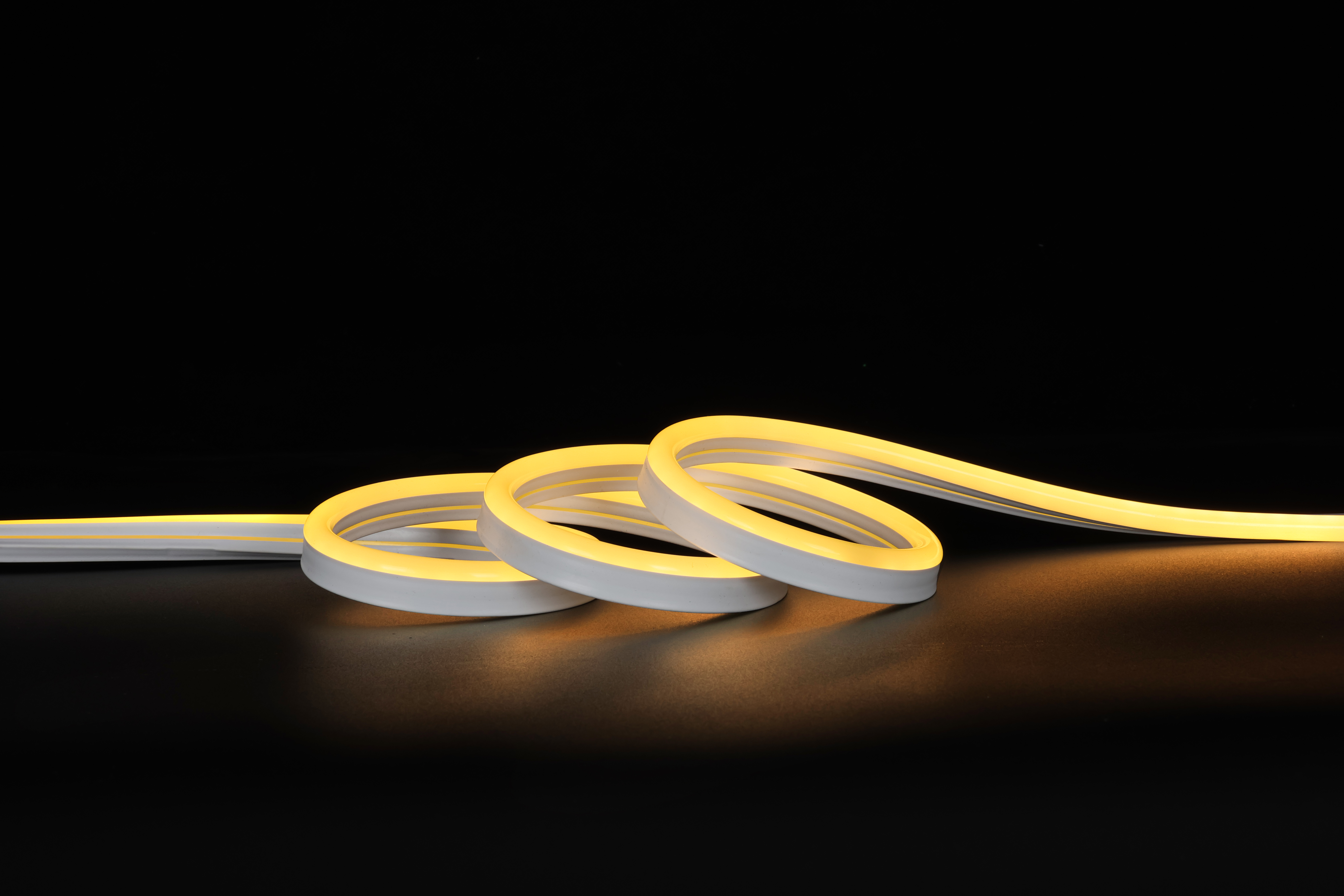
LED neon flex has revolutionized decorative and architectural lighting by offering the classic aesthetic of traditional neon with improved energy efficiency and durability. However, like any electrical lighting system, led neon flex requires careful attention to safety considerations before installation and operation. Understanding these safety factors is essential for installers, designers, and facility managers who work with flexible neon lights in commercial, residential, and industrial environments.
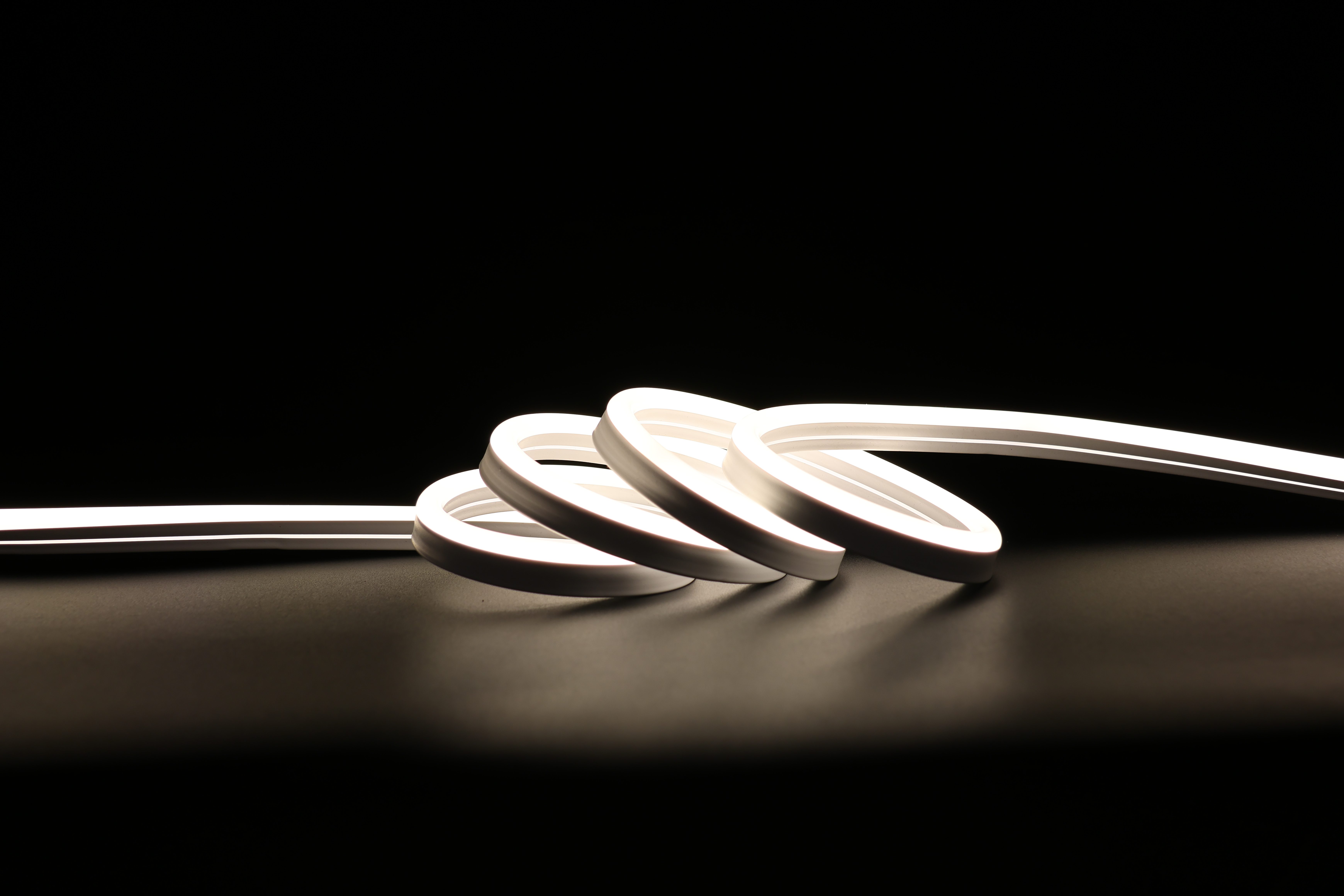
Safety considerations for neon flex tubing span multiple domains, including electrical hazards, thermal management, material compatibility, and installation methodology. Neon light strips demand proper voltage regulation, appropriate power supply selection, correct grounding procedures, and attention to environmental factors such as moisture exposure and temperature extremes. By addressing these considerations systematically, you can ensure reliable operation while minimizing risks to personnel and property.
Electrical Safety and Power Supply Management
Voltage and Current Control
The foundation of electrical safety with neon flex tubing begins with proper voltage and current management. LED neon flex systems typically operate at either 12V or 24V DC, which are inherently safer than traditional high-voltage neon that requires 3,000 to 15,000 volts. However, even low-voltage systems can pose electrical hazards if power supplies are not correctly rated for the total length and amperage draw of your flexible neon lights installation.
Power supply selection is critical. Your power supply must provide sufficient wattage to handle the total LED load without exceeding its rated capacity. Undersized power supplies generate excessive heat, trigger thermal shutdowns, and create potential fire hazards. Conversely, oversized supplies waste energy and may introduce voltage instability. Calculate the total wattage by multiplying the watts per meter of your neon light strips by the total installation length, then select a power supply rated at least 20 percent above this calculated demand.
Grounding and Shock Prevention
Proper grounding is fundamental to preventing electrical shock and equipment damage. All neon flex tubing installations should include grounding conductors and ground fault protection devices in accordance with local electrical codes. Even though neon flex operates at low voltage, moisture ingress into connectors or damaged sections can create conduction pathways that increase shock risk if proper grounding measures are not in place.
Ensure that all power supply units have appropriate grounding connections and that three-prong plugs are never modified or removed. When installing flexible neon lights outdoors or in wet environments, use power supplies with integrated ground fault circuit interrupter (GFCI) protection. Additionally, avoid touching live connections and always disconnect power before servicing neon flex tubing or adjusting connections.
Thermal Management and Fire Prevention
Heat Dissipation and Temperature Control
Although LED technology generates significantly less heat than traditional neon or incandescent lighting, neon flex tubing still produces measurable thermal output that requires management in confined spaces. Improper installation can trap heat around power supplies, connectors, and wiring, potentially damaging components or creating fire hazards. Ensure adequate ventilation around power supplies by maintaining at least 4 to 6 inches of clearance from walls, insulation, and combustible materials.
When installing neon light strips in enclosed fixtures, cove lighting, or behind false ceilings, verify that heat can dissipate naturally through convection or forced air circulation. Avoid bundling multiple neon flex tubes tightly together without airflow gaps between them. High ambient temperatures significantly stress power supplies and LED components, so applications in hot environments like outdoor summer installations or industrial settings with elevated baseline temperatures require additional thermal consideration and potentially enhanced ventilation.
Connector Safety and Component Integrity
Connectors represent critical connection points where heat concentration often occurs due to contact resistance. Loose or corroded connectors generate resistance heating that can melt silicone jackets, damage internal conductors, and ignite surrounding materials. Inspect all connectors before powering on your flexible neon lights installation, ensuring they are fully seated and free from corrosion, debris, or moisture.
Use only manufacturer-approved connectors and never attempt to solder or tape connections as temporary fixes. Professional-grade neon flex tubing systems employ strain-relief connectors that prevent mechanical stress from causing internal wire fractures. When routing neon light strips through walls or conduits, protect the tubing jacket from sharp edges and pinch points that might compress the silicone casing and damage interior wiring, which subsequently increases fire risk.
Environmental Exposure and Installation Integrity
Moisture and Weatherproofing Considerations
LED neon flex installations intended for outdoor or high-moisture environments must utilize IP67 or IP68-rated tubing and connectors to prevent water ingress. Moisture entering the tubing creates electrical conductivity pathways that bypass intended resistance and can trigger short circuits. Even small amounts of condensation within connectors can accumulate over time, degrading electrical integrity and increasing shock and fire risks.
When installing flexible neon lights outdoors, always orient connectors downward to promote water drainage and prevent pooling. Use weatherproof junction boxes and silicone-sealed conduit entries where neon flex tubing passes through walls or structures. In applications where standing water might collect near installations, such as exterior architectural lighting near rooflines or water features, consider additional protective measures like elevated mounting or drip loops that direct moisture away from electrical connection points.
Physical Damage Prevention and Mechanical Stress
The flexibility of neon flex tubing offers installation advantages but also creates vulnerability to mechanical damage if not properly managed. Excessive bending beyond the rated minimum bend radius can fracture internal wiring without visible exterior damage, creating internal arcs that may ignite the silicone jacket. Always consult manufacturer specifications for minimum bend radius and never exceed recommended angles when routing neon light strips around corners or through tight spaces.
Protect exposed runs of flexible neon lights with conduit, cable covers, or mounting channels where foot traffic, vehicle movement, or equipment operation might occur. In commercial and industrial settings, consider cage protection around accessible sections. Additionally, route power supply cords away from high-traffic areas and secure them with appropriate cable management solutions to prevent tripping hazards and accidental damage to both the neon flex tubing and power supply units.
FAQ
Can LED neon flex be safely installed in wet environments?
Yes, but only if you use IP67 or IP68-rated neon flex tubing and connectors specifically designed for moisture exposure. Ensure all connections are properly sealed, orient connectors downward to prevent water pooling, and verify that your power supply includes weatherproofing and GFCI protection. Regular inspection for corrosion or moisture accumulation is essential for maintaining safety in wet applications.
What is the safe maximum length for a single neon flex run?
The maximum safe length depends on your power supply wattage and the wattage per meter of your specific neon light strips. Generally, calculate total wattage demand and ensure your power supply is rated at least 20 percent above this requirement. Most installers stay within 5 to 10 meters per power supply circuit to minimize voltage drop and heat concentration, though manufacturer specifications should always be consulted for your specific products.
How often should neon flex installations be inspected for safety issues?
Inspect flexible neon lights installations at least quarterly in normal conditions and monthly in outdoor or high-moisture environments. Check for corrosion, loose connectors, visible damage to tubing jackets, and any signs of thermal stress around power supplies or connection points. Annual professional inspections are recommended for critical applications, especially in commercial or industrial settings where safety compliance is essential.
 EN