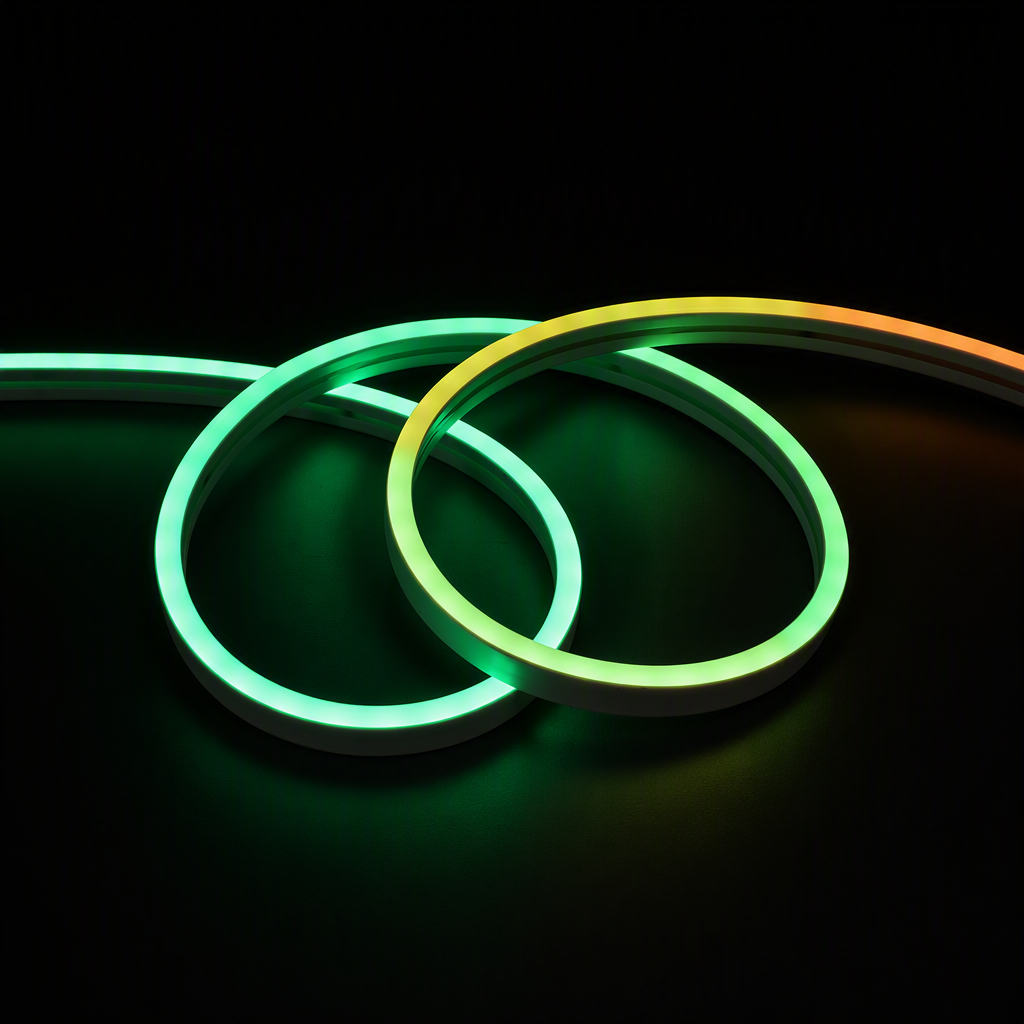
LED neon flex has revolutionized how businesses and designers approach accent lighting, signage, and decorative illumination. Unlike traditional glass neon, which requires specialized installation, fragile handling, and substantial power consumption, modern led neon flex combines durability, energy efficiency, and design flexibility that make it suitable for countless professional and creative applications.
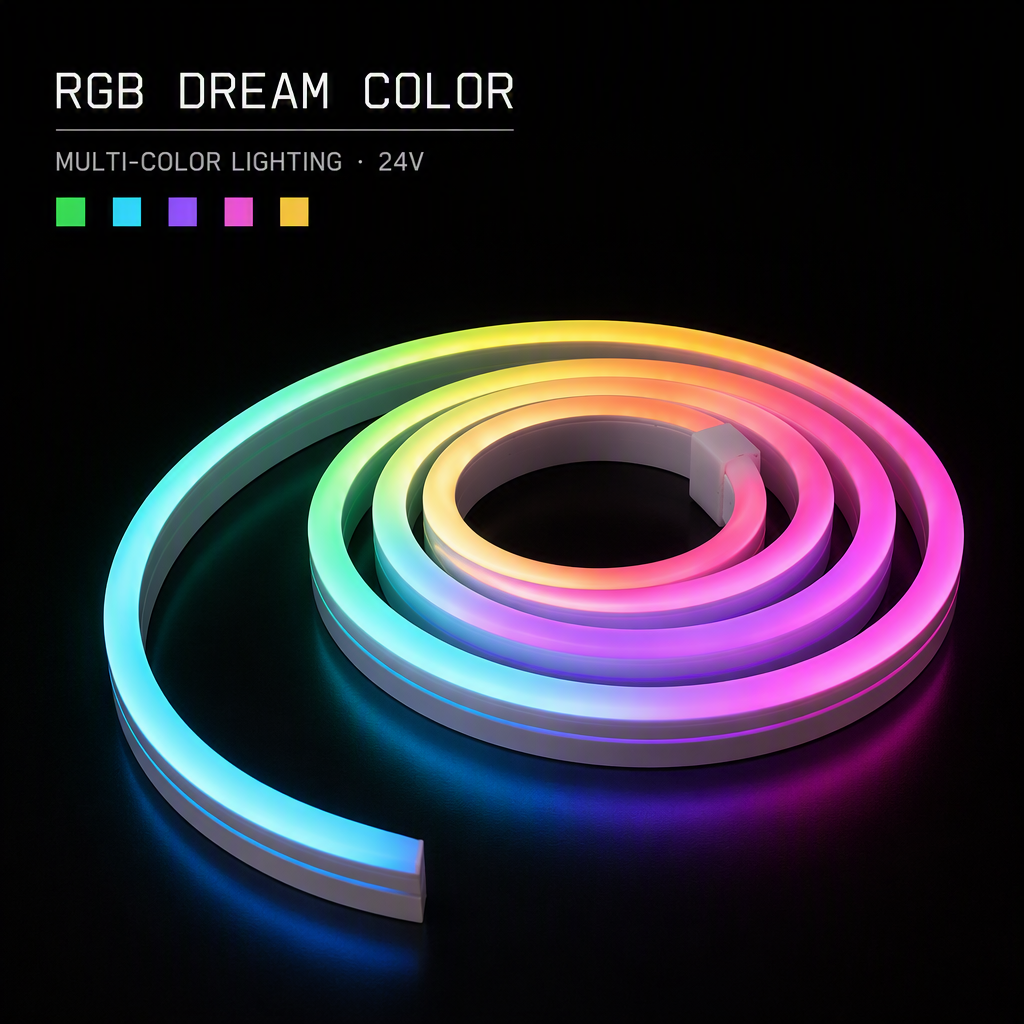
Understanding which applications work best with flexible neon lights requires recognizing the unique advantages that neon flex tubing offers compared to traditional lighting. Whether you're planning a retail environment, hospitality space, architectural accent, or entertainment venue, knowing the optimal use cases helps ensure you select the right solution and achieve the maximum return on your lighting investment.
Retail and Commercial Signage Applications
Interior Store Displays and Branding
Retail environments benefit significantly from flexible neon lights because the tubing can conform to curved, angled, and custom-shaped storefront designs. Fashion boutiques, electronics retailers, and specialty shops use neon flex tubing to highlight product displays, frame entrance archways, and reinforce brand identity through illuminated logos and signage. The lightweight design allows installation on existing walls and fixtures without requiring structural reinforcement or heavy-duty electrical infrastructure.
LED neon flex operates at lower temperatures than traditional neon, making it safer for close proximity to merchandise, fabric, and sensitive inventory. The color consistency and dimming capability enable retailers to adjust brightness throughout the day, supporting energy conservation during off-peak hours while maintaining visual impact during peak shopping times. Neon light strips also eliminate the fragility concerns associated with glass neon, reducing maintenance costs and downtime from breakage or burnout.
Restaurant and Bar Signage
Food and beverage establishments rely on flexible neon lights to create welcoming, Instagram-worthy environments that encourage customer engagement and social media sharing. Neon flex tubing works exceptionally well for outlining bar counters, framing menu boards, highlighting architectural features, and creating distinctive entryway signage. The vibrant color range available in modern LED neon flex allows establishments to match brand colors or create themed lighting schemes that reinforce their conceptual identity.
Because neon light strips generate minimal heat, they can be installed near seating areas, behind bar surfaces, or adjacent to food preparation zones without creating workplace safety concerns. Many hospitality venues opt for dimmable neon flex tubing to transition the atmosphere from daytime dining to evening entertainment, using lighting to support different operational moods and customer experiences throughout the day.
Architectural and Accent Lighting Design
Cove and Ambient Lighting
Architects and interior designers increasingly specify flexible neon lights for cove lighting applications, where the tubing runs along ceiling edges or architectural ledges to create indirect ambient illumination. LED neon flex offers clean, continuous light distribution that eliminates visible fixtures or mounting brackets, producing a seamless, premium aesthetic. This application works particularly well in upscale hotels, corporate offices, residential lofts, and entertainment venues where sophisticated lighting design contributes to the overall space ambiance.
Neon flex tubing in cove installations provides superior color rendering compared to standard LED strips because the silicone coating diffuses light uniformly while minimizing hot spots or uneven brightness patches. Designers can specify warm white, cool white, or RGB neon light strips to achieve exact color temperatures and create dynamic lighting scenes that change throughout the day or respond to occupancy and activities within the space.
Architectural Accent and Sculptural Features
Decorative architectural elements, building facades, and sculptural installations benefit from the flexibility and design versatility of LED neon flex. Modern commercial buildings, performance venues, and cultural institutions use neon flex tubing to outline windows, highlight architectural details, create light art installations, and mark building edges at night. The ability to bend the tubing into complex curves and angles allows architects to integrate lighting into building geometry rather than treating it as an afterthought.
Because neon light strips maintain consistent brightness across curves and bends, lighting designers can achieve the same visual impact whether the tubing runs in straight lines or complex three-dimensional paths. IP68-rated neon flex tubing withstands outdoor conditions, salt air, temperature fluctuations, and moisture exposure, making it suitable for building exteriors, rooftop installations, and weather-exposed architectural features.
Entertainment, Events, and Creative Applications
Stage Lighting and Performance Venues
Theater productions, concert venues, nightclubs, and event spaces integrate flexible neon lights to create dynamic stage backdrops, frame performance areas, and guide audience attention toward key focal points. Neon flex tubing offers programmable color-changing capability, allowing lighting designers to synchronize illumination with music, timing cues, and performance narratives. The ability to dim, brighten, and shift colors in real time supports creative storytelling and audience immersion that static traditional lighting cannot achieve.
LED neon flex enables rapid installation and reconfiguration compared to traditional stage lighting systems, allowing event producers to adapt lighting designs for different performances, client specifications, and venue configurations without extensive rewiring or equipment changes. Neon light strips also reduce heat output, improving performer and audience comfort while lowering cooling costs in enclosed performance spaces.
Event Decoration and Temporary Installations
Corporate events, weddings, product launches, and experiential marketing activations use flexible neon lights to create memorable branded environments and visual experiences. Neon flex tubing can be quickly assembled, reconfigured, and transported between venues, making it ideal for temporary installations that require frequent setup and breakdown. Event designers specify neon light strips to frame entrances, highlight product displays, create signage, and build immersive light installations that generate strong visual impact and social media engagement.
The relatively low power consumption of LED neon flex reduces electrical infrastructure requirements for events, allowing organizers to install lighting in unconventional venues and temporary structures where extensive electrical upgrades would be impractical or cost-prohibitive. Wireless control systems enable lighting operators to adjust brightness, color, and effects from mobile devices during events, responding dynamically to changing conditions or creative direction shifts.
FAQ
What makes LED neon flex better for retail applications than traditional glass neon?
LED neon flex offers significant advantages including greater durability, lower operating temperatures, easier installation, and flexibility in custom shapes. Unlike fragile glass neon, neon flex tubing resists breakage, requires no special gas filling, consumes less electricity, and eliminates maintenance concerns from burnout or pressure-related failures. Flexible neon lights also enable retailers to create complex curved signage and custom designs that would be impossible or prohibitively expensive with traditional neon technology.
Can neon light strips be used outdoors?
Yes, when properly rated for outdoor use. IP68-rated neon flex tubing withstands weather exposure, UV radiation, temperature variations, and moisture. Many architectural and commercial applications use outdoor-rated neon light strips for building facades, landscaping accents, and weatherproof signage. Proper waterproof connectors, appropriate power supplies, and correct installation practices ensure reliable outdoor performance and extend equipment lifespan in challenging environmental conditions.
How does dimmable neon flex tubing support different lighting moods?
Dimmable LED neon flex allows operators to adjust brightness in real time, supporting different atmospheric requirements throughout the day or event duration. Hospitality venues can lower brightness during daytime service and increase intensity for evening entertainment. RGB neon light strips offer additional flexibility by enabling color adjustments that reinforce branding, highlight architectural features, or create dynamic effects that respond to music, performance timing, or occupancy changes.
 EN