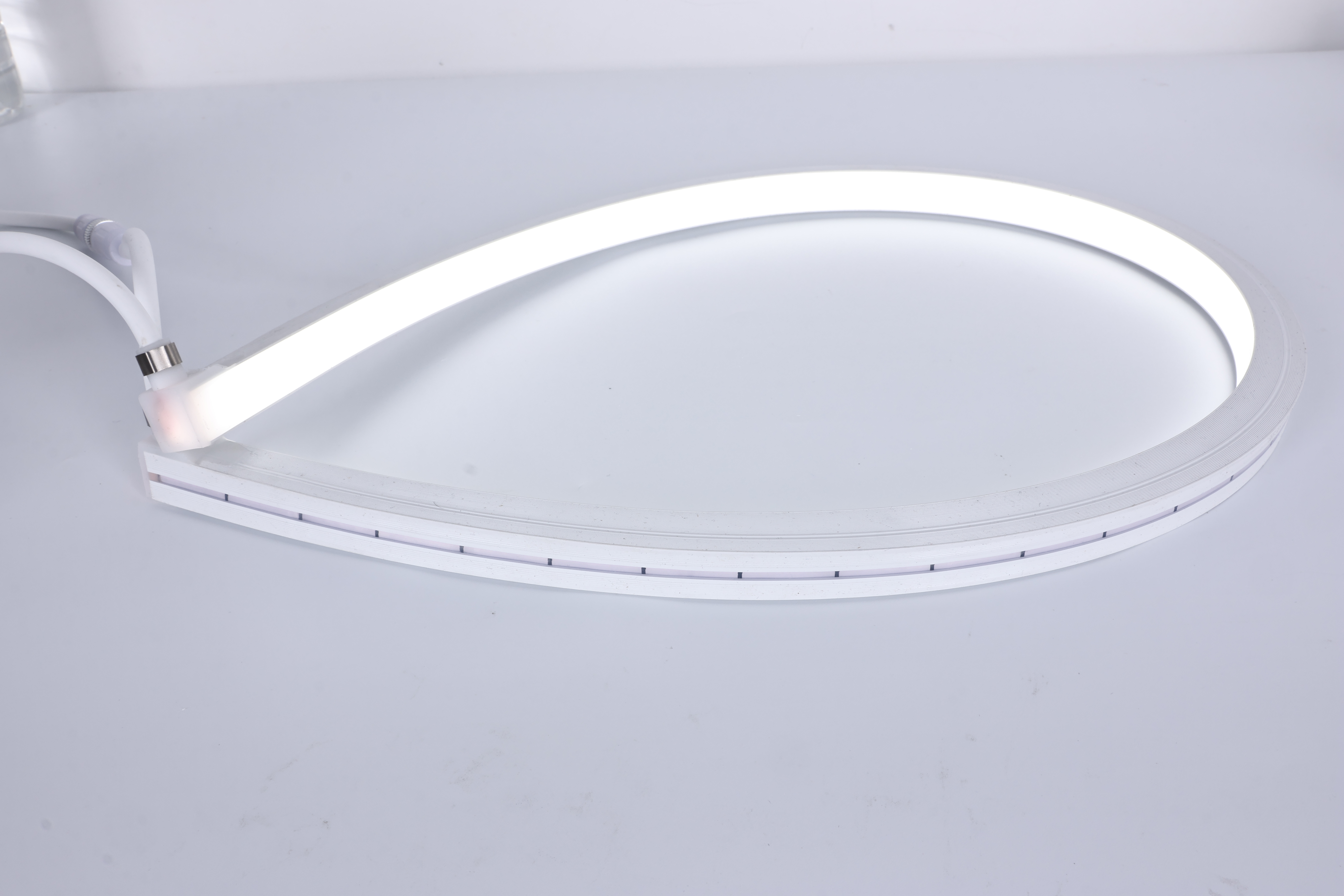
Modern lighting design increasingly relies on led neon flex solutions that deliver both aesthetic impact and operational economy. Traditional neon tubes have dominated decorative and accent lighting for decades, but they consume substantial electrical energy and require specialized installation expertise. LED neon flex technology fundamentally transforms how businesses and designers approach ambient lighting, offering dramatic energy savings without compromising visual quality or design flexibility.
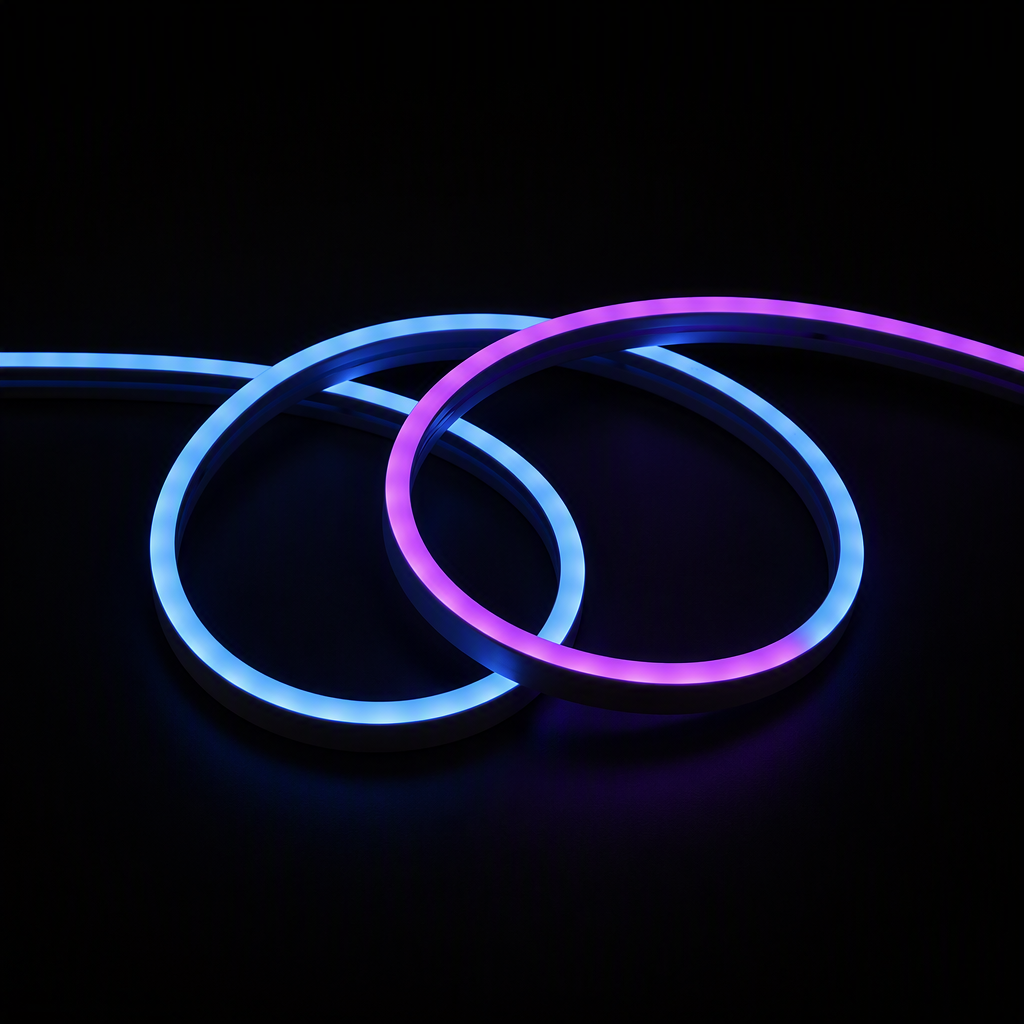
Understanding the energy efficiency of LED neon flex solutions requires examining the underlying technology, operational characteristics, and real-world performance metrics. Unlike conventional neon gas tubes that operate at high voltage and generate heat as a byproduct, flexible neon lights use semiconductor technology to produce light with minimal energy waste. This fundamental difference delivers measurable economic and environmental advantages across residential, commercial, and industrial applications.
Energy Consumption Comparison and Performance Metrics
LED Neon Flex Versus Traditional Neon Technology
Traditional glass neon tubes operate at approximately 4,000 to 15,000 volts, consuming between 3.5 and 7 watts per linear foot during continuous operation. This high-voltage requirement necessitates dedicated transformers and specialized electrical infrastructure, adding installation complexity and ongoing maintenance costs. Conversely, neon light strips utilizing LED technology operate at low voltage, typically 12V or 24V DC, and consume only 0.5 to 2 watts per linear foot. This represents an 75 to 85 percent reduction in energy consumption compared to traditional neon installations.
Heat Generation and Thermal Efficiency
A critical efficiency advantage of flexible neon lights involves minimal heat generation during operation. Traditional neon tubes produce substantial thermal output, requiring additional air conditioning or cooling infrastructure in climate-controlled environments. LED neon flex technology converts nearly 90 percent of electrical input directly into visible light, with minimal heat dissipation. This thermal efficiency proves particularly valuable in retail environments, museums, art galleries, and hospitality settings where temperature control impacts overall operational costs significantly.
Long-Term Operating Economics and Lifecycle Value
Lifespan and Replacement Frequency
Neon flex tubing delivers exceptional durability compared to traditional glass alternatives. LED neon flex installations typically maintain operational performance for 50,000 to 100,000 hours of continuous use, translating to 5 to 11 years of uninterrupted operation in standard commercial environments. Traditional neon tubes typically fail after 8,000 to 15,000 hours, requiring frequent replacement cycles that accumulate labor and material costs. This extended operational lifespan of neon light strips significantly reduces total cost of ownership despite potentially higher initial capital investment.
Maintenance Requirements and Operational Reliability
Flexible neon lights require virtually no maintenance during their operational lifespan, whereas traditional neon tubes demand periodic inspections, electrode cleaning, and specialized technical support. LED neon flex technology contains no fragile glass components or pressurized gas chambers, eliminating rupture risk and safety hazards associated with conventional installations. Neon flex tubing operates reliably across diverse environmental conditions, tolerating temperature fluctuations, humidity, vibration, and moisture exposure without performance degradation or accelerated failure rates.
Environmental Impact and Sustainability Advantages
Carbon Footprint Reduction Through Energy Efficiency
The cumulative environmental benefit of switching to LED neon flex technology extends far beyond individual installation economies. Over a ten-year operational period, a typical flexible neon lights installation reduces carbon emissions by approximately 40 to 50 tons compared to equivalent traditional neon configurations. This reduction directly results from lower electrical consumption, decreased cooling requirements, and elimination of hazardous materials associated with glass and gas-filled tubes. Organizations pursuing sustainability certifications and environmental compliance increasingly prioritize neon light strips as a responsible aesthetic lighting solution.
Material Composition and End-of-Life Considerations
LED neon flex components utilize silicone tubing, copper conductors, and semiconductor materials that present minimal environmental disposal challenges. Traditional neon tubes contain mercury, argon, or other specialty gases that require specialized recycling infrastructure and present health risks during handling or disposal. Neon flex tubing eliminates these hazardous substance concerns, simplifying end-of-life management and reducing environmental liability for facility operators and property managers.
Applications and Implementation Scenarios
Commercial and Retail Environments
Retail establishments, hospitality venues, and entertainment facilities benefit substantially from deploying flexible neon lights due to their dramatic visual impact combined with operational efficiency. Neon light strips create compelling accent lighting for storefronts, bar installations, architectural detailing, and branded environments without generating excessive heat or consuming disproportionate electrical resources. The flexibility of neon flex tubing enables creative installation patterns, curved configurations, and custom shapes that enhance aesthetic appeal while maintaining superior energy performance.
Architectural and Residential Integration
Designers and architects increasingly specify LED neon flex solutions for residential projects, commercial interiors, and public installations where ambient lighting establishes atmosphere and visual character. Flexible neon lights adapt to curved surfaces, follow architectural contours, and integrate seamlessly with modern design aesthetics. Neon flex tubing provides homeowners and businesses with cost-effective accent lighting that reduces electrical consumption compared to traditional alternatives while delivering professional-grade visual sophistication.
FAQ
How much energy does LED neon flex consume compared to traditional neon?
LED neon flex consumes 75 to 85 percent less energy than traditional neon tubes. While conventional neon tubes use 3.5 to 7 watts per linear foot, neon light strips typically require only 0.5 to 2 watts per linear foot. This dramatic difference translates to substantial annual operational savings and reduced environmental impact across large-scale installations.
What is the expected lifespan of neon flex tubing?
Neon flex tubing maintains operational performance for 50,000 to 100,000 hours of continuous use, representing 5 to 11 years in typical commercial environments. Traditional neon tubes fail after 8,000 to 15,000 hours, making flexible neon lights significantly more durable. This extended lifespan reduces replacement frequency and associated labor costs substantially.
Are flexible neon lights suitable for outdoor installations?
Yes, neon light strips rated IP65 or higher resist moisture, dust, and UV exposure, making them suitable for outdoor applications. LED neon flex technology operates reliably across diverse environmental conditions without performance degradation. This versatility enables architects and designers to deploy flexible neon lights in both interior and exterior settings with confidence.
 EN