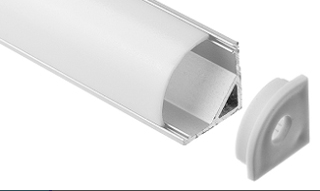
Selecting the right led channel profile is a critical decision that affects both the aesthetic outcome and functional performance of your lighting installation. Whether you are designing architectural accent lighting, industrial task lighting, or residential cove illumination, the choice of led channel profile directly impacts heat dissipation, light distribution, durability, and overall project success. Understanding the distinctions between profile types, material specifications, and mounting options ensures your linear led lighting system delivers reliable performance and achieves your design vision.
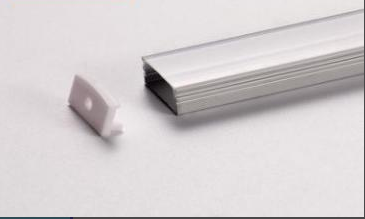
An aluminum led housing serves as the foundation for any professional linear led lighting installation. The aluminum led housing not only protects your LED strip from dust and damage but also manages thermal dissipation, which is essential for maintaining LED lifespan and brightness consistency. This guide walks you through the key factors that determine the right choice for your specific application, including profile depth, diffuser options, thermal performance, and installation compatibility. By the end, you will have a clear framework for evaluating led channel profiles and making confident purchasing decisions.
Understanding LED Channel Profile Types and Applications
Surface-Mount vs. Recessed Profiles
The led channel profile comes in two primary mounting categories: surface-mount and recessed. Surface-mount aluminum led housing sits on top of your installation surface, making it visible and ideal for modern, minimalist aesthetic designs or situations where wall or ceiling space is unavailable for recessing. Recessed profiles are embedded into the wall, ceiling, or floor, creating a seamless, integrated appearance that suits traditional architecture, premium retail environments, and spaces where exposed fixtures would clash with design intent. Understanding your space constraints and aesthetic goals is the first step in narrowing down which profile type suits your project.
Profile Dimensions and Light Distribution
LED channel profiles vary in cross-sectional depth and width, directly affecting how light spreads and how much thermal mass the aluminum led housing provides. Shallow profiles, typically 10–12mm deep, work well for accent lighting where concentrated beam angles are acceptable and space is limited. Deeper profiles, ranging from 25–40mm, allow for better heat dissipation and wider, more uniform light distribution across larger areas. The linear led lighting performance you achieve depends heavily on matching profile depth to your intended light output and the total wattage of your LED strips, ensuring neither thermal stress nor inadequate brightness.
Thermal Performance and Material Selection
Aluminum Grade and Heat Dissipation
The quality of aluminum led housing directly correlates with thermal performance. High-grade aluminum alloys, such as 6063-T5, offer superior heat conduction compared to lower-grade materials, extending LED strip lifespan by maintaining optimal operating temperatures. When evaluating an aluminum led housing option, assess the fin design, wall thickness, and overall surface area available for heat transfer to the surrounding environment. Poor thermal management forces your linear led lighting system to operate in high-temperature conditions, accelerating LED degradation, reducing color consistency, and shortening your investment's useful life. Prioritize profiles engineered specifically for thermal efficiency rather than selecting based on cost alone.
Diffuser Materials and Light Quality
The diffuser sitting atop your led channel profile critically influences the final light quality and perceived brightness. Clear diffusers maximize raw light output but may create visible hot spots or harsh shadows depending on LED spacing and strip specifications. Frosted or opal diffusers distribute light more evenly, eliminating hot spots and creating a softer, more refined appearance ideal for accent lighting, architectural installations, and retail environments. Polycarbonate, acrylic, and premium optical-grade materials each offer different clarity, durability, and light transmission properties. Selecting the right diffuser type for your linear led lighting application ensures your installation delivers both functional illumination and the exact visual aesthetic your design requires.
Compatibility, Installation, and Long-Term Value
LED Strip Compatibility and Connector Systems
Not all LED strips fit all profiles, and incompatibility creates installation delays and wasted materials. Verify that your chosen led channel profile accommodates the specific width and connector configuration of your LED strip before purchasing. Some aluminum led housing designs feature integrated channels for connector placement, simplifying wiring and creating a cleaner final appearance. Others offer open designs requiring external connector solutions. Understanding these compatibility requirements upfront prevents project disruptions and ensures your linear led lighting system integrates smoothly. Cross-reference product specifications, test fit if possible, and consult supplier documentation to confirm compatibility before committing to large orders.
Durability, Warranty, and Cost-of-Ownership
An inexpensive led channel profile that fails or degrades within two years ultimately costs far more than a premium option lasting ten years or longer. Evaluate warranty coverage, expected material degradation in your specific environment, UV resistance for outdoor applications, and manufacturer reputation. Industrial-grade aluminum led housing with robust diffuser materials and proven thermal design may carry higher upfront costs but delivers superior long-term value through reduced maintenance, fewer replacements, and consistent performance throughout your installation's lifespan. Factor total cost of ownership, not just purchase price, into your final decision. Investing in quality aluminum led housing and a well-designed led channel profile pays dividends over time.
FAQ
What is the standard depth for most led channel profiles used in residential applications?
Standard residential aluminum led housing typically ranges from 10–18mm in depth. Shallow profiles at 10–12mm work for accent lighting in kitchens and bedrooms where space constraints exist. Deeper 15–18mm profiles suit cove lighting, where enhanced light distribution and better thermal management improve performance. Always verify that your chosen led channel profile accommodates your specific LED strip width and that the profile depth matches your installation space and desired light output characteristics.
Can I use the same aluminum led housing for both indoor and outdoor installations?
Not all aluminum led housing is suitable for outdoor use. Outdoor linear led lighting requires profiles with superior UV resistance, corrosion-resistant anodized or powder-coated finishes, and sealed diffusers preventing moisture ingress. Interior-rated led channel profiles may degrade rapidly outdoors due to UV exposure, humidity, and temperature cycling. Always specify outdoor-rated aluminum led housing when designing exterior installations, and verify that the diffuser material resists yellowing and degradation from prolonged sun exposure. Mixing indoor and outdoor profiles compromises durability and defeats the purpose of weather-resistant design.
How do I determine if my chosen led channel profile offers adequate thermal dissipation?
Evaluate thermal performance by examining the profile's fin design, material thickness, and published thermal resistance specifications. Quality aluminum led housing manufacturers provide thermal resistance data in °C/W, indicating how much temperature rise occurs per watt of dissipated heat. Cross-reference this against your LED strip's total wattage and the maximum allowable junction temperature for your specific LEDs. If thermal specifications are unavailable, prioritize profiles with dense fins, thicker aluminum walls, and proven use in high-power linear led lighting applications. Inadequate thermal dissipation in your led channel profile leads to premature LED failure and compromised lighting performance.
 EN