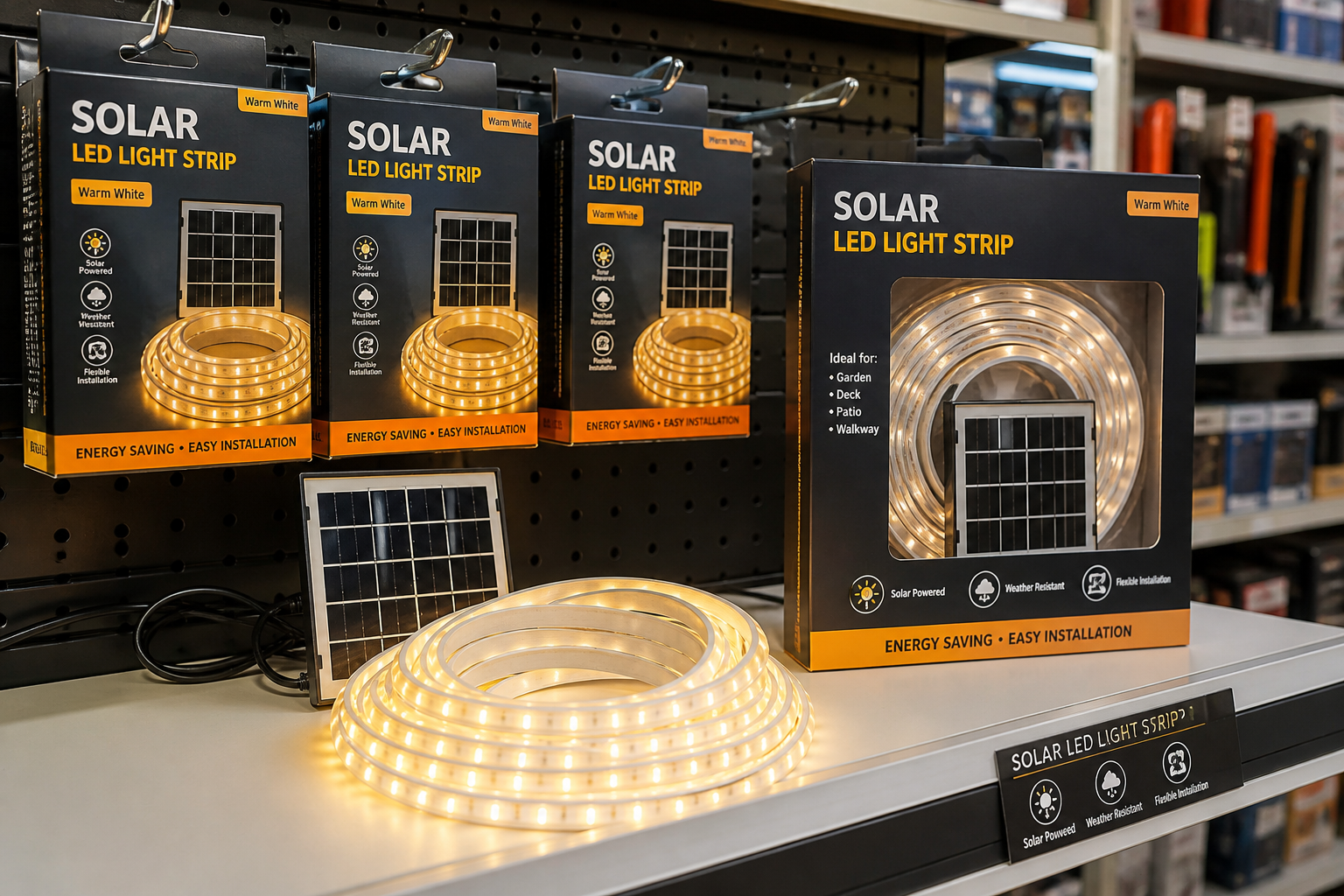
Solar powered LED lights have become increasingly popular for outdoor applications, offering an eco-friendly alternative to traditional electric lighting. Understanding how long these systems last is essential for making informed purchasing decisions and planning long-term lighting investments. The lifespan of solar powered LED depends on multiple factors including battery quality, LED component durability, environmental exposure, and maintenance practices. Most quality solar powered led systems are designed to operate for five to ten years or longer, though individual components may have different life expectancies. Knowing what influences longevity helps you maximize your investment and ensure reliable outdoor illumination.
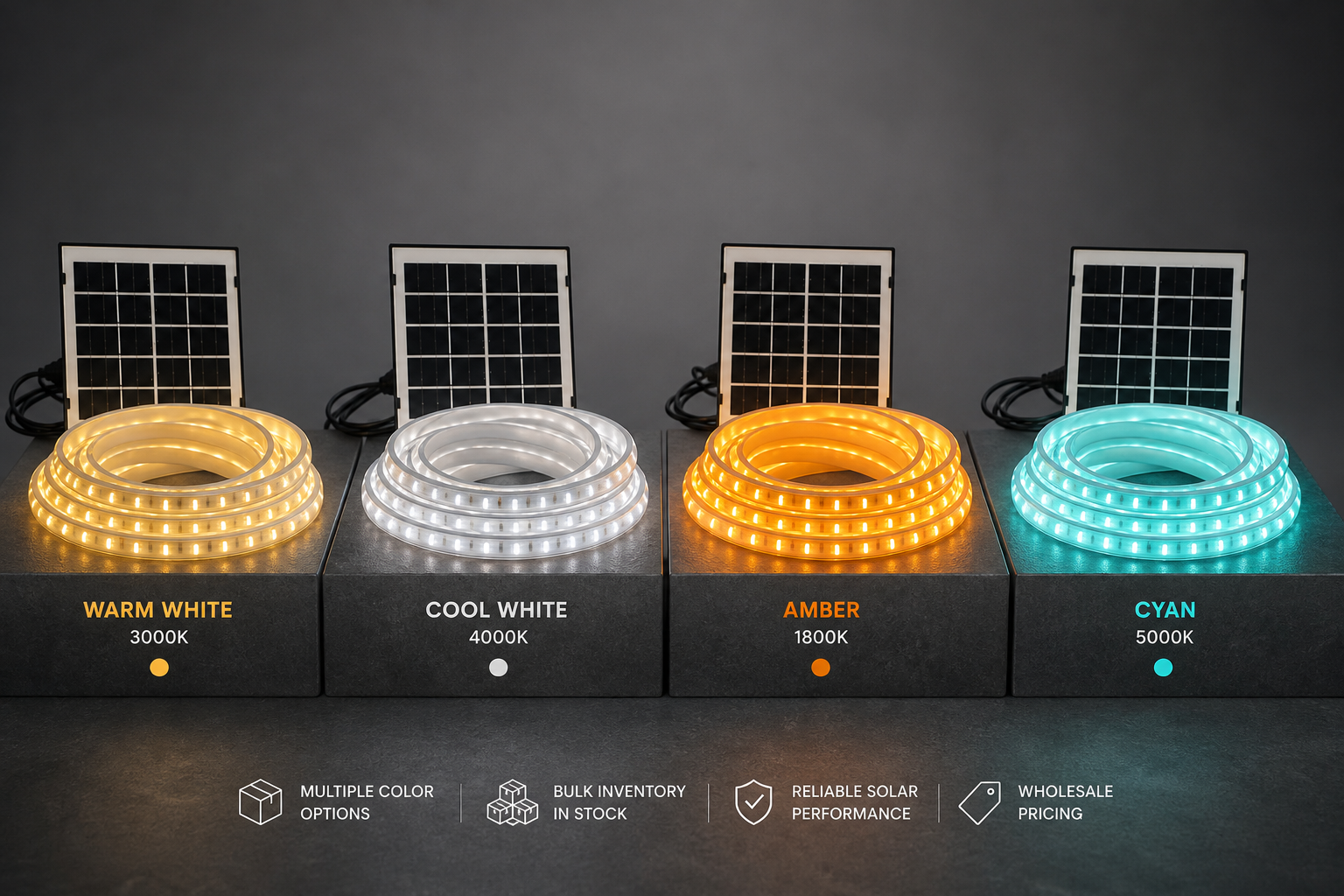
The durability of solar LED lights extends far beyond simple component lifespan. Each element—from the photovoltaic panel to the LED bulb to the rechargeable battery—plays a critical role in overall system longevity. Environmental conditions, usage patterns, and manufacturing quality all contribute to how long your outdoor solar lighting will perform effectively. By understanding these variables, you can select products with superior longevity and implement maintenance strategies that preserve functionality throughout the system's operational life.
LED Component Lifespan and Performance
Understanding LED Durability in Solar Systems
The LED bulb itself is typically the longest-lasting component in solar powered LED systems. High-quality LEDs are engineered to last between 25,000 to 50,000 hours or more, which translates to approximately 8 to 15 years of continuous operation. Unlike traditional incandescent bulbs that burn out relatively quickly, LEDs maintain consistent brightness and reliability throughout their operational life. In solar LED lights, the actual runtime is often much less than continuous operation, as these systems typically run only during nighttime hours. This intermittent usage pattern means that the LED component may retain functional capacity for well beyond its theoretical lifespan rating in many outdoor solar lighting applications.
Brightness Degradation Over Time
While LEDs rarely fail suddenly, they do experience gradual brightness degradation over many years. Most solar LED lights maintain approximately 70 percent of their original brightness after 10,000 hours of operation, and quality units may retain 85 to 90 percent of initial brightness levels. This means that even after five to seven years, your portable solar lamps will likely still provide adequate illumination for most outdoor applications. The perceived lifespan of solar powered LED systems often extends beyond when the LED component technically fails, as many users continue operating units that have decreased but still serviceable light output.
Battery Life and Charging Cycle Limitations
Rechargeable Battery Specifications
The rechargeable battery is often the limiting factor in overall solar LED lights lifespan. Most outdoor solar lighting systems use lithium-ion or nickel-metal hydride batteries rated for 300 to 1,000 charge cycles before capacity significantly diminishes. A typical system operating daily would complete approximately 365 charge cycles annually, meaning battery replacement may be necessary within 1 to 3 years depending on battery quality and cycling frequency. Premium solar powered LED products use higher-grade batteries with extended cycle ratings, potentially extending functional service life to 5 years or more before replacement becomes necessary. Understanding your battery specifications helps set realistic expectations for maintenance intervals and replacement costs.
Capacity Loss and Performance Decline
Batteries in portable solar lamps gradually lose storage capacity with each charge cycle, a process called capacity fade. After 500 complete charge cycles, batteries typically retain 80 to 90 percent of their original capacity. After 1,000 cycles, retention typically drops to 60 to 80 percent depending on chemistry and usage patterns. This gradual decline means that by year three or four, your solar LED lights may require longer charging periods or provide fewer hours of nighttime illumination. The good news is that battery replacement is usually straightforward and significantly less expensive than replacing the entire solar powered led unit, making this a cost-effective maintenance strategy for extending overall system lifespan.
Environmental Factors and Material Durability
Weather Resistance and Material Quality
Outdoor solar lighting must withstand harsh environmental conditions including UV radiation, temperature fluctuations, moisture, and corrosive elements. High-quality solar powered LED systems are typically constructed from durable materials such as reinforced plastic, stainless steel, or marine-grade aluminum that resist degradation and corrosion. The solar panel coating must be robust enough to maintain light transmission efficiency while resisting dust, salt spray, and oxidation. Materials with superior weather resistance directly contribute to extended lifespan, often adding 3 to 5 years to the functional life compared to inferior alternatives. Investing in products with proven material durability and IP65 or higher water ratings significantly impacts how long your system remains operational in challenging outdoor environments.
Storage and Seasonal Effects
How you store and maintain portable solar lamps during off-seasons directly affects overall longevity. In cold climates, removing rechargeable batteries before winter storage prevents damage from freezing and ensures batteries remain in better condition when reactivated. Storing solar LED lights in shaded locations during extended non-use periods prevents unnecessary UV exposure and material degradation. Conversely, leaving units exposed to harsh winter conditions, intense summer heat, or high-humidity environments accelerates component deterioration and reduces system lifespan by several years. Proper seasonal maintenance, including battery removal, covered storage, and periodic inspection, can easily add 2 to 3 years to the life expectancy of your solar powered led lighting systems.
Maximizing Lifespan Through Maintenance
Regular Cleaning and Inspection Practices
Routine maintenance is one of the most effective strategies for maximizing solar LED lights durability. Cleaning the solar panel surface monthly removes dust, pollen, and debris that reduce light absorption efficiency and force the battery to work harder. Inspecting connections, seals, and housing for damage or degradation helps identify problems early before they compromise system performance. Checking that all weatherproof gaskets remain intact and replacing any cracked or deteriorated components prevents water intrusion that can rapidly destroy electronics. These simple maintenance tasks, when performed consistently, can extend the operational life of your outdoor solar lighting by 2 to 4 years beyond the baseline expectancy.
Battery and Component Optimization
Implementing smart usage practices extends the life of your solar powered LED systems significantly. Occasionally running outdoor solar lighting systems at lower brightness settings reduces battery cycling stress and extends overall longevity. Ensuring the solar panel receives adequate daily sunlight prevents continuous undercharging, which stresses batteries and reduces lifespan. When rechargeable batteries begin showing significant capacity loss, replacing them promptly preserves the LED and solar panel components for additional years of service. Planning for scheduled battery replacements every 3 to 4 years, rather than waiting for complete failure, maintains consistent system performance and maximizes your investment value over the long term.
FAQ
How many years does a typical solar powered LED system last?
A quality solar powered LED system typically lasts 5 to 10 years with proper maintenance, though individual components have different life expectancies. The LED bulb may last 8 to 15 years of theoretical operation, while rechargeable batteries usually require replacement after 3 to 4 years of regular use. Overall system lifespan depends on battery replacement timing, environmental exposure, and maintenance practices rather than any single component failure.
What is the most common reason solar LED lights stop working?
Battery failure is the most common reason outdoor solar lighting systems stop operating effectively. Rechargeable batteries degrade with each charge cycle and eventually lose capacity to the point where they cannot store sufficient energy for overnight illumination. While the LED and solar panel components often remain functional, battery replacement becomes necessary to restore full system performance, making this a predictable and manageable maintenance cost for maintaining your solar LED lights.
Can portable solar lamps be repaired, or must they be replaced?
Many portable solar lamps can be repaired cost-effectively by replacing worn components like batteries or damaged solar panels. Simple repairs such as battery replacement typically cost 20 to 40 percent of the original unit price and can extend usable life by several additional years. However, complete housing damage, LED failure, or corrosion of electronic components may make repair uneconomical, necessitating full replacement of the solar powered LED unit instead.
 EN