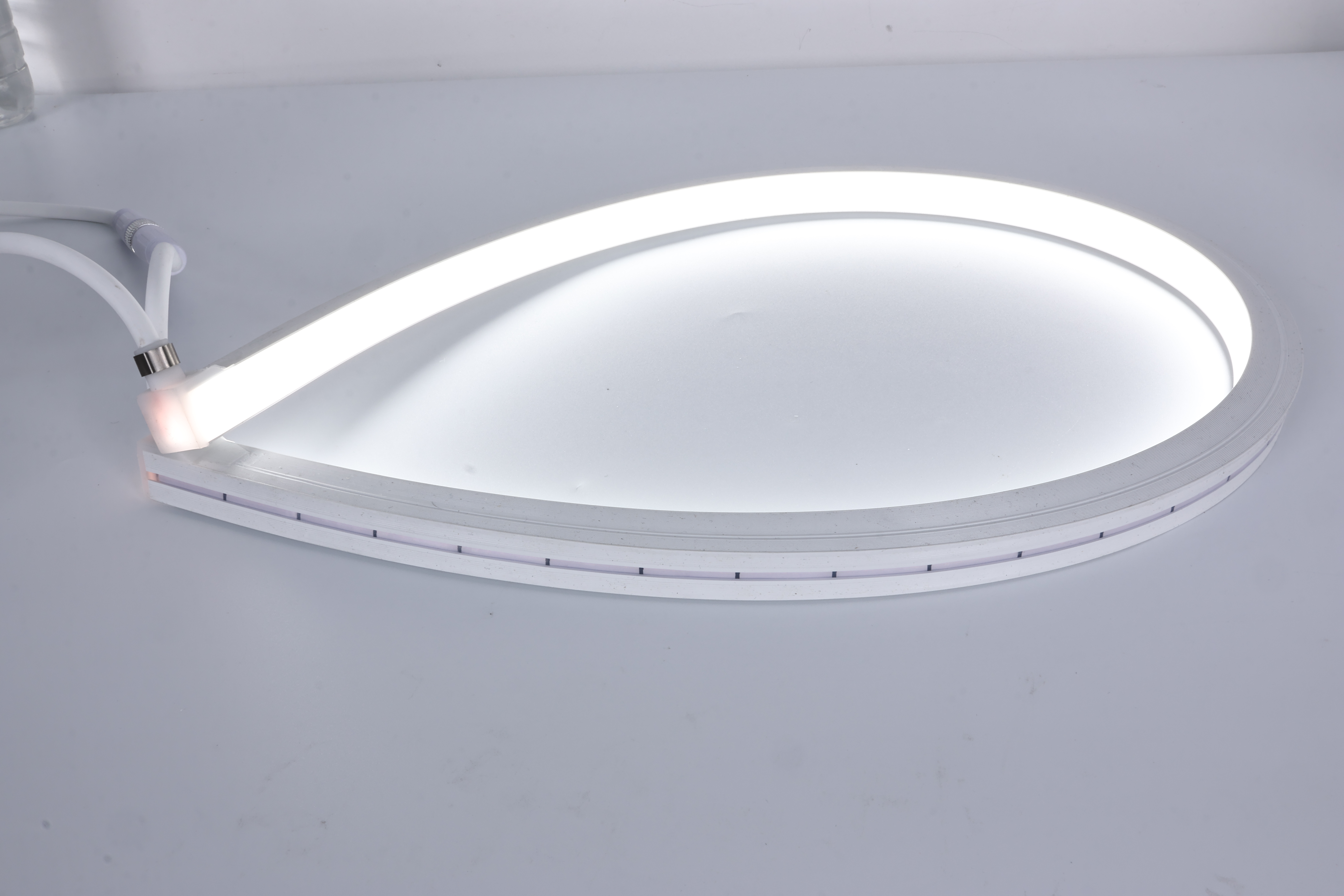
LED neon flex has become a popular choice for both commercial and residential lighting applications due to its energy efficiency and design flexibility. Understanding how long your LED neon flex installation will last is essential for budgeting, maintenance planning, and maximizing your investment in modern lighting solutions.
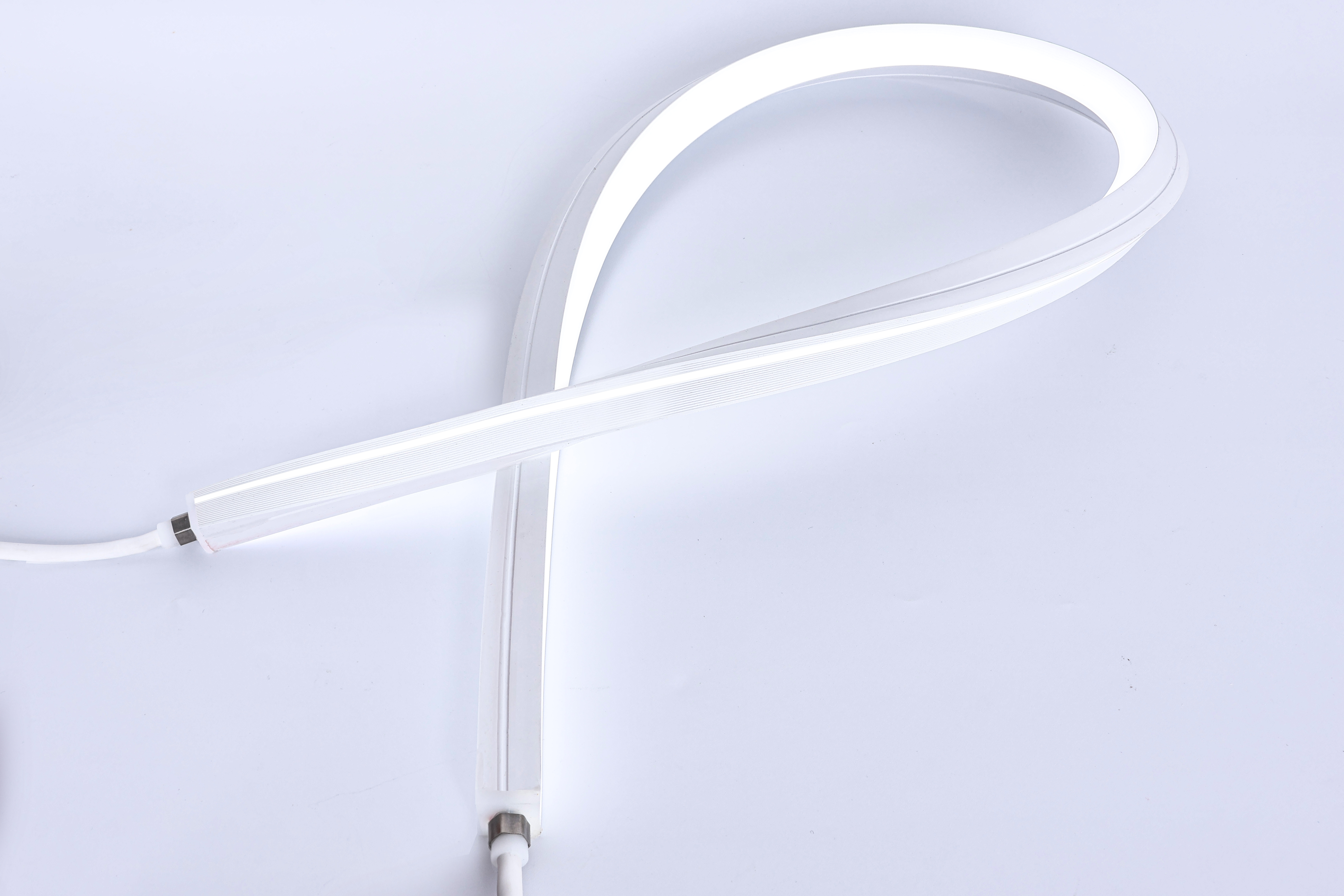
The typical lifespan of quality led neon flex ranges from 25,000 to 50,000 hours of continuous operation, depending on product quality, environmental conditions, and usage patterns. This extended lifespan makes flexible neon lights an attractive alternative to traditional glass neon tubes, which typically last 8,000 to 15,000 hours. Premium installations with proper maintenance can exceed these baseline expectations significantly.
Understanding LED Neon Flex Lifespan Basics
How Operating Hours Translate to Real-World Duration
When manufacturers specify that neon flex tubing lasts 25,000 to 50,000 hours, it's important to translate this into practical timeframes. If you operate your flexible neon lights for 8 hours daily, a 30,000-hour unit would function for approximately 10 years before brightness diminishes noticeably. Continuous 24-hour operation reduces this timeline to 3 to 6 years, while decorative installations used seasonally or sporadically can extend operational life well beyond 15 years.
Manufacturing Quality and Component Durability
Not all neon light strips perform equally. Premium LED neon flex is manufactured with high-quality silicon encasement, superior LED chips, and robust circuitry that withstands electrical stress over extended periods. Budget alternatives may achieve the baseline lifespan but often exhibit accelerated color degradation, dimming, or power supply failures. Investing in reputable flexible neon lights ensures consistent performance and predictable maintenance schedules.
Factors That Impact LED Neon Flex Longevity
Environmental Conditions and Installation Location
Temperature fluctuations, moisture exposure, and UV radiation directly influence how long neon flex tubing remains functional. Installations in controlled indoor environments typically achieve the full manufacturer lifespan, while outdoor or high-humidity applications experience accelerated degradation. Proper waterproofing ratings, such as IP67 or IP68, are critical for outdoor neon light strips. Direct sunlight exposure can fade color output and stress the silicone material, reducing operational longevity by 20 to 30 percent in some cases.
Power Supply and Electrical Management
The power supply represents a critical component of flexible neon lights systems. Quality power supplies with surge protection and thermal management extend overall system lifespan significantly. Voltage fluctuations, poor grounding, and inadequate power conditioning accelerate LED chip degradation and can cause premature failure of controller circuits. Installations using stabilized DC power supplies consistently outperform those relying on unregulated inputs by several years.
Heat dissipation capabilities also matter substantially. LED neon flex that operates in well-ventilated areas maintains cooler chip temperatures, which directly correlates with longer operational life. Enclosing neon light strips in confined spaces without airflow or applying them to heat-retaining surfaces can reduce expected lifespan by 30 to 40 percent.
Maintenance Practices and Longevity Extension
Regular Inspection and Cleaning Protocols
Routine maintenance significantly extends the functional life of flexible neon lights. Monthly visual inspections identify early signs of discoloration, connector corrosion, or dimming patterns before complete failure occurs. Gentle cleaning with soft, dry cloths removes dust and debris that accumulates on the silicone surface and impairs light output. For outdoor neon flex tubing, annual deep cleaning with mild detergent and thorough drying prevents moisture-related degradation.
Connection Management and Waterproofing
Connection points represent vulnerable areas where moisture infiltration occurs most frequently. Regularly inspecting power connectors, ensuring tight waterproof seals, and applying silicone sealant to potential water ingress points protects against corrosion and electrical faults. For installations using neon light strips in wet environments, redundant waterproofing measures and periodic connector replacement as preventive maintenance can extend overall system lifespan by multiple years.
Proper storage of spare sections and controller units in dry, temperature-controlled conditions ensures components remain ready for future replacement or repairs. Many professional installers maintain inventory of replacement flexible neon lights to quickly address component failures without extended downtime.
When to Plan for Replacement
Recognizing Performance Decline Indicators
LED neon flex typically exhibits gradual brightness reduction before complete failure. When output drops below 70 percent of original brightness levels, replacement planning becomes prudent even if the neon flex tubing remains technically functional. Color consistency changes, such as color shifts toward warm tones or inconsistent hue distribution across sections, indicate aging LED chips and suggest end-of-life approaches.
Cost-Benefit Analysis for Replacement Timing
Determining optimal replacement timing requires balancing remaining operational life against maintenance costs and technological improvements. Flexible neon lights technology continues advancing, with newer products offering better color accuracy, higher efficiency, and extended warranties. Installations approaching the 15,000-hour mark merit replacement consideration if maintenance costs escalate, even if complete failure hasn't occurred. This proactive approach prevents unexpected downtime in commercial applications where lighting reliability directly impacts operations.
FAQ
What is the average lifespan of LED neon flex in outdoor installations?
Outdoor LED neon flex typically lasts 15,000 to 35,000 hours due to environmental stressors like temperature cycling, moisture, and UV exposure. Quality weather-resistant neon light strips with IP67 or higher ratings minimize these effects. Proper installation practices, regular maintenance, and strategic placement away from direct sunlight can extend outdoor flexible neon lights lifespan closer to 40,000 hours.
How does continuous operation affect neon flex tubing durability compared to intermittent use?
Continuous 24-hour operation accelerates LED chip degradation through constant heat generation and power cycling stress. Neon flex tubing used 8 hours daily lasts roughly three times longer than identical units operating continuously. Seasonal or decorative applications using neon light strips only during specific periods can achieve 20+ years of functional life within the same technical hour ratings, as thermal and electrical stress remains minimized.
Can LED neon flex be repaired to extend its lifespan, or should it be replaced entirely?
Minor repairs to flexible neon lights, such as replacing connectors, resealing waterproof sections, or addressing power supply issues, can extend operational life by years. However, once LED chips degrade significantly or extensive silicone cracking occurs, full replacement of affected neon flex tubing sections becomes more economical than repair attempts. Professional installers typically recommend component replacement rather than repair when failure affects more than 20 percent of a continuous flexible neon lights installation.
 EN