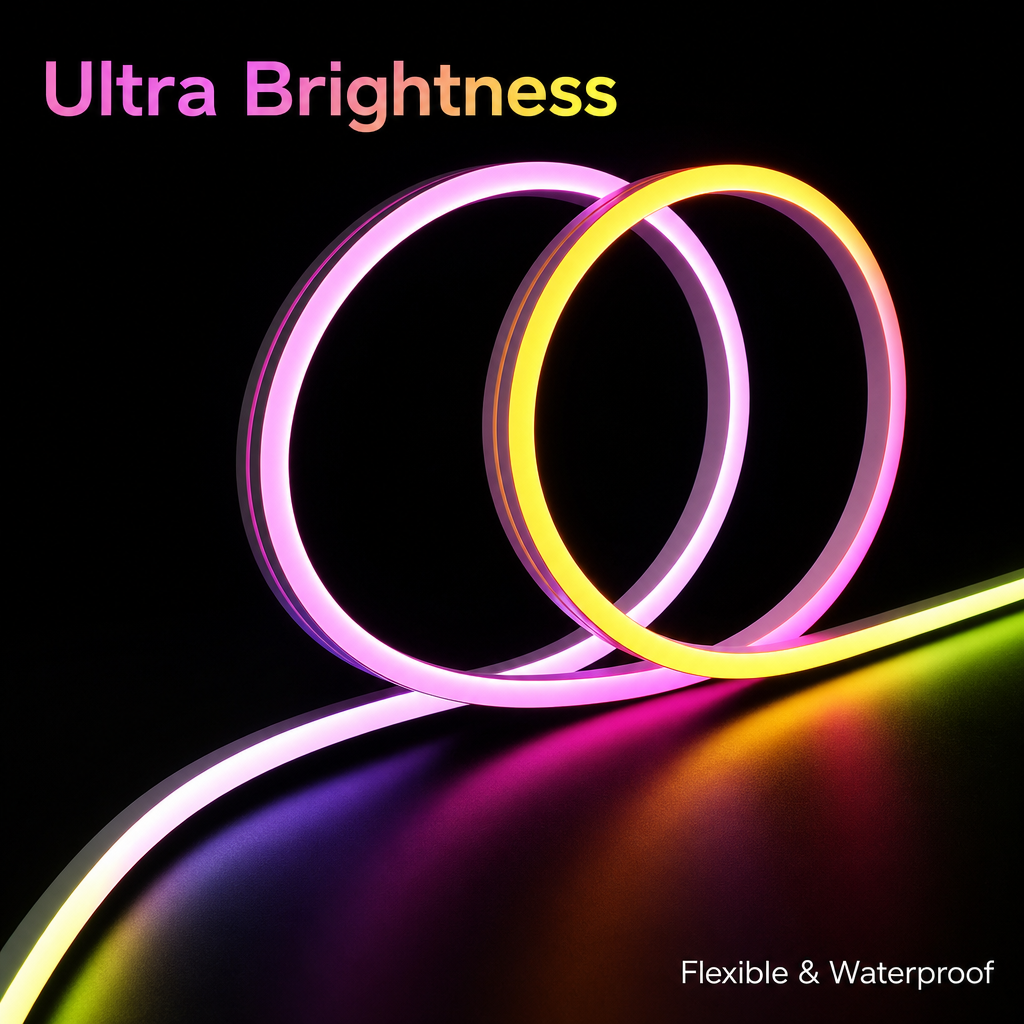
Understanding the lifespan of an rgb led strip is essential for anyone planning to invest in modern lighting solutions for residential or commercial applications. Most quality RGB LED strips are designed to last between 25,000 to 50,000 hours of continuous operation, though this can vary significantly based on manufacturing quality, usage patterns, and environmental conditions. Unlike traditional incandescent bulbs that burn out dramatically, LED technology degrades gradually over time, meaning your dynamic lighting strip may continue functioning long after reaching its rated lifespan, albeit with reduced brightness or color accuracy.
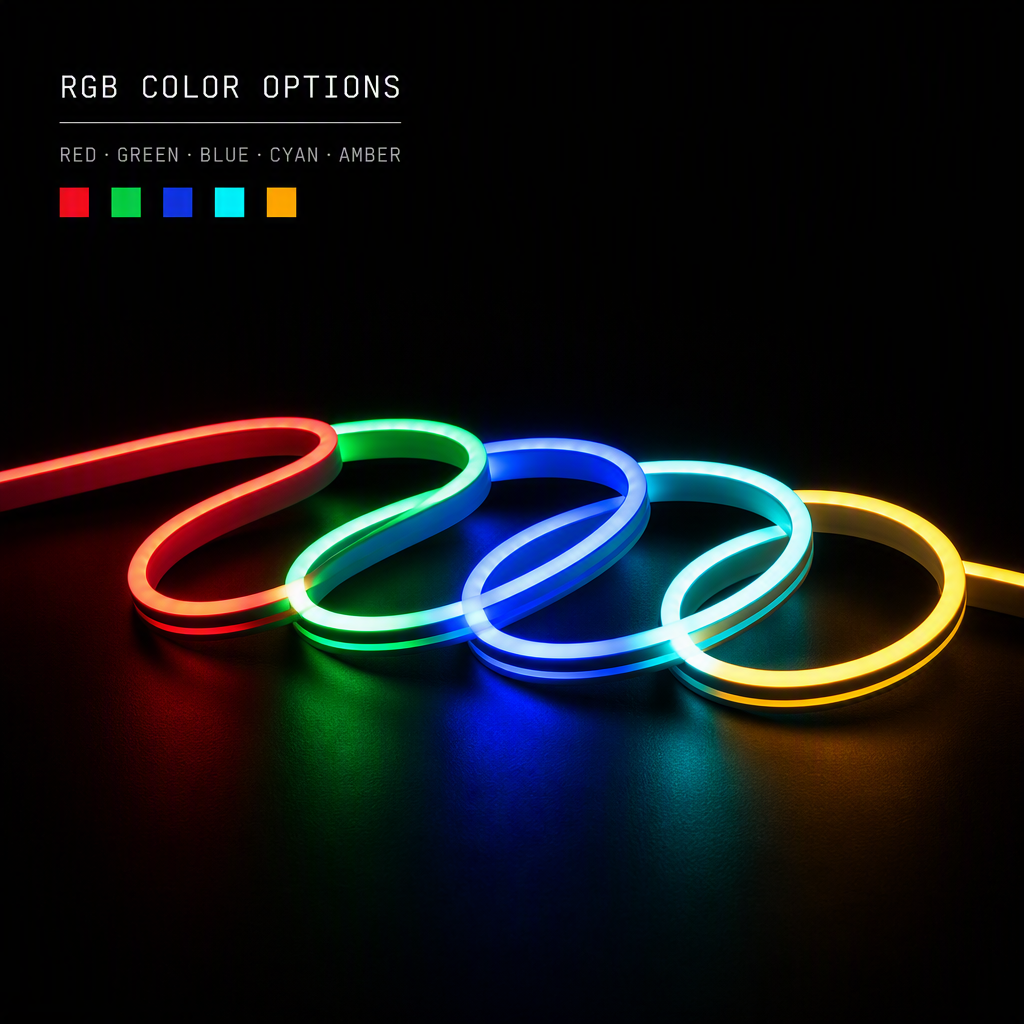
The durability of an addressable rgb strip depends on multiple interconnected factors that work together to determine how long your investment will deliver reliable performance. High-quality smart color led tape products often come with warranty periods ranging from two to five years, providing confidence in the manufacturer's expected lifespan. Understanding these variables allows you to make informed purchasing decisions and implement proper maintenance strategies that maximize the longevity of your installation.
Factors Affecting RGB LED Strip Lifespan
LED Chip Quality and Manufacturing Standards
The fundamental component determining how long an addressable rgb strip lasts is the quality of the LED chips themselves. Premium manufacturers use high-grade semiconductor materials and rigorous quality control processes to produce chips that maintain consistent performance over extended periods. Budget rgb led strip options often use lower-grade chips that degrade faster, particularly in their color rendering capability and overall light output. The difference in cost between premium and entry-level options often reflects the underlying chip quality, with professional-grade strips featuring chips rated for 50,000 hours or more of operation.
Thermal Management and Heat Dissipation
Heat represents one of the primary enemies of LED longevity, as elevated temperatures accelerate the degradation of semiconductor materials and solder connections. A smart color led tape installed in a proper enclosure with good airflow will last significantly longer than one cramped in a confined space where heat accumulates. The substrate material, typically aluminum or copper, plays a crucial role in conducting heat away from the LED chips. Dynamic lighting strip installations that incorporate adequate thermal management solutions can extend their operational lifespan by 20 to 40 percent compared to poorly ventilated setups. Designers should always ensure that rgb led strip installations allow for sufficient air circulation around the strip and utilize heat-conducting mounting surfaces whenever possible.
Usage Patterns and Operating Conditions
Daily Operating Hours and Duty Cycles
The number of hours your addressable rgb strip operates daily directly correlates with its overall lifespan. A strip running eight hours per day will last roughly three times longer than an identical strip operating continuously twenty-four hours per day, assuming all other factors remain constant. Commercial applications using dynamic lighting strip technology often run their systems for extended periods, necessitating higher-quality components to ensure reliable performance throughout the warranty period. Residential users benefit from this pattern because typical household lighting usage is intermittent, allowing the rgb led strip to cool down between uses and extending its operational life considerably.
Environmental Exposure and Climate Effects
Environmental conditions surrounding your installation profoundly impact how long a smart color led tape remains fully functional. Outdoor installations face moisture, temperature fluctuations, and UV exposure that accelerate degradation of both the LEDs and surrounding electronic components. The addressable rgb strip's solder connections and circuit board materials can suffer from thermal stress when experiencing rapid temperature swings between day and night or seasonal changes. Indoor installations in controlled climate environments consistently outlast outdoor deployments by a significant margin. Dust accumulation on a dynamic lighting strip also impairs cooling efficiency, making regular maintenance essential for preserving optimal lifespan. RGB LED strips rated for outdoor use incorporate better moisture protection and corrosion-resistant materials, but they still benefit from occasional cleaning and proper ventilation.
Maintenance Strategies and Lifespan Extension
Regular Cleaning and Thermal Optimization
Implementing basic maintenance routines substantially extends the operational life of your rgb led strip investment. Cleaning dust and debris from the strip's surface ensures efficient heat dissipation and prevents thermal accumulation that degrades performance. Check mounting connections periodically to verify that your addressable rgb strip remains secure and properly seated, as loose connections create resistance that generates excess heat. Ensuring proper ventilation around the installation prevents hot spots that accelerate the aging process of smart color led tape components. These simple preventive measures cost virtually nothing but can add years to your dynamic lighting strip's functional lifespan.
Proper Power Supply Management
Using a high-quality, correctly rated power supply specifically designed for your rgb led strip model is fundamental to achieving the manufacturer's promised lifespan. Undersized power supplies force the strip to draw excessive current, causing voltage instability that stresses LED chips and control circuits. Voltage fluctuations and electrical surges can permanently damage the components within an addressable rgb strip, making surge protection investments worthwhile. Installing a regulated power supply that provides stable voltage output ensures that your smart color led tape operates within design specifications, maintaining consistent performance throughout its rated lifespan. The relatively small investment in quality power infrastructure often pays dividends by preventing premature failures that would require complete replacement.
FAQ
How can I tell if my RGB LED strip is failing?
A failing rgb led strip typically exhibits several warning signs before complete failure occurs. You might notice gradual dimming, color shifts or inconsistency where certain colors become less vibrant, or flickering behavior. An addressable rgb strip may show dead pixels or entire sections that no longer respond to color changes. Unlike traditional bulbs, LED degradation is gradual, so your dynamic lighting strip may operate for hundreds of additional hours even after becoming noticeably dimmer. If you observe these symptoms, the strip is approaching the end of its practical lifespan, though it can usually continue functioning until you're ready to replace it.
Does continuous operation shorten the lifespan of smart color LED tape?
Yes, running a smart color led tape continuously significantly reduces its total operational lifespan compared to intermittent use. A 50,000-hour rated rgb led strip running twenty-four hours daily will reach that limit in approximately 2,083 days or 5.7 years of operation. The same strip used only eight hours daily would remain within its rated lifespan for approximately seventeen years. Additionally, continuous operation prevents the strip from cooling, which accelerates LED chip degradation. Implementing automation or timers to limit the operating hours of your addressable rgb strip is one of the most effective strategies for extending its practical lifespan beyond the manufacturer's rated hours.
Can outdoor weather conditions significantly reduce RGB LED strip durability?
Outdoor installations face substantially different challenges than indoor setups, typically reducing the practical lifespan of an rgb led strip by thirty to fifty percent. Temperature cycling between hot days and cold nights creates thermal stress on components and solder joints within an addressable rgb strip. Moisture infiltration degrades circuit connections and corrodes components over time, while UV radiation damages plastic coatings and degrades certain material properties. A dynamic lighting strip specifically rated for outdoor use includes better protection through silicone encapsulation and corrosion-resistant materials, but even premium smart color led tape installations benefit from sheltering or periodic maintenance to maximize their durability in harsh environmental conditions.
 EN