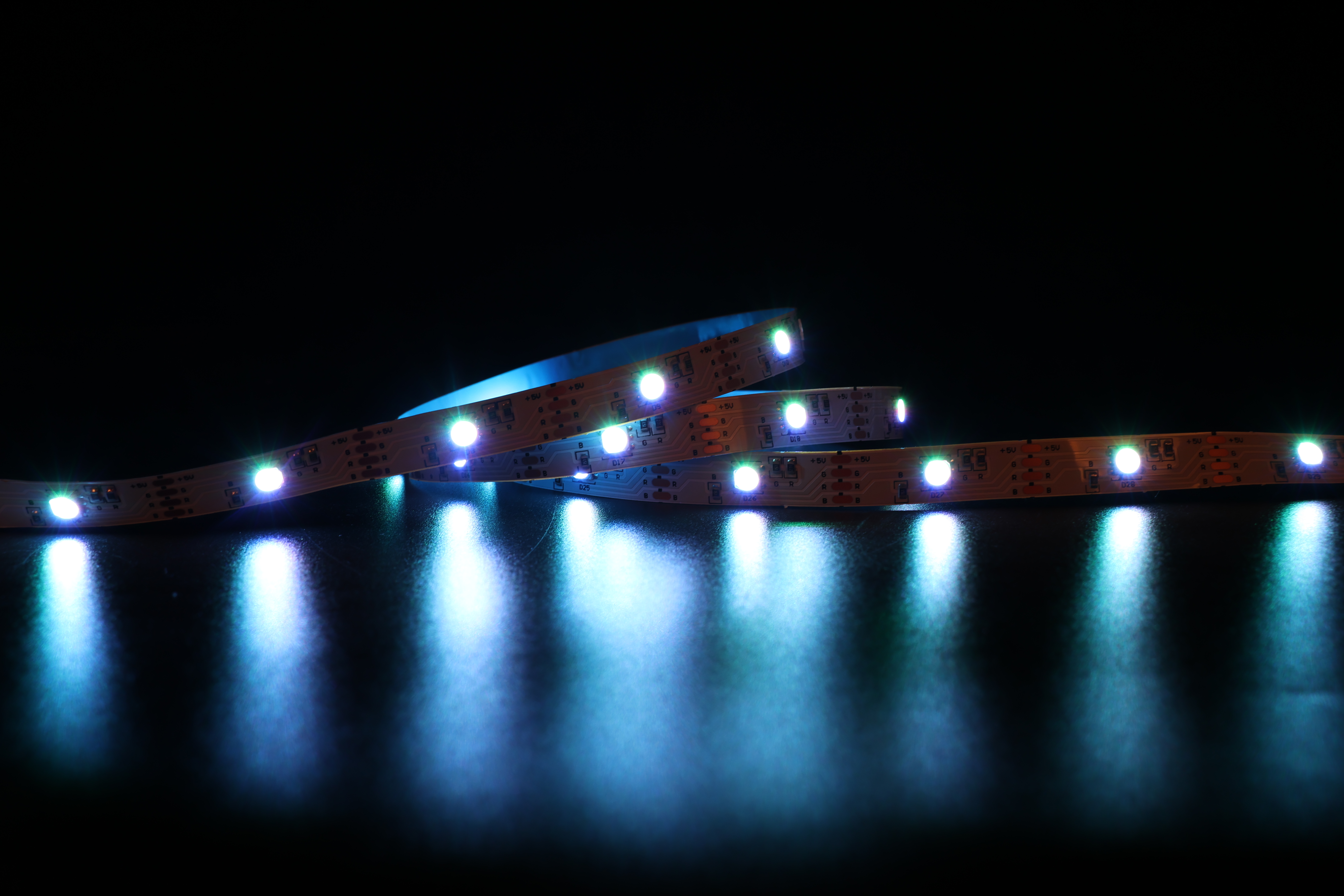
Installing diode LED lighting transforms both residential and commercial spaces with energy efficiency, longevity, and superior light quality. Whether you're upgrading existing fixtures or building a new installation, understanding the fundamentals of diode LED lighting ensures a smooth, code-compliant project. This guide walks you through every step of the process, from planning and material selection to wiring, mounting, and testing.
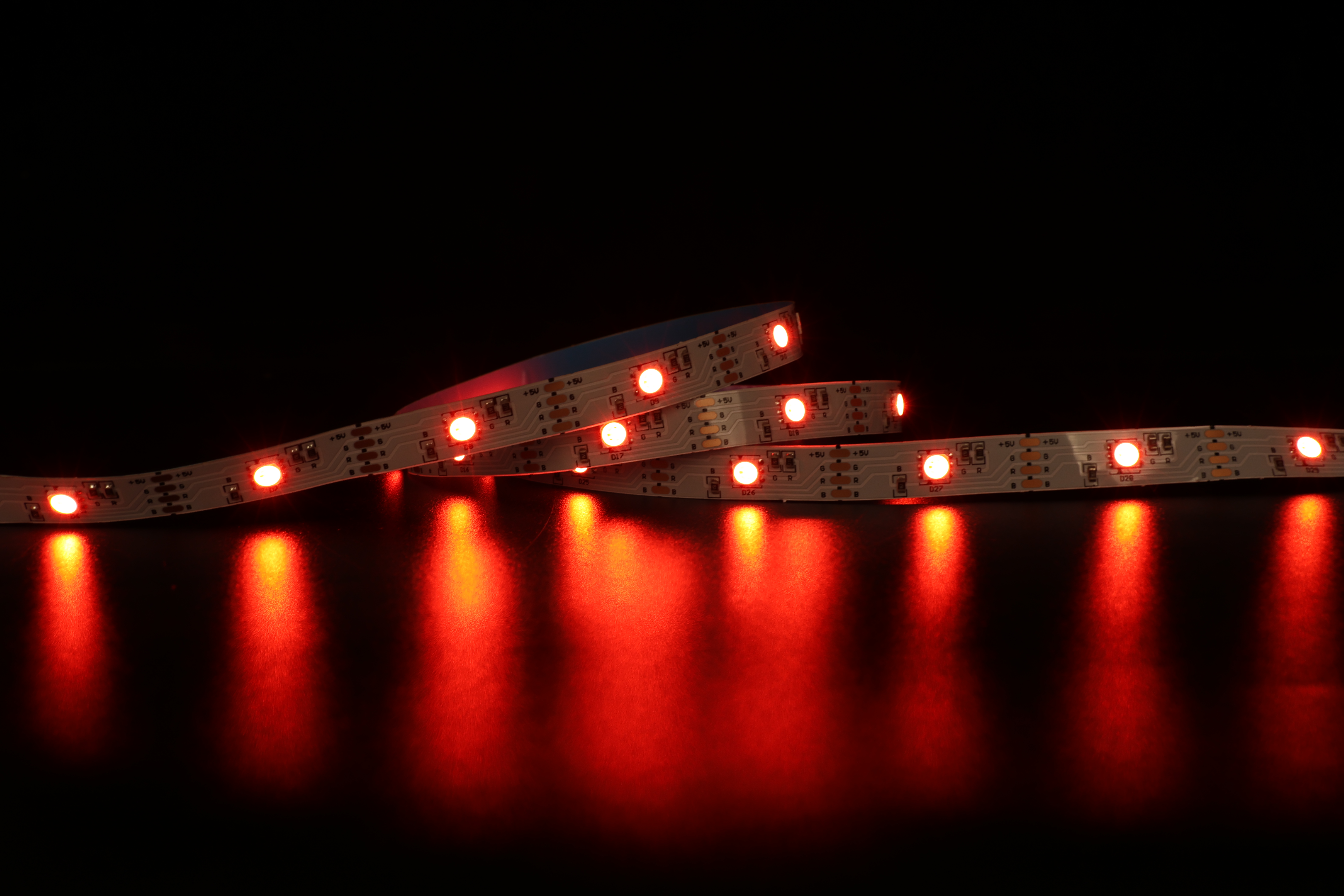
LED light emitting diodes represent a fundamental shift in lighting technology, offering advantages over traditional incandescent and fluorescent systems. Before beginning installation, assess your project scope, verify electrical compatibility, gather necessary tools, and review local building codes. Proper planning prevents costly mistakes and ensures safety throughout the installation process.
Understanding LED Light Emitting Diodes and Semiconductor Lighting Systems
How LED Light Emitting Diodes Function
LED light emitting diodes produce light through semiconductor materials that emit photons when electrical current passes through them. Unlike incandescent bulbs that generate heat as a byproduct, semiconductor lighting systems convert electrical energy directly into light with minimal heat generation. This efficiency makes diode LED lighting ideal for both energy conservation and heat-sensitive applications. The solid state lighting technology operates continuously without filaments or gases, resulting in exceptional durability and reliability. Understanding this fundamental difference helps you appreciate why proper installation matters and why respecting electrical specifications ensures peak performance.
Advantages of Solid State Lighting Technology
Solid state lighting technology delivers lifespan ratings exceeding 25,000 to 50,000 hours, compared to 1,000 hours for incandescent bulbs. Semiconductor lighting systems consume 75 to 80 percent less energy than traditional options, translating directly to reduced utility costs. The semiconductor lighting systems also generate minimal heat, making them safer for enclosed spaces and sensitive environments. LED light emitting diodes produce directional light, reducing waste and improving lighting efficiency in targeted applications. These advantages make diode LED lighting a sound long-term investment for residential, commercial, and industrial installations.
Preparing for Installation
Assessing Your Installation Requirements
Before purchasing materials, determine the specific application for your diode LED lighting project. Measure the installation area, identify power source locations, and calculate the total wattage required for all fixtures. Review the lumens output needed for your space; residential areas typically need 10 to 20 lumens per square foot, while workspaces may require 30 to 50 lumens per square foot. Check voltage availability; most residential installations use 120-volt systems, while commercial applications may utilize 277-volt or higher systems. Document existing electrical infrastructure to identify where connections will occur and whether upgrades are necessary. This assessment phase prevents incompatibilities and ensures you purchase correctly sized components for your semiconductor lighting systems.
Gathering Tools and Materials
Successful diode LED lighting installation requires basic electrical tools including wire strippers, crimpers, screwdrivers, a voltage tester, and a multimeter. Prepare mounting hardware, electrical conduit, junction boxes, and appropriate wire gauges for your voltage and current requirements. For solid state lighting technology installations, you'll need LED-compatible dimmer switches if dimming capability is desired. Ensure all materials meet local electrical codes and safety standards. Using substandard components compromises both safety and the performance of your semiconductor lighting systems. Purchase quality LED light emitting diodes from reputable suppliers to guarantee reliability and consistent color rendering.
Installation Process for Diode LED Lighting
Wiring and Electrical Connections
Turn off power at the breaker before beginning any electrical work on your diode LED lighting installation. Verify power is off using a voltage tester on existing fixtures or outlets. Strip approximately three-quarters of an inch of insulation from wire ends, then connect positive and negative leads to the driver or control module according to manufacturer specifications. Use appropriate wire gauges; thinner wire creates resistance and heat, reducing efficiency of your LED light emitting diodes. Secure all connections with wire nuts rated for the gauge and ensure connections are tight and corrosion-free. Solid state lighting technology requires proper polarity; reversed connections prevent operation or damage components. Route all wiring through conduit for protection and to maintain code compliance.
Mounting and Fixture Installation
Position mounting brackets or fixtures according to your predetermined layout, marking hole locations with precision. Drill or punch holes as needed, using appropriate fasteners for your mounting surface material. For ceiling-mounted semiconductor lighting systems, ensure secure attachment to structural elements capable of supporting the weight. Install LED light emitting diodes into holders, clips, or fixtures with gentle pressure, avoiding excessive force that might damage components. Where dimming controls are included in your solid state lighting technology setup, connect the dimmer according to the driver specifications. Test connections with a multimeter before restoring power to verify correct voltage at each fixture.
Testing and Final Setup
After completing the physical installation, restore power at the breaker and test each fixture individually. Observe color consistency across all LED light emitting diodes; variations may indicate connection issues or defective components. Verify brightness meets expectations for your application; if dimmer-equipped, test full range from minimum to maximum output. Allow semiconductor lighting systems to operate for five to ten minutes and check for unusual heat, flickering, or color drift. Document the installation with photos and retain all warranty information for your diode LED lighting system. Test emergency backup systems if applicable, ensuring batteries charge properly and fixtures activate as designed.
FAQ
What is the difference between LED light emitting diodes and traditional lighting?
LED light emitting diodes convert electrical current directly into light through semiconductor materials, while incandescent and fluorescent bulbs produce light as a secondary effect of heating filaments or exciting gases. Solid state lighting technology operates with 75 to 80 percent greater efficiency, produces minimal heat, and lasts 25 to 50 times longer than traditional options. Diode LED lighting also offers superior directional control, better color rendering, and instant on-off capability without warm-up time.
Can I install semiconductor lighting systems in existing fixtures?
Many existing fixtures accommodate LED light emitting diodes if you replace the bulbs with compatible LED models matching the socket type and voltage requirements. However, some older dimmer switches and controls may not work properly with solid state lighting technology. For best results with retrofit projects, consult fixture documentation or contact the manufacturer to confirm LED compatibility. New installations using purpose-designed LED fixtures typically deliver superior performance and longevity.
Do I need special wiring for diode LED lighting installation?
Most residential diode LED lighting installations use standard electrical wiring appropriate for the voltage and current requirements. However, low-voltage LED light emitting diodes and complex semiconductor lighting systems may require specialized drivers, transformers, or controllers. Always follow manufacturer specifications for wire gauge, polarity, and connection methods. Consult local electrical codes to determine whether your solid state lighting technology installation requires permits or professional installation by licensed electricians.
 EN