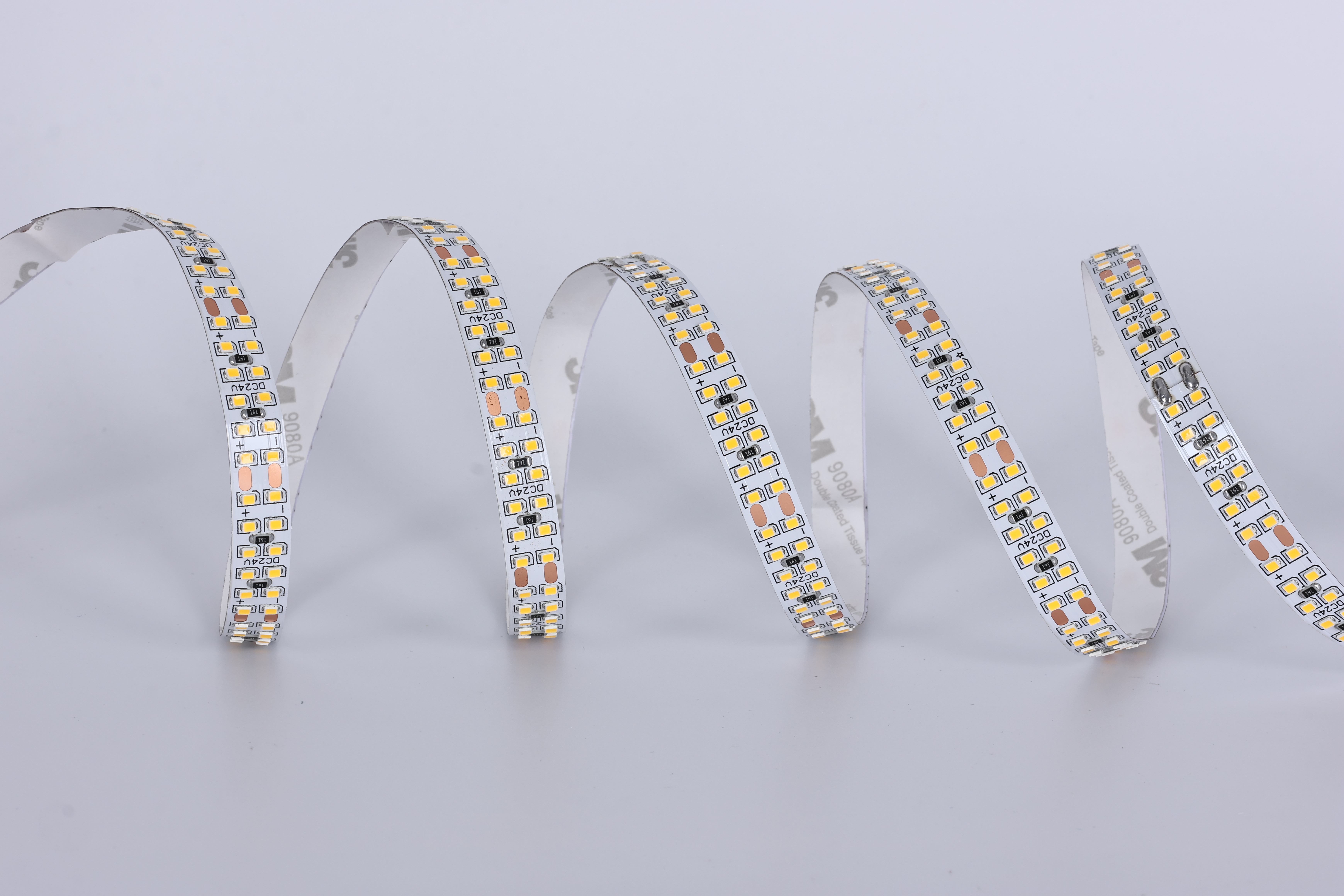
Tape lights have become essential components in modern interior design and commercial applications, offering flexibility and aesthetic appeal in spaces ranging from kitchens to retail environments. However, like any lighting solution, these systems require proper maintenance to deliver consistent performance and maximize their operational lifespan. Understanding how to care for your tape light installations ensures that your investment continues to provide years of reliable illumination while maintaining color quality and brightness levels.
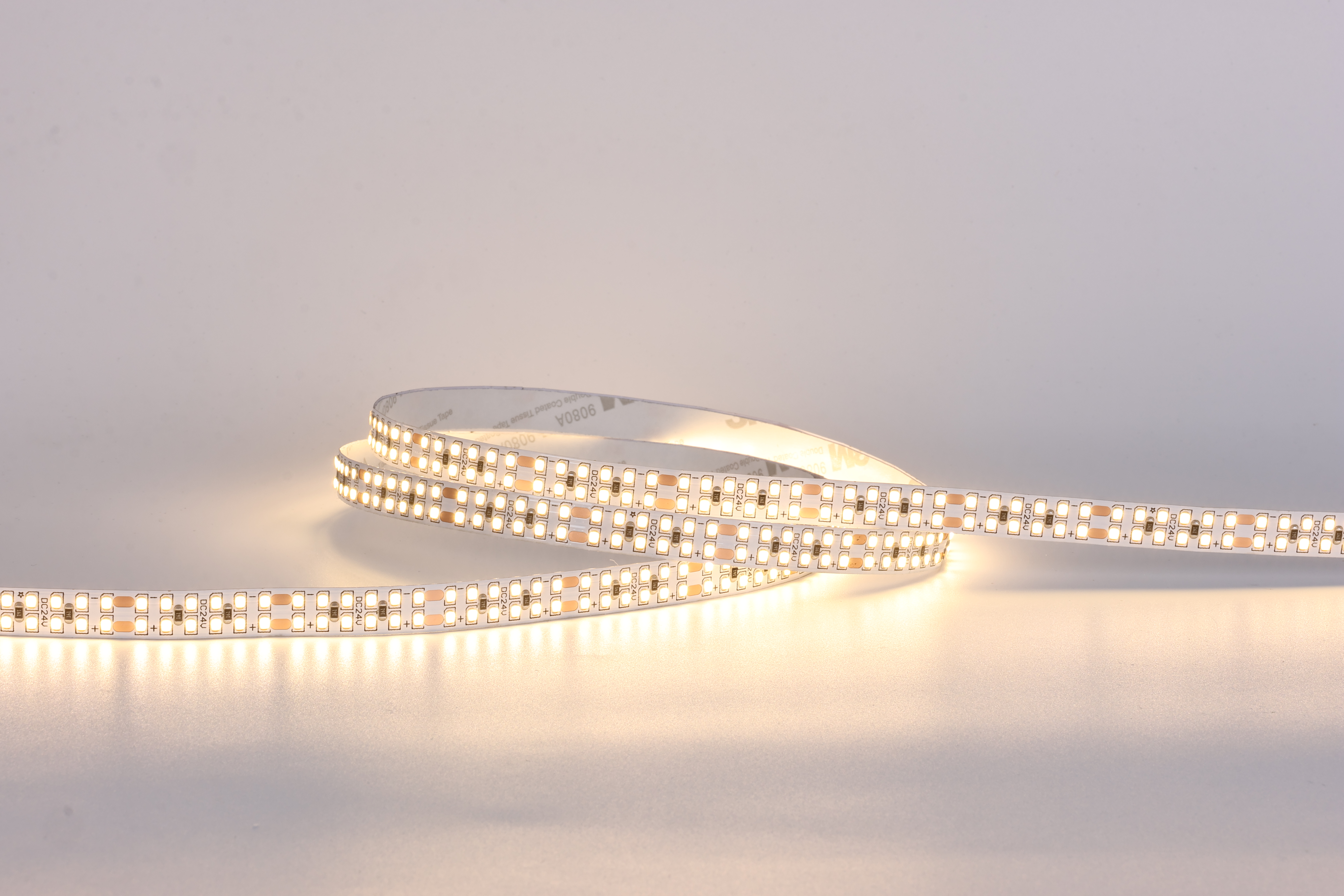
LED tape lighting has revolutionized how we think about accent and ambient illumination in both residential and commercial settings. The durability of flexible light strips depends significantly on maintenance practices, environmental conditions, and the quality of installation. By implementing preventive care strategies and understanding the factors that affect performance, facility managers and homeowners can substantially extend the operational life of adhesive strip lights and maintain optimal lighting conditions throughout their intended service period.
Understanding LED Tape Light Composition and Durability Factors
Material Construction and Environmental Sensitivity
LED tape lighting systems consist of thin circuit boards populated with individual light-emitting diodes, resistors, and other electronic components, all encased in flexible silicone or PVC materials. Adhesive strip lights are engineered to withstand temperature fluctuations, humidity variations, and mechanical stress typical in their operating environments. The silicone coating on flexible light strips provides protection against dust, moisture, and minor physical damage, yet this protective layer requires attention to maintain its integrity and effectiveness over time.
Understanding the composition of your tape light system helps identify potential vulnerabilities and maintenance priorities. High-quality LED tape lighting incorporates better thermal management, superior adhesive formulations, and more robust circuit board construction, all of which contribute to extended lifespan. Environmental factors such as ambient temperature, humidity levels, and exposure to direct sunlight significantly influence how long adhesive strip lights maintain their performance characteristics and visual appeal.
Heat Dissipation and Component Longevity
Heat accumulation represents one of the primary factors affecting the lifespan of flexible light strips. LEDs generate less heat than traditional lighting sources, yet they remain sensitive to elevated temperatures, which accelerate degradation of internal components and reduce light output over time. Proper ventilation and thermal management around tape light installations directly correlate with extended operational life and consistent color rendering throughout the system's service period.
The quality of thermal contact between the LED tape lighting and mounting surfaces influences heat dissipation efficiency. Aluminum mounting channels and profiles facilitate heat transfer away from sensitive components, whereas direct mounting on wood or plastic surfaces can trap heat and reduce component longevity. Professional installation of flexible light strips with appropriate heat management infrastructure significantly extends their functional lifespan compared to poorly ventilated applications.
Practical Maintenance Protocols for Adhesive Strip Lights
Cleaning and Dust Management
Regular cleaning of adhesive strip lights prevents dust accumulation that can trap heat and diminish light output quality. Gentle dry cleaning with soft, lint-free cloths removes surface dust without damaging the silicone coating or exposing internal components. For tape light systems in kitchen or commercial environments where grease and residue accumulate, slightly dampened cloths with mild soap solutions provide effective cleaning without introducing excessive moisture into the lighting assembly.
Cleaning frequency depends on the installation environment and operational demands of your flexible light strips. Kitchen under-cabinet LED tape lighting requires monthly attention, whereas living room accent installations may need cleaning only quarterly. Always power down the tape light system before cleaning to eliminate electrical risks and ensure thorough, safe maintenance of all exposed surfaces.
Connection and Electrical Monitoring
Electrical connections represent critical maintenance points for adhesive strip lights where corrosion, loose contacts, or moisture infiltration can compromise performance or create safety hazards. Periodically inspecting solder joints, connector pins, and power supply contacts identifies potential issues before they result in partial failures or complete system shutdown. For tape light installations using external power supplies, verify that connections remain tight and that no visible corrosion appears on contact surfaces.
Moisture exposure ranks as a significant threat to the longevity of LED tape lighting systems, particularly in bathrooms, outdoor applications, or humid commercial environments. Water intrusion can cause electrical shorts, corrode connections, and damage internal components within flexible light strips. Ensuring proper waterproofing specifications for your tape light installation and maintaining protective silicone coatings prevents moisture-related failures and maintains consistent operational performance throughout the system's intended lifespan.
Power Supply and Driver Management
The power supply serving your adhesive strip lights operates continuously and generates heat that accumulates in confined spaces. Ensure that power supplies remain accessible for inspection and that ventilation around the driver unit prevents thermal stress that could shorten component lifespan. Many failures attributed to tape light systems actually originate in external power supplies operating under inadequate cooling conditions or carrying electrical loads beyond their rated capacity.
Quality power supplies with appropriate wattage capacity and protection circuitry extend the lifespan of both the driver and the connected LED tape lighting. Upgrading from low-cost, undersized power supplies to industrial-grade units rated for continuous duty reduces failures and provides stable voltage delivery that maintains consistent light output across all flexible light strips connected to the system.
Preventive Maintenance Strategies and Lifespan Extension
Optimal Installation Practices
Proper installation of tape light systems establishes the foundation for extended operational lifespan and reliable performance throughout their service period. Mounting flexible light strips on clean, dry surfaces with appropriate adhesive application ensures secure attachment that resists vibration, mechanical stress, and environmental changes that could compromise connections. Installing LED tape lighting in locations with adequate airflow and thermal management prevents heat accumulation that accelerates component degradation and reduces light output consistency.
Professional installation protocols for adhesive strip lights include proper cable routing to prevent mechanical damage, securing power leads away from sharp edges or moving components, and ensuring that tape light systems have adequate spacing from heat sources such as HVAC vents or cooking appliances. These installation practices minimize environmental stress on the lighting system and establish performance baselines that inform subsequent maintenance schedules.
Scheduled Replacement and Component Upgrades
Even with excellent maintenance practices, LED tape lighting systems eventually reach end-of-life as individual diodes lose brightness, color rendition degrades, or internal failures develop. Planning for scheduled replacement of adhesive strip lights at manufacturer-recommended intervals, typically seven to ten years depending on usage patterns, prevents unexpected failures and maintains aesthetic appeal in professional environments. Understanding the expected lifespan of flexible light strips helps facility managers budget for replacements and maintain consistent lighting quality throughout buildings.
Component upgrades can extend functional lifespan of tape light installations without requiring complete system replacement. Upgrading to premium power supplies, replacing corroded connectors, or installing additional heat sinks on existing flexible light strips restores performance and extends service life by years. These targeted interventions prove more cost-effective than complete system replacement and allow organizations to maintain consistency in lighting specifications across different building zones.
FAQ
How often should I clean LED tape lighting systems?
Cleaning frequency for adhesive strip lights depends on environmental conditions and installation location. Kitchen installations with cooking residue and dust should be cleaned monthly using soft, dry cloths or slightly dampened materials with mild soap. Living room or bedroom tape light systems in cleaner environments require quarterly cleaning at minimum. Always power down the tape light installation before cleaning to ensure safety and prevent electrical hazards during maintenance procedures.
What environmental conditions reduce flexible light strips lifespan?
Excessive heat, high humidity, direct sunlight exposure, and poor ventilation significantly reduce the operational lifespan of LED tape lighting systems. Moisture infiltration presents particular risk to adhesive strip lights in bathrooms or outdoor applications, potentially causing electrical shorts and component failure. Maintaining ambient temperatures below manufacturer recommendations, ensuring adequate airflow around tape light installations, and using appropriate waterproofing protection for exposed applications helps extend system lifespan substantially.
Can I repair damaged sections of tape light installations?
Minor damage to flexible light strips such as small cuts in the silicone coating can sometimes be addressed with clear silicone sealant to prevent moisture intrusion. However, significant damage affecting the circuit board, LED diodes, or electrical connections typically requires replacing the entire affected section of tape light rather than attempting repairs. When sections of adhesive strip lights fail electrically or show color inconsistency, removing the damaged segment and installing new LED tape lighting maintains system performance and visual appearance more effectively than attempting complex repairs.
 EN