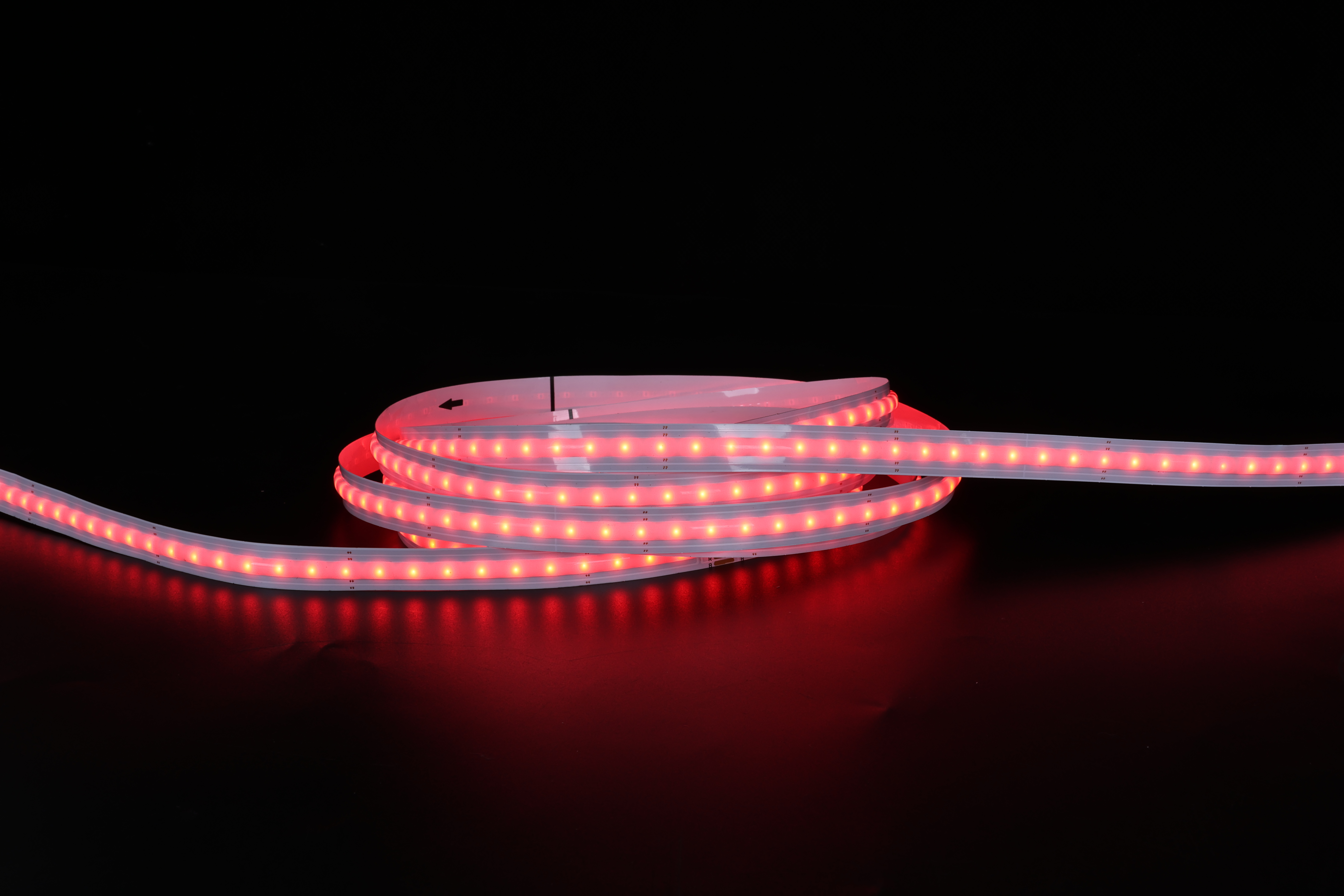
Understanding the cost to install an LED strip requires examining multiple factors beyond just the product price itself. Installation expenses vary significantly depending on the complexity of your project, the type of flexible LED lighting you choose, and whether you hire a professional or handle the work yourself. Whether you're planning under-cabinet kitchen lighting, accent walls, or commercial display applications, knowing the true cost breakdown helps you budget accurately and make informed decisions about your lighting upgrade.
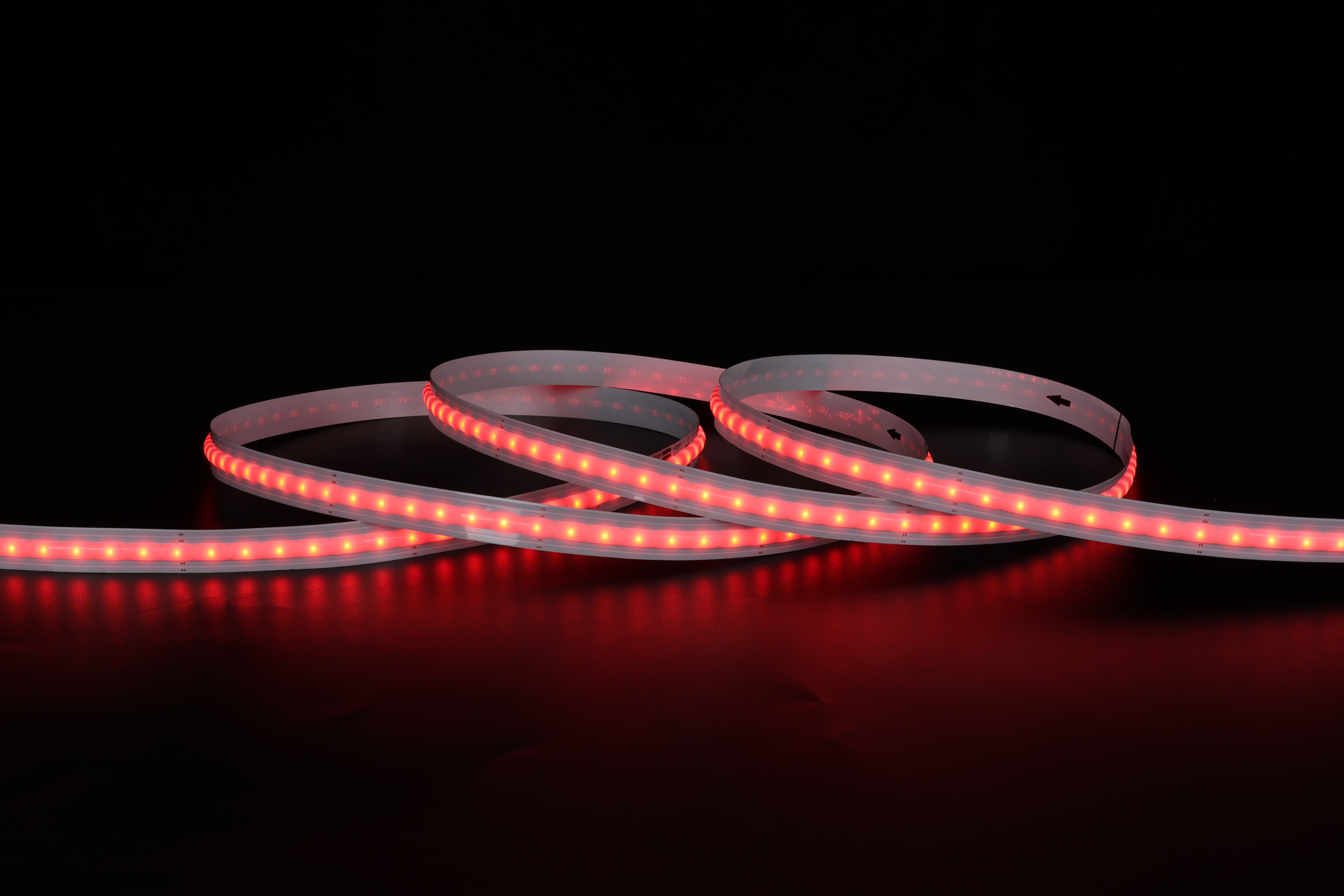
An LED strip installation cost typically ranges from $100 to $500 for residential applications, though larger commercial projects can exceed $2,000. This guide breaks down the components contributing to your total expense, helping you understand where your investment goes and what factors influence final pricing in flexible LED lighting installations.
Material and Product Costs for LED Strip Systems
The foundation of any LED strip installation cost begins with the product itself. A standard RGB LED strip typically costs between $15 and $50 per 16-foot roll, depending on quality, brightness specifications, and color-changing capabilities. Premium flexible LED lighting options with advanced dimming controls or smart home integration can reach $80 to $150 per roll, while basic single-color strips start around $10 to $20.
Beyond the strip itself, you'll need supporting components that add to your overall expense. A power supply unit ranges from $15 to $60, while controllers for RGB LED strip systems cost $20 to $100. If you want wireless control through your smartphone or home automation system, expect to invest an additional $40 to $150. Mounting brackets, adhesive backing replacements, and connectors typically add $10 to $30 to your flexible LED lighting project budget.
Calculating Material Requirements
Before purchasing, measure the total linear footage you need to cover. This determines how many rolls of LED strip material you'll require. A standard under-cabinet kitchen installation uses two to three rolls, while an accent wall or entertainment center might need four to six rolls. Longer installations naturally increase material costs proportionally, making accurate measurement essential for budgeting your flexible LED lighting system.
Professional Installation Labor and Service Fees
If you hire a professional to install your LED strip, labor represents the largest portion of your total cost. Electricians typically charge between $50 and $150 per hour, with most LED strip installation projects requiring 2 to 4 hours of work. This means professional installation labor alone can cost $100 to $600, significantly impacting your overall budget for RGB LED strip systems. Complex installations requiring wiring through walls or integration with existing electrical systems will be more expensive.
Service call fees, travel charges, and design consultation add another layer to installation expenses. Many contractors require a minimum service charge of $75 to $150 just to visit your location and assess the project scope. If your flexible LED lighting installation requires modifications to existing electrical infrastructure, you may need to hire a licensed electrician, whose rates and expertise command premium pricing compared to general handyman services.
Factors Affecting Labor Pricing
Your geographic location significantly influences labor costs for LED strip installation. Urban and metropolitan areas typically charge 20 to 40 percent more than rural regions for the same work. Project accessibility matters too; hard-to-reach areas like cathedral ceilings or outdoor installations increase complexity and time requirements. If your RGB LED strip installation requires electrical upgrades, additional permits, or integration with smart home systems, expect labor costs to rise proportionally.
DIY Installation versus Professional Services
Installing an LED strip yourself eliminates labor costs entirely, reducing your total expense to just materials and components. For straightforward applications like under-cabinet flexible LED lighting, many homeowners successfully complete the project in 30 minutes to 2 hours with basic tools. This DIY approach can save $200 to $400 compared to hiring professionals, making it attractive for budget-conscious projects where the installation path is straightforward and doesn't require electrical work.
However, DIY installation requires careful planning and some technical knowledge. You'll need to understand power supply calculations, ensure proper polarity connections, and troubleshoot any connectivity issues with your RGB LED strip system. If mistakes occur, correcting them may ultimately cost more than hiring a professional initially. Additionally, projects involving wall penetrations, outdoor weatherproofing, or integration with existing electrical systems should generally be handled by licensed professionals to ensure safety and compliance with building codes for your flexible LED lighting installation.
Skill Level and Project Complexity Considerations
Simple surface-mounted LED strip installations on clean, flat surfaces require minimal skill and can typically be completed by anyone following manufacturer instructions. More complex scenarios, such as concealing wiring, creating seamless corners, or integrating RGB LED strip systems with smart home platforms, demand greater expertise. If your installation involves outdoor use requiring weatherproofing, underground routing, or commercial-grade flexible LED lighting specifications, professional installation becomes increasingly valuable and often necessary for proper performance and warranty compliance.
Additional Expenses and Hidden Costs
Beyond basic materials and labor, several hidden expenses often emerge during LED strip installation planning. Electrical upgrades, such as adding dedicated circuits or installing new outlets near your installation area, can cost $100 to $300 depending on complexity. If your flexible LED lighting project requires wall modifications, surface preparation, or removal of existing fixtures, factor in an additional $50 to $200. Weatherproofing supplies for outdoor LED strip applications add $20 to $100 to your total expense.
Permits and inspections, required in some jurisdictions for commercial RGB LED strip installations or projects exceeding certain voltage thresholds, typically cost $50 to $300. Design consultation fees from lighting specialists range from $75 to $200 if you want professional guidance on layout, color selection, and integration strategies. Shipping costs for specialized materials or expedited delivery can add $15 to $50, particularly if you need flexible LED lighting components quickly for time-sensitive projects.
Long-Term Maintenance and Warranty Considerations
Quality LED strip systems typically include warranties ranging from 1 to 3 years, but some extended warranty packages cost $30 to $100 additional. Replacement components for your RGB LED strip system may be needed after several years of use, particularly the power supply or controller units. Planning for eventual maintenance costs helps establish a realistic long-term budget for flexible LED lighting installations that will serve you for 5 to 10 years or more with proper care.
FAQ
What is the average cost to install a single room LED strip?
For a typical bedroom or living room with under-cabinet or accent lighting using flexible LED lighting, expect to spend $150 to $400 for materials if installing yourself, or $400 to $800 if hiring a professional. This covers the LED strip, power supply, controller, and basic mounting hardware for a single-room RGB LED strip installation. Larger spaces or multiple installation areas will increase costs proportionally.
Can I save money by installing my LED strip myself?
Yes, DIY installation can save $200 to $500 in labor costs for straightforward projects. However, ensure you understand basic electrical safety and follow manufacturer instructions carefully for your flexible LED lighting system. For complex installations involving wall modifications or electrical integration, professional LED strip installation may be worth the expense to avoid costly mistakes and ensure proper functioning of your RGB LED strip.
What factors most significantly impact total LED strip installation cost?
Project scope, professional labor rates, and component quality are the three largest cost drivers. A large commercial RGB LED strip installation with extensive flexible LED lighting coverage, professional design, and complex integration will cost significantly more than a simple residential accent strip. Geographic location, accessibility, and whether electrical upgrades are needed also substantially influence your final LED strip installation expense.
 EN