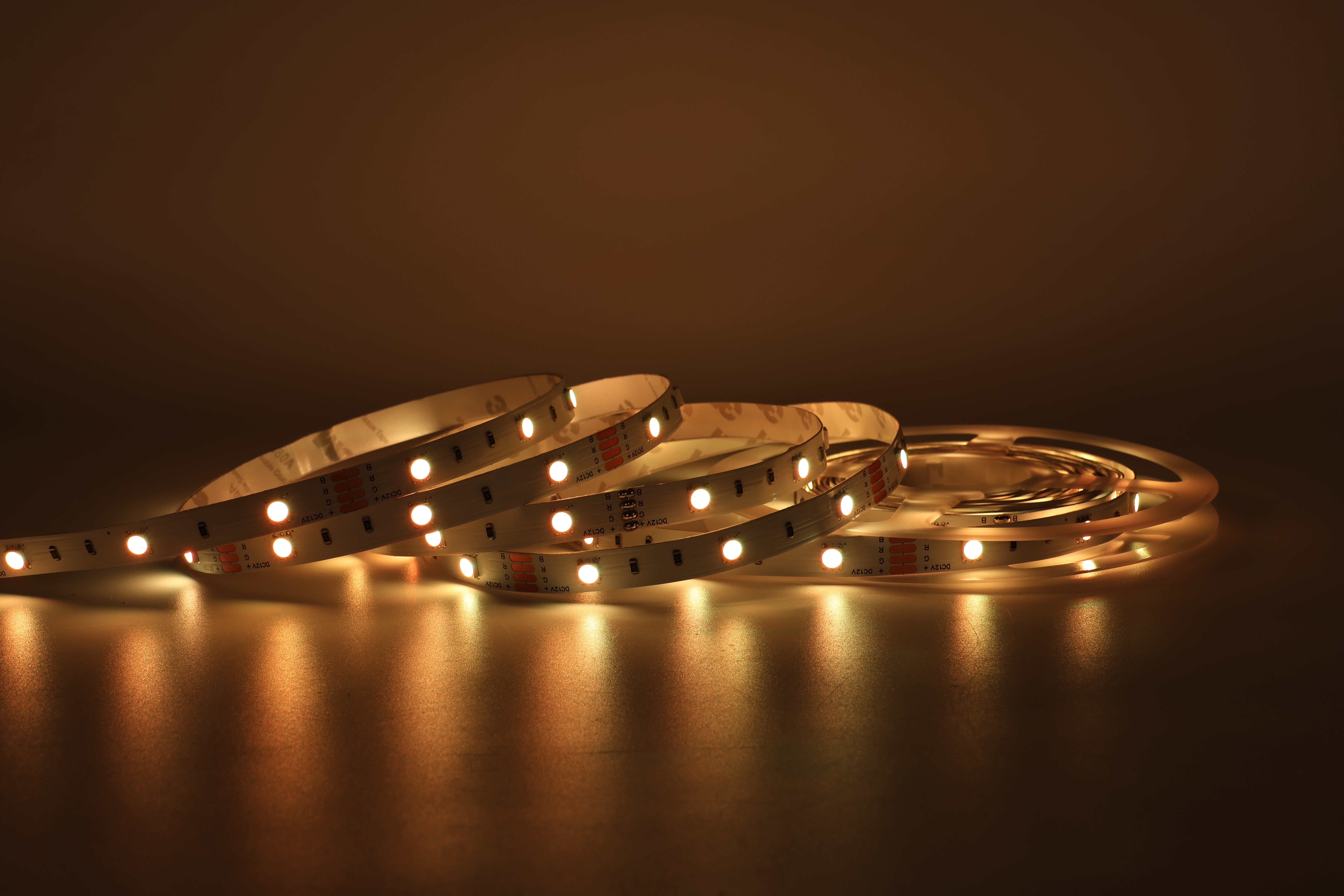
Selecting the right tape light involves understanding your specific lighting needs, space dimensions, color temperature preferences, and installation requirements. Whether you need adhesive strip lights for under-cabinet illumination, flexible light strips for cove lighting, or decorative ambient effects, the selection process requires careful attention to technical specifications and practical constraints. This guide walks you through the essential factors that distinguish quality tape light solutions and helps you make an informed decision aligned with your project goals.
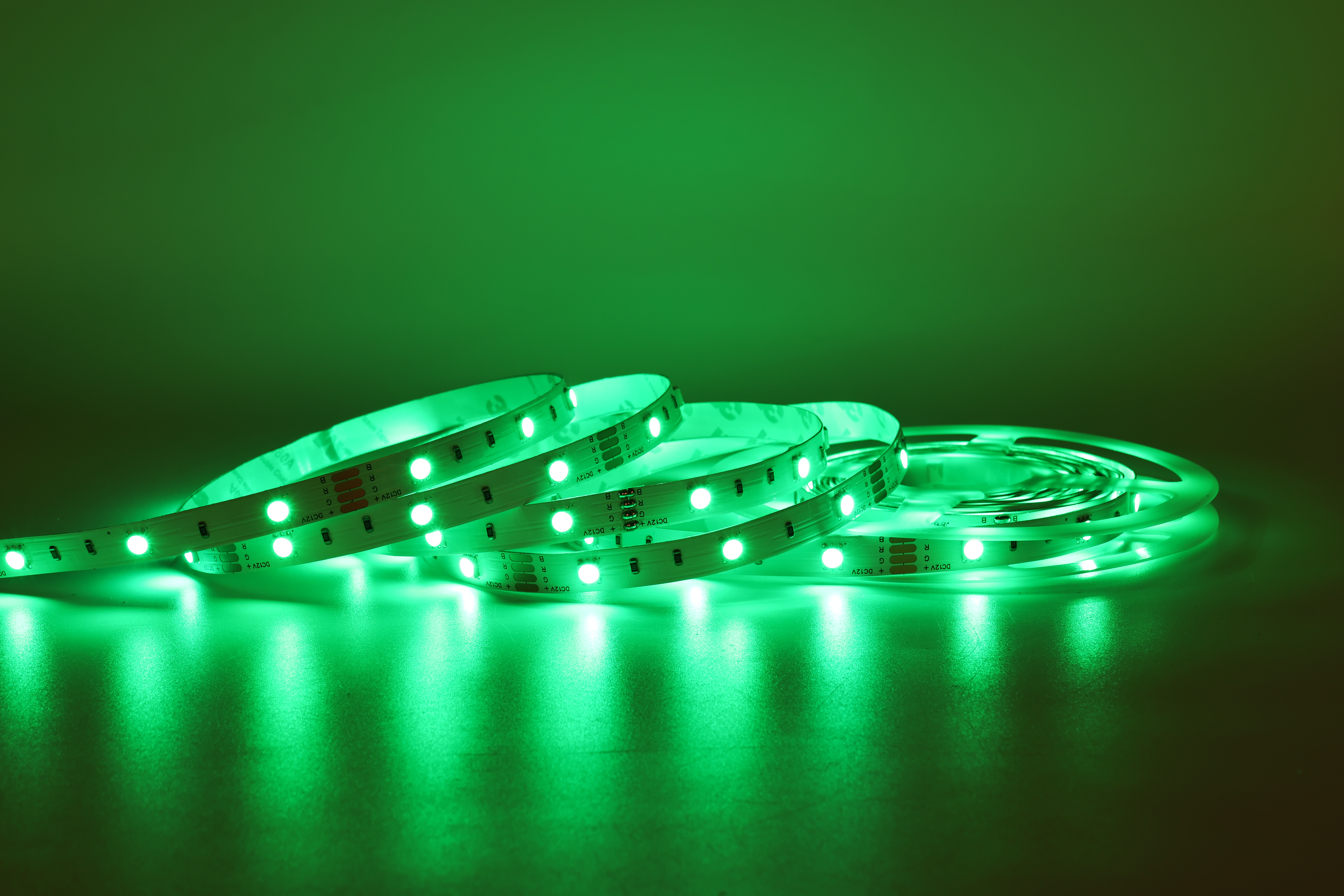
Understanding the core differences between LED tape lighting types helps you avoid costly installation mistakes and ensures long-term performance. Flexible light strips come in various configurations, from simple single-color units to multi-channel RGB systems with smart controls. The adhesive backing quality, copper trace thickness, LED density, and power supply compatibility all directly impact durability, brightness output, and installation ease. Industrial and commercial applications demand higher standards than residential accent lighting, requiring attention to thermal management, waterproofing ratings, and dimming capabilities.
Understanding Tape Light Specifications and Output
Brightness and LED Density Considerations
LED tape lighting brightness is measured in lumens per foot or lumens per meter, directly influencing visibility and effectiveness in your intended space. Higher LED density means more diodes packed along the strip, delivering greater light output but requiring more power draw and generating additional heat. For task lighting applications like under-cabinet kitchen illumination, you need approximately 300 to 500 lumens per foot for adequate work surface visibility. Accent lighting and ambient applications typically require lower outputs of 100 to 200 lumens per foot, allowing you to create comfortable atmospheric effects without overwhelming the space.
The number of LEDs per meter varies dramatically between product lines, ranging from 30 LEDs per meter for ambient solutions to over 300 LEDs per meter for high-output applications. Adhesive strip lights with 120 to 144 LEDs per meter offer excellent balance between output and power consumption for most residential projects. Commercial-grade flexible light strips often feature 240 to 288 LEDs per meter, delivering superior brightness for retail displays, architectural accent lighting, and professional installations.
Color Temperature and Color Rendering
Selecting the correct color temperature for your tape light profoundly affects the visual atmosphere and perceived space characteristics. Warm white options around 2700K to 3000K create cozy, inviting environments suitable for residential living areas, restaurants, and hospitality settings. Neutral white at 4000K to 4500K works exceptionally well for task lighting, kitchens, and retail environments where color accuracy and visual clarity matter.
Multi-color LED tape lighting and tunable white flexible light strips allow dynamic adjustments, letting you transition between different color temperatures based on time of day or specific activities. Color rendering index (CRI) ratings above 90 ensure that adjacent surfaces and colors appear natural and vibrant, particularly important for retail displays and design-sensitive environments. Consider whether your adhesive strip lights need single-temperature performance or whether tunable capabilities align with your long-term usage patterns and aesthetic goals.
Installation Environment and Adhesive Performance
Surface Preparation and Mounting Security
The quality of adhesive backing on flexible light strips determines installation success and long-term reliability in your chosen environment. Premium-grade adhesive works best on clean, dry, smooth surfaces with adequate surface energy for strong molecular bonding. Dust, oils, moisture, and surface contaminants dramatically reduce adhesive performance, potentially causing tape light sections to separate after weeks or months of installation. Thorough surface cleaning with isopropyl alcohol and allowing adequate drying time before applying adhesive strip lights ensures maximum adhesion strength and prevents premature failure.
Temperature fluctuations and humidity levels significantly impact adhesive performance across seasons and geographic locations. Spaces with high moisture exposure, such as bathrooms or outdoor installations, require specialized waterproof adhesive formulations and sealed connectors to prevent corrosion and water damage to LED components. For under-cabinet kitchen applications, ensure your tape light adhesive can withstand temperature variations from freezer proximity and cooking heat.
Power Supply Compatibility and Circuit Planning
LED tape lighting systems require appropriate power supplies matched to voltage specifications, total wattage demands, and control requirements for reliable operation. Most standard adhesive strip lights operate at 12 volts DC, while some professional-grade flexible light strips use 24 volts DC or 110/220 volts AC depending on design and geography. Undersized power supplies cause voltage sag, reduced brightness, color shifting, and premature LED failure across longer tape light runs. Calculate your total LED wattage by multiplying the watts per meter by total installed length, then select a power supply rated for 20 to 30 percent above calculated demand to ensure thermal headroom and stable performance.
Matching Tape Light Solutions to Specific Applications
Residential and Accent Lighting Applications
Residential applications for LED tape lighting range from subtle accent features in living spaces to functional task lighting in kitchens and bathrooms. Under-cabinet kitchen lighting represents the most common residential use, where adhesive strip lights provide shadow-free illumination on countertops during food preparation. Cove lighting along ceiling edges creates sophisticated ambient effects, with flexible light strips delivering indirect illumination that enhances room dimensions and visual interest. Bedroom headboard applications, shelving accents, and entertainment system backlighting all benefit from the compact profile and design flexibility of modern tape light solutions.
For residential projects, prioritize tape light products with user-friendly installation, reliable adhesive backing, and straightforward power connections that don't require professional electrician involvement. Dimmable flexible light strips and remote-controlled systems add convenience and allow occupants to adjust lighting to match activities and moods throughout the day. Consider color temperature carefully for living spaces, favoring warm white tones that complement interior design and promote relaxation. Adhesive strip lights with integrated diffusers soften harsh shadows and create more aesthetically pleasing lighting effects in visible installations.
Commercial and Professional Installations
Commercial applications demand higher durability standards, greater light output, and superior color consistency from LED tape lighting systems compared to residential alternatives. Retail displays require high-quality flexible light strips with excellent color rendering to showcase merchandise accurately and enhance customer visual experience. Restaurant and hospitality lighting uses tape light for accent features, architectural definition, and ambient atmosphere creation that significantly impacts customer perception and satisfaction. Professional installations often specify commercial-grade adhesive strip lights with extended warranties, documented performance specifications, and technical support availability.
Architectural and design-focused projects utilize flexible light strips for sophisticated lighting design, creating visual drama and spatial definition in luxury residential and commercial environments. Museum displays, gallery lighting, and high-end retail installations depend on tape light solutions with precise dimming control, consistent color output, and minimal light flicker for professional presentation. Integrating your tape light systems with building automation and smart controls enables energy efficiency, scheduled operation, and adaptable ambiance matching specific business requirements. Professional installation expertise ensures optimal performance, proper thermal management, and integration with existing electrical infrastructure and control systems.
FAQ
What factors determine the best brightness level for my tape light project?
Brightness requirements depend primarily on your intended use and space characteristics. Task lighting applications like under-cabinet kitchen work require 300 to 500 lumens per foot for adequate visibility, while ambient accent lighting typically needs only 100 to 200 lumens per foot. Consider the distance from your tape light to work surfaces, ambient lighting from other sources, and whether you prioritize brightness or subtle atmospheric effects. Testing sample LED tape lighting in your actual space before committing to full installation helps confirm that brightness levels match your expectations and project goals.
How do I ensure my adhesive strip lights stay securely attached long-term?
Proper surface preparation is absolutely critical for reliable adhesive strip lights performance. Clean your installation surface thoroughly with isopropyl alcohol to remove dust, oils, and contaminants that prevent strong bonding. Allow the surface to dry completely before applying your flexible light strips, and consider using rubbing alcohol wipes to maximize surface cleanliness. For high-temperature areas or moisture-prone environments, test adhesive performance on a small section first. Strong, premium-quality adhesive on properly prepared surfaces provides secure attachment that maintains performance for many years in stable environments.
Can I install LED tape lighting without professional electrical expertise?
Most adhesive strip lights and flexible light strips designed for residential use feature straightforward installation that doesn't require professional electrician expertise, using simple plug-and-play power connections and self-adhesive mounting. Ensure you select tape light products within safe voltage ranges (typically 12 volts DC) and use appropriate power supplies designed for your specific system. However, complex integrations with home automation systems, extensive commercial installations, or connections to existing building electrical infrastructure may require professional expertise. When in doubt, consulting with experienced installers ensures your tape light system operates safely and performs reliably for years.
 EN