 EN

how-to-troubleshoot-flexible-led-strip-lights-issues, how-to-troubleshoot-flexible-led-strip-lights-issues, /news
EN
2026/09/10
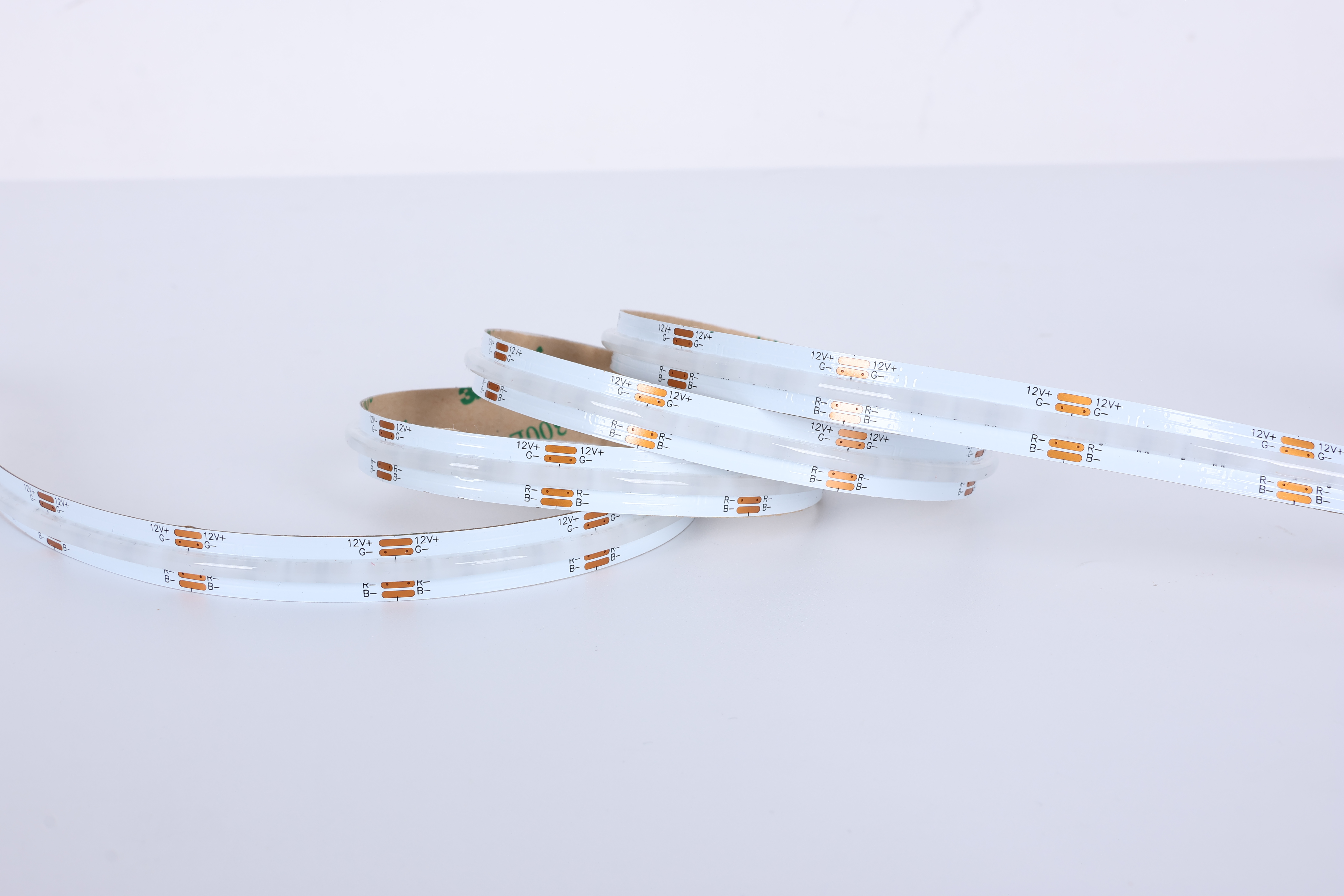
When your flexible LED strip lights stop working or perform poorly, the issue often stems from common installation mistakes, power supply problems, or connectivity failures rather than equipment defects. Understanding how to diagnose and resolve these problems quickly can save time and prevent unnecessary replacements. Whether you're dealing with bendable LED tape lighting that won't turn on, RGB flexible strip lights showing incorrect colors, or waterproof LED strip installation challenges, a systematic troubleshooting approach will help you identify the root cause and implement the right fix.
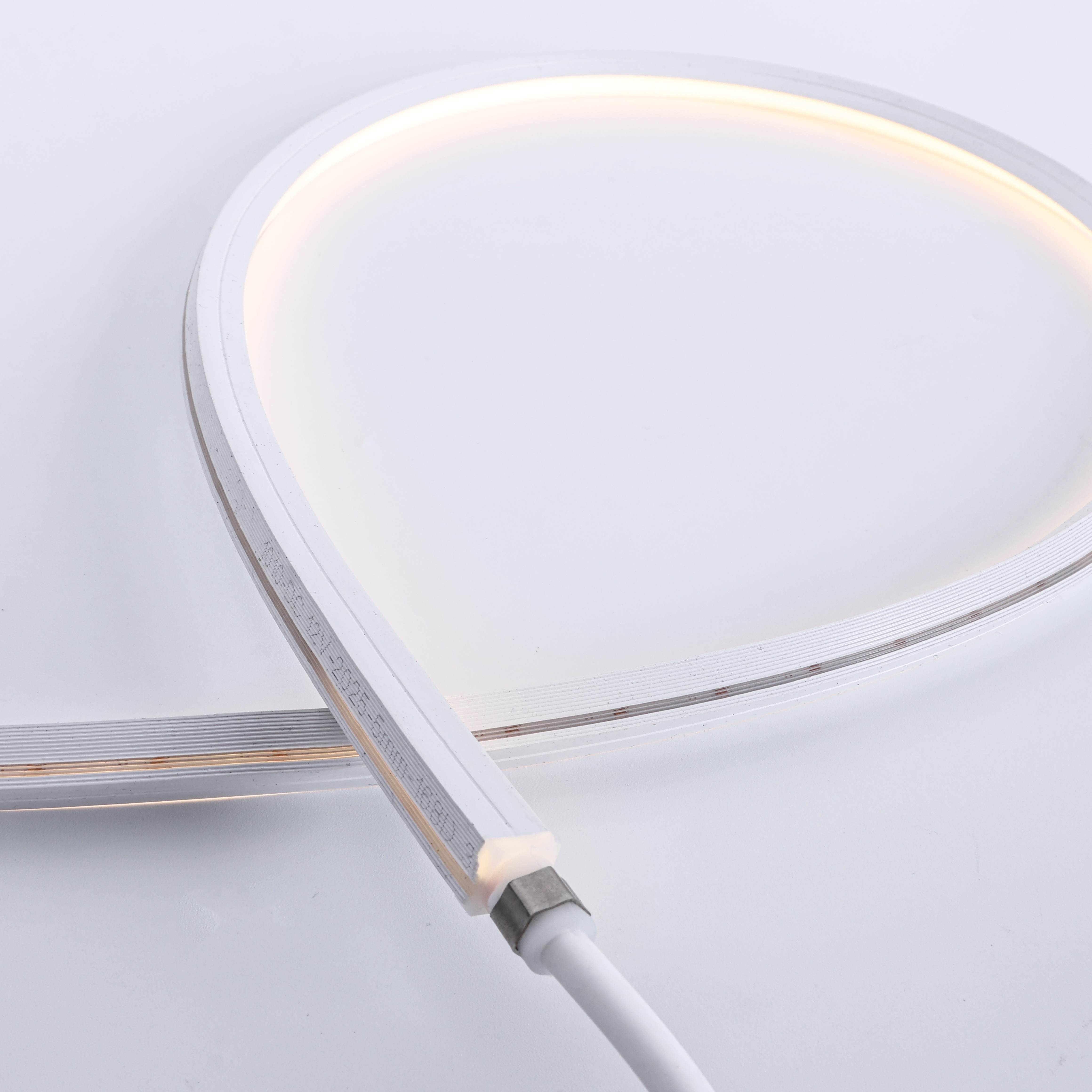
Most troubleshooting situations for bendable LED tape lighting and RGB flexible strip lights follow predictable patterns once you know where to look. Before contacting support or purchasing replacement components, you should verify power delivery, check connection integrity, inspect the control system, and confirm proper installation procedures. This guide walks you through each diagnostic step so you can restore your lighting system to full functionality.
The first place to check when flexible LED strip lights aren't functioning is the power supply itself. Confirm that the adapter is plugged into a working outlet by testing the outlet with another device. Look for any visible damage to the power cord, and ensure the adapter's output voltage matches your strip specifications—most flexible LED strip lights operate on 12V or 24V DC. If the adapter shows no indicator light or feels warm to the touch, it may have failed and needs replacement.
Use a multimeter to measure voltage directly at the power connector to eliminate guesswork. Set the multimeter to DC voltage mode, connect the probes to the positive and negative terminals at the strip's input, and verify the reading matches your system's rated voltage. If the voltage reads zero or significantly lower than expected, the power supply or the connection between the adapter and strip requires attention. This diagnostic step applies equally to waterproof LED strip installation scenarios where weatherproofing may have compromised connections.
Poor connections cause the majority of flexible LED strip lights failures. Inspect every junction point where the strip connects to the power adapter or controller—moisture, dust, or loose contacts can interrupt power flow entirely. For bendable LED tape lighting, ensure the connector isn't bent or crimped, which could damage internal contacts. If your RGB flexible strip lights show partial operation or flicker, a loose positive or negative wire often causes inconsistent power delivery to specific sections.
Remove and reinsert all connectors firmly, watching for proper seating. If connections repeatedly loosen, consider applying a small amount of dielectric grease to prevent oxidation, but avoid using standard conductive paste. For waterproof LED strip installation, verify that all connectors are rated for the moisture level in your environment and that gaskets or seals are properly positioned before reassembling connections.
When your RGB flexible strip lights aren't responding to remote commands or controllers, signal transmission has likely broken down somewhere in the system. First, check whether the controller itself receives power by looking for indicator lights or pressing buttons while holding your phone's camera near the remote's infrared emitter—the camera will show invisible infrared light on its display. If no light appears, the remote's batteries may be dead or the remote itself has failed. Replace batteries with fresh ones and test again before concluding the remote is defective.
If your flexible led strip lights still won't respond, check that the controller is properly connected between the power supply and the strip itself. The control module must receive both power and the data signal from the remote. Test this by connecting the strip directly to power without the controller—if it turns on at full brightness, the control module or its wiring needs investigation. For complex setups involving multiple bendable LED tape lighting sections, verify that each connection follows the manufacturer's diagram exactly.
Many RGB flexible strip lights problems resolve with a simple system reset. Disconnect the power supply completely for thirty seconds, which clears any memory corruption in the controller's microprocessor. Reconnect power and test the remote response. For waterproof LED strip installation where weatherproofing seals the electronics, reset procedures should occur before final sealing to ensure the system initializes correctly with sealed components.
If color mixing appears incorrect or sections display inconsistently, recalibrate the control system by performing a factory reset following your manufacturer's instructions. Some controllers require holding a button combination for specific durations to clear custom settings and restore defaults. This step often fixes color balance issues with bendable LED tape lighting where RGB channels have drifted out of synchronization.
Poor surface preparation causes many flexible LED strip lights to fail prematurely or operate unreliably. The adhesive backing requires a clean, dry, dust-free surface for proper adhesion. Before applying your RGB flexible strip lights or bendable LED tape lighting, wipe the installation surface thoroughly with a lint-free cloth and allow it to dry completely. Oil, paint residue, or protective films on the surface will cause the strip to separate, creating visible gaps and potential short circuits.
For waterproof LED strip installation in outdoor or humid environments, ensure the surface is completely dry before application. Moisture trapped beneath the strip promotes adhesive failure and creates conditions for electrical problems. If your strip has already separated, remove residual adhesive using rubbing alcohol and reapply the strip carefully, pressing firmly along its entire length to ensure complete contact.
Temperature extremes affect flexible LED strip lights performance significantly. Bendable LED tape lighting becomes brittle and prone to cracking in extreme cold, while excessive heat reduces LED lifespan and can melt the silicone coating. Check whether your installation location experiences temperature fluctuations beyond the strip's rated range. Most RGB flexible strip lights operate reliably between -20°C and 50°C, though specifications vary by model.
For waterproof LED strip installation, thermal expansion and contraction cycles accelerate seal degradation if the strip is overtightened or improperly secured. Allow room for slight expansion in long runs, and verify that mounting hardware doesn't pinch the flexible housing. If LEDs dim progressively during operation, thermal stress is likely building within the strip—ensure adequate ventilation around the installation and confirm the power supply can deliver stable voltage under continuous operation.
Unexpected shutoffs typically result from thermal protection activating when internal temperatures exceed safe limits, loose power connections that intermittently disconnect, or controller faults that lose synchronization with the remote. Check that your bendable LED tape lighting installation provides adequate ventilation around the strip's housing, inspect all connections for corrosion or looseness, and confirm the power adapter can supply the rated current continuously. If waterproof LED strip installation is sealed tightly, ensure ventilation holes or gaps aren't completely blocked.
Color problems in RGB flexible strip lights usually stem from one LED channel receiving inconsistent power, a partial connection failure in a specific section, or controller calibration drift. Try resetting the entire system by disconnecting power for thirty seconds, then reconnecting and testing single colors through your remote. If only certain sections display wrong colors, that portion may have a failed connection—inspect bendable LED tape lighting connections in that area and reseat any loose contacts. For waterproof LED strip installation, verify that moisture hasn't penetrated any connector seals.
Individual LED segments within bendable LED tape lighting can sometimes be bypassed if they fail, but complete section replacement is more reliable. If only a short section of your RGB flexible strip lights is damaged, you can cut at the designated cut lines and solder a new section using appropriate low-temperature solder and heat shrink tubing. For waterproof LED strip installation, ensure all repaired connections are sealed with silicone or other weatherproof compounds after soldering. Most users find purchasing a replacement strip more practical than attempting repairs on waterproof units.
