 EN

what-maintenance-do-waterproof-led-strip-lights-need, what-maintenance-do-waterproof-led-strip-lights-need, /news
EN
2026/09/19
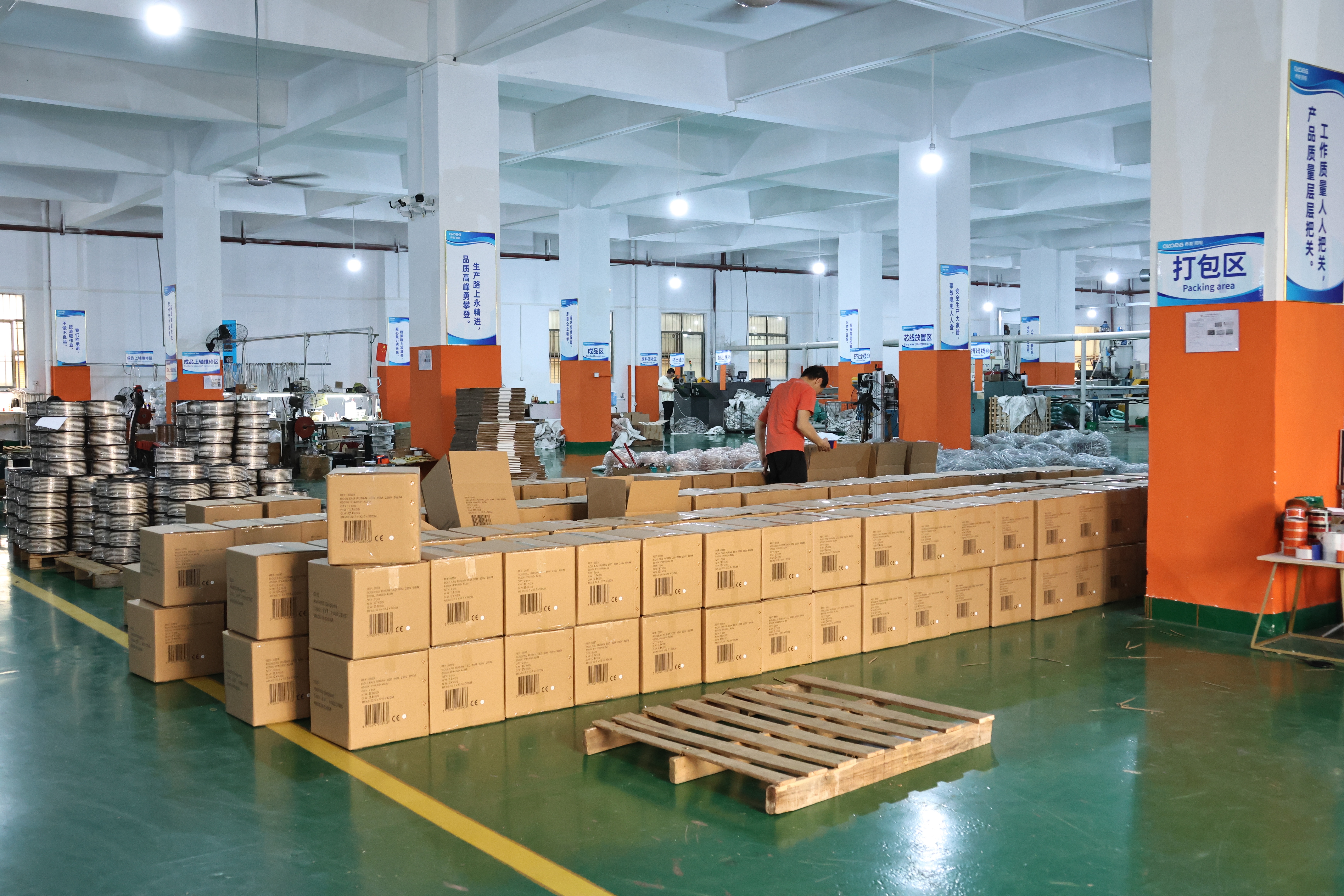
Waterproof LED strip lights are increasingly popular for both residential and commercial applications, but many installers and property managers overlook the maintenance requirements that keep these systems performing reliably. Whether you've installed waterproof LED strip lights in a swimming pool area, outdoor facade, or industrial environment, understanding the proper care routine is essential to maximize lifespan and maintain consistent brightness. Unlike standard LED strips, waterproof LED strip lights demand specific attention to moisture management, electrical connections, and protective coatings to ensure they continue functioning safely and efficiently over time.
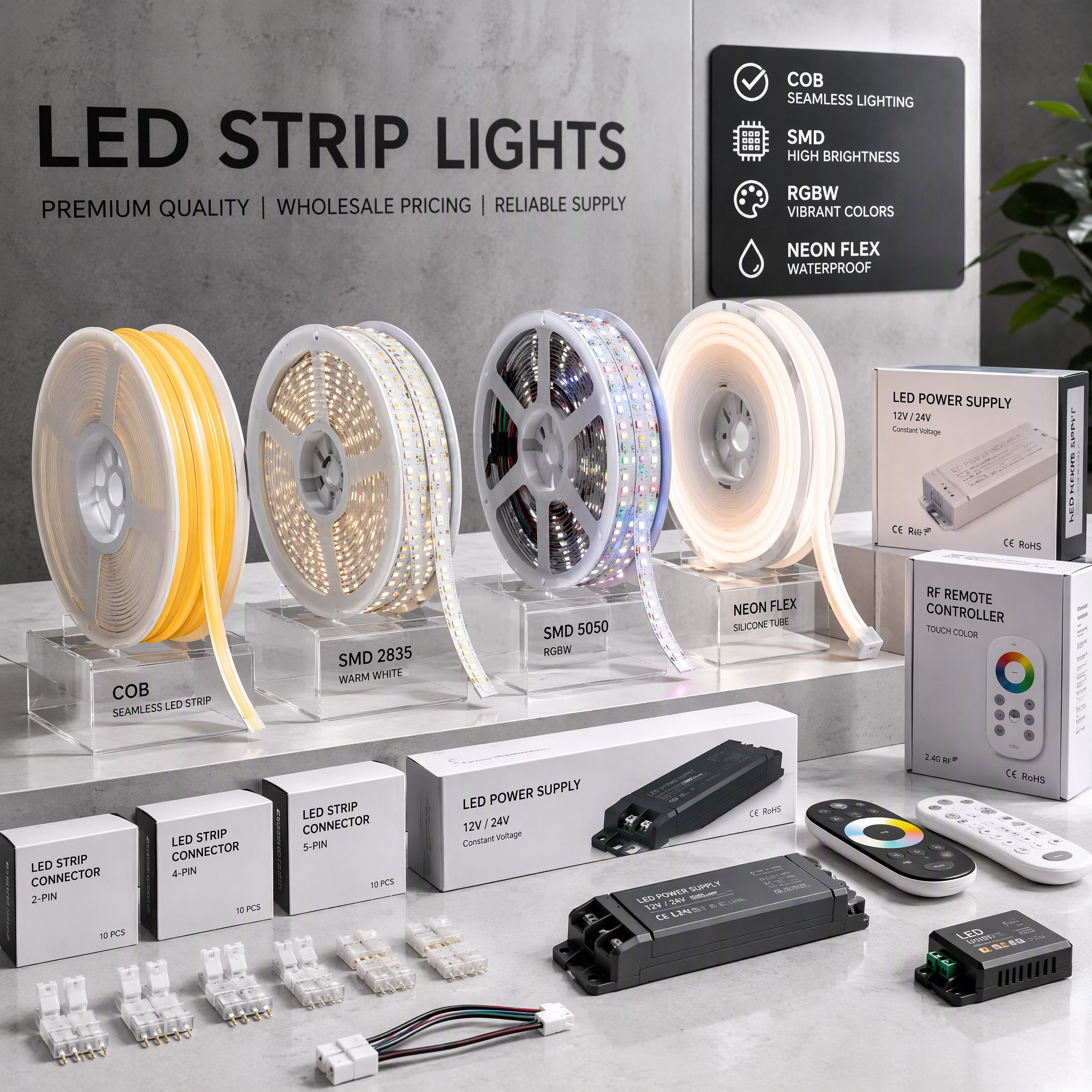
The maintenance needs of outdoor LED strip lights and IP rated LED strips differ significantly from their indoor counterparts, requiring a proactive approach to environmental challenges. Regular upkeep protects your investment, prevents safety hazards, and reduces unexpected downtime or replacement costs. This guide walks you through the key maintenance practices that will keep your water resistant led lighting performing at peak capacity throughout the seasons.
Dust, salt spray, algae, and debris accumulation are among the most common threats to outdoor LED strip lights. Over time, buildup reduces light output and can trap moisture against the surface, compromising the seal. Begin by powering down your system completely before any maintenance work begins. Use a soft microfiber cloth slightly dampened with distilled water to gently wipe the strip surface, avoiding harsh scrubbing that might damage the waterproof coating. For stubborn deposits in coastal or agricultural areas, a mild diluted soap solution applied with a soft brush works effectively; rinse thoroughly with distilled water to prevent mineral residue from forming electrical resistance points.
IP rated LED strips carry ratings that define their water resistance level—IP65 resists water jets, IP67 withstands brief submersion, and IP68 handles prolonged underwater use. Inspect seals quarterly, especially at connection points, silicone encasements, and cable entries where moisture commonly penetrates. Look for visible condensation inside the housing or discoloration on the LED chips themselves, which indicates seal failure. If water has entered the unit, do not attempt operation; instead, allow the strip to dry completely in a warm, ventilated space before troubleshooting or replacement. Applying a thin silicone-based sealant around cable connections reinforces protection without interfering with electrical function.
The connection points on waterproof LED strip lights are critical vulnerability areas where oxidation and salt corrosion typically begin. Every six months, inspect connectors for white powdery deposits, discoloration, or loose contacts that suggest corrosion has started. Turn off power and carefully examine both the male and female connector ends; gently clean any visible corrosion with a dry soft cloth. For heavily corroded connectors, use a pencil eraser on the gold-plated contact areas, then apply a thin protective coating of dielectric grease to shield from future moisture and salt exposure. Water resistant led lighting systems benefit significantly from UV-rated cable management; replace any fraying or cracked cable insulation immediately to prevent short circuits.
The power supply and control system driving your outdoor LED strip lights require consistent attention to ensure reliability. Check that the transformer or power supply remains in a dry, protected location, elevated above ground level where water and moisture cannot accumulate. Monitor the unit quarterly for any unusual sounds, overheating, or dimming behavior, which may signal internal degradation. If your outdoor LED strip lights are controlled by a wireless or smart controller, verify that the signal range remains clear and that the device has adequate ventilation. Replace batteries in remote controls annually or when signal strength visibly weakens, as low voltage can cause dimming before complete failure.
Freezing temperatures, heavy snow, and extended moisture exposure create compound stresses on waterproof LED strip lights. Before winter, perform a complete visual inspection and run a full brightness test to establish a baseline. If your system will remain powered during winter, verify that the installation location allows adequate drainage and does not collect standing water or ice dams. For systems that will be shut down seasonally, store them in a climate-controlled space away from extreme temperatures and humidity. Clean the strips thoroughly before storage and ensure all connections are dry; consider wrapping the entire unit loosely in acid-free tissue paper to provide dust protection without trapping moisture.
When reactivating IP rated LED strips after seasonal shutdown, do not power them immediately to full brightness. Start at 25 percent output and allow the system to stabilize for 15 minutes, checking for any unusual behavior before increasing to full operational level. This gradual ramp prevents thermal shock that can stress aging components. Run a comprehensive visual inspection, connector test, and brightness measurement to confirm that storage did not degrade performance. If light output has noticeably dimmed compared to your baseline reading, clean the diffuser and lens elements thoroughly; if dimming persists, the LED chips or driver circuit may require replacement.
Clean outdoor LED strip lights every three months in normal conditions, and monthly in coastal, dusty, or polluted environments where salt spray or industrial particles accelerate buildup. Visual inspection should occur quarterly regardless, and power-off cleaning prevents electrical hazards while removing surface contaminants that reduce brightness and trap moisture.
If moisture has entered the housing, do not attempt to operate the unit. Allow complete air drying for 48–72 hours in a warm, dry location with good ventilation. If condensation reappears or the strips do not function normally after drying, the seal has failed permanently and replacement is necessary to prevent electrical hazards and short circuits.
Establish a monthly visual inspection and connector check, quarterly thorough cleaning and seal verification, and seasonal pre-winter and post-season commissioning protocols. Keep detailed maintenance logs noting cleaning dates, any issues observed, and performance baseline readings, which help identify degradation patterns and plan proactive replacements before failure occurs.
