 EN

what-makes-rgbic-led-strip-different-from-standard-rgb, what-makes-rgbic-led-strip-different-from-standard-rgb, /news
EN
2026/09/19
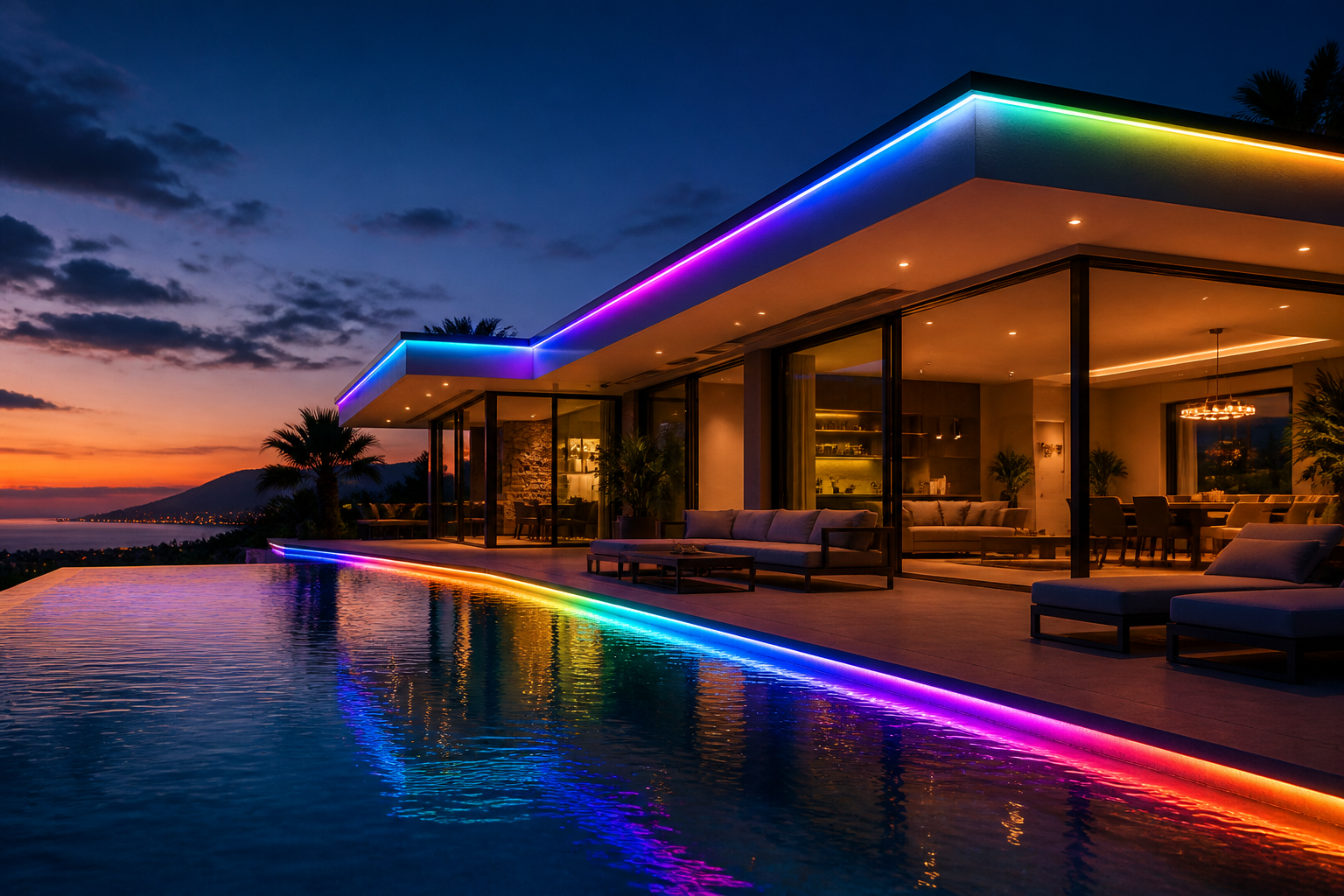
The evolution of LED lighting technology has introduced several distinct categories, each designed to meet different application requirements and control expectations. Understanding the differences between an rgbic led strip and standard RGB technology is essential for anyone selecting lighting solutions for professional installations, outdoor displays, or decorative applications. While both fall under the broader category of color-changing LED systems, the capabilities, control mechanisms, and practical applications differ significantly.
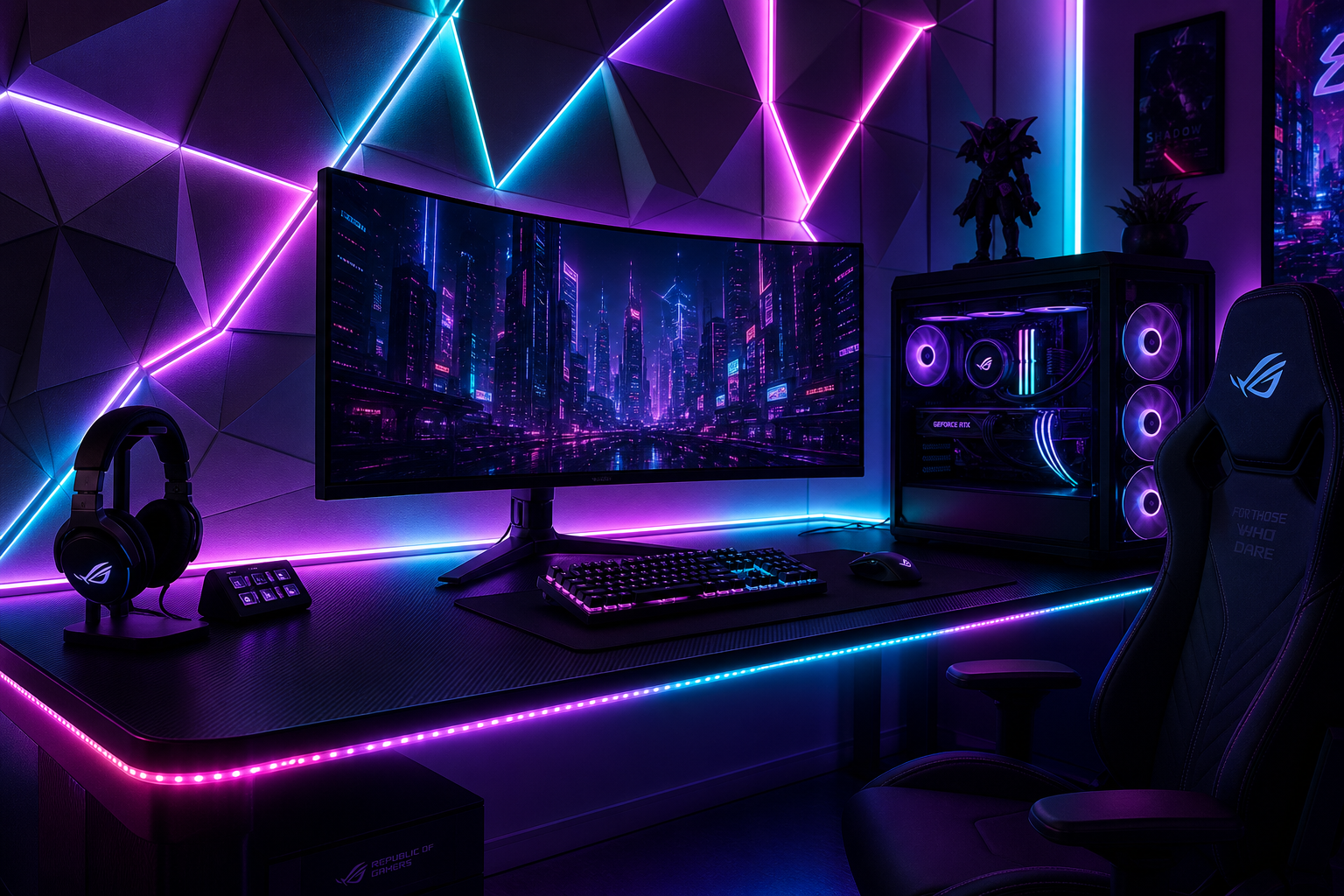
RGBIC technology represents a significant advancement over traditional RGB systems, introducing individual LED control at the pixel level. This fundamental difference enables features that were previously impossible with standard RGB configurations. By exploring these distinctions, professionals and enthusiasts can make informed decisions about which technology best serves their specific lighting goals, budget constraints, and control requirements.
Standard RGB LED systems operate by combining red, green, and blue light channels across the entire strip length simultaneously. Each color channel receives a power signal that controls brightness intensity from zero to maximum, and the combination of these three channels creates the perceived color output. This architecture means every LED on the strip displays the same color at the same time, regardless of strip length or segment count. The system requires three main control wires or channels, one for each color component.
These traditional smart rgb led lighting systems typically use PWM (Pulse Width Modulation) technology to control brightness levels, allowing millions of color combinations through varying the intensity of each red, green, and blue channel. The controller communicates with the entire strip as a single unit, making operation straightforward but limiting creative flexibility. Standard RGB remains popular for applications where uniform color across the entire installation is the primary goal, such as ambient wall washing.
An addressable rgb led strip, particularly RGBIC variants, fundamentally changes how LED control works by treating each individual LED or small segment as independently controllable. RGBIC stands for Red-Green-Blue-Individual-Controllable, emphasizing the fact that each color component can be controlled separately across the entire strip. This means one segment can display red while an adjacent segment shows blue, another displays green, and yet another shows white or any combination. The strip includes data transmission wiring in addition to power connections, enabling sequential communication with each LED address.
Standard RGB systems excel at providing uniform color across large installations because all segments receive identical signals simultaneously. This makes them ideal for creating consistent ambient lighting where the entire wall, room, or architectural feature should glow the same color. The simplicity also means fewer potential points of failure and lower overall complexity in installation and operation. However, this uniformity comes at the cost of creative expression and dynamic visual variety.
RGBIC technology sacrifices absolute uniformity for exceptional versatility and creative control. Each addressable rgb led strip pixel can operate independently, enabling gradient effects where colors transition smoothly from one end to another, or strobe patterns where segments pulse at different rates. Professional installers and designers prefer RGBIC for applications requiring visual impact, entertainment value, or dynamic environment adaptation. The trade-off involves slightly higher cost, more complex controller requirements, and additional wiring considerations.
Standard RGB systems use straightforward analog control signals, typically compatible with basic remote controls and simple timer switches. Integration with smart home systems is possible but often requires additional conversion hardware or simplified control through limited preset options. The learning curve remains minimal, making these systems accessible to end users without technical expertise. Installation follows conventional electrical patterns that electricians and technicians readily understand.
Programmable led strip lights featuring RGBIC technology typically require dedicated controllers with digital communication capabilities and often work best with smartphone apps, wireless protocols like Bluetooth or WiFi, or integration with advanced smart home platforms. The control sophistication enables complex scene creation, synchronized effects across multiple installations, and responsive lighting triggered by external inputs. Setup and programming demand more technical knowledge, though many modern systems provide pre-programmed effects and simplified controls for casual users. The investment in control infrastructure is offset by the vastly expanded creative possibilities.
Standard RGB LED strips remain the logical choice for applications prioritizing simplicity, cost efficiency, and uniform color distribution. Retail environments benefit from consistent ambient backlit shelving, restaurants use RGB for atmospheric wall accents, and architectural applications employ uniform RGB for facade lighting. Building interior design specifications often call for standard RGB when the primary objective is creating a specific mood or highlighting architectural elements with stable, consistent color.
Budget-conscious projects gravitate toward smart rgb led lighting systems because the lower component cost and simpler control infrastructure reduce overall installation expenses. Educational facilities, hospitality venues, and residential applications frequently select standard RGB when installation expertise is limited or when end users prefer simple, intuitive operation. These systems deliver excellent value for stationary color applications where dynamic effects are secondary to ambient enhancement.
RGBIC LED strips excel in entertainment, gaming, and high-impact visual environments where dynamic effects drive experience quality. Professional entertainment venues, nightclubs, and concert installations rely on addressable rgb led strip technology for immersive lighting choreography synchronized with music and performance. Gaming setups use RGBIC strips to create reactive environments where lighting responds to gameplay, enhancing immersion and visual appeal. Content creators and streamers frequently select RGBIC technology to produce visually striking backgrounds that differentiate their brand.
Outdoor decorative installations benefit dramatically from RGBIC capabilities, enabling holiday displays, landscape accent lighting, and architectural highlights with animated effects. Smart home enthusiasts prefer programmable led strip lights because they integrate with automation systems, enabling complex scenes and responsive lighting tied to daily routines, time of day, or external conditions. Professional lighting designers specify RGBIC technology for installations where creating exceptional visual impact justifies the additional investment and control complexity.
The price difference between standard RGB and RGBIC technology reflects the increased component complexity and control sophistication. A basic standard RGB strip typically costs less per meter than comparable RGBIC solutions, and the controller pricing follows similar patterns. However, when calculating total project cost, consider that many RGBIC installations support longer runs without signal degradation, potentially reducing the number of controllers required compared to standard RGB systems. The decision requires balancing upfront component costs against intended use and creative requirements.
Standard RGB installation remains straightforward, requiring power connections and three control wires routed along the strip length. The simplicity translates to faster installation, lower labor costs, and fewer potential error points during setup. Electricians familiar with conventional lighting systems can typically install standard RGB strips without specialized training or equipment. Troubleshooting follows logical patterns, and identifying failed segments or connection issues requires minimal diagnostic expertise.
Programmable led strip lights with RGBIC capability demand more careful attention to data line routing, signal integrity, and controller configuration. Installation requires understanding digital protocol requirements, ensuring proper shielding of data lines to prevent interference, and verifying that each LED address is correctly identified during setup. Many modern RGBIC systems include automatic address learning, simplifying configuration, but integration with existing smart home infrastructure may require additional technical coordination. Professional installation is frequently recommended for complex RGBIC deployments.
No, RGBIC strips require controllers supporting individual pixel addressing and digital communication protocols. Standard RGB controllers send analog signals that treat the entire strip as one unit, while RGBIC systems require controllers capable of addressing each LED individually through data transmission. Using incompatible equipment can damage components or produce no output. Always verify that your controller specifications match your addressable rgb led strip requirements before purchasing.
Both RGBIC LED strip and standard RGB systems can achieve vibrant colors when using quality components and proper power delivery. RGBIC technology offers superior color gradients and the ability to display multiple colors simultaneously across a single strip, potentially appearing more visually dynamic. Standard RGB delivers consistent, clean color output across the entire installation. The perceived quality depends more on LED chip quality, color calibration, and power stability than on the control architecture itself.
Quality programmable led strip lights typically maintain signal integrity for ten to twenty meters before requiring a data signal repeater or intermediate controller. Standard RGB systems generally support longer runs with analog signals but may experience voltage drop affecting brightness on extended installations. Specific distance capabilities depend on data protocol, wire gauge, power supply quality, and environmental conditions. Manufacturers specify maximum run lengths in technical documentation, and following these guidelines ensures optimal performance and visual consistency.
