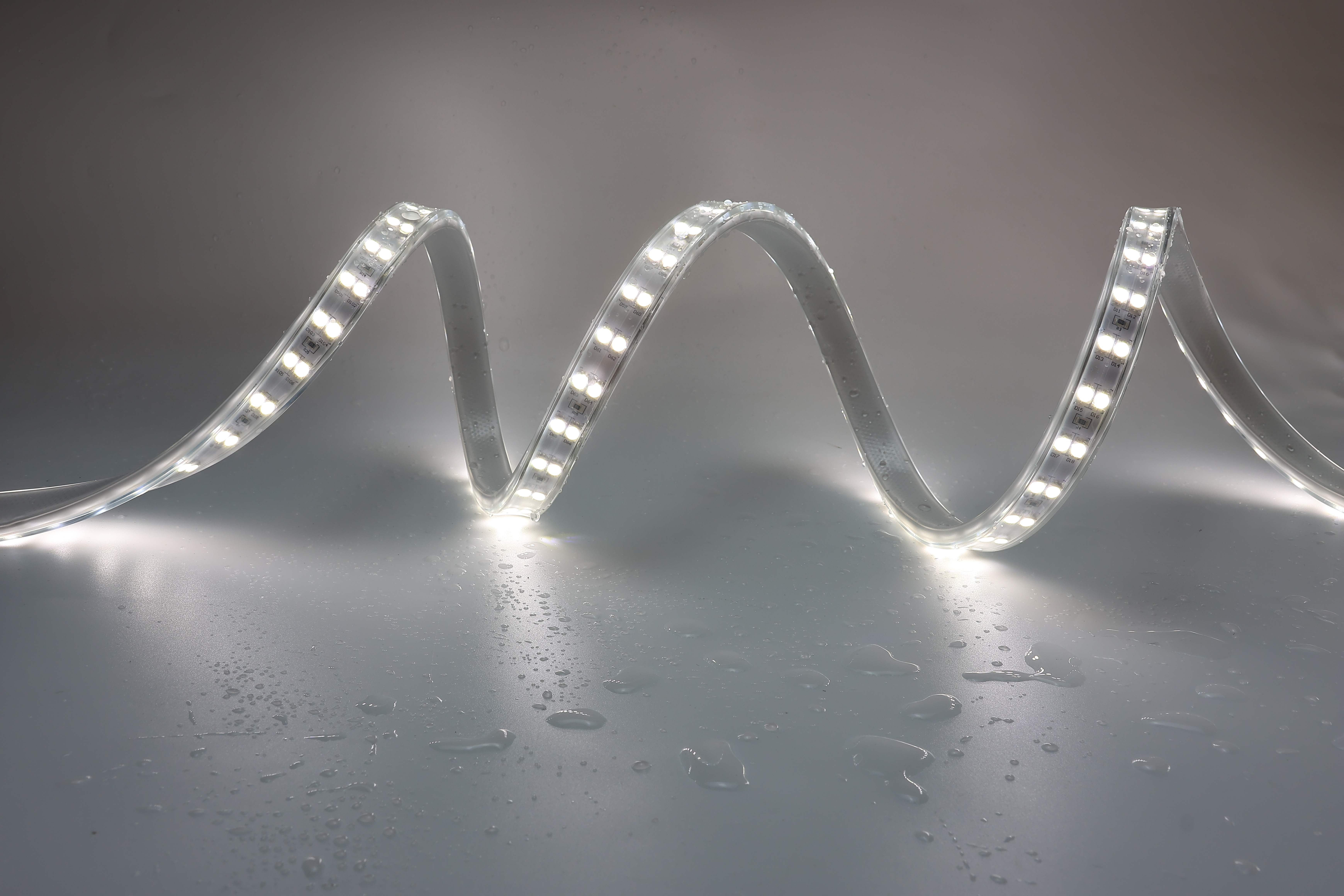
Understanding ip rating numbers is essential when selecting equipment for industrial, outdoor, or harsh environments. An IP rating tells you exactly how well a device or product can resist dust, moisture, and water intrusion. This ingress protection classification system provides standardized guidance that engineers, procurement teams, and end-users rely on to make informed purchasing decisions. Without understanding these numerical codes, you risk selecting equipment that fails prematurely or creates safety hazards in demanding conditions.
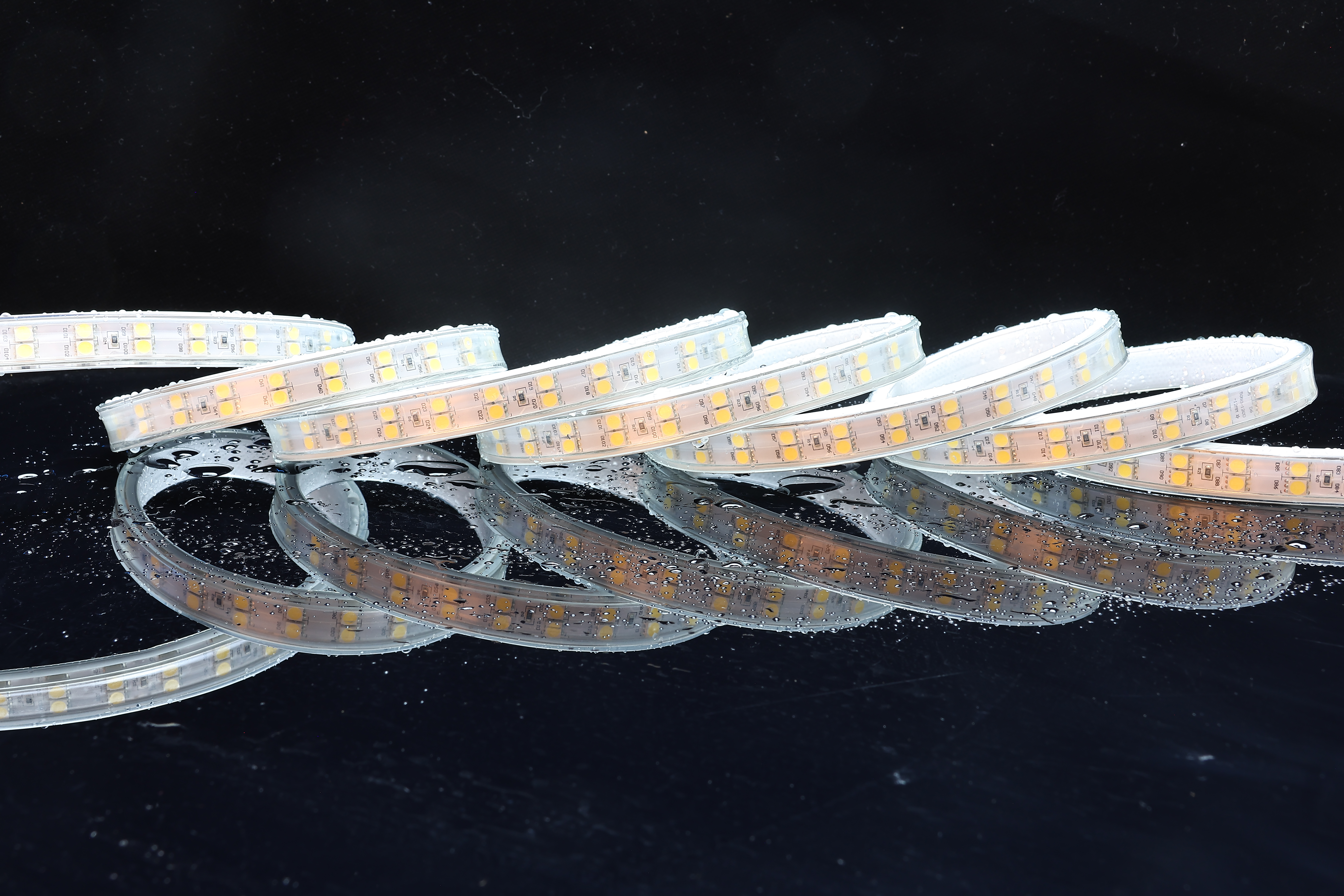
The ingress protection classification system defines product durability through two digits. The first digit indicates solid particle protection, while the second represents liquid protection. IP code standards have been established by the International Electrotechnical Commission (IEC) to ensure consistency across manufacturers and industries worldwide. When you see an IP rating on equipment specifications, you gain immediate clarity about its environmental tolerance and deployment suitability. Learning to decode these waterproof dustproof ratings becomes a straightforward skill that directly impacts operational reliability.
The Structure and Meaning of IP Rating Numbers
First Digit: Solid Particle Protection
The first digit in an IP code ranges from 0 to 6 and describes protection against solid objects and dust. A rating of 0 means no protection at all, while 6 indicates complete dust-tight sealing. An IP rating of 1 protects against objects larger than 50 millimeters, such as accidental hand contact. Ratings 2, 3, and 4 provide incremental protection against smaller objects down to 1 millimeter, covering tools and small wires. Rating 5 means the equipment is dust-protected but not fully sealed. Rating 6 ensures total dust ingress protection, making equipment suitable for extremely hostile dusty environments like manufacturing plants, quarries, or desert installations.
Second Digit: Liquid Protection
The second digit ranges from 0 to 9 and specifies waterproof dustproof capabilities against moisture. IP code standards assign 0 to mean no protection, while 1 covers dripping water when vertical. Ratings 2 and 3 protect against water dripping at slight angles, sufficient for indoor equipment in normal humidity. Rating 4 means the device resists splashing from any direction, suitable for kitchens or light washdown environments. Rating 5 provides protection against water jets from a nozzle, allowing hose cleaning. Rating 6 resists strong water jets and temporary submersion. Rating 7 permits immersion up to 1 meter for 30 minutes. Rating 8 allows continuous submersion, and rating 9 handles high-pressure steam and hot water jets.
Common IP Rating Combinations in Industrial Practice
IP67 and IP68 for Demanding Applications
IP67 is one of the most popular ingress protection classifications in industrial settings. This rating guarantees complete dust sealing and immersion protection up to 1 meter for 30 minutes, making it ideal for outdoor lighting, sensor installations, and portable equipment. IP68 extends that capability by allowing indefinite submersion at depths beyond 1 meter, determined by manufacturer specifications. Equipment with an IP68 rating suits underwater applications, flood-prone zones, and environments requiring maximum environmental resilience. Many high-performance LED fixtures, pump systems, and control enclosures carry IP67 or IP68 certifications because these IP code standards balance cost-effectiveness with robust field performance.
Lower Ratings for Controlled Environments
Not all applications demand extreme waterproof dustproof ratings. Indoor equipment often carries IP54 or IP55 ratings, indicating dust-protected design with water jet resistance. An IP rating of IP54 suits office environments, light manufacturing areas, and spaces with occasional washdown exposure. IP55 provides enhanced water resistance for workshops and light industrial facilities. These moderate ingress protection classifications keep product costs reasonable while meeting typical operational demands. Selecting the appropriate rating prevents unnecessary expense while ensuring adequate protection for the actual environment where equipment will operate.
Selecting Equipment Based on IP Rating Standards
Environmental Assessment and Matching
Effective equipment selection begins by honestly assessing your operational environment. Will your device encounter standing water, frequent washdowns, dust storms, or outdoor weather exposure? Answer these questions to determine what IP rating your application genuinely requires. An IP code standards framework helps you avoid overspending on IP68 protection when IP65 would suffice, yet also prevents underspecifying when harsh conditions demand higher ratings. Consult equipment documentation and compare your environment against the published ingress protection classification levels. This disciplined matching process reduces downtime, extends equipment lifespan, and optimizes capital efficiency.
Installation and Maintenance Considerations
An IP rating certifies protection under proper installation conditions. Waterproof dustproof ratings assume that connectors remain sealed, gaskets stay intact, and cable glands are properly installed. Equipment with IP67 or higher ingress protection classification can become unreliable if connectors are exposed to moisture or debris. Regular inspection ensures cable seals, connector caps, and access panels remain secure. Environmental testing and field experience show that maintenance discipline directly correlates with achieving the published IP rating in real-world operation. When selecting equipment, factor in maintenance accessibility and whether your team can sustain the protective integrity that the IP code standards demand.
FAQ
What does IP65 mean in practical terms?
IP65 means complete dust protection and resistance to water jets from any direction. Equipment with this ingress protection classification rating can withstand washdowns, spray, and splashing but cannot be submerged. It suits outdoor installations, washdown areas, and environments where dust and moisture are present but submersion does not occur. The IP rating provides confidence that equipment will perform reliably in these conditions.
Can equipment with IP54 be used outdoors?
IP54 provides limited water resistance suitable only for covered outdoor locations or light exposure. This IP code standards level protects against water splashing and dust but not heavy rain or direct jets. Equipment rated IP54 should be installed under eaves, canopies, or protective structures outdoors. For direct weather exposure, higher ingress protection classification ratings like IP65 or IP67 are necessary to ensure durability and safety.
How does IP rating differ between manufacturers?
IP rating definitions are standardized through IP code standards established by the International Electrotechnical Commission, so the waterproof dustproof ratings mean the same across manufacturers. However, actual performance can vary based on design quality, material selection, and manufacturing precision. Always verify that equipment has been tested and certified by recognized bodies. Reputable manufacturers publish detailed test reports demonstrating their ingress protection classification achievement, giving you confidence in product reliability.
 EN