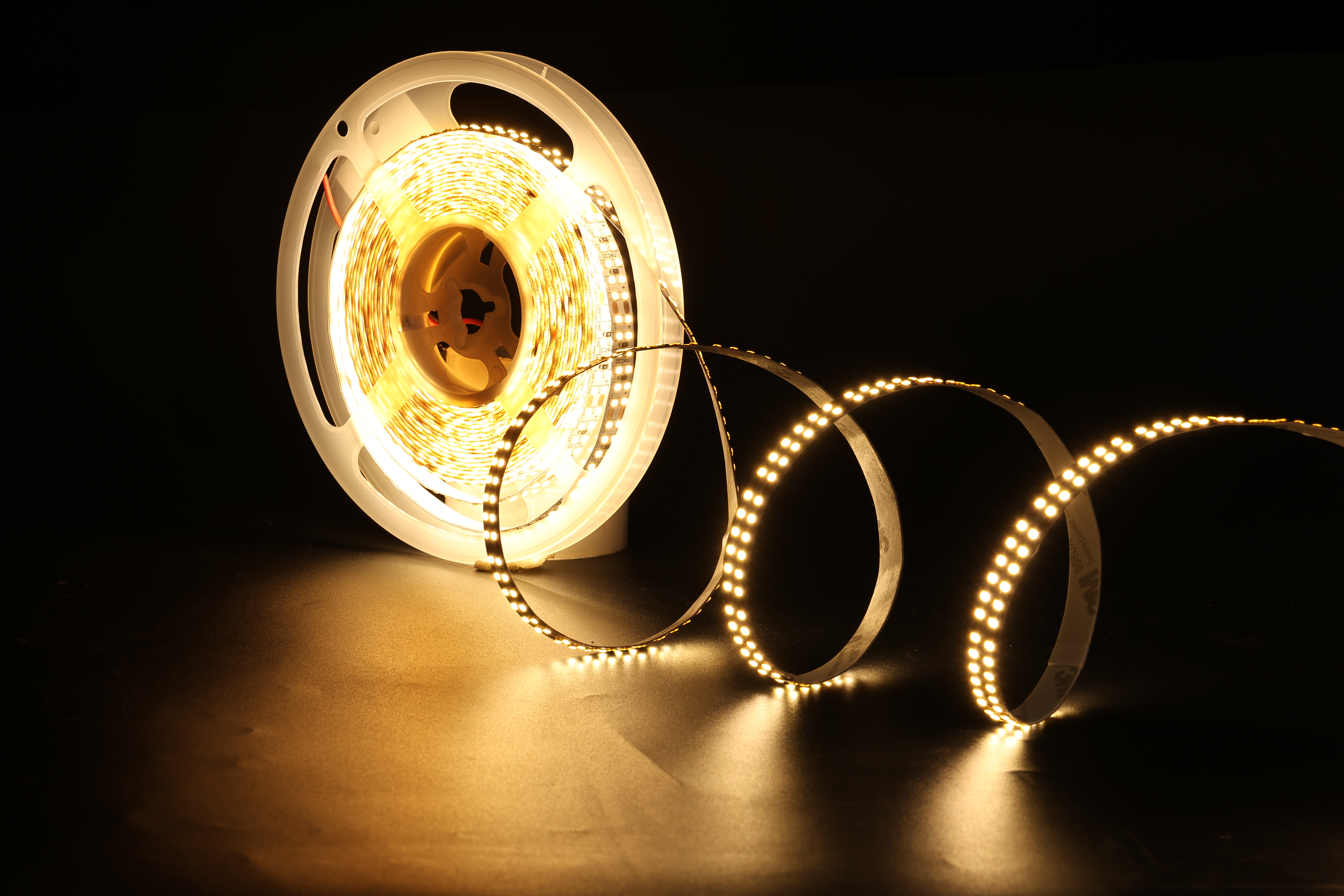
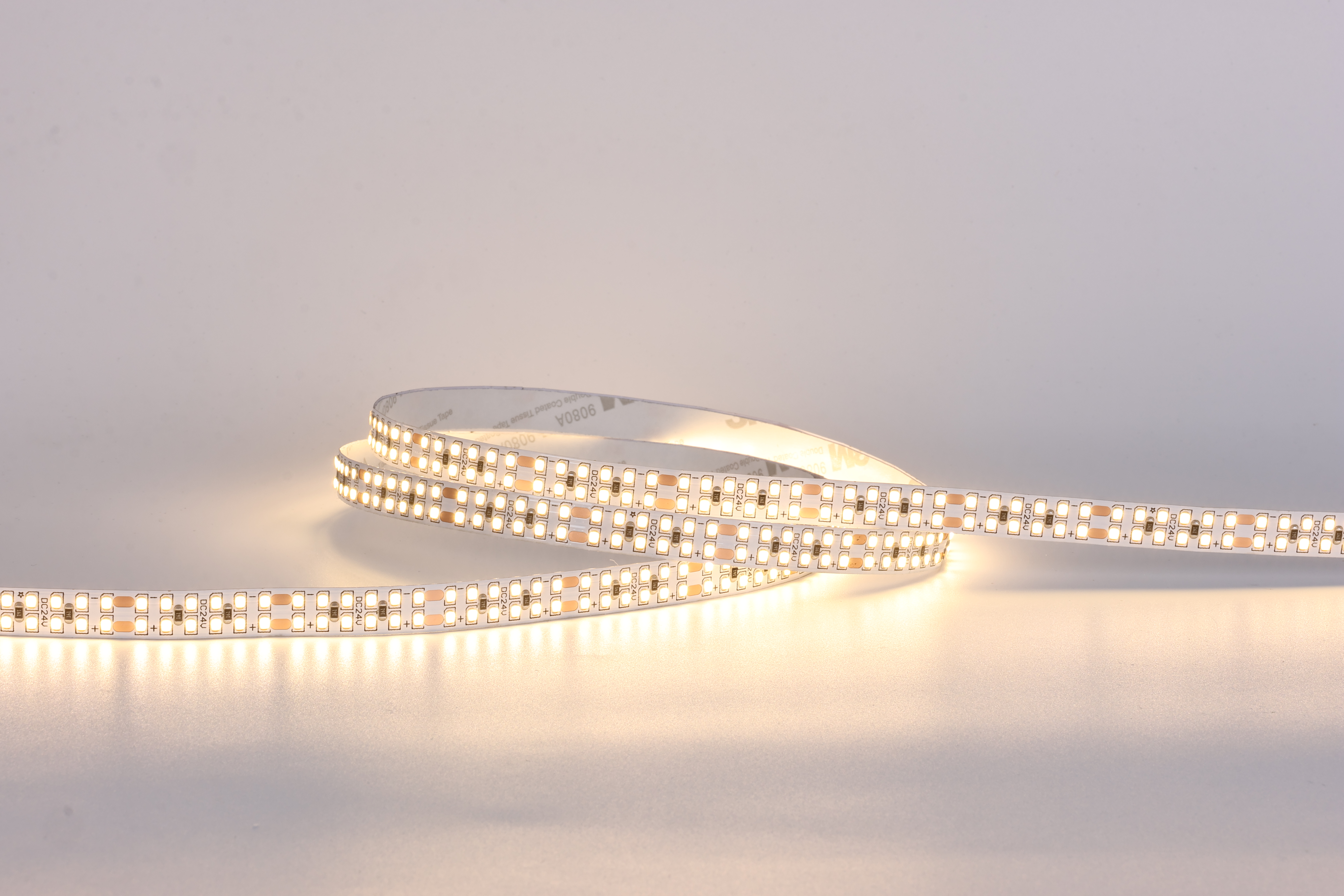
 Understanding ip rating is essential for anyone selecting electrical equipment, fixtures, or components for industrial, commercial, or outdoor applications. An IP rating, formally known as ingress protection classification, is a standardized numerical code that indicates how effectively a device or enclosure resists intrusion from solid particles like dust and liquid substances like water. This classification system ensures consistency across manufacturers and helps engineers, facility managers, and procurement professionals make informed decisions about equipment durability and suitability for specific environments.
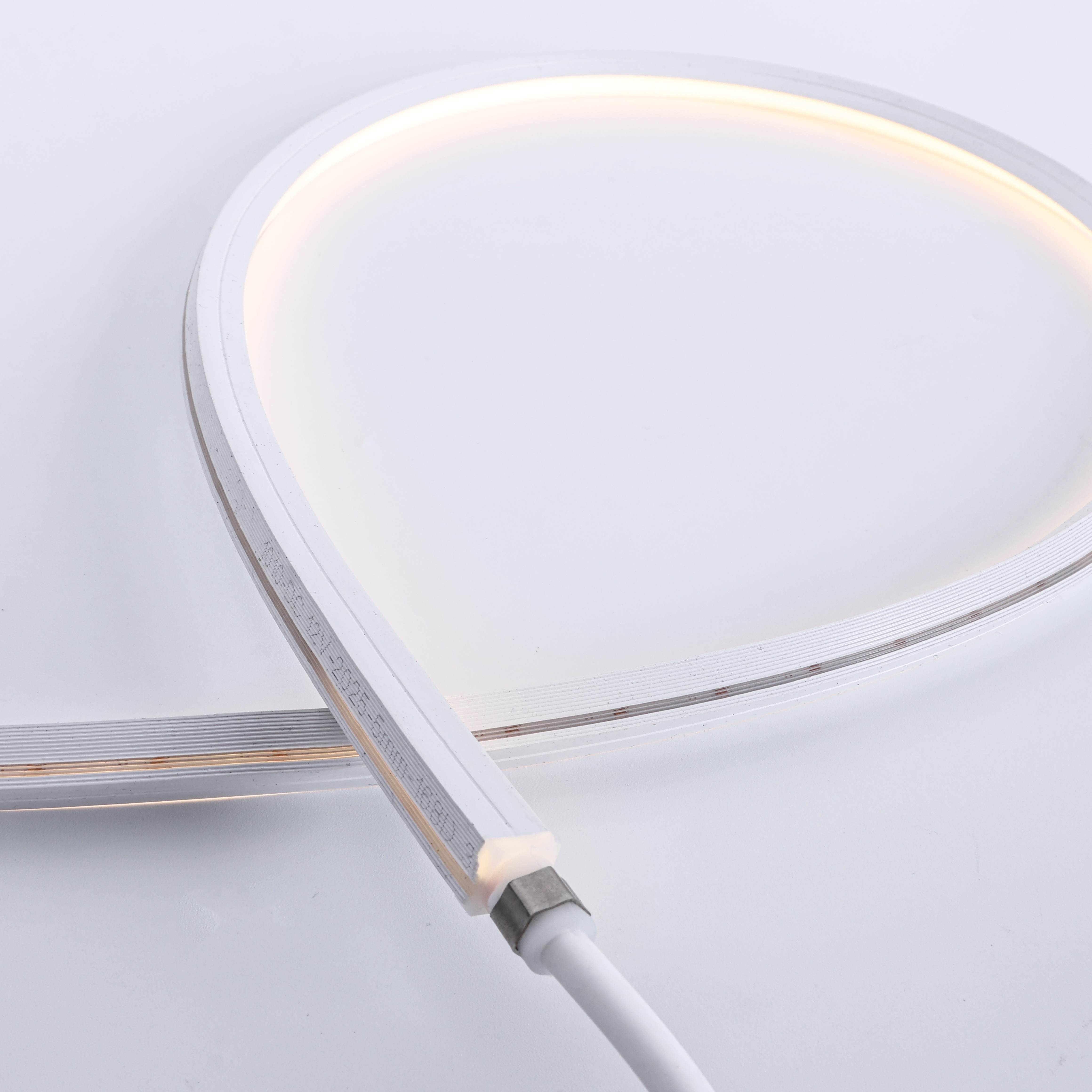
The IP code standards define protection levels through a two-digit system, where each digit represents a distinct protection category. The first digit indicates protection against solid objects and dust ingress, while the second digit indicates resistance to water and moisture. By understanding these ratings, you can confidently specify equipment that will perform reliably in harsh, wet, or contaminated environments. The waterproof dustproof ratings scale from minimal protection to complete environmental sealing, allowing organizations to match equipment capabilities with operational demands.
Understanding the IP Code System
The Structure and Meaning of IP Ratings
Every IP rating follows a consistent format: IP followed by two digits. The first digit of the ingress protection classification ranges from 0 to 6, representing protection against solid particles. A rating of 0 means no protection, while 6 indicates complete protection against dust ingress. The second digit ranges from 0 to 8, representing waterproof dustproof capabilities. Higher numbers indicate stronger resistance to liquid intrusion, from simple dripping water at level 1 through complete submersion protection at level 8.
For example, an IP65 rating means the device is completely dust-tight and can withstand water jets from any direction. An IP68 rating indicates complete dust protection and protection against prolonged immersion under pressure. These IP code standards allow engineers to quickly communicate protection requirements without extensive written specifications. The standardization ensures that an IP67 device from one manufacturer will meet the same performance criteria as an IP67 device from another, making equipment selection more transparent and reliable.
How the First Digit Works
The first digit of IP rating specifications addresses solid particle protection. IP1X protection allows objects larger than 50mm to enter but prevents finger contact with hazardous parts. IP2X ratings protect against objects larger than 12.5mm, like fingers. IP3X protection prevents entry of objects larger than 2.5mm, such as small tools. IP4X blocks items larger than 1mm, protecting against most common dust and debris. IP5X provides complete protection against dust in limited quantities that do not interfere with operation, while IP6X represents total dust-tight protection where no ingress occurs.
Decoding Water and Moisture Protection
The Second Digit and Liquid Resistance
The second digit in waterproof dustproof ratings indicates water resistance levels. An IP0X rating provides no protection against liquid ingress. IP1X protects against vertical dripping water. IP2X handles water dripping at angles up to 15 degrees from vertical. IP3X resists spray from up to 60 degrees from vertical. IP4X ratings withstand water splashing from any direction. IP5X endures low-pressure water jets, while IP6X survives high-pressure water jets. IP7X permits temporary immersion in water up to 1 meter deep for 30 minutes, and IP8X ratings allow continuous submersion under pressure specifications defined by manufacturers.
Understanding these waterproof dustproof ratings helps select appropriate equipment for specific environments. A device rated IP54 works well in dusty indoor factories with occasional water spray. An IP67 rated component suits outdoor installations or wet environments where temporary immersion might occur. An IP68 specification ensures functionality even under prolonged water exposure. Industries like food processing, chemical manufacturing, marine applications, and outdoor LED lighting systems typically require high ingress protection classifications to ensure equipment longevity and safety.
Practical Applications and Selection Criteria
Selecting equipment with appropriate IP code standards depends on operational environment assessment. An electrical enclosure in a dry warehouse might use IP54 protection. A pump in a wet environment requires IP67 minimum. Submersible equipment demands IP68 waterproof dustproof ratings. Environmental exposure, maintenance accessibility, budget constraints, and regulatory compliance all influence selection decisions. Industries must document their application environment to identify the minimum ingress protection classification required for safe, compliant operation.
Real-World Impact of IP Rating Selection
Reliability and Cost Implications
Choosing correct IP rating levels directly affects equipment lifespan and maintenance costs. Undersized ratings lead to premature failure, water damage, corrosion, and electrical hazards. Oversized ratings increase capital expense unnecessarily. A properly rated device maintains functionality throughout its design life with minimal intervention. Food processing plants, pharmaceutical facilities, and outdoor installations rely on accurate ingress protection classification to prevent contamination, product spoilage, and regulatory violations. The waterproof dustproof ratings specified during procurement directly determine operational reliability and total cost of ownership.
LED lighting systems, sensors, control modules, and distribution equipment must all carry appropriate IP code standards for their installation location. An LED fixture rated IP65 operates safely in wet environments and washdown areas. An IP68 rated component handles temporary flooding or submersion. When equipment fails prematurely due to inadequate ingress protection classification, replacements cost far more than initial investment differences. Organizations save money long-term by specifying correct waterproof dustproof ratings upfront, avoiding replacement costs, production downtime, and safety incidents.
Compliance and Safety Considerations
Many industries have regulatory requirements for minimum ingress protection classification levels. Food and beverage processing mandates specific waterproof dustproof ratings in wet preparation areas. Marine and offshore applications require stringent IP code standards for safety. Hazardous location classifications sometimes reference IP ratings as part of safety compliance frameworks. Healthcare facilities use appropriate IP ratings to prevent contamination in sterile environments. Understanding and properly implementing ingress protection classification requirements ensures regulatory compliance, worker safety, and legal liability protection.
FAQ
What does IP68 waterproof dustproof rating actually mean?
IP68 indicates complete dust-tight protection and the ability to withstand prolonged immersion in water under pressure conditions specified by the manufacturer. Equipment with this IP code standards rating can function reliably even when submerged, making it ideal for submersible applications, underwater lighting, and equipment used in wet industrial environments. This is the highest standard ingress protection classification available for most commercial and industrial equipment.
Can I use a lower IP rating device in a high-moisture environment?
Using equipment with insufficient waterproof dustproof ratings in harsh environments leads to corrosion, electrical damage, and premature failure. Even temporary liquid exposure can compromise components rated lower than required. Always select devices matching or exceeding the environmental ingress protection classification demands. Attempting to save money by choosing lower IP code standards typically results in higher replacement and maintenance costs.
How do manufacturers test IP rating compliance?
Manufacturers conduct standardized testing for ingress protection classification according to International Electrotechnical Commission standards. Testing procedures involve exposing equipment to dust environments, water sprays, and immersion conditions matching the rated level. Independent certification laboratories verify waterproof dustproof ratings compliance. This rigorous testing ensures that IP code standards markings accurately represent actual protection capabilities, allowing customers to confidently specify equipment for critical applications.
 EN