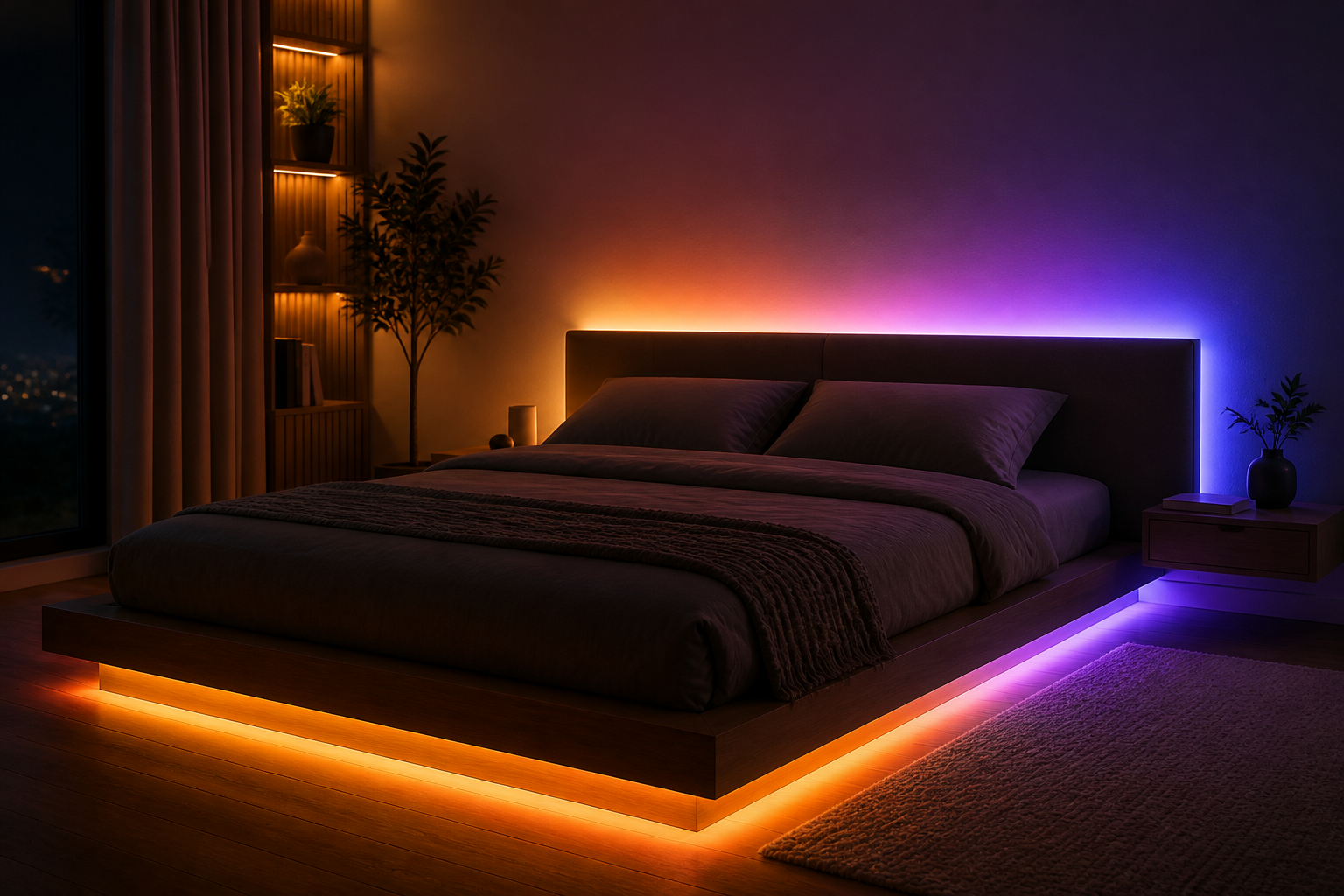
An rgb led strip is a versatile lighting solution that delivers vibrant color control and dynamic visual effects for both residential and commercial applications. However, like any electronic component, these systems require thoughtful maintenance to ensure long-term reliability, consistent color accuracy, and optimal brightness performance. Understanding proper care practices extends the lifespan of your installation and prevents costly replacements.
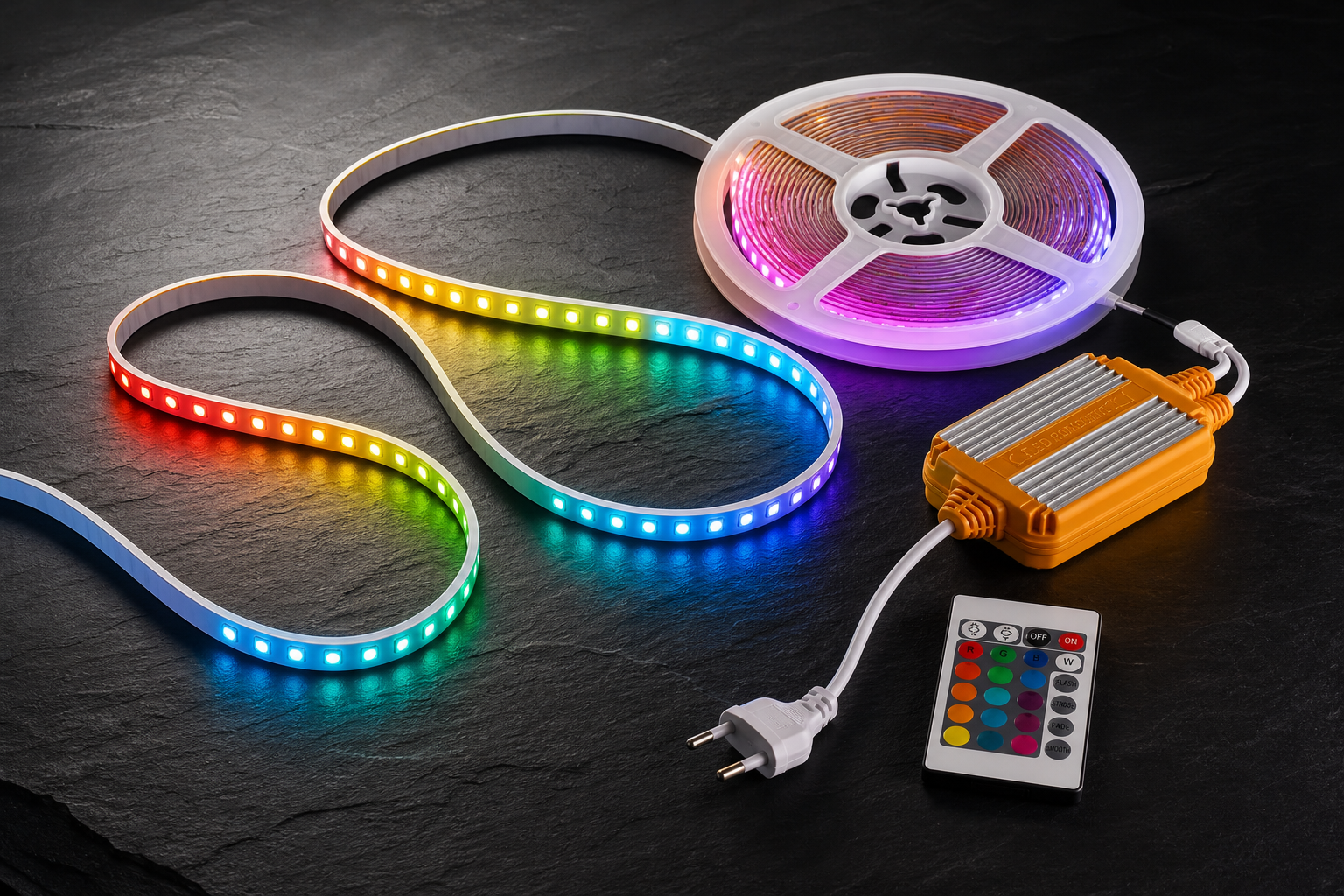
An addressable rgb strip and smart color led tape represent advanced lighting technologies that demand specific maintenance routines to preserve functionality. Whether you operate a dynamic lighting strip in an entertainment venue, architectural installation, or decorative setting, regular inspection and cleaning directly impact color consistency, brightness levels, and overall system longevity. Establishing a structured maintenance schedule prevents premature component failure and ensures your investment delivers reliable performance.
Cleaning and Environmental Protection
Regular Surface Cleaning
Dust and debris accumulation is the primary enemy of any rgb led strip system. Over time, particles settle on the LED surface, reducing light output and creating uneven color distribution across the dynamic lighting strip. Clean the addressable rgb strip using a soft, dry microfiber cloth every two weeks in normal indoor environments, or weekly in dusty or outdoor settings. For smart color led tape installed outdoors or in high-humidity areas, gentle wiping removes moisture that could corrode electrical contacts and degrade color rendering.
Moisture and Weather Resistance
Environmental exposure represents the most significant maintenance challenge for rgb led strip installations. Check silicone end caps and connector seals monthly to confirm no water infiltration occurs. If your dynamic lighting strip experiences outdoor exposure, verify that all junction points remain sealed with appropriate waterproof sealant. For addressable rgb strip systems, inspect cable routing to ensure water cannot pool near electrical connections. Smart color led tape used in bathrooms or kitchens requires additional vigilance regarding humidity levels and potential condensation damage.
Electrical System and Connection Integrity
Power Supply and Controller Assessment
The power supply unit directly impacts the performance of your rgb led strip and must be inspected regularly for signs of thermal stress or physical damage. Check that cooling vents remain unobstructed and that the power supply operates at appropriate temperature levels. For addressable rgb strip systems, controller performance determines color accuracy and responsiveness; verify that the smart color led tape responds correctly to commands and displays expected color output. Replace power supplies showing visible burn marks, unusual odors, or reduced power delivery capacity immediately to prevent damage to the entire dynamic lighting strip system.
Connector and Soldering Points
Poor connections cause flickering, color inconsistencies, and premature failure across rgb led strip networks. Inspect all solder joints monthly, particularly at power injection points where high current flows through the addressable rgb strip. Tighten any loose connectors and verify that smart color led tape connections show no corrosion or discoloration. Oxidation at connector terminals reduces electrical conductivity; use electrical contact cleaner and a small brush to remove oxidation before applying a protective dielectric grease to prevent future corrosion on your dynamic lighting strip components.
LED Performance Monitoring and Preventive Maintenance
Color and Brightness Assessment
Monthly testing ensures your rgb led strip maintains consistent color output and uniform brightness across all segments. Activate each color channel individually to identify any dead pixels or dimmed LEDs that signal potential failures. For dynamic lighting strip applications requiring precise color accuracy, compare current output against known reference standards. Smart color led tape systems should display vibrant reds, greens, blues, and mixed colors without visible dimming or color shifts. Address underperforming segments promptly, as individual LED failures in an addressable rgb strip often precede broader system degradation.
Cable Management and Strain Relief
Physical stress damages rgb led strip installations more frequently than users anticipate. Inspect cable routing to eliminate sharp bends that stress internal wiring within the addressable rgb strip. Secure all cables with soft clips or cable guides, preventing movement and vibration-induced damage to the smart color led tape connections. For wall-mounted or outdoor dynamic lighting strip installations, verify that mounting brackets distribute weight evenly and prevent cable sagging or stretching. Replace any cables showing visible damage, cracking, or internal wire exposure before they compromise the entire system.
FAQ
How often should I clean my rgb led strip?
Clean your rgb led strip every two weeks in standard indoor environments and weekly in dusty or outdoor locations. Regular cleaning prevents dust accumulation from reducing light output and compromising the color accuracy of your addressable rgb strip or smart color led tape installation. More frequent cleaning ensures your dynamic lighting strip maintains consistent brightness and prevents debris from trapping heat near LED components.
What temperature range is safe for an addressable rgb strip?
Most addressable rgb strip systems operate safely between 0°C and 40°C, though optimal performance occurs between 15°C and 30°C. Your smart color led tape should be installed in locations avoiding direct sunlight exposure and excessive heat sources that could degrade LED lifespan. For outdoor dynamic lighting strip applications, provide shade during peak summer temperatures and ensure adequate ventilation around power supplies to maintain safe operating conditions.
Can I repair a damaged section of smart color led tape myself?
Minor repairs to smart color led tape are possible if you possess soldering skills and appropriate tools, but most users should consult professional technicians for complex work. Replacing individual LEDs in an addressable rgb strip requires precise soldering techniques and risk management for surrounding components. For dynamic lighting strip systems under warranty, manufacturer service prevents damage claims and ensures proper restoration of your rgb led strip installation.
 EN