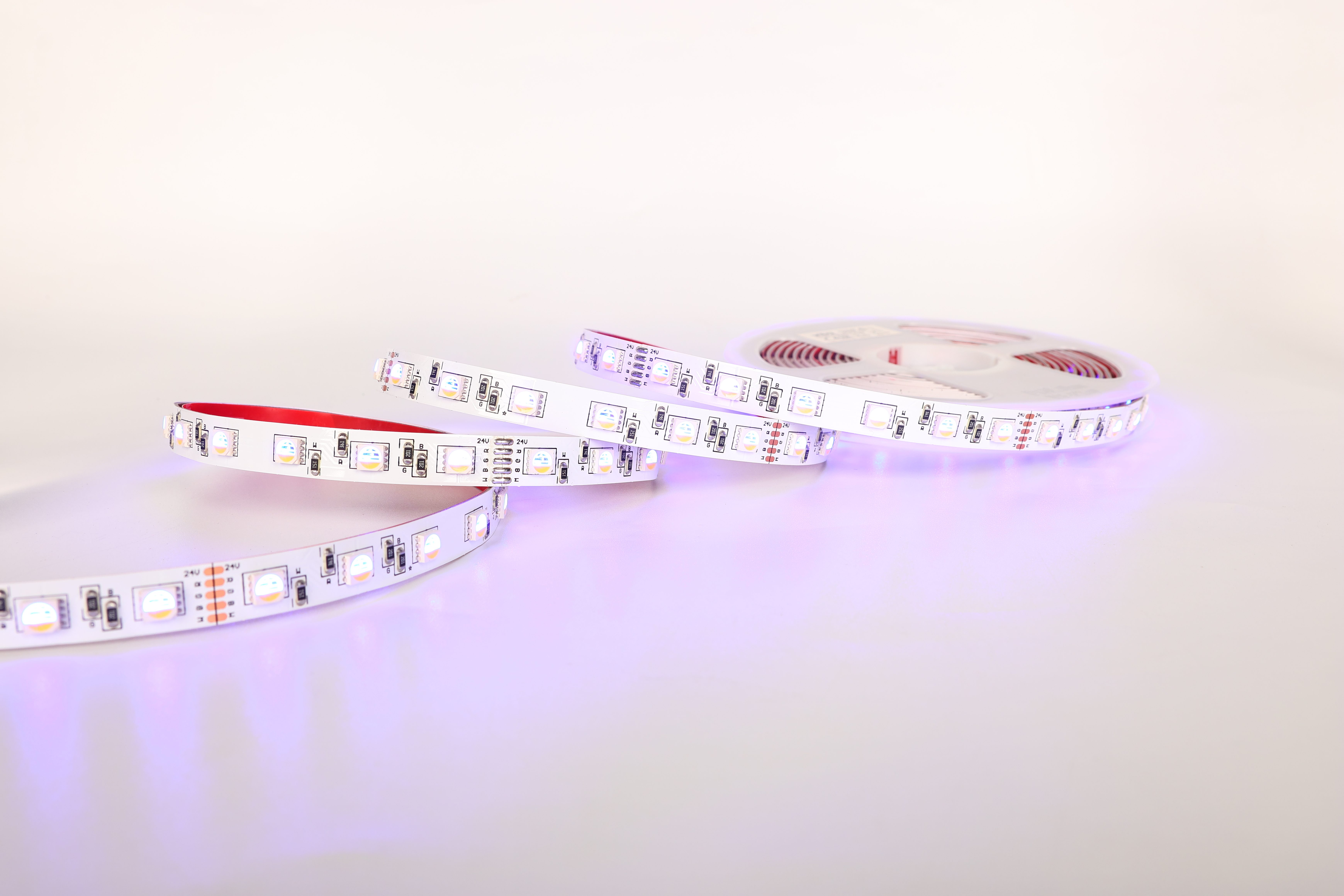
An addressable led strip requires a carefully matched power supply to function reliably and deliver the dynamic lighting effects you expect. Unlike conventional LED strips that draw uniform power across all pixels, an addressable led strip with individual LED pixel control demands more precise electrical specifications. The power supply must provide stable voltage, sufficient current capacity, and proper grounding to ensure each pixel responds correctly to commands. Without the right power infrastructure, even the most advanced programmable RGB LED strip will experience color inconsistencies, flickering, or complete failure in certain sections.
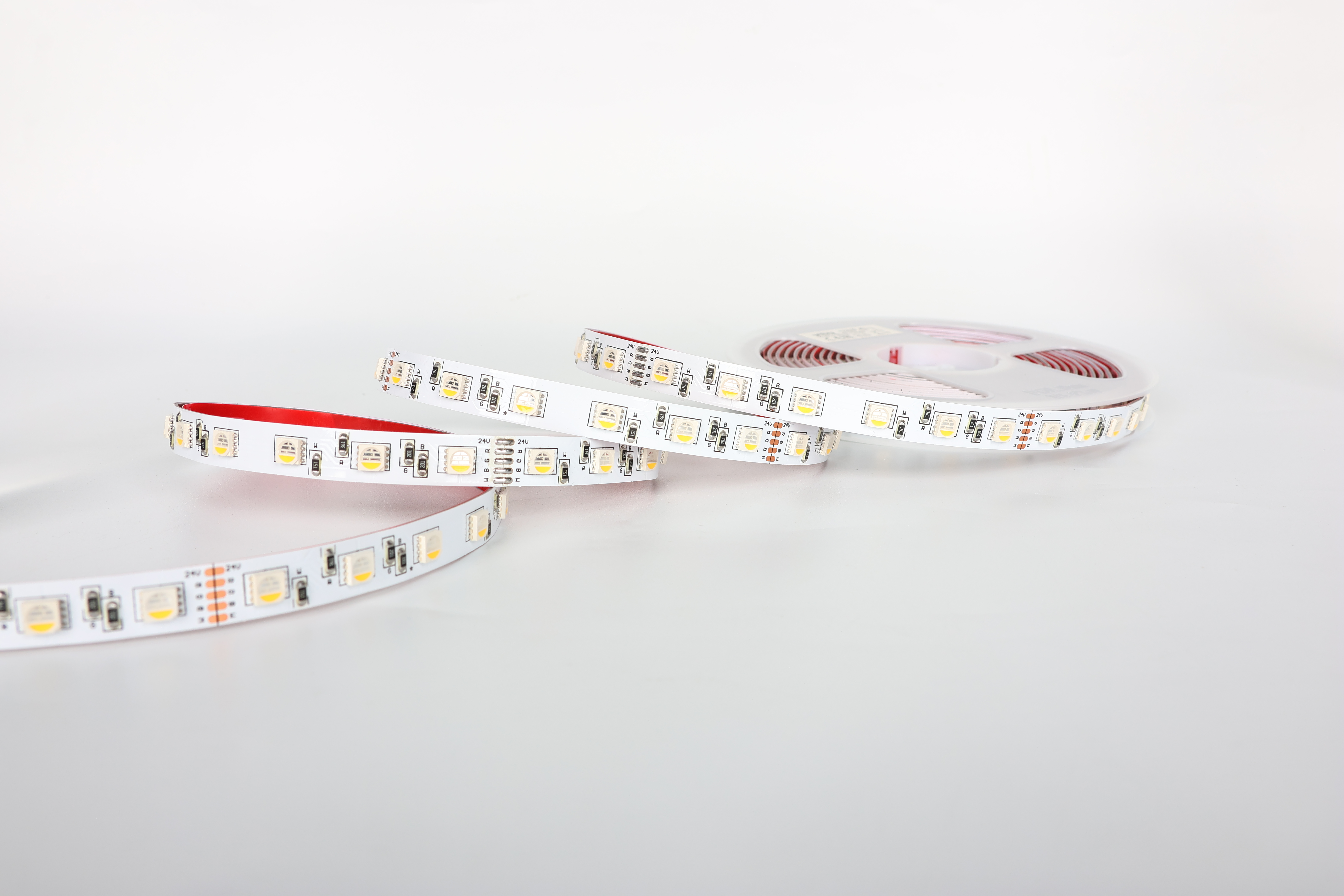
Selecting the correct power supply involves understanding voltage standards, calculating total wattage consumption, and accounting for safety margins that protect your installation. A smart addressable lighting system depends on clean, regulated power delivery to maintain communication between the controller and each pixel. This guide walks you through the essential considerations, calculations, and best practices for powering your addressable led strip installation successfully.
Voltage Standards and Electrical Specifications
Common Voltage Requirements
Most programmable RGB LED strips operate at either 5 volts or 12 volts, with some commercial installations using 24 volts. The voltage determines the type of power supply you need and influences overall system efficiency. A 5-volt addressable led strip is common for shorter runs and indoor applications where USB power or compact supplies suffice. The 12-volt standard balances performance and practicality, supporting longer strip lengths while remaining compatible with widely available power supplies. Higher voltage systems like 24-volt smart addressable lighting reduce current draw, minimizing voltage drop over extended distances and improving signal integrity.
Voltage Drop Considerations
Voltage drop occurs when electrical current travels through wire resistance, causing power loss along the cable run. An addressable led strip at the far end of a long run may receive insufficient voltage if the power supply and wiring cannot compensate. Using thicker gauge wire reduces resistance and voltage drop, ensuring consistent color and brightness across your individual LED pixel control zones. For runs exceeding twenty feet, consider injecting power at multiple points along the strip to maintain stable voltage at every pixel. Testing voltage at the strip's midpoint and end helps verify that your power delivery meets specifications before full installation.
Calculating Wattage and Current Requirements
Per-Pixel Power Consumption
Each LED pixel in a programmable RGB LED strip consumes power based on brightness and color settings, typically ranging from 0.3 to 0.6 watts when displaying white at full intensity. Calculating total power involves multiplying the number of pixels by average consumption per pixel, then adding a safety margin of 20 to 30 percent. An addressable led strip with 300 pixels consuming 0.5 watts each requires approximately 150 watts at full brightness, plus safety margin equals roughly 180 to 195 watts from your power supply. Conservative sizing prevents thermal stress on the supply, extends component lifespan, and maintains stable voltage delivery during dynamic lighting transitions. Never choose a power supply rated exactly at your calculated wattage; always select one with headroom.
Peak Versus Average Load
Smart addressable lighting rarely operates all pixels at maximum white brightness simultaneously, so average power consumption stays well below peak. However, certain animated effects or color transitions may briefly spike consumption when multiple pixels display bright colors. Sizing your power supply to handle peak demand, not just average consumption, ensures smooth operation during any lighting scenario. An individual LED pixel control system with 150-watt average consumption might spike to 200 watts during specific effects, so a 250-watt supply provides comfortable margin. Most quality power supplies include protection circuits that handle brief overcurrent events gracefully without shutting down.
Power Supply Selection and Installation Best Practices
Choosing the Right Supply Type
Regulated switching power supplies deliver stable, clean power ideal for programmable RGB LED strip applications in both indoor and outdoor environments. Industrial-grade supplies rated for continuous operation outperform cheaper models designed for intermittent use, reducing the risk of failure mid-installation. A smart addressable lighting setup demands ripple-free power to prevent signal noise that degrades color accuracy and pixel responsiveness. Look for supplies with built-in short-circuit protection, thermal shutdown, and wide input voltage tolerance to handle various electrical conditions. Weatherproof enclosures become essential when mounting power supplies outdoors alongside an addressable led strip installation.
Wiring and Connection Standards
Connecting an addressable led strip requires both power and signal lines, each with specific gauge and routing requirements. Use appropriately sized gauge wire based on current; 14 AWG suffices for short runs, while 10 AWG or thicker handles longer distances and reduces voltage drop. The data signal line running individual LED pixel control commands should remain separate from power lines to minimize electromagnetic interference that causes color glitches. Twist signal wires together and shield them if running through environments with strong RF noise sources. Secure all connections with crimped terminals rather than solder joints, which can weaken under thermal expansion cycles common in outdoor installations. A quality programmable RGB LED strip installation incorporates strain relief at all connection points to prevent accidental wire damage.
Powering Extended Addressable LED Strip Runs
Multiple Power Injection Points
Long installations exceeding thirty feet benefit from injecting power at midpoints along the addressable led strip rather than relying solely on end-fed power. This strategy maintains consistent voltage across individual LED pixel control zones and prevents the far end pixels from dimming or shifting color as current flows through accumulated resistance. Each injection point should connect to the same power supply bus through appropriately gauged cable, ensuring all sections receive the same voltage reference. Professional installers place power taps every thirty to fifty feet depending on wire gauge and total current draw. Connecting multiple power injection points requires careful planning to avoid creating ground loops that introduce hum and interference into your smart addressable lighting system.
Signal Amplification and Quality
A programmable RGB LED strip spanning over fifty feet may experience signal degradation that causes communication errors and pixel malfunction at remote sections. Signal amplifiers or repeaters refresh the data stream, ensuring clean command transmission to every pixel. Quality addressable led strip controllers include output buffering designed to drive longer cable runs without distortion. Testing the installation at full length before permanent mounting reveals signal problems early, avoiding costly rework. Distance limitations depend on cable quality, electromagnetic environment, and controller output strength, so validate your specific setup's capabilities.
FAQ
Can I use a standard AC adapter for my addressable led strip?
Standard AC adapters lack the capacity and stability required for reliable addressable led strip operation. Most AC adapters deliver insufficient current and may include voltage ripple that causes color distortion in your programmable RGB LED strip. Unregulated supplies also cannot handle the dynamic load changes inherent in smart addressable lighting systems. Always use a regulated switching power supply specifically rated for LED applications to ensure proper individual LED pixel control and consistent performance.
What gauge wire should I use for my addressable led strip installation?
Wire gauge depends on distance and total current draw for your addressable led strip. For runs under ten feet with moderate current, 14 AWG suffices, but longer distances or higher current demand 10 AWG or thicker cable. Undersized wire introduces voltage drop that dims pixels and causes color shifts in your programmable RGB LED strip. Calculate expected current by dividing total wattage by supply voltage, then select wire gauge from electrical tables that show safe current capacity. Professional installations often use heavier gauge than minimum requirements to ensure margin and reduce heat generation.
How do I know if my power supply is adequate for my addressable led strip?
Calculate total power consumption by multiplying pixel count by average watts per pixel, typically 0.4 to 0.6 watts when displaying average colors. Multiply this figure by 1.25 to establish a safe minimum supply rating; your addressable led strip should never draw more than 80 percent of supply capacity under normal operation. Test with a multimeter by measuring voltage at the strip's far end while running a full-brightness white pattern; voltage should stay within 5 percent of nominal. If individual LED pixel control shows color shifts or dimming at the end of long runs, your power supply or wiring cannot maintain adequate voltage delivery for reliable smart addressable lighting operation.
 EN