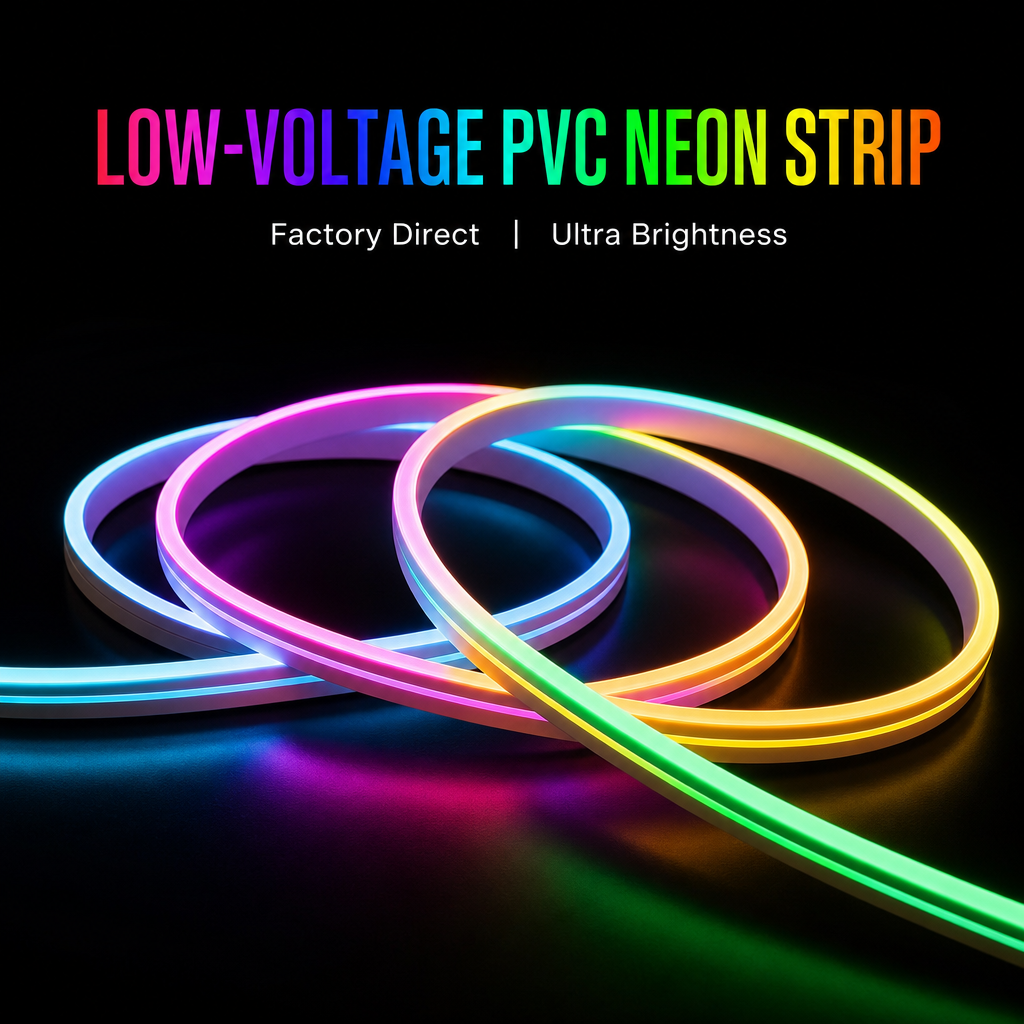
An rgb led strip creates the full spectrum of colors through a remarkably simple yet sophisticated principle based on light mixing. Unlike traditional single-color lighting, an rgb led strip contains three separate light-emitting diodes in each pixel unit: one red, one green, and one blue. By varying the intensity of each individual color component, these strips can generate millions of distinct hues and shades. This additive color mixing technology has revolutionized decorative lighting, ambient design, and professional visual applications across residential and commercial environments.
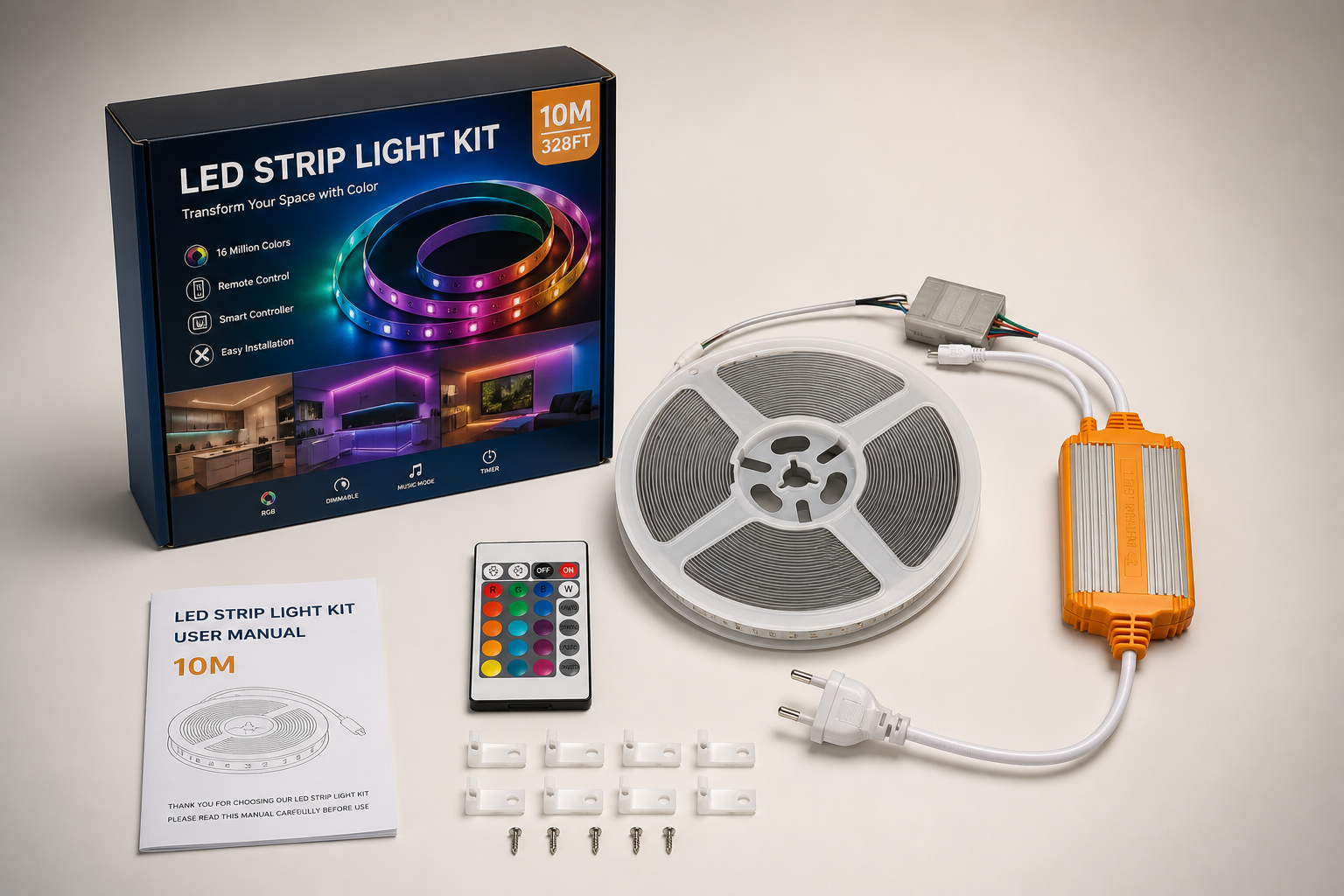
The fundamental mechanism of an addressable rgb strip relies on precise electronic control of light output at the pixel level. Each LED element within a dynamic lighting strip contains integrated circuit components that receive digital signals instructing how much power to deliver to the red, green, and blue diodes independently. This granular control enables smooth color transitions, animated effects, and synchronized lighting patterns across entire installations. Modern smart color led tape systems can produce virtually any color imaginable by adjusting brightness levels from zero to full intensity across all three color channels simultaneously.
Understanding Additive Color Mixing in LED Technology
The RGB Color Model Explained
The RGB color model is fundamentally different from the pigment-based color mixing you may remember from painting classes. When light mixes additively, combining full-intensity red, green, and blue produces white light. This is why computer monitors, televisions, and smart color led tape all rely on the same RGB framework. Each of the three primary colors in an addressable rgb strip can be independently adjusted from 0 to 255 in digital systems, creating a palette of 16.7 million possible color combinations. The human eye perceives these blended wavelengths as unified colors rather than separate light sources because the colors merge at the viewing distance.
How Brightness Levels Control Color Output
Each diode in an rgb led strip operates using pulse-width modulation (PWM), a technique that rapidly switches the LED on and off at a frequency imperceptible to human vision. By adjusting the ratio of on-time to off-time, the perceived brightness of each color channel is controlled. A dynamic lighting strip with all three channels at maximum brightness appears white. Reducing only the blue channel while maintaining red and green produces yellow. This proportional dimming of individual color components is how an addressable rgb strip achieves the complete color spectrum while maintaining energy efficiency and consistent light quality.
Pixel-Level Control and Digital Architecture
How Individual Pixels Receive Color Instructions
A smart color led tape contains dozens or hundreds of individually addressable pixels connected in series along the strip. Each pixel houses its own microcontroller that receives digital data transmitted through a single data line. The control protocol, commonly WS2812B or similar standards, allows a controller or remote interface to send instructions to specific pixels without affecting others. This architecture enables one section of an addressable rgb strip to display red while an adjacent section simultaneously shows blue and another green. Professional installations often chain multiple rgb led strip units together, controlled by a single command interface that synchronizes color changes across all connected segments.
Integration with Smart Home Systems
Modern dynamic lighting strip technology integrates with smart home platforms through wireless protocols including WiFi, Bluetooth, and radio frequency remote controls. These connections allow users to adjust colors, brightness, and effects from mobile applications or voice commands. An addressable rgb strip connected to smart home infrastructure can respond to automation routines, changing colors based on time of day, music beat, or environmental sensors. This connectivity transforms static color capability into adaptive, responsive lighting that enhances both functional and aesthetic environments. Smart color led tape installations in commercial settings often sync with entertainment systems, creating immersive visual experiences that traditional fixed-color lighting cannot achieve.
Practical Applications and Color Performance
Decorative and Ambient Lighting Solutions
An rgb led strip excels in creating personalized ambient lighting for residential spaces including bedrooms, living rooms, and entertainment areas. The ability to adjust color temperature from warm amber tones to cool blue hues allows occupants to optimize lighting for different times of day and activities. A dynamic lighting strip can transition colors gradually throughout an evening, supporting natural circadian rhythms without requiring multiple light fixtures. Commercial applications include retail display lighting, restaurant ambiance, and hospitality environments where color customization enhances customer experience. The energy efficiency of LED technology combined with programmable color control makes an addressable rgb strip an economically practical choice for both new installations and retrofitting existing lighting systems.
Professional and Entertainment Applications
Professional audiovisual installations rely on smart color led tape for stage lighting, architectural accent lighting, and synchronized color shows. Event producers use addressable rgb strip systems to coordinate dynamic color changes with music, creating engaging visual experiences. Museums and galleries employ rgb led strip technology for accent lighting that highlights artwork without generating heat that could damage delicate pieces. Broadcast and film production facilities integrate color-capable dynamic lighting strips into sets and studios. The precision control offered by addressable rgb strip systems allows professionals to achieve exact color matching and smooth transitions that significantly enhance production value and viewer engagement across diverse creative and commercial applications.
FAQ
Can an rgb led strip display colors without an external power source?
Most rgb led strip systems require dedicated power supplies because the combined power draw of multiple LEDs exceeds what standard voltage connections can safely deliver. However, some solar-powered variants of dynamic lighting strips exist for outdoor garden applications, storing energy during daylight hours and displaying colors during evening use. These addressable rgb strip models sacrifice brightness intensity compared to powered alternatives but offer convenient installation without running electrical cables. Battery-operated smart color led tape options also exist for temporary decorative applications, though they require periodic charging and provide limited runtime compared to hardwired installations.
How do addressable rgb strips differ from traditional RGB strips?
Traditional rgb led strip systems control all pixels uniformly, displaying the same color across the entire length simultaneously. Addressable rgb strip technology enables individual pixel control, allowing each segment to display independent colors and animations. A dynamic lighting strip with addressable capability requires only a single data connection plus power, whereas non-addressable rgb led strip models need separate red, green, and blue connections for color control. This architectural difference makes an addressable rgb strip more versatile for complex lighting effects and synchronization with digital systems, though also more sensitive to data signal quality and requiring compatible control interfaces.
What factors affect the color accuracy of smart color led tape?
Color accuracy in a dynamic lighting strip depends on LED manufacturing tolerances, power supply stability, and viewing environment conditions. Temperature fluctuations can slightly shift the perceived color output of an rgb led strip because LED wavelengths drift with heat exposure. Color perception is also influenced by surrounding ambient light, observer position, and surface reflectivity where the smart color led tape is installed. Professional applications often employ color calibration tools and consistent power conditioning to maintain color consistency across addressable rgb strip installations. Standard consumer-grade rgb led strip models typically offer acceptable color consistency for decorative purposes while industrial-grade systems maintain tighter tolerances for color-critical applications.
 EN