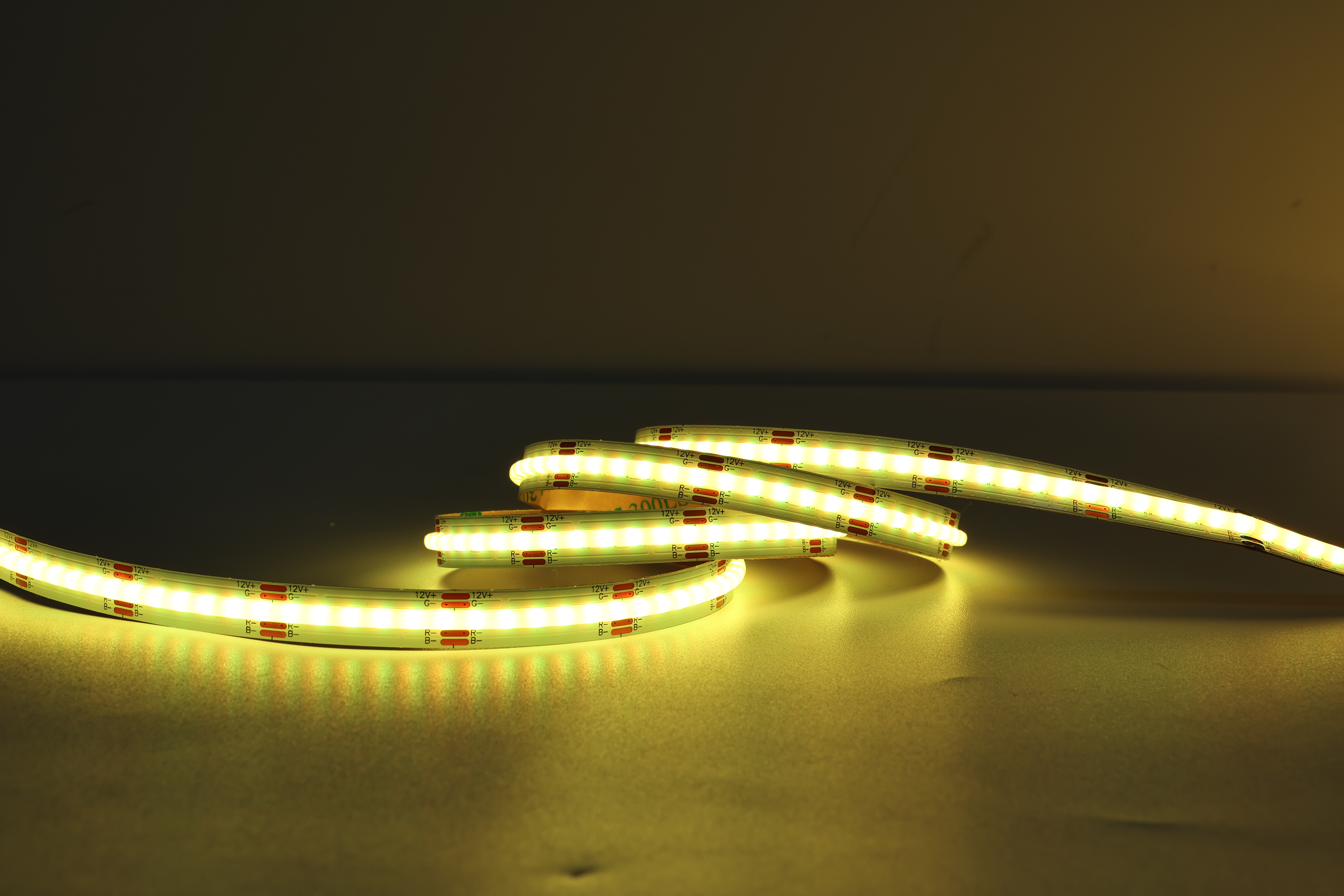
The lifespan of flexible LED strip lights is one of the most important considerations when planning an installation project. Unlike traditional lighting solutions, flexible LED strip lights offer exceptional durability and longevity when properly installed and maintained. Understanding how long these bendable LED tape lighting systems actually last helps you make informed purchasing decisions and plan your long-term lighting budget effectively. Most quality flexible LED strip lights are engineered to deliver reliable performance for extended periods, making them an excellent investment for residential, commercial, and industrial applications.
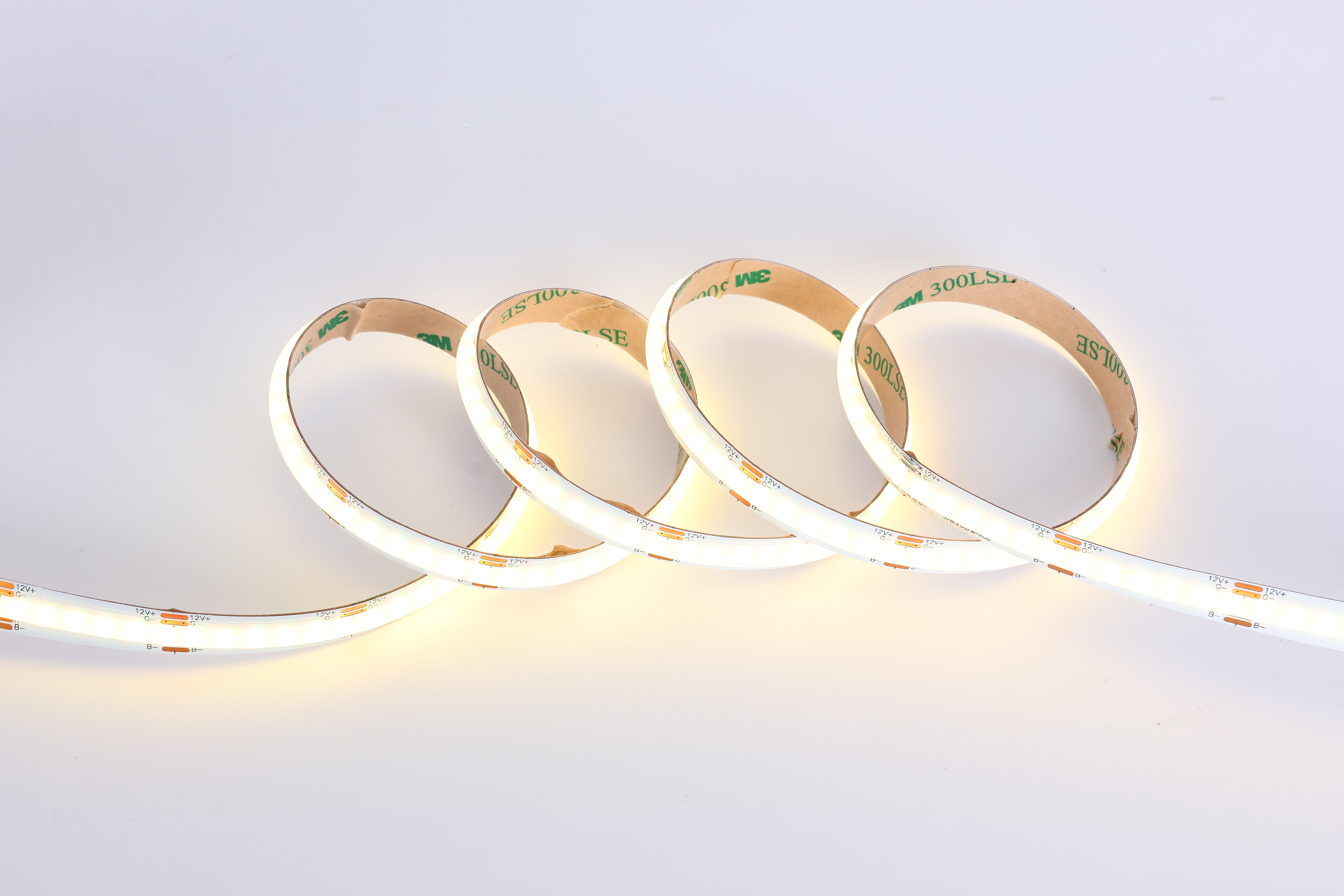
Quality flexible LED strip lights typically last between 25,000 and 50,000 hours of continuous operation, with premium models reaching up to 100,000 hours. This translates to approximately 3 to 5 years of 24/7 operation, or significantly longer if used intermittently. The actual lifespan depends on several critical factors including LED chip quality, power supply stability, operating environment, installation conditions, and regular maintenance practices. By understanding these variables and implementing proper care strategies, you can extend the operational life of your bendable LED tape lighting systems considerably.
Understanding LED Lifespan Standards
Rated Hours and Real-World Performance
Manufacturers specify rated hours as the point at which flexible LED strip lights typically retain 70 percent of their original brightness. This measurement standard means the lights don't abruptly fail at the rated hour mark but gradually dim over time. High-end RGB flexible strip lights often maintain excellent color accuracy and brightness stability throughout their rated lifespan. Understanding this distinction helps you plan for eventual replacement cycles and budget accordingly for your lighting infrastructure.
Quality Variations Among Manufacturers
Not all bendable LED tape lighting products are created equal. Premium brands invest in superior LED chips, better thermal management, and advanced circuitry, resulting in substantially longer lifespans. Budget alternatives may use lower-grade components that degrade more rapidly under heat stress or voltage fluctuations. When evaluating RGB flexible strip lights, prioritize products with third-party certifications and transparent lifespan specifications. This ensures you're purchasing systems engineered for genuine durability rather than marketing claims without technical backing.
Factors Affecting Flexible LED Strip Lights Durability
Heat Management and Thermal Stress
Heat is the primary enemy of LED longevity, and bendable LED tape lighting performance depends critically on effective thermal dissipation. LEDs generate heat during operation, and when this heat cannot escape efficiently, it accelerates component degradation and shortens overall lifespan significantly. Proper installation with adequate spacing between strips and surrounding surfaces allows air circulation that prevents heat buildup. Waterproof LED strip installation in enclosed spaces or near heat sources requires additional thermal management considerations to maintain rated performance levels.
Environmental Conditions and Moisture Exposure
Operating environment has profound effects on flexible LED strip lights longevity. Temperature fluctuations, humidity levels, and direct moisture exposure all contribute to degradation if systems lack proper protection. Waterproof LED strip installation standards specify IP ratings indicating protection levels against dust and moisture ingress. RGB flexible strip lights designed for outdoor or wet environments use specialized silicone encapsulation and corrosion-resistant components. Installing these systems in appropriate environmental conditions according to manufacturer specifications prevents premature failure and maintains consistent performance.
Power Supply Quality and Voltage Stability
The power supply driving your bendable LED tape lighting profoundly impacts overall system lifespan. Low-quality power supplies with unstable voltage output stress LED components and reduce operational life significantly. Certified power supplies with voltage regulation, surge protection, and proper thermal design maintain consistent operating conditions that extend flexible LED strip lights performance. Undersized power supplies that operate at maximum capacity continuously generate excessive heat and accelerate component failure. Investing in quality power supply infrastructure protects your entire lighting installation and maximizes long-term reliability.
Maintenance Practices for Extended Lifespan
Regular Cleaning and Inspection Protocols
Routine maintenance of flexible LED strip lights extends operational lifespan and maintains brightness output. Dust and debris accumulation reduces light output and traps heat against the strip surface, accelerating degradation. Gentle cleaning with soft, dry cloths removes surface contamination without damaging components. Regular visual inspections identify loose connections, visible damage, or discoloration indicating potential problems before they worsen. For waterproof LED strip installation in dusty environments, more frequent cleaning cycles protect system performance and longevity.
Connection Management and Electrical Safety
Poor electrical connections introduce resistance that generates heat and stresses bendable LED tape lighting components. All connection points should be secure, properly crimped or soldered, and protected from moisture ingress. Periodic checks ensure connectors remain tight and oxidation hasn't developed at contact points. Avoiding excessive bending or pulling on RGB flexible strip lights after installation prevents internal wire damage and connection failures. Proper cable routing that prevents sharp stress points protects system integrity throughout the operational lifespan.
Operational Usage Patterns
How you use flexible LED strip lights directly affects their lifespan. Systems operating at reduced brightness levels generate less heat and last longer than those running continuously at maximum output. Implementing dimming schedules or intermittent operation significantly extends service life compared to constant full-brightness use. Quality waterproof LED strip installation includes dimmer switches or smart controls that optimize usage patterns. Avoiding continuous operation at peak brightness reserves component life and reduces degradation rates, effectively multiplying the practical lifespan of your investment.
FAQ
What is the typical lifespan of high-quality flexible LED strip lights?
Premium flexible LED strip lights typically last 50,000 to 100,000 hours, equivalent to 6 to 12 years with average use. This assumes proper installation, adequate thermal management, and a stable power supply. Operating conditions, maintenance practices, and LED chip quality all influence actual lifespan within this range. Regular inspection and cleaning help maintain performance throughout the rated operational period.
Can bendable LED tape lighting be extended beyond the rated lifespan?
Yes, proper maintenance and operational practices can extend bendable LED tape lighting life beyond manufacturer ratings. Maintaining optimal thermal conditions, using quality power supplies, and implementing dimming controls all contribute to extended lifespan. Avoiding environmental stress factors like excessive moisture or temperature extremes preserves component integrity. However, eventual degradation is inevitable, and planning for replacement ensures consistent lighting quality long-term.
How does waterproof LED strip installation affect the lifespan of RGB flexible strip lights?
Proper waterproof LED strip installation with certified IP-rated components actually enhances RGB flexible strip lights longevity by protecting against moisture and environmental contamination. Correct environmental matching prevents stress failures and component degradation. Following manufacturer installation guidelines, using appropriate conformal coatings, and ensuring drainage prevent water damage. Waterproof specifications provide reliable protection only when installation procedures are followed precisely as designed.
 EN