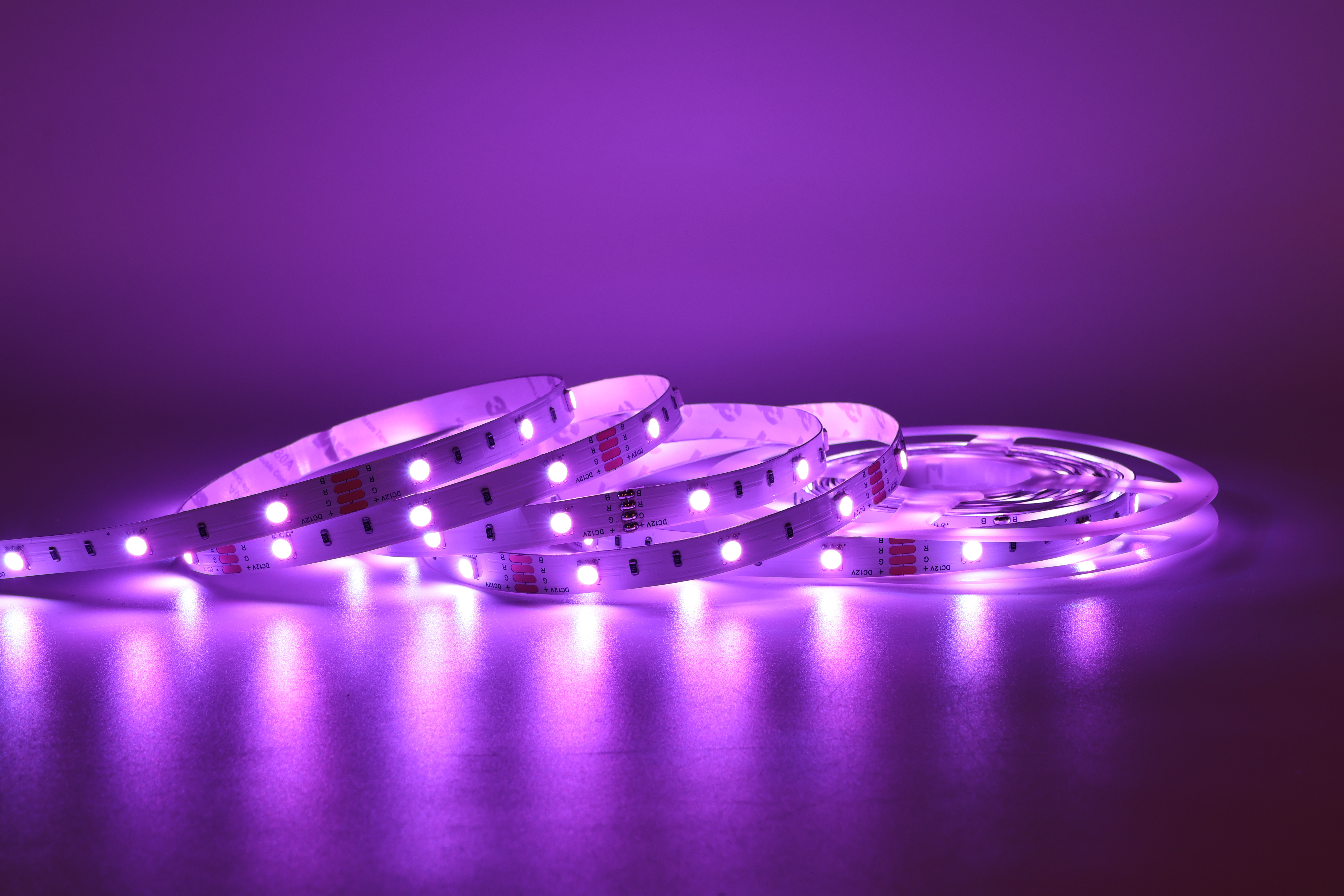
Tape light installations have revolutionized how we approach ambient and task lighting in modern spaces. Whether you're looking to enhance your kitchen, highlight architectural features, or create mood lighting in a bedroom, understanding where to install tape light effectively makes all the difference between a beautiful installation and a disappointing one. The key lies in identifying the right surfaces, understanding the technical requirements, and ensuring your LED tape lighting creates the visual impact you desire.
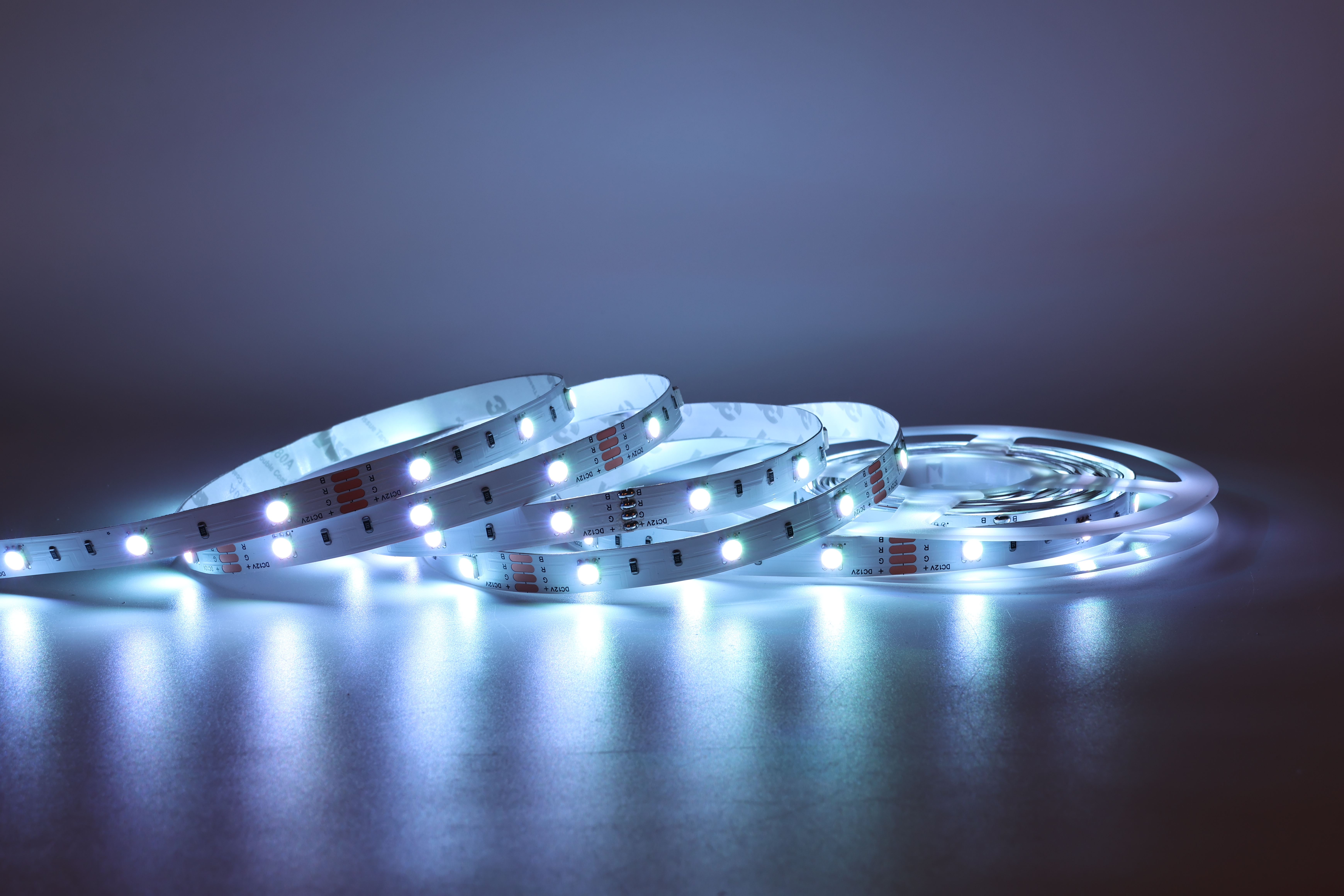
Choosing the optimal installation location requires balancing aesthetics, functionality, and practical constraints. Before purchasing adhesive strip lights, assess your space's layout, lighting needs, and surface conditions. The installation surface must be clean, dry, and smooth to ensure proper adhesion of flexible light strips. Understanding these foundational principles sets the stage for a successful project that delivers both visual appeal and reliable performance.
Kitchen and Under-Cabinet Applications
Countertop and Cabinet Lighting
The kitchen represents one of the most popular locations for LED tape lighting installations. Under-cabinet placement creates excellent task lighting for food preparation and cooking, eliminating shadows on your work surface. This application showcases how effectively adhesive strip lights can combine practical illumination with refined aesthetics. Mount the tape light on the underside of upper cabinets, positioning it as far forward as possible to illuminate the counter below without creating glare in your eyes.
For this installation, ensure your cabinet undersides are smooth and free from dust, oil, or residue that could compromise adhesive bonding. The metal or wood surface should be wiped clean before applying flexible light strips. Many homeowners also install LED tape lighting along the top of upper cabinets to create a subtle uplighting effect that adds depth and sophistication to the kitchen environment.
Inside Glass Cabinets and Display Areas
If you have glass-front cabinets or open shelving, tape light installation inside these spaces provides both functional and decorative benefits. LED tape lighting installed along shelf edges highlights your dishware, glassware, or decorative items while creating visual interest. Adhesive strip lights work exceptionally well in glass cabinet applications because they remain hidden from direct view while their light illuminates displayed items beautifully.
This type of flexible light strips installation requires careful measurement and planning to ensure even light distribution across shelf areas. Install the tape light along the front edge of each shelf, allowing the light to wash down and illuminate items below. The warm or cool color temperature of your LED tape lighting can emphasize different qualities of your displayed objects, from the clarity of crystal to the richness of dark wood tones.
Bedroom and Living Space Applications
Headboard and Accent Wall Lighting
Bedrooms benefit greatly from carefully planned tape light installations that create ambient and mood lighting options. Behind a headboard, adhesive strip lights can create a soft halo effect that adds elegance and visual dimension to your sleeping area. The flexible light strips curve around architectural features or follow wall contours, providing installation flexibility traditional fixtures cannot match.
For headboard installations, consider running the LED tape lighting horizontally behind the headboard frame or vertically along its edges. This creates layers of illumination that feel luxurious and spa-like rather than institutional. Adhesive strip lights also work wonderfully along bedroom ceiling corners or cove spaces, where they create soft indirect lighting that's perfect for evening relaxation without harsh glare.
Living Room Perimeter and Entertainment Areas
Living rooms provide numerous opportunities for flexible light strips that enhance both comfort and functionality. Install LED tape lighting along the perimeter where walls meet ceilings to create ambient uplighting that makes spaces feel larger and more welcoming. Behind media centers or entertainment systems, adhesive strip lights can backlight television screens to reduce eye strain during viewing while creating dramatic visual depth.
Floating shelves and built-in bookcases transform dramatically when you install tape light along their front edges or beneath each shelf. This application combines functional task lighting with decorative accent lighting, creating visual interest while highlighting your favorite books, plants, or collectibles. The soft glow of LED tape lighting in these spaces encourages reading and creates a sophisticated atmosphere perfect for entertaining guests.
Bathroom and Specialty Installation Locations
Mirror and Vanity Lighting Solutions
Bathrooms require specialized lighting approaches, and adhesive strip lights offer creative solutions for mirror and vanity areas. Install flexible light strips around mirror frames or along the top edge above the vanity to create flattering task lighting for grooming and makeup application. LED tape lighting in these locations reduces shadows on your face and provides clear, even illumination that traditional overhead fixtures often fail to deliver.
The humidity levels in bathrooms demand moisture-resistant tape light products designed for wet environments. Ensure you select waterproof or water-resistant adhesive strip lights specifically rated for bathroom use before installation. This precaution protects your investment and ensures safety, as standard residential tape light products may not withstand the steam and moisture inherent in shower and bath areas.
Outdoor and Architectural Feature Lighting
Beyond interior spaces, flexible light strips extend your lighting possibilities to outdoor areas like patios, deck railings, and landscape features. Properly sealed and outdoor-rated LED tape lighting can highlight architectural elements, guide pathways, or create ambient entertaining spaces. The adhesive backing makes installation simple on deck railings, fence posts, or landscaping walls without requiring brackets or fasteners.
When selecting tape light for outdoor applications, prioritize products with UV-resistant coatings and IP67 or higher waterproof ratings. Check that your LED tape lighting maintains adhesive strength despite temperature fluctuations and weather exposure. Outdoor installations of flexible light strips create dramatic accent lighting that transforms your outdoor living experience, from subtle pathway illumination to bold architectural highlighting that showcases your home's character.
FAQ
What surfaces work best for adhesive strip light installation?
The best surfaces for tape light installation are smooth, clean, and dry. Plastic, painted wood, metal, and glass work excellently when properly prepared. Avoid textured surfaces, wallpaper, or dirty areas, as these compromise the adhesive backing of flexible light strips. Always wipe surfaces with rubbing alcohol before installing LED tape lighting to remove dust, oils, and residue that could prevent proper adhesion and long-term durability.
Can adhesive strip lights be installed on curved surfaces?
Yes, high-quality flexible light strips are specifically designed to conform to curved and contoured surfaces. LED tape lighting adapts well to gentle curves on headboards, arches, and rounded architectural features. However, extremely tight curves or sharp angles may challenge the tape light installation process. For severe curves, some users find it helpful to gently warm the adhesive backing slightly before application, which increases flexibility and improves bonding to complex surfaces.
How long do adhesive strip lights typically last before replacement?
Most quality LED tape lighting lasts between 25,000 and 50,000 hours, translating to many years of reliable service depending on daily usage. The adhesive backing of flexible light strips typically remains effective for five to ten years before requiring reapplication. Proper installation on appropriate surfaces and environmental conditions significantly impact longevity. If your tape light fails or the adhesive weakens, replacement is straightforward since adhesive strip lights are designed for easy removal and reinstallation.
 EN