Selecting the right tape light for your project involves understanding the diverse color options available in the market today. Whether you're planning under-cabinet kitchen lighting, accent walls, or ambient room illumination, the color of your tape light dramatically influences the mood and functionality of your space. Modern LED tape lighting has evolved far beyond simple white options, offering homeowners and designers unprecedented flexibility in creating the perfect atmosphere. Understanding the differences between color temperatures, dynamic color systems, and specialized tape light varieties will help you make an informed choice that aligns with your aesthetic and practical needs.
Today's adhesive strip lights come in a remarkable range of configurations designed to meet virtually every lighting requirement and design preference. From traditional single-color tape light in warm and cool white tones to advanced RGB and tunable white systems, the options are extensive. Flexible light strips have become increasingly sophisticated, allowing users to switch between multiple colors, adjust brightness, and even sync lighting with music or circadian rhythms. This comprehensive guide explores the primary color categories available, helping you understand which LED tape lighting solution best serves your specific application and creative vision.
Single-Color and Warm White Tape Light Options
Traditional Warm White Tape Light
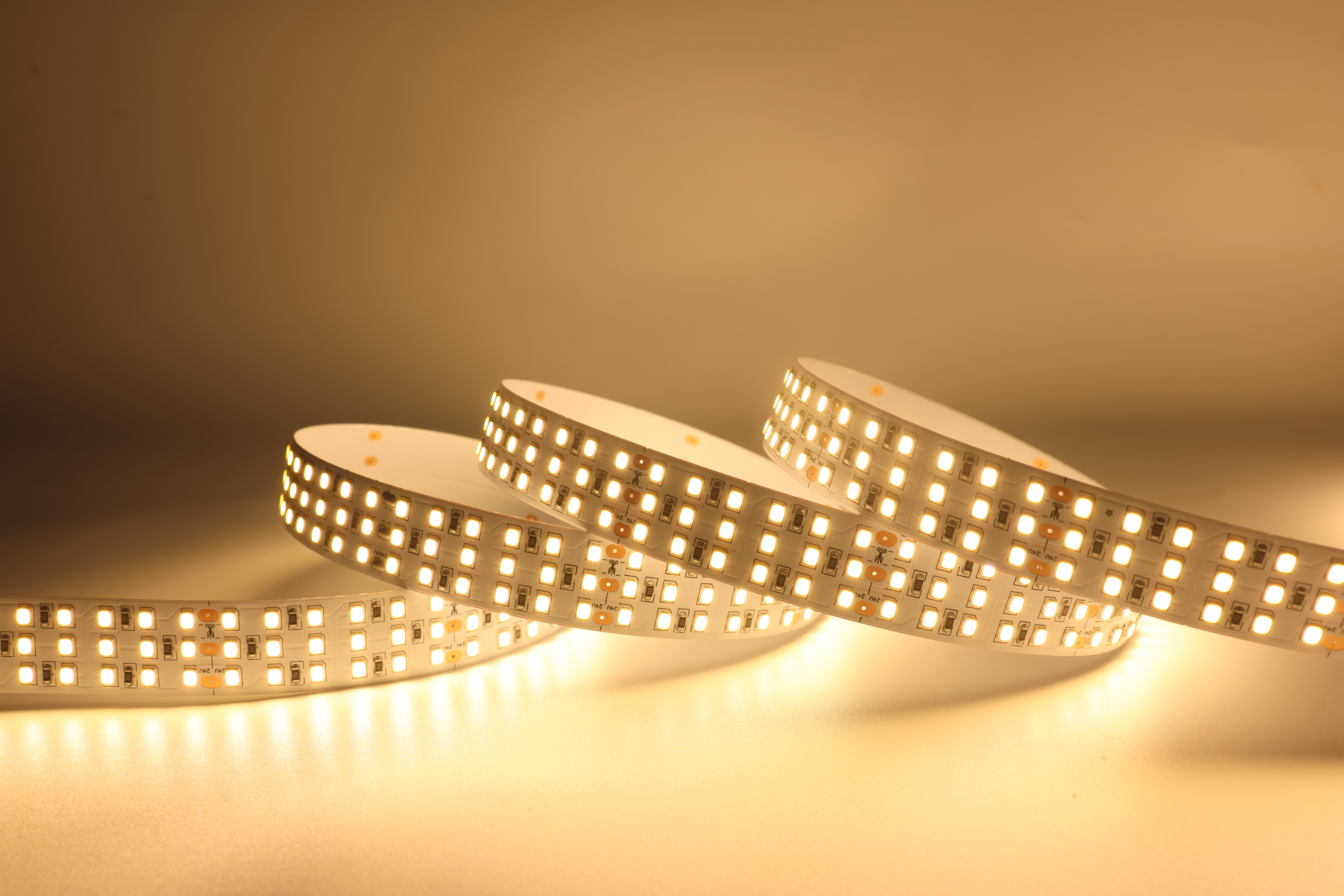
Warm white tape light remains the most popular choice for residential applications, offering a cozy, inviting atmosphere reminiscent of traditional incandescent lighting. These adhesive strip lights typically emit color temperatures between 2700K and 3000K, creating a gentle golden hue that's flattering to skin tones and conducive to relaxation. Warm white tape light is particularly effective in bedrooms, living rooms, and kitchen dining areas where comfort and visual warmth enhance the overall ambiance. The consistency of single-color tape light output makes it ideal for applications requiring predictable, steady illumination without dynamic changes.
Cool White and Daylight Tape Light
Cool white and daylight versions of LED tape lighting serve entirely different purposes, delivering crisp, bright illumination that resembles natural daylight. These adhesive strip lights typically range from 4000K to 6500K, providing excellent color rendering for task-oriented spaces like kitchens, bathrooms, and workspaces. Flexible light strips in cool white tones enhance visibility and detail work, making them essential for under-cabinet kitchen lighting where food preparation demands clarity. The energizing quality of cool white tape light helps maintain focus and alertness, making it suitable for commercial settings and professional environments.
RGB and Dynamic Color Tape Light Solutions
Full-Spectrum RGB Tape Light
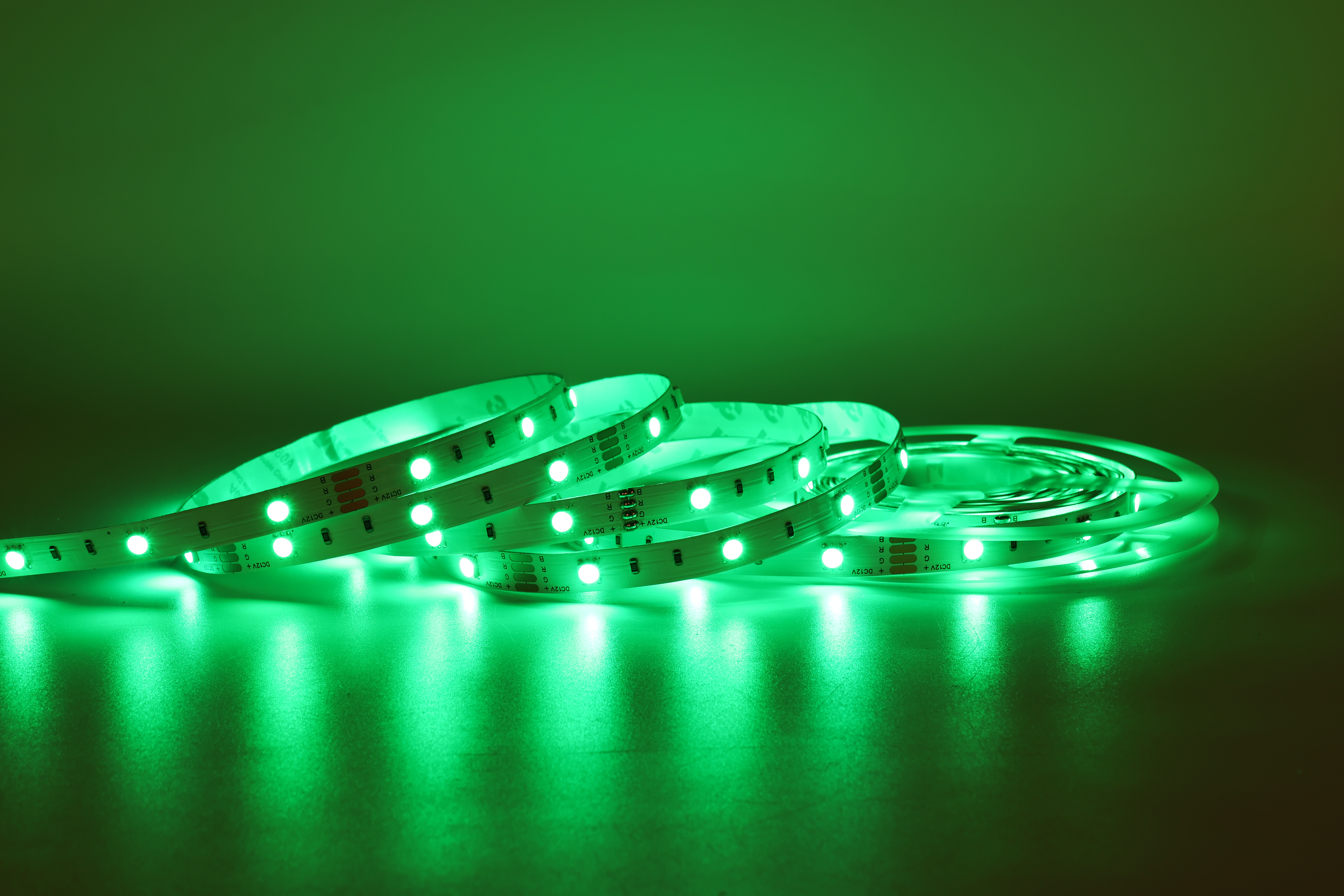
RGB tape light represents a revolutionary approach to flexible light strips, combining red, green, and blue LEDs to produce virtually any color imaginable. These advanced LED tape lighting systems offer unlimited color selection through smartphone apps or remote controls, allowing users to customize their lighting palette for different moods and occasions. RGB adhesive strip lights are particularly popular for entertainment spaces, gaming rooms, and creative environments where dynamic color changes enhance the experience. The ability to transition between colors in tape light applications transforms static architectural elements into interactive visual features that respond to user preferences and environmental needs.
RGBW and Tunable White Tape Light
RGBW tape light incorporates an additional white LED alongside traditional RGB components, providing superior color mixing and pure white output that pure RGB systems cannot achieve. These flexible light strips offer the best of both worlds—dynamic color capability combined with reliable neutral white tones for everyday use. Tunable white LED tape lighting allows users to adjust color temperature continuously from warm to cool white, enabling circadian rhythm alignment and mood adaptation throughout the day. This sophisticated tape light technology is increasingly popular in modern homes where users want both aesthetic flexibility and practical functionality from their adhesive strip lights.
Specialty Color and Smart Tape Light Options
Specialized Color Tape Light Configurations
Beyond standard color options, manufacturers now produce specialized tape light varieties designed for specific applications and creative vision. Amber and rose-tinted LED tape lighting creates distinctive warm accents for accent walls and architectural highlighting. Violet and ultraviolet tape light serves security, medical, and artistic purposes, while some flexible light strips incorporate phosphorescent materials for unique visual effects. These specialty adhesive strip lights cater to niche applications where standard warm, cool, or RGB tape light options don't sufficiently address unique design or functional requirements. Understanding these specialized offerings expands your creative possibilities when selecting the perfect tape light for unconventional projects.
Smart and Programmable Tape Light Features
Modern LED tape lighting increasingly incorporates smart technology, enabling voice control, scheduling, and automation features that enhance both convenience and energy efficiency. Connected flexible light strips integrate with smart home systems, allowing synchronized lighting scenes across multiple rooms and devices. Advanced tape light systems can respond to music, adjust color based on time of day, or create custom lighting sequences for entertainment and ambiance. These programmable adhesive strip lights represent the convergence of traditional lighting with contemporary technology, offering users unprecedented control over their lighting environment. When evaluating tape light options, consider whether smart features align with your lifestyle and whether connectivity options match your existing smart home infrastructure.
Selecting the Right Tape Light Color for Your Application
Functional and Aesthetic Considerations
Choosing the appropriate tape light color requires evaluating both functional lighting needs and aesthetic preferences for your specific space. Task-oriented areas like kitchens and bathrooms typically benefit from cool white or daylight LED tape lighting that supports visibility and detail work. Living spaces and bedrooms often favor warm white adhesive strip lights that promote comfort and relaxation without causing visual fatigue. Accent applications and entertainment spaces may leverage RGB or specialty flexible light strips to create distinctive visual experiences. The best tape light selection balances practical illumination requirements with design goals, ensuring your lighting serves both functional and aesthetic purposes effectively.
Room Type and Lighting Purpose Alignment
Different room types and lighting applications demand different tape light color profiles to achieve optimal results. Under-cabinet kitchen lighting typically requires cool white LED tape lighting for food preparation visibility, while ambient living room lighting benefits from warm white flexible light strips. Bedroom accent lighting often employs tunable or RGB tape light systems allowing adjustment based on time of day and mood preferences. Commercial retail environments frequently utilize cool white or specialized color adhesive strip lights to highlight merchandise and encourage customer engagement. By matching tape light color characteristics to specific room functions and lighting objectives, you create spaces where illumination actively enhances functionality and user experience rather than merely providing visibility.
FAQ
What color temperature is best for kitchen under-cabinet tape light?
Cool white tape light between 4000K and 6500K is ideal for kitchen under-cabinet applications, as it provides excellent visibility and color accuracy for food preparation. This color temperature of LED tape lighting enhances natural colors of ingredients and prepared dishes while supporting task-oriented work. However, some homeowners prefer warm white flexible light strips for a cozier ambiance in open kitchen dining areas, so consider your kitchen's overall design and how lighting will complement other fixtures.
Can RGB tape light replace traditional white adhesive strip lights?
RGB tape light offers tremendous color flexibility but pure RGB systems may not produce perfectly neutral white for everyday use, which is why RGBW versions include dedicated white LEDs. For general ambient lighting purposes, traditional single-color or tunable white LED tape lighting often provides superior consistency and simpler operation than RGB flexible light strips. However, RGB systems work excellently as accent lighting or in entertainment spaces where dynamic color changes are desired, making them suitable complements to traditional white tape light in the same space.
How do I choose between warm white and cool white tape light?
Warm white tape light creates inviting, comfortable atmospheres ideal for bedrooms and living spaces, while cool white LED tape lighting supports focused work in kitchens and offices. Consider the primary function of your space and the mood you want to create when selecting between these adhesive strip lights options. Many designers recommend combining both colors in the same space, using warm white flexible light strips for ambient lighting and cool white tape light for task areas, allowing maximum flexibility and functional lighting design.
 EN