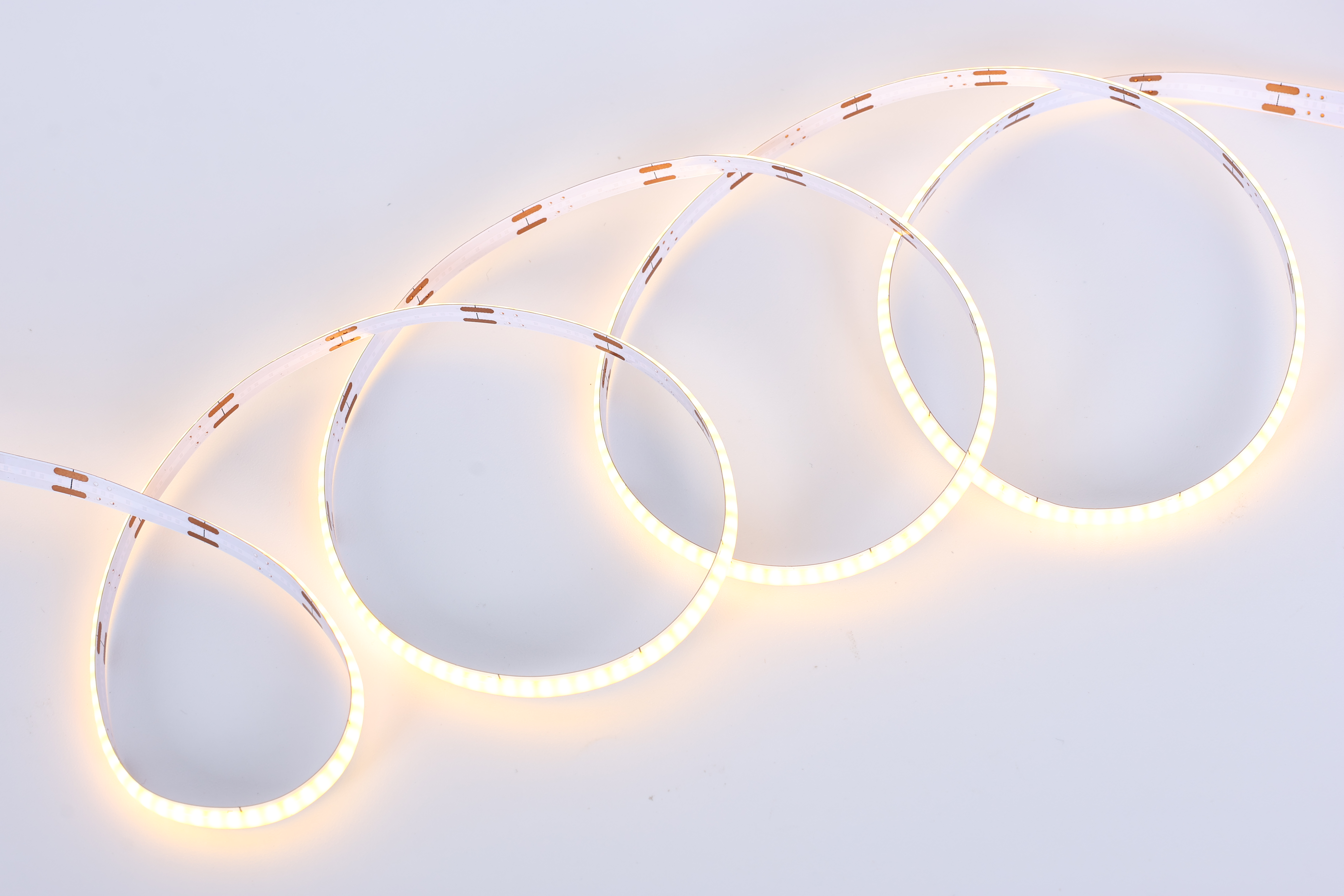
Yes, you can waterproof tape light for outdoor use, but the process requires careful planning and the right materials. Modern LED tape lighting has evolved significantly, with many flexible light strips now featuring factory-applied waterproof coatings designed specifically for exterior applications. Understanding how to properly select, install, and maintain waterproof tape light solutions is essential for achieving reliable outdoor lighting that withstands weather exposure, moisture, and temperature fluctuations.
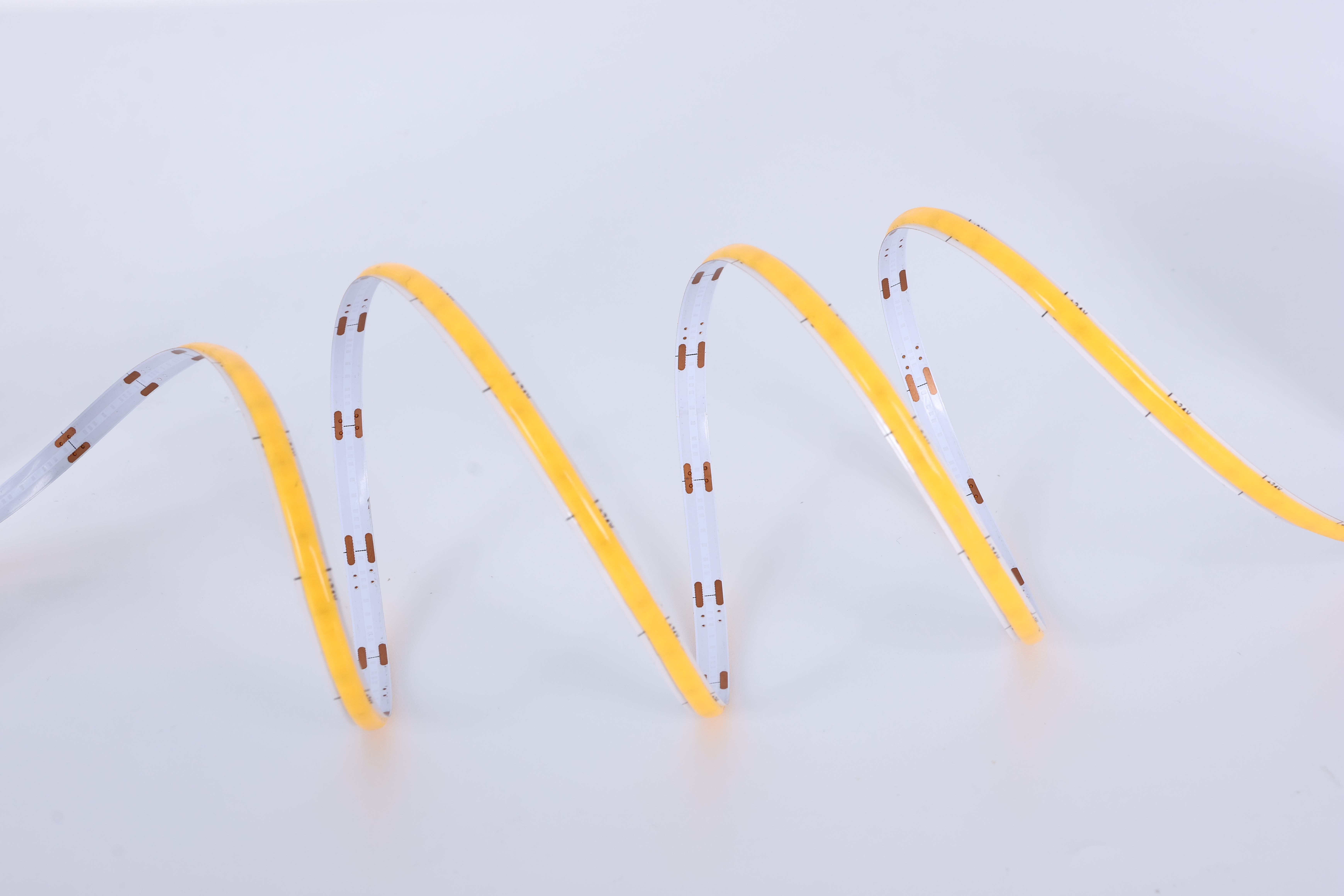
The key to successful outdoor tape light installation lies in selecting adhesive strip lights with appropriate ingress protection ratings and applying secondary waterproofing measures when necessary. Outdoor environments present unique challenges including direct rain exposure, UV radiation, temperature cycling, and salt spray in coastal areas. Properly waterproofed LED tape lighting can deliver years of reliable performance while maintaining aesthetic appeal and consistent brightness output in residential gardens, commercial landscapes, patios, and architectural accent applications.
Understanding Waterproof Ratings for Tape Light Systems
IP Rating Standards and Outdoor Durability
Ingress Protection ratings are the primary indicator of whether tape light products can handle outdoor conditions safely. The IP rating system uses two digits: the first number rates protection against solid particle intrusion, while the second rates protection against liquid immersion and spray. For outdoor flexible light strips, a minimum rating of IP65 is recommended, which means the adhesive strip lights are dust-tight and can withstand low-pressure water jets from any direction without damage. Higher ratings like IP67 or IP68 provide even greater protection, allowing the LED tape lighting to be temporarily or permanently submerged in water, making them suitable for pool lighting, fountain features, and highly exposed installations.
Material Composition and Protective Coatings
Quality waterproof tape light products use silicone or epoxy resin coatings that seal all circuit elements and solder joints within the flexible light strips. These protective layers create a barrier against moisture penetration while remaining transparent to preserve light output. The adhesive strip lights base substrate is typically made from polyester or fiberglass reinforced material that resists degradation from UV exposure and temperature extremes. The housing around LED components in tape light systems must be completely encapsulated, with no exposed copper traces or circuit pathways where water ingress could cause short circuits or component failure. Premium LED tape lighting includes additional measures such as silicone potting compounds that fill microscopic voids in the assembly.
Installation Methods for Outdoor Tape Light Applications
Surface Preparation and Substrate Selection
Proper installation of waterproof tape light begins with thorough surface preparation on the mounting substrate. The area where adhesive strip lights will be mounted must be clean, dry, and free from dust, oil, or loose paint that could compromise adhesive bonding. For outdoor applications, avoid mounting tape light directly on wood surfaces that absorb moisture, as this creates a barrier between the adhesive backing and the flexible light strips, leading to eventual separation and water intrusion behind the installation. Instead, select moisture-resistant substrates such as aluminum channels, PVC trim, concrete, or sealed metal surfaces that shed water rather than absorb it. The adhesive strip lights perform better when the mounting surface has low porosity and good thermal conductivity, which helps dissipate heat from the LED tape lighting elements.
Sealing Joints and Connection Points
Connection points and joints in tape light systems are critical vulnerability zones in outdoor installations. Where flexible light strips connect to power supplies or to one another through connectors, these areas must be sealed with waterproof silicone caulk or specialized electrical sealant products designed for outdoor use. Even with adhesive strip lights rated as waterproof, water can wick along connector pins or follow wire pathways into enclosures if these connections are not properly sealed. Apply a continuous bead of outdoor-grade silicone around all power connection areas on your LED tape lighting, ensuring complete encapsulation of any exposed metal contacts. For splice connections between sections of tape light, use waterproof connector blocks specifically rated for outdoor electrical applications, and seal these connectors with protective caps and silicone compound. The goal is to ensure that no pathway for water entry exists through the connection points where your flexible light strips terminate.
Maintenance and Long-Term Protection Strategies
Regular Inspection and Preventive Care
Waterproof tape light systems require periodic inspection to maintain their protective integrity over time. Quarterly examination of your LED tape lighting installation helps identify early signs of adhesive separation, coating cracks, or seal degradation before water penetration occurs. Check adhesive strip lights mountings after severe weather events, as wind-driven rain or debris impact can compromise the waterproof seal. Clean the flexible light strips surfaces gently with a soft, damp cloth to remove dirt and salt spray accumulation that could degrade the protective coating. Inspect all power connections and wire entry points for corrosion, white powder deposits, or signs of moisture accumulation inside the electrical housing. Address any visible degradation immediately by resealing affected areas with fresh outdoor-grade silicone and testing the tape light circuit for proper function.
Environmental Exposure and Protective Measures
Different outdoor environments require different protection strategies for tape light installations. In coastal areas, adhesive strip lights experience accelerated corrosion from salt spray, necessitating semi-annual cleaning and protective coating reapplication. For installations in extreme weather zones, additional protection can be provided by installing UV-resistant polycarbonate covers over the flexible light strips, creating a second barrier against direct weather exposure. Shade structures, eave overhangs, or decorative bezels that shield LED tape lighting from direct rain while allowing light transmission can extend the operational life significantly. In areas with temperature extremes, ensure adequate ventilation around tape light installations to prevent condensation buildup inside enclosures. Applications in heavily shaded or humid locations may benefit from periodic application of silicone spray treatments to refresh the water-repellent surface properties of the adhesive strip lights. This proactive approach transforms your tape light system into a durable, multi-year outdoor lighting solution that continues performing reliably despite environmental challenges.
FAQ
Can all tape light products be used outdoors with waterproofing measures?
Not all tape light products are suitable for outdoor use, even with additional waterproofing. Consumer-grade indoor adhesive strip lights typically lack the robust component encapsulation and UV-resistant materials needed for outdoor exposure. When selecting flexible light strips for outdoor applications, choose products specifically manufactured with outdoor durability in mind, featuring IP65 minimum ratings and silicone or epoxy potting compounds. Attempting to waterproof low-quality LED tape lighting with sealants alone rarely produces reliable results, as the underlying components may not tolerate temperature cycling or UV exposure. Always verify that your tape light is designed for outdoor conditions before investing in waterproofing installation.
What is the best waterproofing method for existing tape light installations?
Retrofitting existing tape light with waterproofing is possible but less effective than choosing outdoor-rated products initially. Apply outdoor-grade silicone sealant around all connection points and vulnerable areas on your flexible light strips, ensuring complete encapsulation of exposed components. For LED tape lighting already installed, use flexible silicone shrink tubing over connector points and apply protective polycarbonate covers or bezels around the adhesive strip lights to shield them from direct weather. Secondary measures include creating physical barriers with awnings, ledges, or decorative covers that prevent water accumulation directly on the tape light. However, if the core components lack proper internal potting, complete long-term waterproofing may prove impossible, making replacement with proper outdoor-rated flexible light strips the most reliable solution.
How long does waterproof tape light typically last outdoors?
Properly installed and maintained waterproof tape light can last five to ten years in typical outdoor conditions, with some premium LED tape lighting systems exceeding this timeline. The lifespan depends significantly on climate, installation location, and maintenance frequency. In mild climates with minimal temperature fluctuation and protected mounting locations, flexible light strips often exceed expected durability. Harsh environments with heavy rainfall, salt spray, extreme temperature swings, or intense UV exposure can reduce the operational life of adhesive strip lights to three to five years. Regular maintenance, prompt seal repair, and protective cover installation substantially extend the functional life of tape light systems. Most quality LED tape lighting will eventually fail due to component degradation or seal breakdown, but superior design and proper waterproofing practices maximize the years of reliable outdoor performance.
 EN