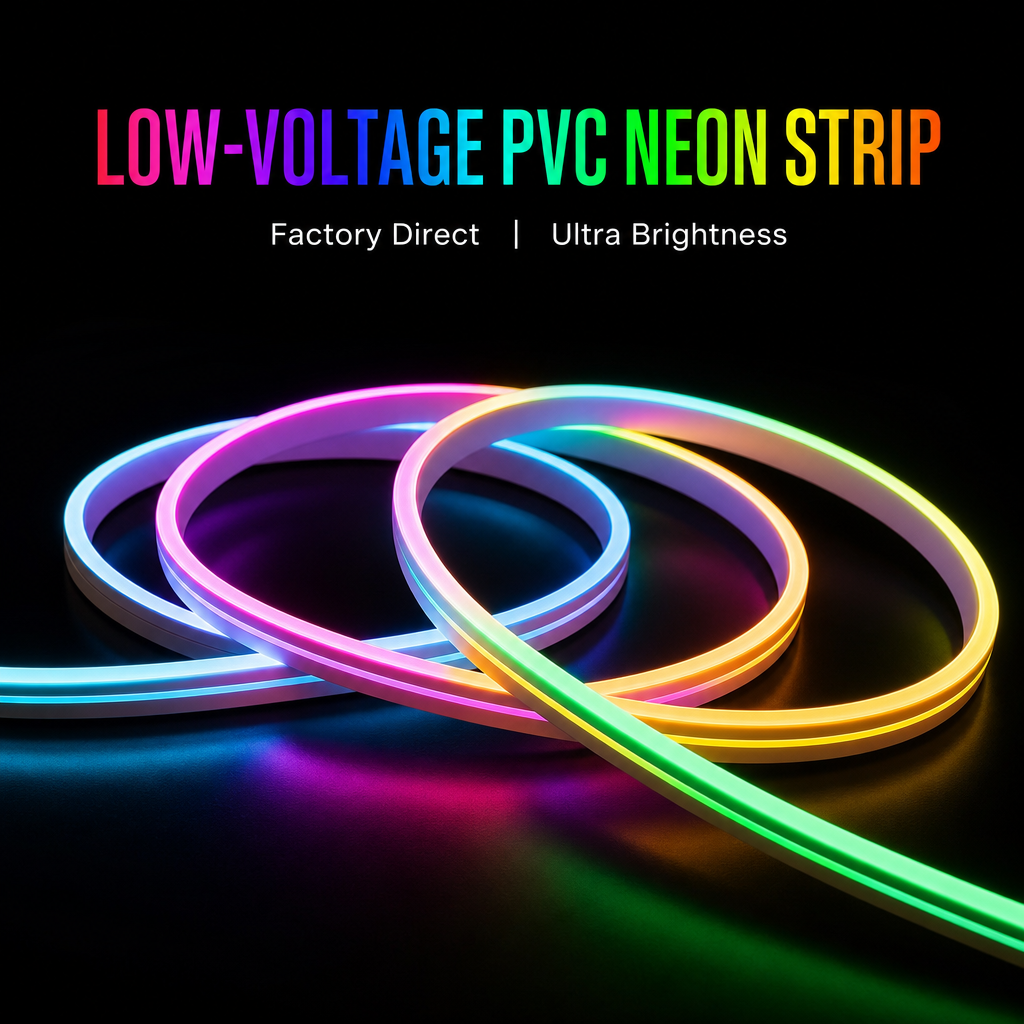
An addressable LED strip represents a fundamental advancement in lighting control technology that has transformed how designers, architects, and installers create dynamic visual effects. Unlike traditional LED strips that operate on simple on-off circuits, an addressable LED strip allows each individual LED pixel control through a digital signal protocol, enabling millions of color combinations and synchronized animation sequences across entire installations. This technology has become essential in architectural lighting, entertainment displays, retail environments, and smart home systems where precision and customization are paramount.
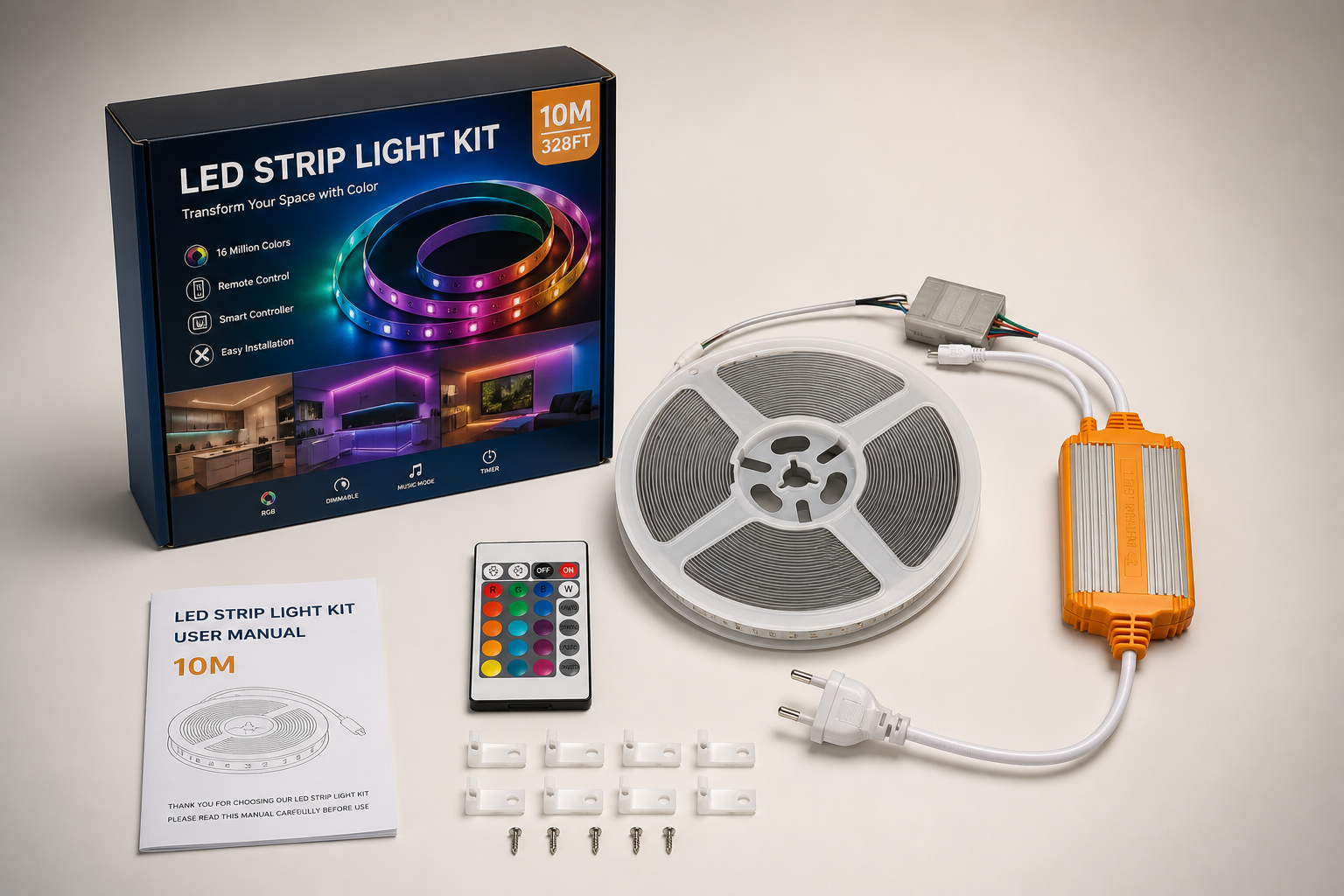
The power of a programmable RGB LED strip lies in its sophisticated communication architecture. Each diode within the strip contains integrated circuitry that receives, interprets, and passes along digital instructions to downstream pixels. This daisy-chain architecture means a single control wire can manage hundreds or thousands of individual color assignments without requiring separate wiring for each light. Smart addressable lighting systems use serial data protocols like WS2812B, APA102, or DMX to send real-time color and brightness commands to specific pixel addresses within the strip.
Core Architecture of Addressable LED Strips
Digital Signal Processing and Pixel Addressing
The fundamental operation of an addressable LED strip depends on a microcontroller sending digital pulses through a single data line. Each LED pixel contains a small processor that listens to incoming signals and extracts instructions meant for its specific address. When data reaches a pixel designated for address zero, that pixel reads its color information and immediately forwards remaining data to the next pixel in the chain.
Most programmable RGB LED strip systems use pulse-width modulation to encode color values. The microcontroller transmits timing signals where the duration of high and low states encodes binary information. A pixel receiving these signals decodes the timing patterns to extract its red, green, and blue intensity values, typically represented as eight-bit numbers from zero to 255 for each color channel.
Communication Protocols and Data Flow
Professional and consumer-grade smart addressable lighting systems employ different communication standards depending on application requirements. The WS2812B protocol, commonly found in DIY and semi-professional installations, uses a single GPIO pin to transmit color data sequentially through the strip. Higher-end systems may use DMX512, a protocol originally developed for stage lighting, which supports up to 512 addressable channels and offers superior noise immunity in electrically demanding environments.
The refresh rate of addressable LED strips typically ranges from 400 Hz to several kilohertz, meaning color updates occur many times per second. This high refresh frequency creates seamless color transitions and smooth animation effects that human eyes perceive as continuous motion rather than flickering discrete steps.
Color Mixing and Individual LED Pixel Control
RGB Color Theory in Digital Lighting
Individual LED pixel control in addressable systems relies on additive color mixing, where red, green, and blue light wavelengths combine to create any visible color. Each pixel contains three separate LED dies, typically positioned in close proximity or using phosphor conversion to generate the three primary colors. By independently modulating the brightness of each color channel, designers achieve stunning visual effects from crisp primary colors to subtle pastels and complex color gradients.
The bit depth of the microcontroller driving the addressable LED strip determines color resolution and smoothness. Eight-bit color depth, the industry standard, provides 256 intensity levels per channel, delivering smooth gradations between colors that satisfy most visual applications. Professional cinema and museum installations sometimes employ 16-bit or higher color depth for critically demanding color accuracy, though this requires more sophisticated control electronics and higher data transmission rates.
Dynamic Effects and Animation Capabilities
The defining advantage of an addressable LED strip is its ability to execute complex animation sequences that would be impossible or prohibitively expensive with traditional lighting systems. Controllers can program each pixel independently to follow unique color paths over time, creating effects like color waves flowing along the strip, rainbow fades across multiple pixels, or synchronized color pulses throughout an installation. Smart addressable lighting enables responsive effects that react to audio input, environmental sensors, or user input through mobile applications, transforming static spaces into dynamic, immersive environments.
Practical Applications and System Integration
Installation Considerations and Power Requirements
Implementing an addressable LED strip system requires careful attention to power distribution and signal integrity. Dense pixel configurations can draw substantial current, particularly when many pixels display bright white or saturated colors simultaneously. Professional installations include regulated power supplies sized for peak current demand, with multiple injection points along the strip to prevent voltage sag that would reduce color accuracy at distant pixels. Signal degradation over long cable runs necessitates properly terminated twisted-pair data cables and sometimes intermediate buffer amplifiers for installations exceeding 50 meters, ensuring reliable individual LED pixel control throughout the entire system.
A programmable RGB LED strip system typically includes a power supply, control microcontroller, and the addressable strip itself. Popular microcontroller platforms like Arduino, Raspberry Pi, or dedicated LED controllers offer programming environments where developers implement custom lighting sequences. Smart addressable lighting systems often include wireless receivers, remote controls, or smartphone applications that communicate with the microcontroller, allowing end users to adjust colors and effects without technical programming knowledge. This modularity has democratized dynamic lighting effects, enabling small businesses and creative professionals to implement sophisticated installations with readily available components and online programming resources.
Environmental and Practical Durability
Quality addressable LED strip products incorporate protection against moisture, temperature extremes, and mechanical stress. Silicone encapsulation and UV-resistant materials extend outdoor operational life, while thermal management ensures pixels operate within optimal temperature ranges for consistent color accuracy. A robust addressable LED strip designed for architectural or outdoor applications typically features reinforced connectors, epoxy-sealed circuit boards, and rated operating temperatures from negative 20 to 60 degrees Celsius. Smart addressable lighting installations in commercial environments benefit from products meeting IP65 or IP67 ingress protection ratings, protecting against water spray and occasional submersion that occurs in landscape or fountain applications.
FAQ
Can an addressable LED strip work with standard dimmer switches?
No, an addressable LED strip requires a dedicated digital controller rather than conventional dimmer switches. Traditional dimmers operate by modulating voltage to the entire strip uniformly, whereas individual LED pixel control depends on digital signal protocols that assign unique color information to each pixel address. Attempting to use a standard dimmer will either prevent the strip from functioning entirely or cause unpredictable color behavior. A programmable RGB LED strip must connect to a compatible microcontroller or receiver module that interprets digital commands and transmits properly formatted data to the strip.
How many pixels can a single controller manage in a programmable RGB LED strip system?
The maximum pixel count depends on the communication protocol and controller capabilities. WS2812B-based systems typically support up to 1000 pixels per data line before signal integrity degradation necessitates buffer amplification or additional data lines. DMX512 smart addressable lighting supports up to 170 RGB fixtures on a single circuit without additional equipment. For larger installations, professional systems use multiple controllers, each managing a separate section of the addressable LED strip, or employ higher-bandwidth protocols designed for thousands of addressed channels. System designers calculate maximum pixel density based on refresh rate requirements, signal propagation speed, and acceptable latency between controller commands and pixel response.
What programming knowledge is required to use an addressable LED strip?
Basic addressable LED strip operation requires minimal programming, with many consumer products offering smartphone applications or physical remote controls for color and effect selection. However, creating custom lighting sequences or integrating individual LED pixel control with sensors and automation systems typically involves programming microcontrollers using languages like Arduino C++, Python, or similar frameworks. Numerous open-source libraries simplify programmable RGB LED strip control, allowing developers to focus on creative implementation rather than low-level protocol details. Many commercial smart addressable lighting products now include intuitive drag-and-drop interfaces and pre-programmed effect libraries, making sophisticated installations accessible to users without formal electronics or programming backgrounds.
 EN