 EN

what-color-effects-can-addressable-led-strip-create, what-color-effects-can-addressable-led-strip-create, /news
EN
2026/10/20
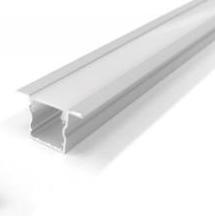
An addressable led strip represents a significant evolution in lighting technology, enabling creators, designers, and facility managers to produce virtually unlimited color effects with precision control. Unlike traditional LED strips that illuminate uniformly across their entire length, an addressable led strip allows each individual LED pixel to be controlled independently, creating dynamic visual experiences that were impossible just a few years ago. This capability has transformed applications across entertainment, architectural lighting, retail displays, and even outdoor garden installations, where creative color expression has become essential to brand identity and user engagement.
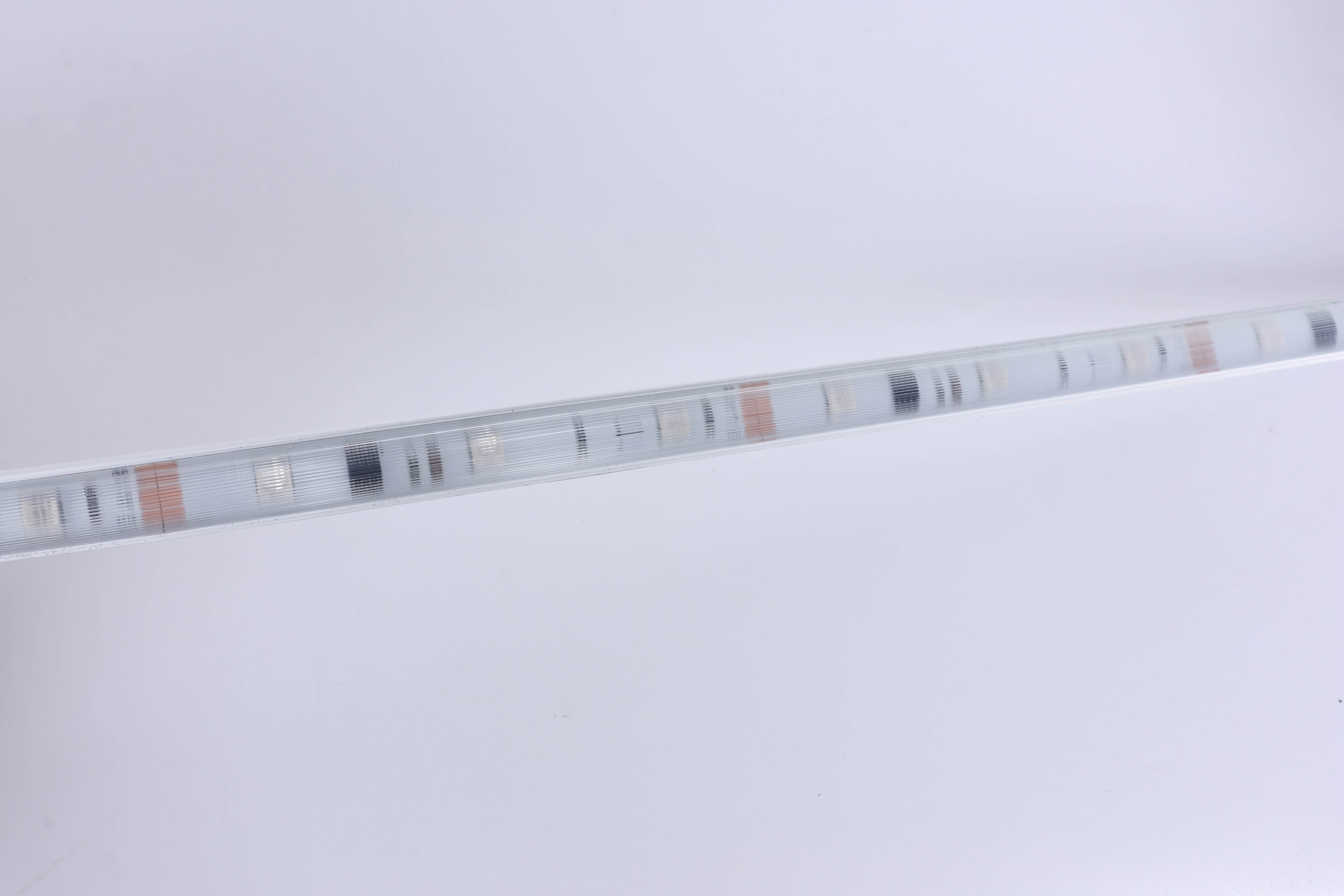
The foundation of an addressable led strip's versatility lies in programmable RGB LED strip architecture, which combines red, green, and blue light channels within each pixel. By adjusting the intensity of these three primary colors independently, the system can generate millions of color combinations across the visible spectrum. This individual LED pixel control mechanism means that adjacent LEDs along the strip can display completely different colors simultaneously, enabling gradient transitions, chasing animations, and complex multi-color patterns that respond to music, motion, or preset programming sequences.
Individual LED pixel control is the technical core that makes an addressable led strip so powerful. Each pixel contains microchip circuitry that receives digital signals from a controller, allowing it to interpret commands and adjust its color output independently from neighboring pixels. A programmable RGB LED strip communicates through a single data line, where each pixel reads its intended instruction, passes remaining data downstream, and executes its assigned color code without interference from adjacent LEDs.
The control protocol typically operates at high refresh rates, enabling smooth transitions and responsive animations that appear fluid to the human eye. Modern addressable led strip systems support various protocols such as WS2812B, APA102, or proprietary standards, each with specific timing requirements and data formats.
A programmable RGB LED strip achieves its vast color palette through precise intensity modulation of red, green, and blue components. Each color channel operates independently with 8-bit resolution on most systems, meaning 256 brightness levels per color, resulting in approximately 16.7 million possible color combinations per pixel. Smart addressable lighting systems use this capacity to create smooth color gradients, where transitioning from one hue to another appears seamless rather than stepped. Intensity control also enables dimming effects, pulsing patterns, and gradual fade sequences that enhance the emotional impact of the lighting display.
An addressable led strip excels at creating animation patterns where colors move along the strip in controlled sequences. Chase effects, where a bright color or color pattern moves progressively from one end to the other, are a foundational animation type that demonstrates individual LED pixel control capability. Rainbow wave patterns shift hues smoothly across the entire strip length, creating a flowing spectrum effect. Twinkle and sparkle effects randomly illuminate different pixels with varying brightness, simulating natural phenomena like stars or fireflies.
More sophisticated patterns include theater-chase effects where multiple colored pixels move together with dark spaces between them, creating visual movement and depth. Breathing patterns gradually increase and decrease brightness across all pixels in synchronized harmony, producing a calming pulsing effect suitable for ambient lighting. Strobe and flash effects use rapid on-off cycles for attention-grabbing impact, commonly deployed in event lighting and stage productions where dynamic visual impact is essential.
The ability to create smooth color gradients distinguishes smart addressable lighting from simpler lighting solutions. By setting each pixel to a slightly different hue along the spectrum, an addressable led strip can display a seamless rainbow gradient from end to end, or transition smoothly through multiple colors in sequence. Gradient effects are particularly valuable in retail environments where smooth transitions between brand colors create a sophisticated, high-end aesthetic.
Cross-fade transitions between different color states occur smoothly when individual LED pixel control manages the timing of each transition. Rather than abrupt color switches, programmable RGB LED strip technology enables gradual shifts where each pixel transitions through intermediate colors at precisely controlled rates.
Advanced addressable led strip systems can respond to music and sound input through integrated microphones or audio input connectivity. The system analyzes audio frequency content and drives color changes, brightness variations, and animation speeds in synchronization with the music. Bass frequencies might trigger deep reds and purples, mid-range frequencies drive greens and yellows, while high frequencies activate bright whites and cool blues.
Interactive effects powered by smart addressable lighting can also respond to motion sensors, proximity detection, or remote control input. In outdoor garden installations, motion-activated color changes create dynamic visual interest as people move through the space. Game-synchronized effects where lighting responds to gameplay events add immersive dimensions to entertainment applications.
Controlling an addressable led strip requires compatible controller hardware and software programming capabilities. Mobile apps, wireless remotes, and dedicated control panels provide user-friendly interfaces for selecting from preset effects or creating custom patterns. Programmable RGB LED strip systems often support open-source platforms like Arduino or Raspberry Pi, enabling developers to create entirely custom effects tailored to specific applications.
Customization depth varies by product tier, with consumer-grade systems offering preset patterns and basic color selection, while professional-grade addressable led strip solutions provide pixel-level programming control and advanced timing synchronization. Software libraries and community resources support developers in creating original effects and integrating light control with other smart home or commercial automation systems.
Power requirements for an addressable led strip depend on length, brightness settings, and active pixel density. Full-brightness white display of all pixels requires maximum power, while selective color usage can reduce consumption significantly. Proper power supply sizing prevents voltage drop across longer runs, which would cause color inconsistency in pixels located far from the power source. Many professional installations include power injection points at intervals along the strip to maintain voltage stability across the entire length.
Installation of programmable RGB LED strip involves secure mounting, proper heat dissipation, and protected data line routing. Outdoor applications require weatherproof connectors and protective silicone enclosures to ensure water resistance and longevity. The data line carrying control signals must be physically separated from high-voltage power lines to prevent electromagnetic interference that could disrupt the individual LED pixel control commands. These practical considerations ensure reliable operation and consistent color accuracy throughout the addressable led strip's operational lifespan.
Yes, an addressable led strip can produce millions of colors through programmable RGB LED strip technology. With 256 brightness levels for each of the three color channels, the system generates approximately 16.7 million color combinations per pixel. However, the exact color appearance depends on the quality of the individual LED pixel components, ambient lighting conditions, and calibration accuracy. Professional-grade addressable led strip systems with higher-quality LEDs and precise calibration achieve superior color fidelity and consistency compared to budget alternatives.
Smart addressable lighting systems range from simple remote-controlled options requiring no programming to fully customizable platforms requiring advanced coding skills. Most consumer models include preset effects and color selection through mobile apps or wireless remotes, making them accessible to non-technical users. For those seeking to create original effects or integrate an addressable led strip with other systems, basic programming knowledge of platforms like Arduino or Python is beneficial. Extensive community documentation and open-source libraries reduce the learning curve for developers interested in custom control solutions.
An addressable led strip can extend up to 50 meters or more, but voltage drop becomes problematic beyond 10-15 meters of continuous operation without power injection. Voltage loss across the data line can also corrupt individual LED pixel control signals in very long runs. Professional installations address these limitations through strategic power injection points along the strip length and signal boosters that regenerate control data. For guaranteed color accuracy across extended installations, breaking the addressable led strip into smaller controlled segments with dedicated power and data lines is the most reliable approach.
