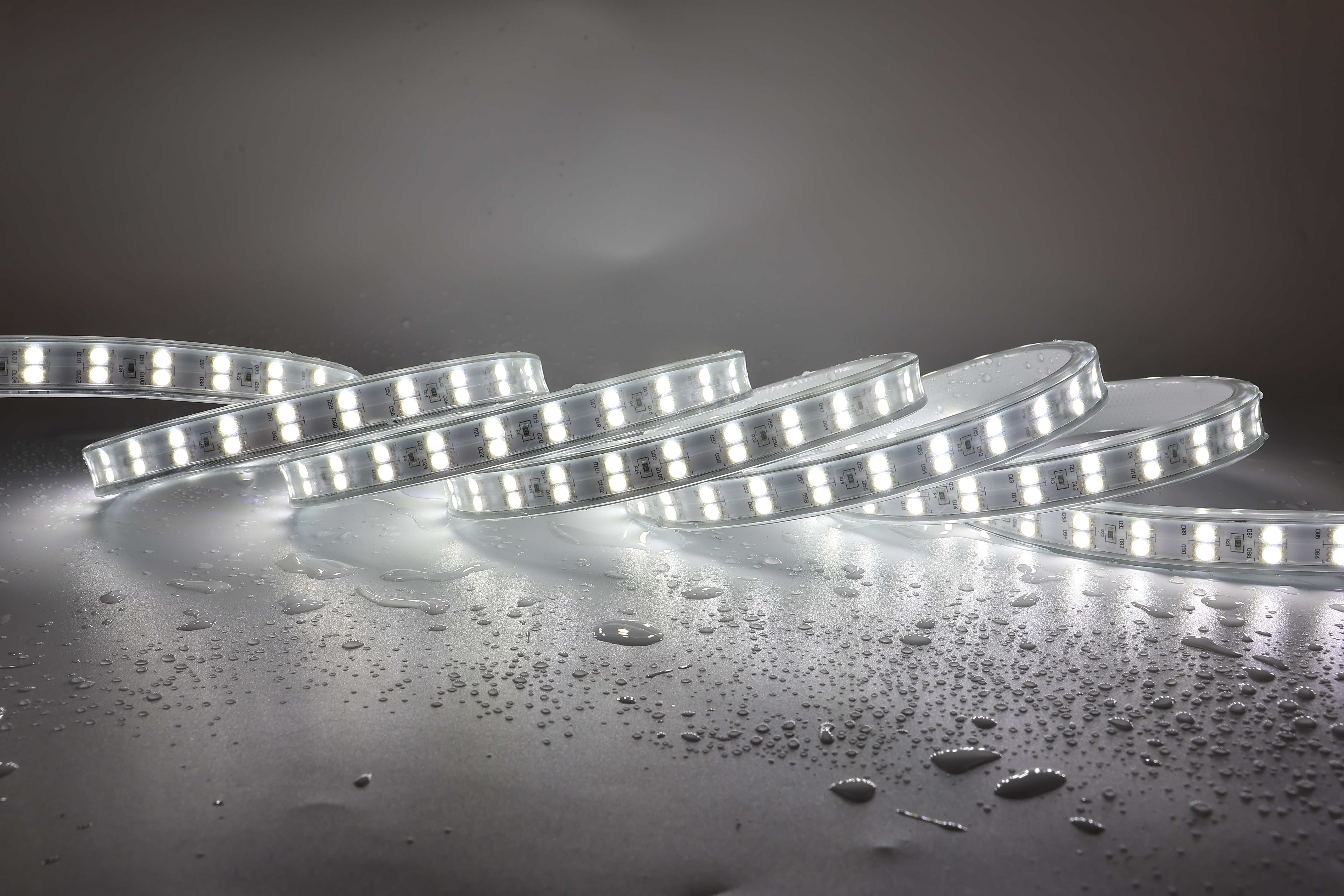
Modern interior design demands lighting solutions that combine aesthetics, functionality, and adaptability. Tape light has emerged as the preferred choice for architects, designers, and homeowners seeking to elevate contemporary spaces. Unlike traditional fixed lighting, tape light offers unprecedented flexibility, seamless integration, and energy efficiency that align perfectly with modern design principles and sustainability goals.
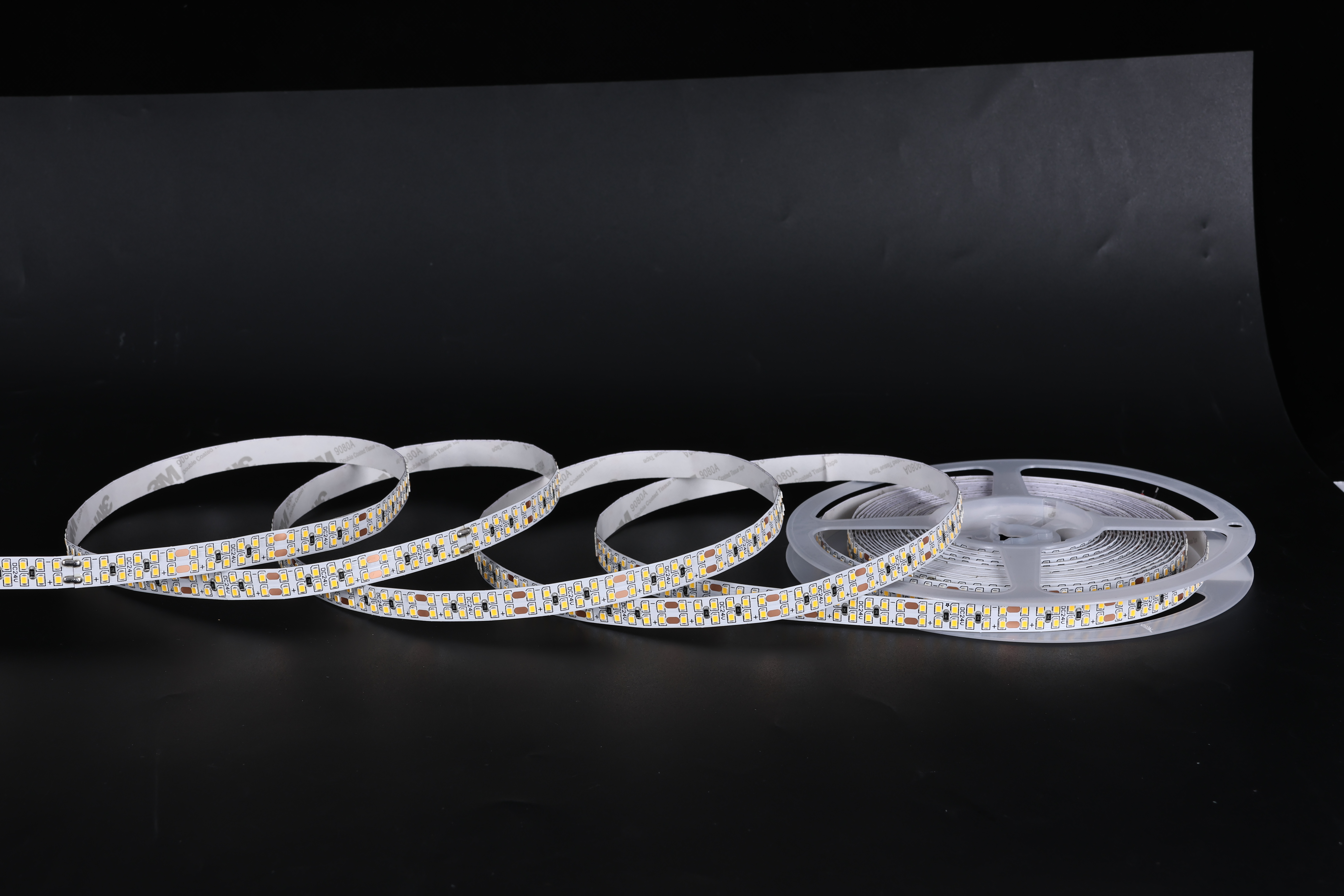
The rise of minimalist and contemporary interior aesthetics has made LED tape lighting an essential component in residential and commercial environments. Adhesive strip lights eliminate the need for complex wiring, extensive installation labor, and structural modifications. Flexible light strips conform to virtually any architectural feature—under cabinets, along crown molding, behind furniture, or within architectural niches—creating ambient, task, and accent lighting layers without visible hardware. This adaptability makes tape light the ideal solution for modern spaces where clean lines, hidden infrastructure, and sophisticated lighting control define the design philosophy.
Why Tape Light Transforms Contemporary Interiors
Design Flexibility and Aesthetic Appeal
Modern spaces prioritize visual continuity and uncluttered environments. Tape light enables designers to achieve sophisticated lighting effects while maintaining the sleek, minimalist aesthetic that characterizes contemporary architecture. LED tape lighting distributes light uniformly along surfaces without the visual bulk of traditional recessed fixtures or pendant lights. This seamless integration allows flexible light strips to enhance architectural features rather than dominate the visual field. Whether highlighting texture, defining spatial zones, or creating dramatic accent walls, adhesive strip lights provide designers with unprecedented creative control.
Energy Efficiency and Sustainability
Contemporary building practices increasingly emphasize sustainability and reduced energy consumption. Tape light consumes significantly less electricity than conventional lighting systems, translating to lower operational costs and reduced environmental impact. LED tape lighting technology delivers bright, high-quality illumination while consuming a fraction of the energy required by incandescent or fluorescent alternatives. This efficiency aligns with modern building codes and green certification standards. Adhesive strip lights generate minimal heat, reducing cooling load in climate-controlled environments. Flexible light strips also enjoy extended operational lifespans, reducing replacement frequency and waste generation—key priorities in sustainable modern design.
Installation Simplicity and Practical Applications
Effortless Deployment Without Structural Modifications
Traditional lighting installations often require extensive electrical work, wall cutting, and structural intervention. Tape light eliminates these complications entirely. LED tape lighting features self-adhesive backing that adheres securely to clean, dry surfaces with no drilling, soldering, or specialized expertise required. This accessibility democratizes sophisticated lighting design—professionals and end-users alike can deploy flexible light strips confidently. Adhesive strip lights integrate with existing spaces without renovation costs or construction timelines. Whether in residential apartments, commercial offices, retail environments, or hospitality settings, tape light offers rapid deployment and reversibility, making it ideal for temporary installations, rental properties, and frequently redesigned spaces.
Versatile Use Cases Across Modern Environments
Under-cabinet illumination in kitchen and bathroom spaces benefits enormously from tape light technology. LED tape lighting provides task lighting for food preparation and grooming while creating ambient visual warmth. Retail and showroom environments utilize flexible light strips to highlight merchandise and architectural features with precise, controlled illumination. Home entertainment systems incorporate adhesive strip lights behind televisions to reduce eye strain and enhance viewing comfort. Hospitality spaces—hotels, restaurants, bars—employ tape light to establish atmosphere and brand identity through programmable color and intensity control. Architectural niches, shelving systems, stairways, and transition zones all leverage the adaptability of flexible light strips to enhance spatial definition and visual hierarchy.
Technical Advantages and Control Capabilities
Smart Integration and Customization
Modern lighting extends beyond illumination—it becomes an integral component of smart home and building automation systems. Tape light integrates seamlessly with contemporary control platforms, enabling remote operation, scheduling, and scene customization through smartphone applications or voice commands. LED tape lighting systems support color temperature adjustments from warm to daylight ranges, enabling circadian rhythm alignment and productivity optimization. Adhesive strip lights with RGB or tunable-white capabilities provide emotional and functional lighting customization tailored to occupant preferences and activities. This technology convergence positions flexible light strips as essential infrastructure in digitally enabled modern environments.
Durability and Long-Term Reliability
Contemporary design prioritizes longevity and reduced maintenance burden. Tape light delivers robust performance across demanding environments—kitchens, bathrooms, commercial spaces—without degradation. LED tape lighting components resist thermal cycling, humidity fluctuation, and vibration common in residential and commercial settings. Adhesive strip lights feature protected electronics and water-resistant options for challenging installations. The standardized low-voltage design eliminates electrocution hazards and enables safe proximity to water sources. Flexible light strips maintain consistent color rendering and brightness levels throughout their operational lifespan, ensuring long-term aesthetic and functional performance that justifies initial investment.
FAQ
Can tape light be installed in bathrooms and wet environments?
Yes, specialized LED tape lighting products include IP65 or IP67 water-resistant ratings suitable for bathrooms, kitchens, and outdoor applications. Adhesive strip lights designed for wet environments feature fully sealed enclosures and corrosion-resistant adhesive backing. Installation should maintain appropriate distance from direct water exposure, with careful placement under vanities, behind mirrors, or within protected architectural cavities. Check manufacturer specifications to confirm water-resistance ratings before deploying flexible light strips in wet areas.
How long does tape light last compared to traditional lighting?
Quality LED tape lighting typically operates for 25,000 to 50,000 hours, significantly exceeding traditional incandescent and fluorescent lamp lifespans. This extended durability reduces replacement frequency and maintenance costs in both residential and commercial applications. Adhesive strip lights maintain consistent performance throughout their lifespan without the dimming or color shift common in older lighting technologies. Actual longevity depends on electrical specifications, thermal management, and operating environment—proper installation and ventilation maximize flexible light strips operational lifespan.
Is professional installation required for tape light systems?
Most adhesive strip lights can be installed by end-users without professional assistance. LED tape lighting products include straightforward adhesive application and simple connection procedures requiring no specialized tools. However, complex installations involving color control systems, smart home integration, or extensive power distribution benefit from professional expertise. For commercial applications or projects involving architectural integration, consulting design professionals ensures optimal performance and aesthetic results with your flexible light strips investment.
 EN