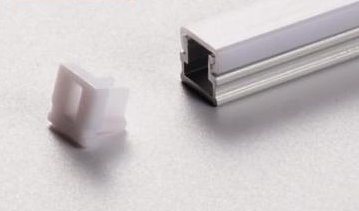
An led channel represents one of the most versatile solutions in modern lighting design, offering both functional illumination and aesthetic appeal across industrial, commercial, and residential environments. These systems integrate linear LED lighting with protective aluminum housing, creating durable installations that withstand demanding operational conditions while delivering consistent, high-quality light output. The growing adoption of led channel technology reflects a fundamental shift toward energy-efficient, space-optimized lighting solutions that serve multiple functional and design purposes simultaneously.
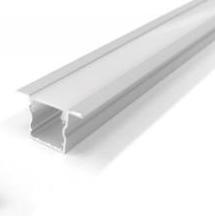
Understanding where and how led channel profiles perform best enables facility managers, designers, and procurement professionals to make informed decisions that optimize both performance and cost-effectiveness. A properly selected led channel profile paired with appropriate linear led lighting components ensures reliable operation, extends maintenance intervals, and enhances overall facility value through improved visibility, safety, and visual impact.
Cabinet and Shelving Display Applications
Under-Cabinet Kitchen Lighting
Kitchen environments present ideal use cases for led channel installations, where under-cabinet lighting dramatically improves workspace visibility and task performance. The aluminum led housing protects components from moisture, heat, and grease exposure while maintaining consistent light output throughout extended daily operation cycles. Linear led lighting mounted within these channels creates shadow-free illumination directly over countertops, enabling precise food preparation and reducing eye strain during cooking tasks.
The discrete profile of quality led channel solutions allows seamless integration into existing cabinetry without disrupting kitchen aesthetics or occupying valuable storage space. Professional kitchen designers increasingly specify aluminum led housing systems because they provide superior longevity compared to exposed strip lighting, handle thermal stress effectively, and simplify replacement procedures when component maintenance becomes necessary.
Retail Display and Shelf Lighting
Retail environments leverage led channel profile designs to highlight merchandise, create visual hierarchy, and enhance customer shopping experiences through strategic accent lighting. Product displays illuminated by properly positioned linear led lighting draw attention, showcase product features, and influence purchasing decisions through controlled color temperature and light intensity. The professional appearance of aluminum led housing reinforces brand positioning and creates cohesive interior design aesthetics across retail spaces.
Beyond visual appeal, led channel installations in retail settings deliver measurable operational benefits including reduced energy consumption compared to traditional spotlight systems, minimal heat generation that protects temperature-sensitive merchandise, and extended replacement intervals that reduce maintenance labor costs and operational disruptions during business hours.
Industrial and Warehouse Automation Solutions
Machine Vision and Inspection Lighting
Manufacturing and assembly operations increasingly depend on led channel systems to provide reliable, flicker-free illumination for machine vision systems, quality inspection stations, and precision assembly workstations. The linear led lighting delivered through aluminum led housing offers superior light consistency and color rendering accuracy essential for automated defect detection and quality assurance processes. These industrial applications demand robust led channel profile designs engineered to withstand vibration, thermal fluctuations, mechanical impact, and exposure to cutting fluids or coolants.
Industrial-grade aluminum led housing solutions integrate seamlessly into machine guard structures, workstation frameworks, and production line enclosures, providing localized task lighting without requiring extensive electrical infrastructure modifications or structural facility upgrades. The durability and reliability of properly specified led channel systems directly correlate with production efficiency, reducing downtime caused by lighting failures and maintenance interventions.
Overhead and Ambient Workspace Illumination
Warehouse, manufacturing, and logistics facilities benefit substantially from led channel applications that provide distributed ambient illumination across expansive floor areas. Linear led lighting integrated into structural framework or ceiling-mounted systems reduces energy consumption per lumen-hour compared to traditional high-bay luminaires while improving light distribution uniformity and reducing glare-related worker fatigue. The aluminum led housing design protects components from dust accumulation, moisture ingress, and mechanical damage prevalent in industrial environments.
Facility managers recognize that strategically positioned led channel installations reduce overall facility lighting power demand, lower cooling requirements from reduced heat load, extend equipment service life, and improve workplace safety through enhanced visibility during peak and off-peak operational periods.
Architectural and Accent Lighting Design
Cove and Perimeter Lighting Installations
Architectural applications showcase led channel profile systems as essential components of modern interior design, where concealed linear led lighting creates ambient lighting effects, defines spatial perception, and establishes sophisticated visual ambiance. Designers value aluminum led housing for its clean aesthetic integration, professional appearance, and ability to deliver uniform light distribution along extended ceiling perimeters, wall surfaces, or architectural features. The flexibility of led channel designs enables custom installations that adapt to unique spatial geometries, structural constraints, and design specifications.
Premium hospitality, corporate, and institutional facilities leverage led channel technology to create distinctive visual identities, enhance wayfinding and spatial orientation, and establish immersive environmental lighting that supports organizational branding and occupant well-being objectives.
Accent and Feature Lighting for Aesthetic Impact
Architectural lighting designers employ linear led lighting mounted within aluminum led housing to emphasize design elements, create visual depth, highlight material textures, and establish dynamic lighting scenes responsive to changing operational requirements or time-based programming. The discrete profile of quality led channel solutions allows architectural expression without visible hardware or mechanical elements disrupting visual continuity or design intention. Color-tunable linear led lighting capabilities enable facilities to adapt lighting characteristics across operating schedules, seasonal transitions, or specific event requirements while maintaining hardware consistency.
Beyond aesthetic enhancement, architectural led channel installations reduce overall facility lighting power demand, improve light distribution efficiency compared to traditional accent lighting approaches, and provide extended operational lifespan reducing replacement frequencies and associated facility disruption cycles.
FAQ
What factors should guide led channel profile selection for specific applications?
Selecting appropriate led channel profiles requires evaluating environmental conditions including temperature extremes, moisture exposure, vibration intensity, mechanical impact risk, and chemical exposure. Facility specifications must address installation space constraints, desired light distribution patterns, color temperature requirements, and integration compatibility with existing infrastructure. Professional guidance from lighting specialists familiar with aluminum led housing options ensures selection of systems engineered specifically for intended application conditions and performance expectations.
How does aluminum led housing protect linear led lighting components in demanding environments?
Aluminum led housing provides physical protection from moisture ingress, dust accumulation, mechanical damage, and accidental contact while improving thermal management through direct contact with component heat sources. Quality led channel designs incorporate sealed end caps, precision-fitted diffusers, and corrosion-resistant material specifications that ensure long-term reliability in industrial, commercial, and outdoor environments. The thermal conductivity of aluminum facilitates efficient heat dissipation from LED components, enabling consistent light output and extended component lifespan compared to systems lacking adequate thermal management features.
Can linear led lighting applications be customized for unique spatial or performance requirements?
Modern led channel profile systems offer substantial customization flexibility including variable length configurations, programmable color temperature and intensity control, integrated dimming capabilities, and installation orientation options accommodating diverse spatial constraints and application requirements. Custom aluminum led housing designs can be engineered for specialized environmental conditions, specific mounting configurations, or unique light distribution specifications. Consulting with experienced lighting professionals enables optimization of led channel installations to precisely match facility requirements while maximizing operational performance and cost-effectiveness.
 EN