 EN

how-do-environmental-conditions-affect-led-strip-lights, how-do-environmental-conditions-affect-led-strip-lights, /news
EN
2026/09/27
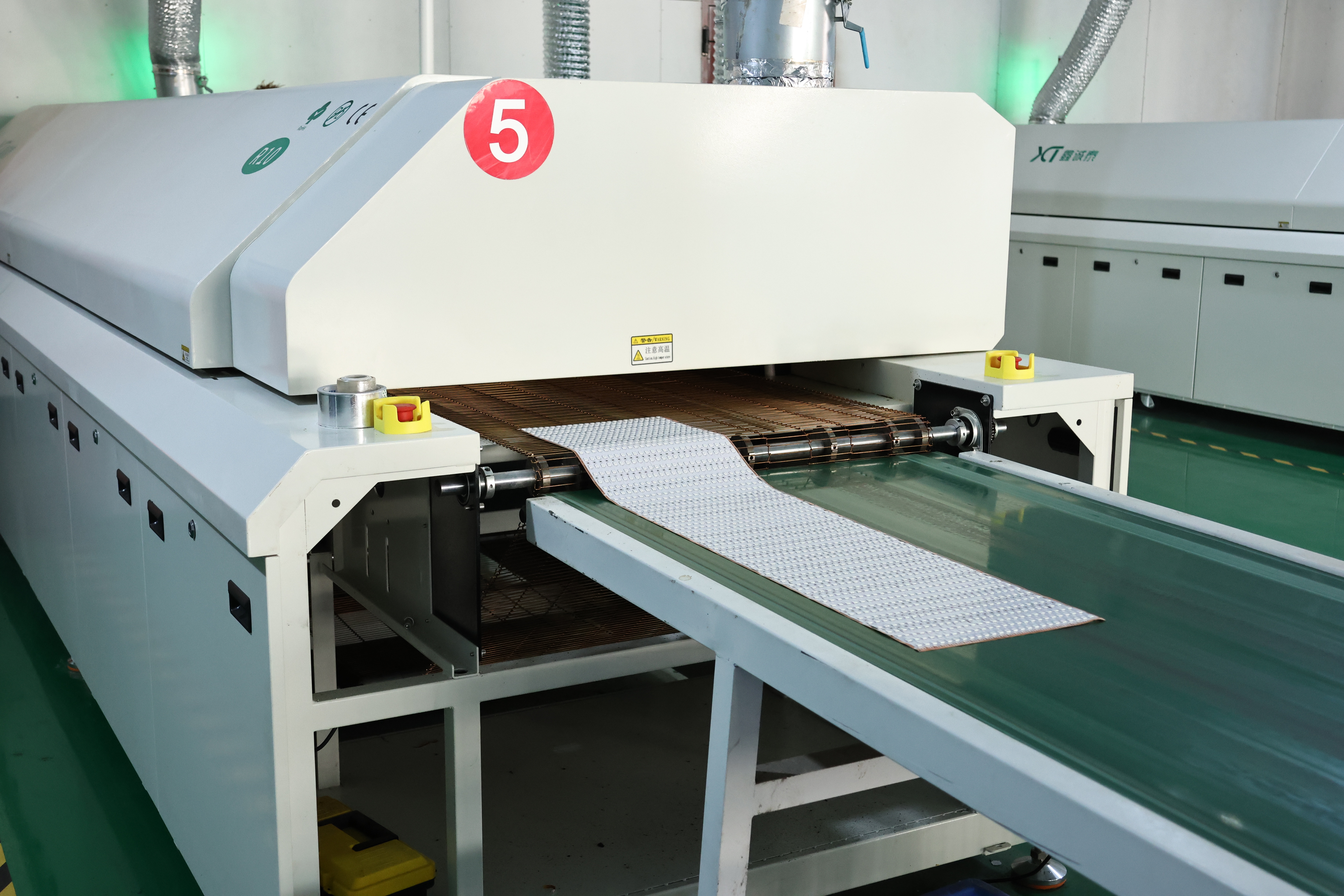
Environmental conditions play a critical role in determining the performance and longevity of led strip lights. Whether you're installing flexible lighting solutions in a residential kitchen, commercial display, or outdoor architectural setting, understanding how temperature, humidity, UV exposure, and mechanical stress affect your installation is essential for achieving optimal performance and extending system lifespan.
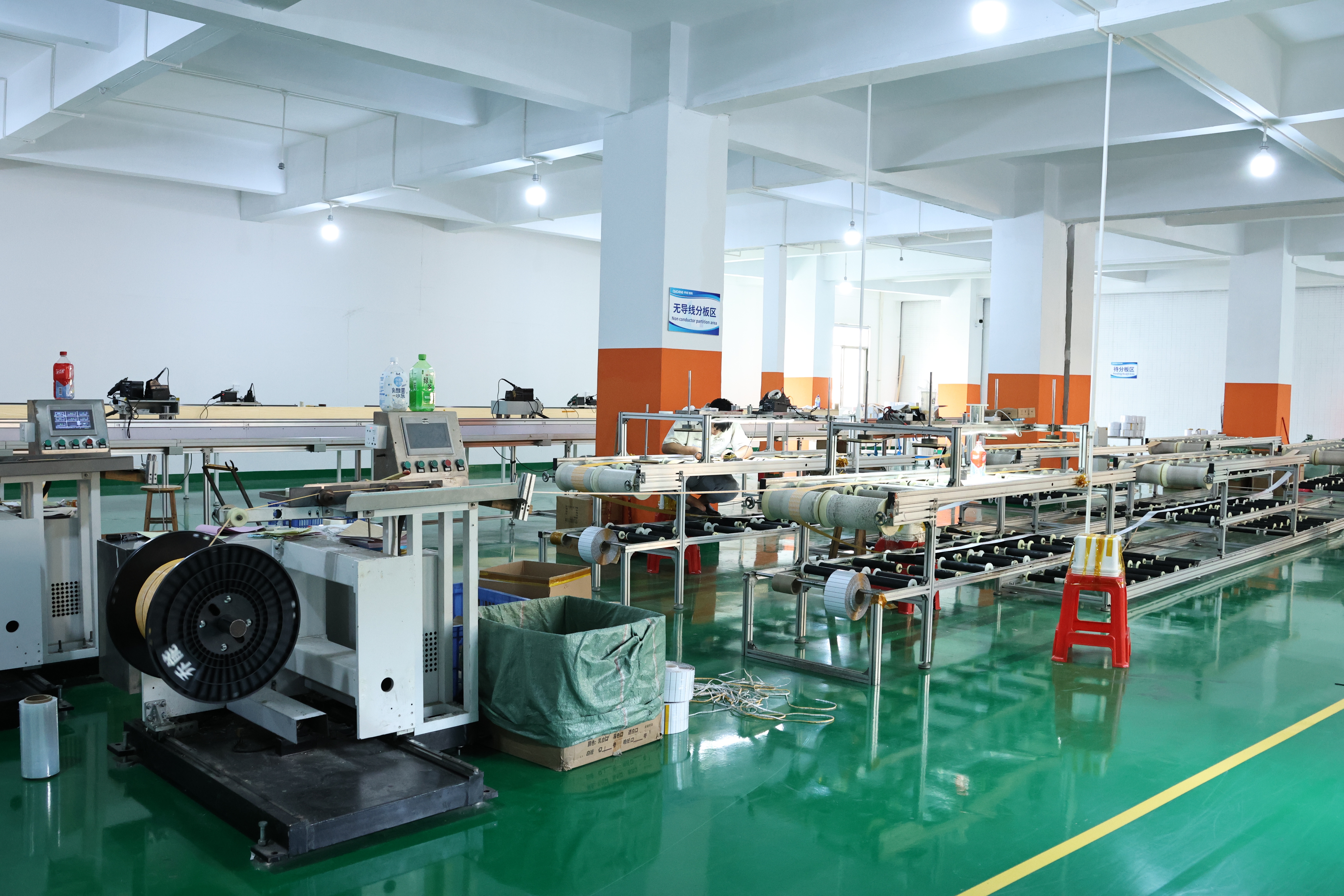
Modern adhesive tape lighting and color changing light strips incorporate advanced materials and electronic components designed to operate across a range of conditions. However, extreme environmental factors can degrade components, reduce efficiency, alter color output, and compromise structural integrity. By recognizing these environmental stressors early, installers and end-users can implement protective measures that maximize reliability and maintain visual quality throughout the system's operational life.
LED strip lights generate heat during operation, and ambient temperature directly influences how efficiently this thermal energy dissipates. High ambient temperatures reduce the thermal gradient between the LED component and its environment, slowing heat transfer. When led strip lights operate in warm conditions, the junction temperature of individual LED chips rises, causing accelerated degradation of the semiconductor material, reduced light output, and shortened lifespan. For flexible lighting solutions used in outdoor or high-heat industrial environments, thermal management becomes critical.
Cold temperatures present a different challenge. While LEDs themselves remain stable at low temperatures, the adhesive tape lighting backing and solder joints become more brittle. In freezing conditions, the adhesive tape that secures color changing light strips to surfaces can lose bonding strength, leading to strip separation or mechanical failure. Additionally, electronic control circuits may experience temporary performance fluctuations before reaching thermal equilibrium.
Most quality led strip lights are engineered to operate reliably between minus 20 degrees Celsius and 60 degrees Celsius. Within this range, flexible lighting solutions maintain color accuracy, brightness consistency, and component reliability. However, extended exposure to temperatures exceeding 60 degrees Celsius accelerates lumen depreciation, while sustained freezing below minus 10 degrees Celsius risks mechanical damage to adhesive tape lighting substrates and solder connections. Installation design should account for peak ambient temperature swings and internal heat generation to keep junction temperatures well within safe margins.
Moisture and high humidity are among the most destructive environmental conditions affecting led strip lights. When humidity levels exceed 75 percent relative humidity, water vapor can penetrate component enclosures, corrode metal traces on circuit boards, and compromise electrical connections. Adhesive tape lighting installed in bathrooms, outdoor areas, or industrial facilities with steam or splash exposure faces accelerated corrosion risk. Color changing light strips with inadequate moisture barriers may develop oxidation on solder joints, reducing contact integrity and causing intermittent failures or complete circuit shutdown.
Condensation poses an additional threat. When temperature fluctuations cause water droplets to form on led strip lights surfaces, the moisture can seep into gaps between the LED component housing and the substrate. Once inside, it creates conductive pathways that trigger short circuits or electrical leakage currents, degrading performance and creating safety hazards. Flexible lighting solutions with IP67 or IP68 ratings provide superior moisture protection compared to standard unrated designs.
Selecting adhesive tape lighting with silicone potting, conformal coatings, or full encapsulation significantly improves moisture resistance. These protective layers create physical barriers against water ingress while allowing thermal dissipation. For color changing light strips installed in high-humidity locations, silicone-based installation methods and waterproof junction boxes provide additional safeguards. Proper drainage design, ventilation, and strategic placement away from standing water further reduce moisture-related degradation.
Ultraviolet radiation from direct sunlight causes photodegradation of polymeric materials used in led strip lights construction. The plastic housing, adhesive tape backing, and insulation jackets gradually become brittle, discolored, and structurally weak under prolonged UV exposure. Color changing light strips installed in outdoor cove lighting, signage, or façade applications experience accelerated material deterioration. UV radiation also degrades the silicone or acrylic lens covers, reducing optical clarity and color output fidelity. Flexible lighting solutions designed for outdoor use incorporate UV-stabilized compounds and protective films that resist photodegradation for extended periods.
Outdoor installations of led strip lights should specify UV-resistant enclosures, polycarbonate diffusers, or shade structures that filter harmful wavelengths while maintaining light transmission. Material selection matters significantly; premium adhesive tape lighting products use UV-absorbing resins and stabilizers formulated specifically for exterior applications. For color changing light strips in direct sunlight, additional UV-blocking coatings or protective canopies extend service life and maintain aesthetic consistency. Regular inspection and planned replacement cycles ensure reliable performance despite ongoing UV exposure.
Thermal cycling, where led strip lights experience repeated heating and cooling cycles, induces expansion and contraction stress in circuit board materials and solder joints. This mechanical stress accumulates over time, eventually causing cracks in solder connections or substrate delamination. Industrial or automotive environments with high vibration levels compound this effect, accelerating mechanical failure rates. Flexible lighting solutions with reinforced PCB substrates and lead-free solder formulations withstand thermal and mechanical cycling better than standard designs.
Proper installation directly influences how well led strip lights tolerate environmental stress. Using flexible lighting solutions with quality adhesive tape ensures secure mounting that minimizes vibration-induced movement. For color changing light strips in challenging environments, enclosure selection, cable strain relief, and junction sealing prevent water ingress and mechanical damage. Regular maintenance, including visual inspection for corrosion, bond degradation, or discoloration, identifies emerging issues before complete failure occurs.
Most led strip lights are designed to operate safely between minus 20 degrees Celsius and 60 degrees Celsius. Within this range, flexible lighting solutions maintain optimal brightness, color accuracy, and component reliability. Operating temperatures above 60 degrees Celsius accelerate lumen depreciation and shorten lifespan, while sustained exposure below minus 10 degrees Celsius risks mechanical damage to adhesive tape lighting and solder joints. Always verify manufacturer specifications for your specific product.
High humidity and moisture penetrate component enclosures in color changing light strips, causing corrosion of circuit traces, oxidation of solder joints, and electrical short circuits. When water condenses on surfaces, it creates conductive pathways that trigger failure or safety hazards. Adhesive tape lighting rated IP67 or IP68 resists moisture better than unrated products. In bathrooms, outdoor areas, or humid industrial settings, selecting waterproof flexible lighting solutions prevents moisture-related damage.
Yes, prolonged UV exposure causes photodegradation of plastic housings, adhesive tape backings, and lens materials in led strip lights, making them brittle and discolored. Color changing light strips and other flexible lighting solutions used in outdoor cove lighting or signage experience accelerated material deterioration. However, UV-resistant enclosures, polycarbonate diffusers, protective coatings, and shade structures significantly extend service life. Specifying outdoor-rated products with UV-stabilized compounds and planning regular maintenance cycles minimize permanent damage and maintain aesthetic quality.
