 EN

how-does-led-neon-flex-create-realistic-neon-effects, how-does-led-neon-flex-create-realistic-neon-effects, /news
EN
2026/09/03
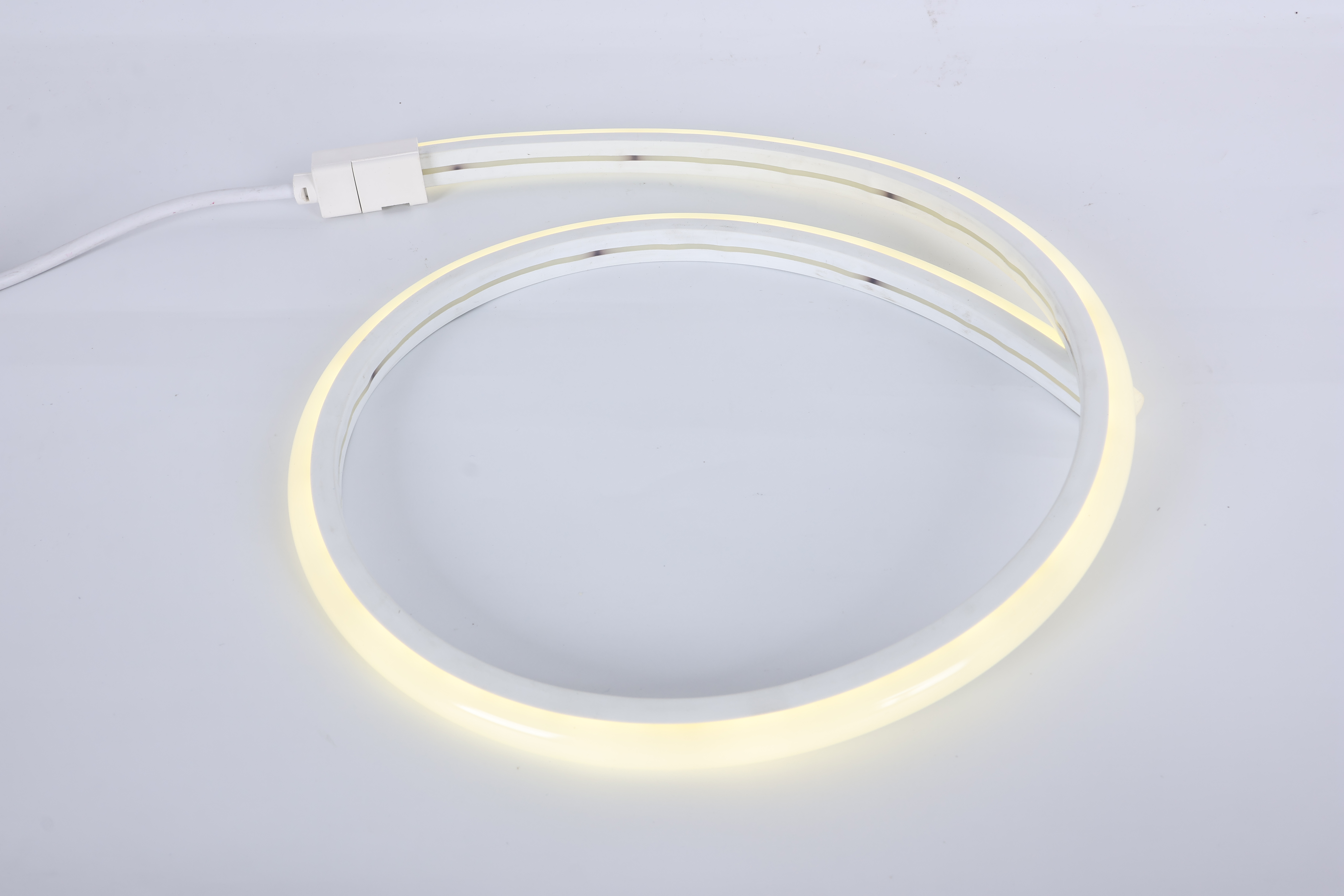
LED neon flex has transformed the way designers and architects create authentic neon effects without the fragility, heat, and complexity of traditional glass neon tubes. Unlike conventional neon, which requires specialized installation and constant maintenance, led neon flex combines the aesthetic appeal of classic neon signage with the durability and energy efficiency of modern LED technology. This innovation has made realistic neon effects accessible to commercial spaces, retail environments, hospitality venues, and residential applications where traditional neon would be impractical or unsafe.
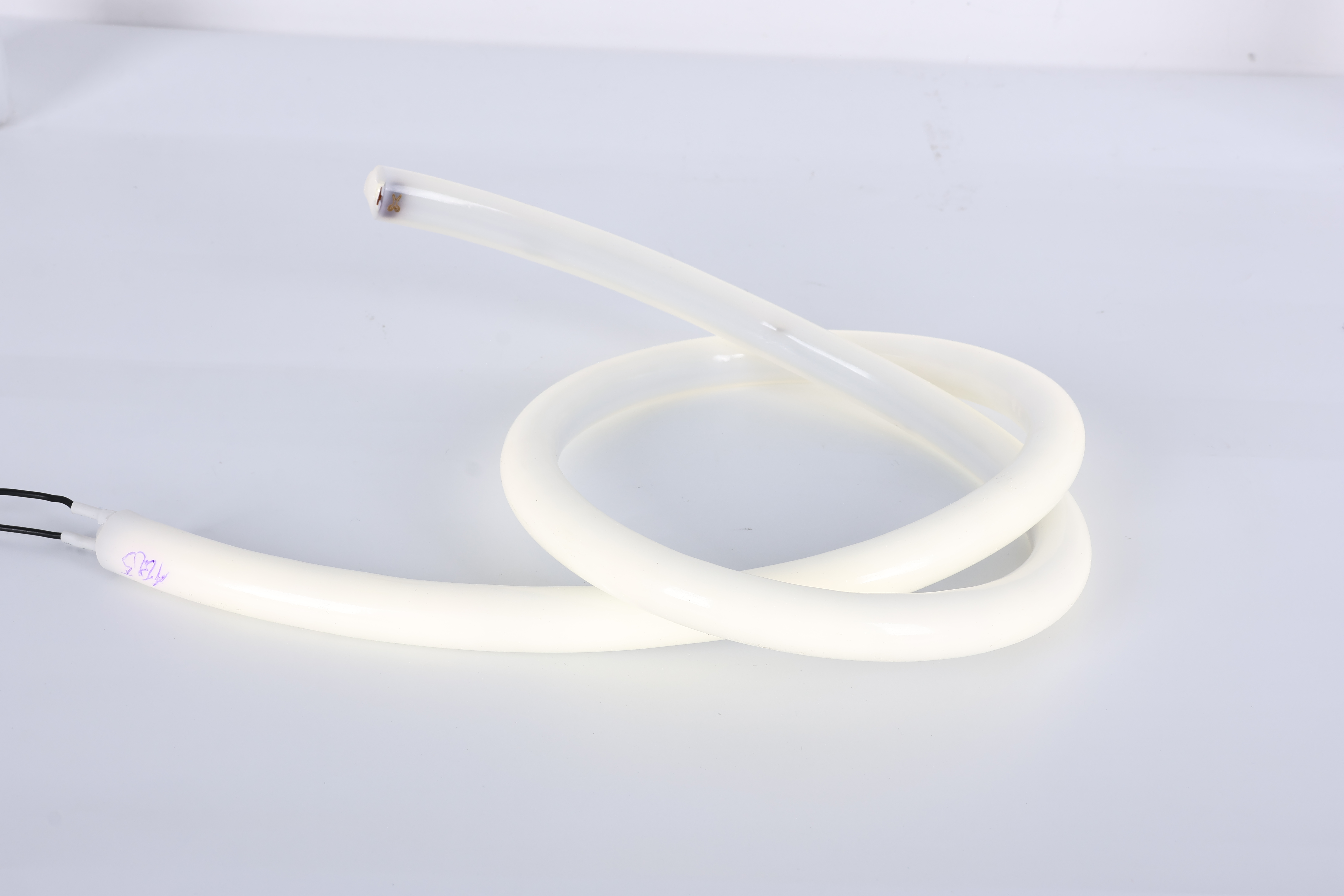
The magic behind how flexible neon lights achieve their characteristic glow lies in the precise engineering of flexible neon lights and their electrical properties. Modern neon flex tubing uses encapsulated LED diodes arranged in a silicone or polymer housing that diffuses light evenly across the entire length of the strip. When powered, these neon light strips emit light through the translucent covering, creating that smooth, continuous luminous line that defines authentic neon aesthetics. Understanding this mechanism helps buyers, designers, and installers appreciate why neon flex tubing has become the preferred choice for modern applications requiring both visual impact and practical functionality.
The core principle enabling neon flex tubing to produce realistic neon effects involves how light travels and scatters through translucent materials. LED diodes inside the flexible neon lights are positioned at specific intervals, typically spaced very closely together to ensure seamless light distribution. The silicone or PVC jacket surrounding the neon light strips acts as both a protective layer and an optical diffuser, bending and spreading light rays in multiple directions rather than allowing them to travel in straight lines. This diffusion mimics how traditional glass neon tubes glow continuously along their entire length, even though the light source consists of individual LEDs spaced inches apart. High-quality neon flex tubing uses premium diffusion materials that eliminate the 'dot effect' common in cheaper LED strips, where individual lights remain visible instead of blending into one continuous glow.
Another critical factor in how flexible neon lights replicate authentic neon effects is color consistency and intensity uniformity. Professional neon flex tubing employs advanced LED binning processes to ensure every diode produces the exact same color temperature and brightness level. This precision prevents the hot spots, dim zones, or color variations that would break the illusion of traditional neon. LED drivers and power supplies for neon light strips incorporate sophisticated current regulation to maintain stable output across the entire line length, regardless of ambient temperature or voltage fluctuations. Dimming capabilities on many neon flex tubing products allow users to adjust brightness without color shift, preserving the visual integrity of the installation. This level of control over neon flex tubing performance characteristics represents a significant advancement over glass neon, which cannot be dimmed and produces heat as a byproduct.
The flexible nature of neon flex tubing enables designers to create curved letters, complex shapes, and custom architectural accents that would be extremely difficult or impossible with rigid materials. Unlike glass neon tubes, flexible neon lights can bend around corners, follow architectural contours, and conform to irregular surfaces without losing structural integrity or light output. The silicone housing of quality neon light strips flexes repeatedly without cracking, developing micro-fractures, or degrading performance over time. This flexibility allows installation in applications where traditional neon cannot physically fit or where the installation environment demands adaptable materials. Modern neon flex tubing products can achieve bend radii as small as two to three inches, enabling intricate design possibilities that enhance commercial branding, wayfinding, ambiance creation, and decorative applications across hospitality, retail, and entertainment venues.
A fundamental advantage of flexible neon lights over traditional neon is the elimination of operational hazards. Glass neon tubes operate at extremely high voltages, creating shock risks and breakage dangers that necessitate specialized handling and insurance considerations. LED neon flex operates safely at low voltage, typically 12V or 24V DC, eliminating electrical hazards and making installation accessible to skilled technicians without specialized high-voltage certification. The neon flex tubing produces virtually no heat compared to hot glass neon tubes, reducing fire risks in enclosed spaces and creating more comfortable environments. Durability represents another key advantage, as flexible neon lights resist impacts, vibration, and environmental stress that would shatter traditional neon. Energy consumption of neon light strips consumes 70 to 80 percent less electricity than equivalent glass neon installations, significantly reducing long-term operational costs and environmental impact while delivering visually identical aesthetic results.
The luminous intensity of modern neon flex tubing measured in lumens per meter directly determines how effectively the flexible neon lights will create impact in various lighting conditions. Professional-grade neon light strips typically deliver 200 to 400 lumens per meter, comparable to or exceeding the visual brightness of traditional glass neon while consuming significantly less power. This intensity level proves sufficient for indoor retail environments, signage applications, and accent lighting across hospitality spaces. Outdoor installations and applications requiring visibility in bright daylight conditions may demand higher-output neon flex tubing with specialized waterproof ratings and enhanced brightness characteristics. The color rendering properties of quality neon flex tubing preserve saturation and hue accuracy across the visible spectrum, whether producing warm white tones, cool whites, or saturated colors, ensuring that the installed flexible neon lights appear identical to designer specifications and brand color standards.
Durability advantages of neon flex tubing extend maintenance cycles far beyond those required for traditional neon installations. Quality neon light strips operate continuously for 30,000 to 50,000 hours before requiring replacement, equivalent to approximately five to ten years of typical daily operation. The silicone housing of professional-grade flexible neon lights resists UV degradation, moisture penetration, and temperature extremes when properly rated for intended environments. Unlike glass neon tubes, neon flex tubing requires no specialized maintenance, cleaning, or periodic restoration procedures, reducing operational overhead for commercial installations. When individual LED diodes eventually degrade, the neon light strips typically fail gracefully with minimal performance loss rather than catastrophic failure, allowing facility managers to plan replacement on convenient schedules rather than managing emergency repairs.
LED neon flex achieves traditional neon aesthetics through densely packed LEDs combined with optical diffusion technology that spreads light evenly along the entire tube length, eliminating visible diode points and creating the characteristic continuous glow of glass neon. The silicone jacket of neon flex tubing acts as a light diffuser, and precision color matching ensures the visual appearance of classic neon effects without the technical limitations or hazards of traditional installations.
Professional neon flex tubing uses superior optical diffusion materials, higher LED density, and more sophisticated color and intensity control compared to standard LED strips, which often display visible individual light points. Neon light strips are specifically engineered to replicate neon aesthetics, while typical LED strips prioritize brightness and cost efficiency without achieving the seamless glow characteristic of authentic neon effects.
No, installing flexible neon lights is significantly simpler than traditional neon installation, requiring only low-voltage connections and basic mounting hardware rather than high-voltage electrical work and specialized certification. Neon flex tubing's flexibility and self-adhesive backing options enable straightforward installation in retail, hospitality, and architectural accent lighting applications without extensive structural modifications or professional high-voltage technicians.
