 EN

what-brightness-levels-can-diode-led-lighting-achieve, what-brightness-levels-can-diode-led-lighting-achieve, /news
EN
2026/09/09
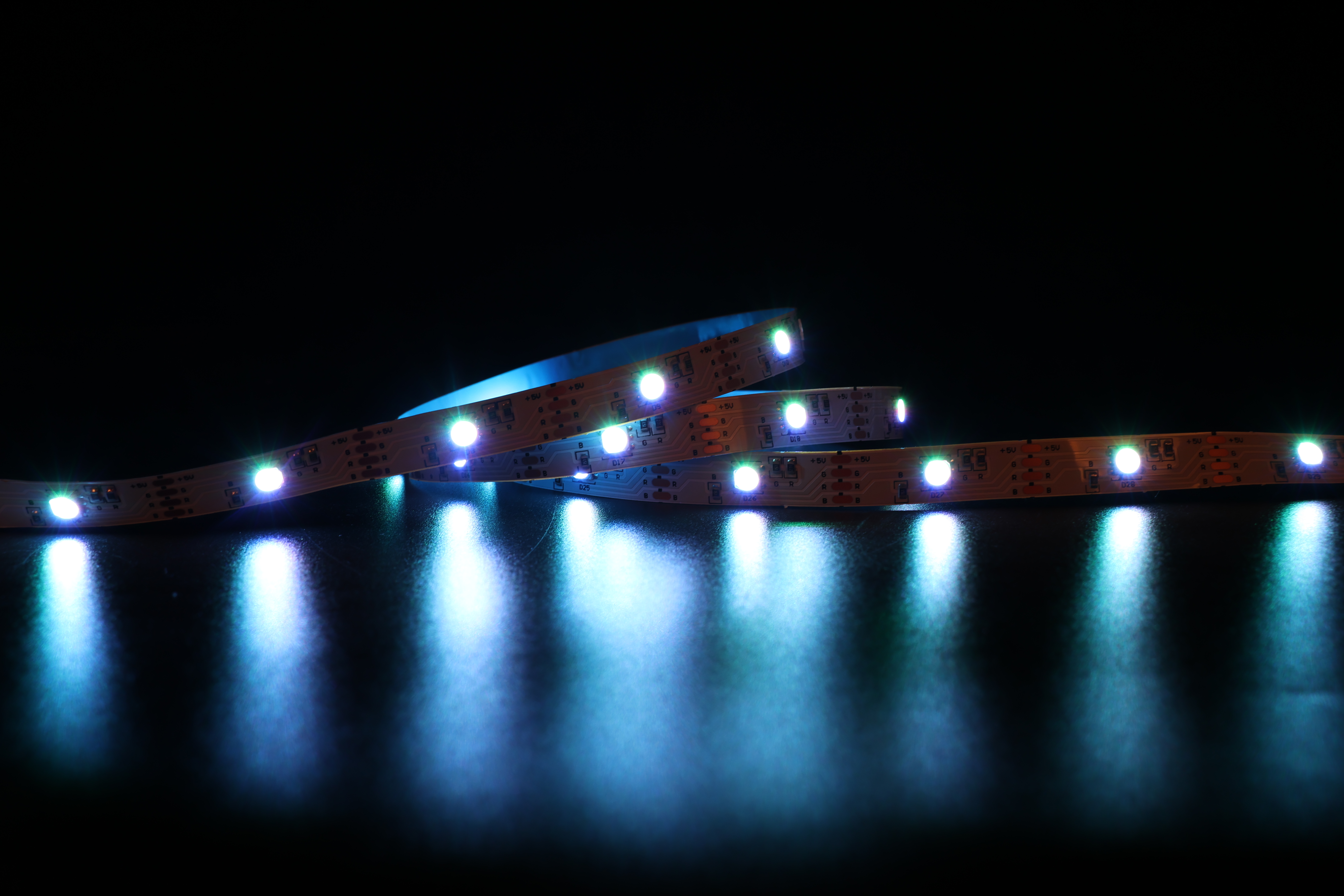
Diode LED lighting has revolutionized how industries approach illumination, offering unprecedented control over brightness levels and energy efficiency. Understanding the brightness capabilities of diode LED lighting systems is essential for engineers, facility managers, and designers making lighting decisions. Unlike traditional incandescent or halogen sources, diode LED lighting delivers measurable brightness performance that can be precisely calibrated for specific applications.
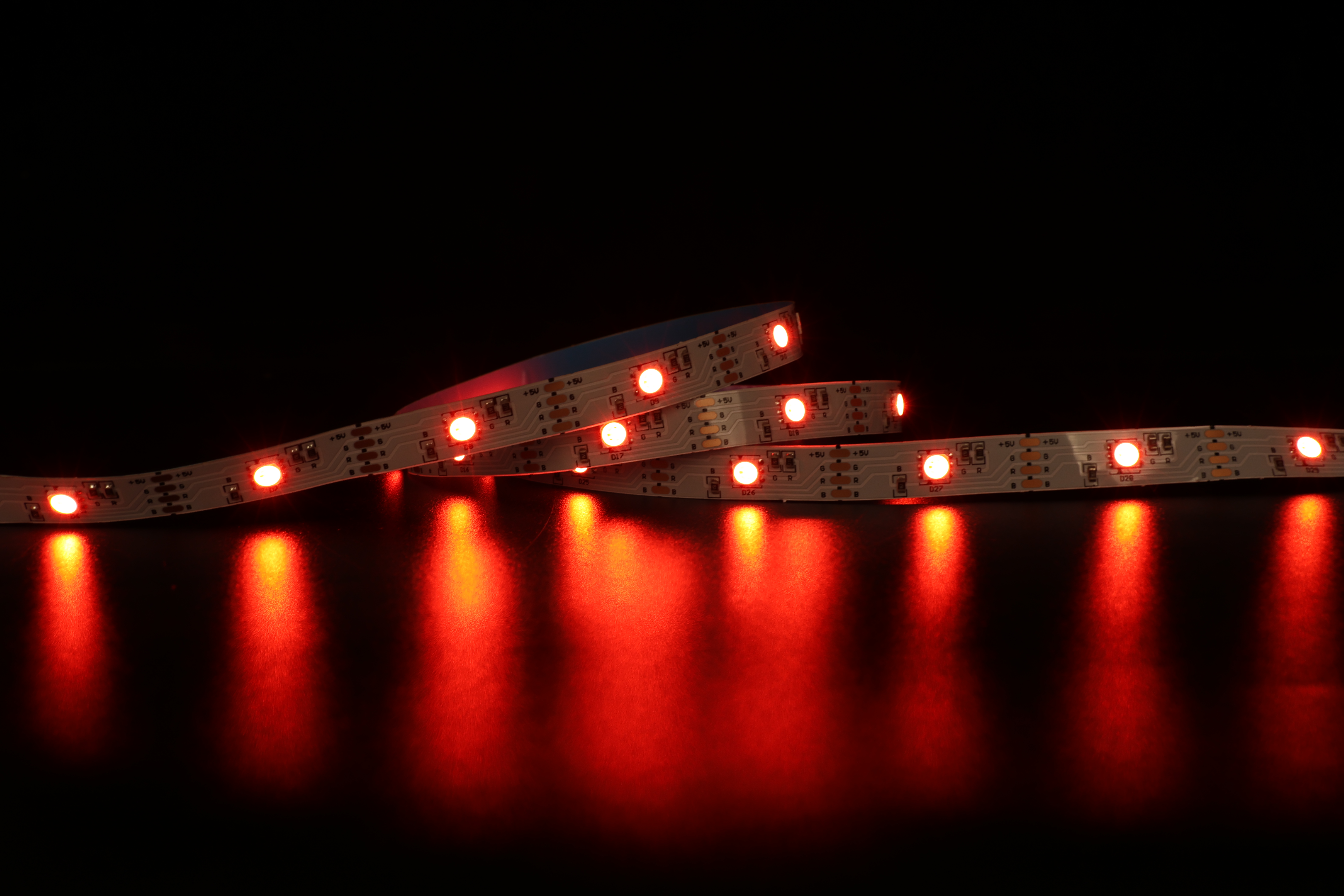
The brightness spectrum achievable with modern diode LED lighting ranges from subtle ambient lighting to intensely bright commercial-grade output. Solid state lighting technology has matured significantly, enabling manufacturers to produce LED light emitting diodes with luminous outputs previously achievable only through much larger and less efficient conventional sources. This advancement has made semiconductor lighting systems the preferred choice across residential, commercial, and industrial sectors.
Brightness in LED light emitting diodes is measured in lumens, a standardized unit representing the total amount of visible light emitted in all directions. A single high-performance diode LED lighting unit can produce anywhere from 50 lumens for ambient accent lighting to over 1,800 lumens for concentrated task illumination. Solid state lighting technology allows manufacturers to engineer specific brightness outputs by adjusting the semiconductor junction characteristics, current flow, and optical design.
Luminous intensity, measured in candelas, describes how concentrated that light becomes in a specific direction. Semiconductor lighting systems can be engineered with different beam angles to either spread brightness broadly across a space or concentrate it tightly for focused applications. This precision represents a significant advantage of diode LED lighting over traditional sources that typically waste light in unnecessary directions.
The color temperature of LED light emitting diodes significantly influences perceived brightness, even when actual lumen output remains constant. Diode LED lighting at 6500K appears brighter and more energizing than the same system at 2700K, creating psychological brightness perceptions that impact user satisfaction. Solid state lighting technology enables seamless color temperature adjustment, allowing facilities to optimize perceived brightness for specific times of day or operational requirements.
Mid-range diode LED lighting suitable for typical office environments, retail spaces, and residential applications typically delivers between 300 and 800 lumens per unit. LED light emitting diodes designed for under-cabinet kitchen lighting often produce 600 to 900 lumens, providing adequate task illumination without excessive glare. Semiconductor lighting systems in this range offer excellent energy efficiency while meeting standard illumination requirements defined by industry lighting standards.
High-performance diode LED lighting systems can achieve brightness levels exceeding 2,000 lumens, suitable for industrial facilities, parking structures, and large retail environments. LED light emitting diodes engineered for maximum output utilize advanced thermal management, optimized semiconductor structures, and precision optical components to deliver intense illumination. Solid state lighting technology at this performance level consumes significantly less power than equivalent brightness from conventional sources, creating substantial operational cost savings.
The brightness output of LED light emitting diodes depends critically on proper thermal management and appropriate forward current levels. Diode LED lighting systems operate most efficiently when maintained within specified temperature ranges, as excessive heat reduces both brightness output and semiconductor lifespan. Solid state lighting technology requires careful power supply design and heat dissipation architecture to maintain consistent brightness performance over extended operational periods.
The optical components surrounding semiconductor lighting systems dramatically influence how effectively brightness is delivered to the intended application. Diode LED lighting with precision-engineered lenses and reflectors can concentrate output to achieve higher effective brightness in specific directions compared to systems with simpler optics. LED light emitting diodes paired with secondary optics can focus light more efficiently than traditional sources, enabling brighter task illumination with lower overall power consumption and reduced thermal output.
Modern solid state lighting technology relies on sophisticated drivers and power supplies to deliver consistent brightness regardless of input voltage variations or environmental conditions. Diode LED lighting systems with constant-current drivers maintain steady luminous output better than older constant-voltage designs, ensuring brightness performance remains reliable throughout the product lifespan. LED light emitting diodes paired with dimmable drivers allow brightness adjustment from full output down to single-digit percentage levels, providing unprecedented flexibility for application-specific requirements.
Yes, modern LED light emitting diodes have surpassed halogen brightness capabilities in most applications while consuming 75 to 80 percent less energy. Solid state lighting technology now enables compact units producing 1,500 to 2,000+ lumens, matching or exceeding halogen output from significantly smaller form factors. The advantage becomes more pronounced over time as semiconductor lighting systems maintain consistent brightness throughout their operational life, while halogen sources experience progressive lumen depreciation.
Brightness requirements depend on application type, space size, and task demands. Diode LED lighting for ambient residential use typically requires 300 to 500 lumens per fixture, while task-specific areas like kitchens benefit from 600 to 1,000 lumens. Consulting industry illumination standards and conducting site assessments helps determine whether LED light emitting diodes with standard output or high-performance semiconductor lighting systems are most appropriate for your needs.
No, brightness output varies significantly based on chip quality, power consumption, thermal design, and manufacturing specifications. LED light emitting diodes designed for standard applications produce different brightness levels than high-performance variants engineered for industrial use. Solid state lighting technology allows manufacturers to create products across a wide brightness spectrum, enabling selection of the most cost-effective and appropriately-sized solution for each specific application requirement.
