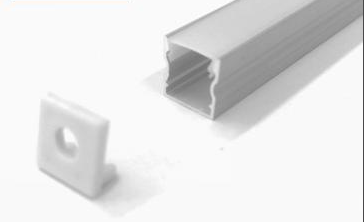
An LED channel transforms how architects and designers approach modern lighting installations. The flexibility offered by a well-designed LED channel profile goes far beyond simple illumination, enabling creative solutions across residential, commercial, and industrial spaces. Whether you're designing architectural accent lighting, cove applications, or integrated ambient installations, understanding the design flexibility of LED channel systems helps you make informed decisions that balance aesthetics, functionality, and installation ease.
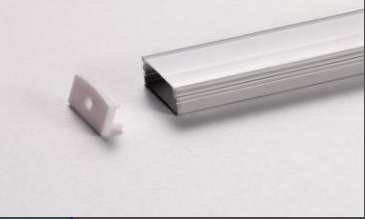
Modern lighting projects demand more than standard fixtures. The aluminum LED housing in contemporary led channel systems provides superior thermal management, durability, and aesthetic appeal. By combining quality aluminum LED housing with adaptable linear LED lighting components, designers can create solutions that fit virtually any architectural vision while maintaining professional appearance and reliable performance across different environmental conditions.
Design Flexibility in LED Channel Profile Systems
Customizable Dimensions and Form Factors
LED channel profile systems offer remarkable versatility in physical dimensions. The aluminum LED housing comes in various widths, depths, and mounting configurations that accommodate different strip light sizes, diffuser options, and installation methods. This means a single lighting concept can be adapted for recessed ceiling installations, surface-mounted wall applications, corner placements, or integrated into furniture. Designers can select from surface-mounted channels, recessed profiles, or corner-specific aluminum LED housing variants depending on spatial constraints and aesthetic preferences.
The modular nature of linear LED lighting within these channel systems allows projects to expand or modify lighting zones without requiring complete reinstallation. Channels can be extended, cut to custom lengths, and joined using connector kits. This adaptability makes LED channel profiles particularly valuable for renovation projects where architectural modifications would be costly or impractical, and for temporary installations that may need relocation.
Material Choices and Surface Finishes
Aluminum LED housing provides excellent thermal conductivity while offering aesthetic flexibility through various finish options. Anodized brushed finishes deliver subtle, modern appeal suitable for minimalist interiors, while polished surfaces work well in contemporary luxury applications. Matte black aluminum LED housing creates dramatic contrast in accent lighting scenarios, and silver or champagne finishes integrate seamlessly into neutral architectural palettes. Some manufacturers offer painted or powder-coated options, enabling color coordination with surrounding materials and architectural elements.
Beyond finish selection, the LED channel profile itself can feature frosted or clear diffusers, each affecting light distribution and visual appearance. Frosted diffusers create uniform, glare-free illumination ideal for ambient lighting, while clear diffusers showcase individual diodes for more dramatic visual effects in accent applications. This differentiation within linear LED lighting systems allows designers to achieve distinct aesthetic outcomes using the same underlying aluminum LED housing infrastructure.
Lighting Performance Adaptability
Color Temperature and Output Control
LED channel systems accommodate multiple color temperature options within the same physical aluminum LED housing framework. Single-color installations provide simplicity for applications requiring consistent 2700K warm white or 6000K cool white tones. However, linear LED lighting with RGB or tunable white capabilities within a standard LED channel profile enables dynamic environments where color and intensity can be adjusted based on time of day, space function, or ambient conditions. This flexibility transforms static lighting into responsive systems that enhance user experience and operational efficiency.
The dimming capabilities of modern LED channel profile systems extend design flexibility further. Whether using 0-10V analog control, DALI protocols, or wireless connectivity, the same aluminum LED housing can operate at full brightness for task lighting scenarios or reduced levels for ambient applications. This adaptability reduces the need for multiple lighting fixtures and simplifies control infrastructure in complex architectural projects.
Thermal Management and Durability Performance
Aluminum LED housing excels at dissipating heat generated by linear LED lighting components, enabling higher power densities and longer operational lifespans. This thermal efficiency means LED channel profile systems can maintain consistent color accuracy and light output over years of continuous operation. Superior heat management also allows designers to specify higher-brightness strips without compromising reliability, expanding the range of achievable lighting effects and functional illumination levels.
Different aluminum LED housing grades and thicknesses accommodate varying environmental demands. Standard profiles suit controlled indoor environments, while heavy-duty aluminum LED housing with enhanced sealing options handles humidity, temperature fluctuations, and potential physical impacts. This environmental adaptability ensures the LED channel profile investment delivers consistent performance across diverse installation contexts, from kitchen cove lighting to exterior architectural accent installations.
Installation and Integration Flexibility
Mounting Options and Space Constraints
LED channel profile systems eliminate many traditional installation limitations through diverse mounting approaches. Recessed aluminum LED housing sits flush within architectural surfaces, creating seamless integration with ceiling soffits, wall cavities, or crown molding. Surface-mounted variants allow rapid installation on existing structures without modification. Corner-specific LED channel designs address often-overlooked transitions between walls and ceilings, creating cohesive lighting experiences in spaces that standard rectangular profiles cannot efficiently serve.
The modular connector systems used in modern linear LED lighting installations enable designers to create complex configurations from simple components. Multiple aluminum LED housing sections can run parallel, intersect, or form complete perimeter installations without visible gaps or mechanical complexity. This building-block approach accommodates irregular architectural geometry that would challenge traditional fixture installation methods.
Compatibility and Future Expansion
LED channel profile standardization across major manufacturers ensures component compatibility and vendor flexibility. Designers can specify aluminum LED housing frames from one supplier while sourcing linear LED lighting strips from another, or swap components during maintenance without replacing entire systems. This compatibility framework protects investment value and simplifies long-term maintenance in large installations requiring ongoing care and potential upgrades.
The expandability inherent in LED channel systems means initial installations can grow to meet evolving spatial needs. Adding additional linear LED lighting sections to existing aluminum LED housing infrastructure requires minimal disruption compared to introducing entirely new fixture types. This scalability particularly benefits commercial environments where operational needs shift or organizational expansion occurs.
FAQ
Can LED channel profiles work in wet environments like bathrooms or outdoor spaces?
Yes, specialized LED channel profile systems with waterproof aluminum LED housing and sealed connectors handle bathroom moisture and covered outdoor applications. IP65 or IP68-rated linear LED lighting strips paired with appropriate aluminum LED housing provide reliable performance in these challenging environments. However, fully submerged or extreme-weather exposure requires specific product specifications and proper installation techniques.
What is the typical lifespan of linear LED lighting within an aluminum LED housing system?
Quality LED channel profile systems typically deliver 40,000 to 50,000 hours of continuous operation, translating to 15–20 years in typical commercial applications. Superior thermal management from quality aluminum LED housing ensures linear LED lighting components maintain consistent performance throughout this lifespan, with minimal color shift or brightness degradation when properly installed and maintained.
How do I choose between different aluminum LED housing profiles for my specific project?
Selection depends on installation location, desired light distribution characteristics, and aesthetic requirements. Recessed LED channel profiles work best for seamless integration, surface-mounted options suit rapid retrofitting, and corner-specific aluminum LED housing addresses architectural transitions. Consulting with lighting designers and reviewing samples of different linear LED lighting configurations in similar spaces helps ensure optimal results for your specific application.
 EN