 EN

what-factors-affect-flexible-led-strip-lights-performance, what-factors-affect-flexible-led-strip-lights-performance, /news
EN
2026/09/01
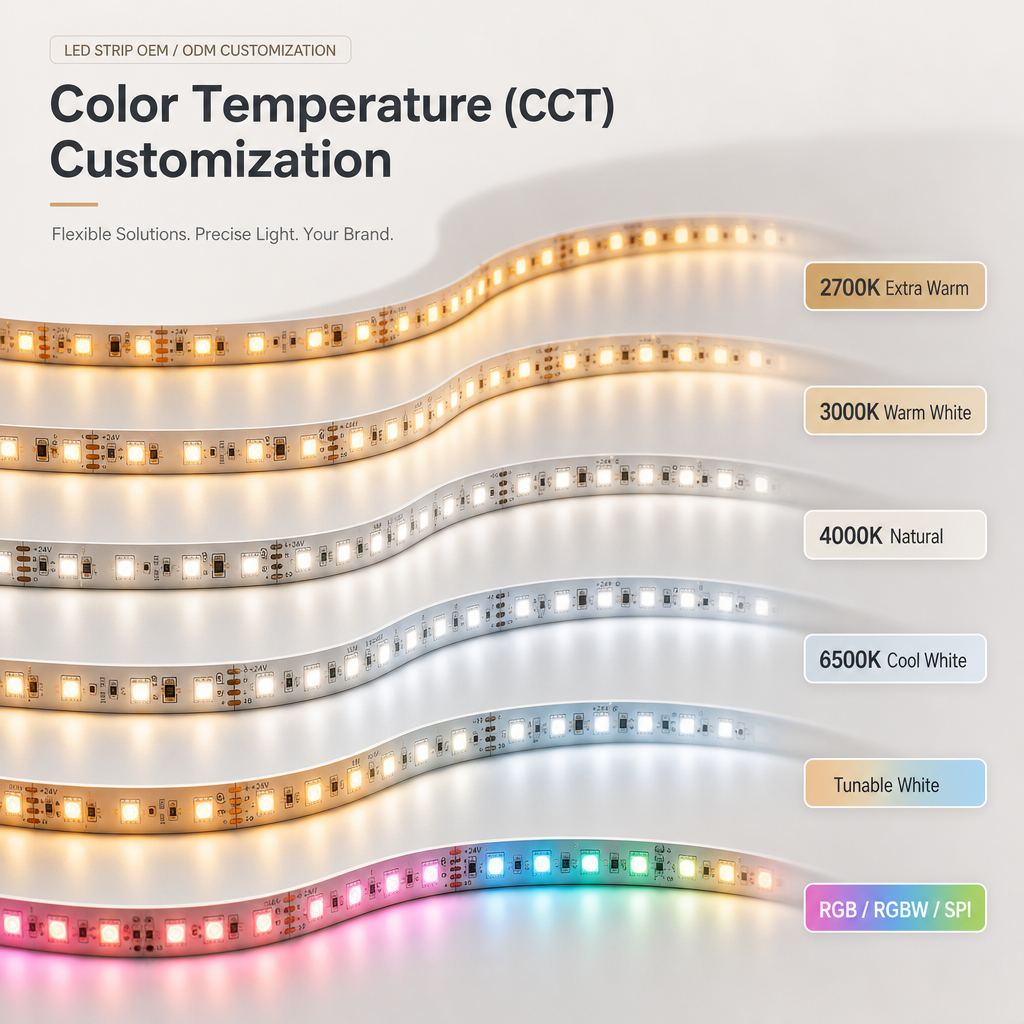
Understanding the factors that affect flexible LED strip lights performance is essential for achieving optimal results in any lighting installation. Whether you're designing accent lighting for architectural features, cove lighting, or ambient displays, the performance of your flexible LED strip lights depends on multiple interconnected variables. The quality of light output, color accuracy, brightness consistency, and longevity all hinge on how well you understand and control these performance-determining factors.
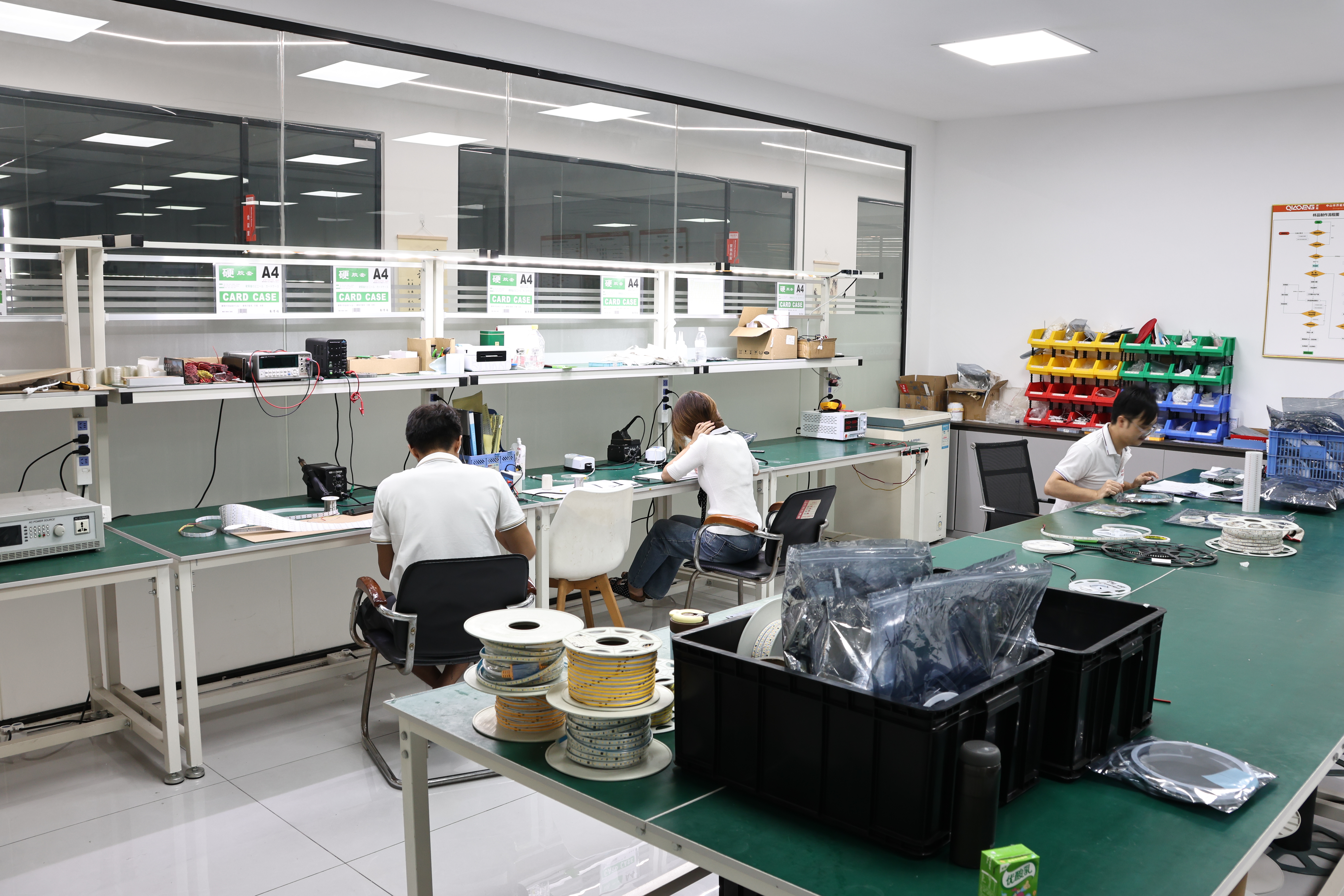
The performance of bendable LED tape lighting systems extends far beyond simple brightness levels. Environmental conditions, power delivery consistency, installation methodology, and product specifications all combine to determine whether your lighting system delivers the vibrant, reliable illumination you expect. By examining these key factors comprehensively, you can make informed decisions that prevent costly mistakes and ensure your investment in flexible LED strip lights performs consistently over time.
The foundation of reliable flexible LED strip lights performance begins with stable power delivery. LED strips typically operate on low voltage systems, most commonly 12V DC or 24V DC configurations. Fluctuations in voltage directly impact light output, with even small deviations causing noticeable dimming or color shifts. When bendable LED tape lighting receives inconsistent power, the diodes cannot maintain their rated brightness levels, resulting in uneven illumination across the strip length.
Choosing a high-quality power supply rated specifically for your RGB flexible strip lights application is non-negotiable. Undersized power supplies create voltage drop issues, particularly over longer runs. A power supply with proper amperage rating ensures that current demand from the LED circuit remains stable, preventing the thermal stress that degrades component lifespan. Professional installations utilize regulated power supplies with surge protection to maintain consistent output even during fluctuating input conditions.
The wiring connecting your power supply to bendable LED tape lighting systems significantly influences performance. Undersized cables generate resistance that causes voltage drop, particularly problematic in longer installations. Using the correct wire gauge for your current requirements prevents performance degradation and fire hazards. For RGB flexible strip lights running at high brightness levels, larger gauge wires maintain voltage stability across the entire run length.
Connection points represent critical failure locations where poor contact resistance undermines waterproof LED strip installation reliability. Corrosion, oxidation, and loose connections introduce resistance that wastes power and generates heat. Soldered connections provide superior performance compared to connector-based systems, though quality connectors specifically designed for LED applications can work effectively when properly installed and secured against moisture intrusion.
Temperature profoundly influences flexible LED strip lights output and lifespan. LEDs generate heat internally, and this thermal energy must dissipate efficiently to prevent performance degradation. Rising junction temperatures reduce light output and accelerate color shift, particularly in RGB flexible strip lights where color mixing consistency deteriorates under thermal stress. Most LED specifications reference performance at 25°C, with output typically declining one to two percent for every additional degree Celsius above this baseline.
Installation environment temperature matters equally. Outdoor applications subject bendable LED tape lighting to extreme temperature swings that stress components and interconnects. Silicone-encased designs provide superior thermal management compared to plastic alternatives, dissipating heat more effectively while maintaining flexibility. Proper airflow around the installation helps manage thermal accumulation, particularly in enclosed spaces or cove lighting applications where heat can concentrate.
The encapsulation quality of your bendable LED tape lighting determines its resistance to environmental damage. Waterproof LED strip installation requires careful attention to IP ratings that specify protection levels against water and dust ingress. IP68-rated systems provide complete dust protection and can withstand temporary submersion, making them suitable for outdoor architectural accent lighting and challenging indoor environments. Lower IP ratings quickly deteriorate when exposed to moisture, causing component failure and performance loss.
Silicone encapsulation offers superior environmental protection compared to standard plastic coatings. The material resists UV degradation, temperature extremes, and chemical exposure better than alternative compounds. RGB flexible strip lights with quality silicone construction maintain color accuracy and brightness consistency even in harsh outdoor conditions. Proper waterproof LED strip installation includes sealed connection points, appropriate strain relief, and drainage provisions that prevent water pooling at vulnerable locations.
The physical flexibility that makes bendable LED tape lighting valuable also introduces performance considerations. Excessive bending creates mechanical stress on internal traces and solder joints, potentially causing intermittent failures or complete circuit disruption. Each LED strip product has a minimum bending radius specification that must be respected during installation. Exceeding this radius generates stress that may not immediately cause failure but accelerates degradation over time, particularly at stress concentration points where traces bend sharply.
Proper mounting techniques for RGB flexible strip lights prevent mechanical fatigue. Using flexible mounting channels designed for LED strips distributes bending forces evenly across the entire product length. Avoiding sharp corners and sudden direction changes protects the internal circuitry from excessive stress. Professional waterproof LED strip installation incorporates mounting systems that secure the strip firmly while accommodating thermal expansion and contraction without creating binding forces.
The viewing angle and optical characteristics of flexible LED strip lights affect perceived brightness and color accuracy. Surface-mounted LED designs using bendable LED tape lighting deliver different light distribution patterns than embedded alternatives. When designing architectural accent lighting with RGB flexible strip lights, understanding how the optical design interacts with surrounding surfaces determines final visual results. Diffused lens covers soften harsh light points and improve color consistency across viewing angles.
Spacing between individual LEDs along the strip influences light uniformity. Tighter LED spacing provides more consistent illumination across the strip length, particularly important in close-viewing applications. Waterproof LED strip installation in cove lighting scenarios benefits from tighter spacing that eliminates visible gaps between light nodes. Color accuracy depends on consistent LED quality and bin matching during manufacturing, ensuring RGB flexible strip lights deliver predictable color mixing across the entire installation.
Power supply quality directly determines how long your flexible LED strip lights remain reliable. High-quality regulated supplies maintain stable voltage output regardless of input fluctuations, preventing thermal stress that degrades components. Undersized or poor-quality supplies force LEDs to work harder, generating excess heat and accelerating failure rates. Investing in appropriate power supplies extends the operational lifespan significantly and prevents premature replacement costs.
Common mistakes include excessive bending that stresses internal circuits, undersized wiring that causes voltage drop, and poor connection quality that introduces resistance. Additionally, installing bendable LED tape lighting in environments exceeding temperature ratings, failing to protect connections from moisture, and mounting systems that create binding forces all reduce performance. Proper planning that respects product specifications prevents these costly installation errors.
Environmental protection through waterproof LED strip installation prevents moisture and dust intrusion that causes short circuits and component failure. UV exposure degrades unprotected materials, reducing flexibility and causing color shift over time. RGB flexible strip lights with proper IP ratings and quality encapsulation maintain consistent performance in outdoor and challenging indoor environments, extending service life and preventing unexpected failures that disrupt lighting systems.
