 EN

what-power-supply-do-flexible-led-strip-lights-need, what-power-supply-do-flexible-led-strip-lights-need, /news
EN
2026/09/04
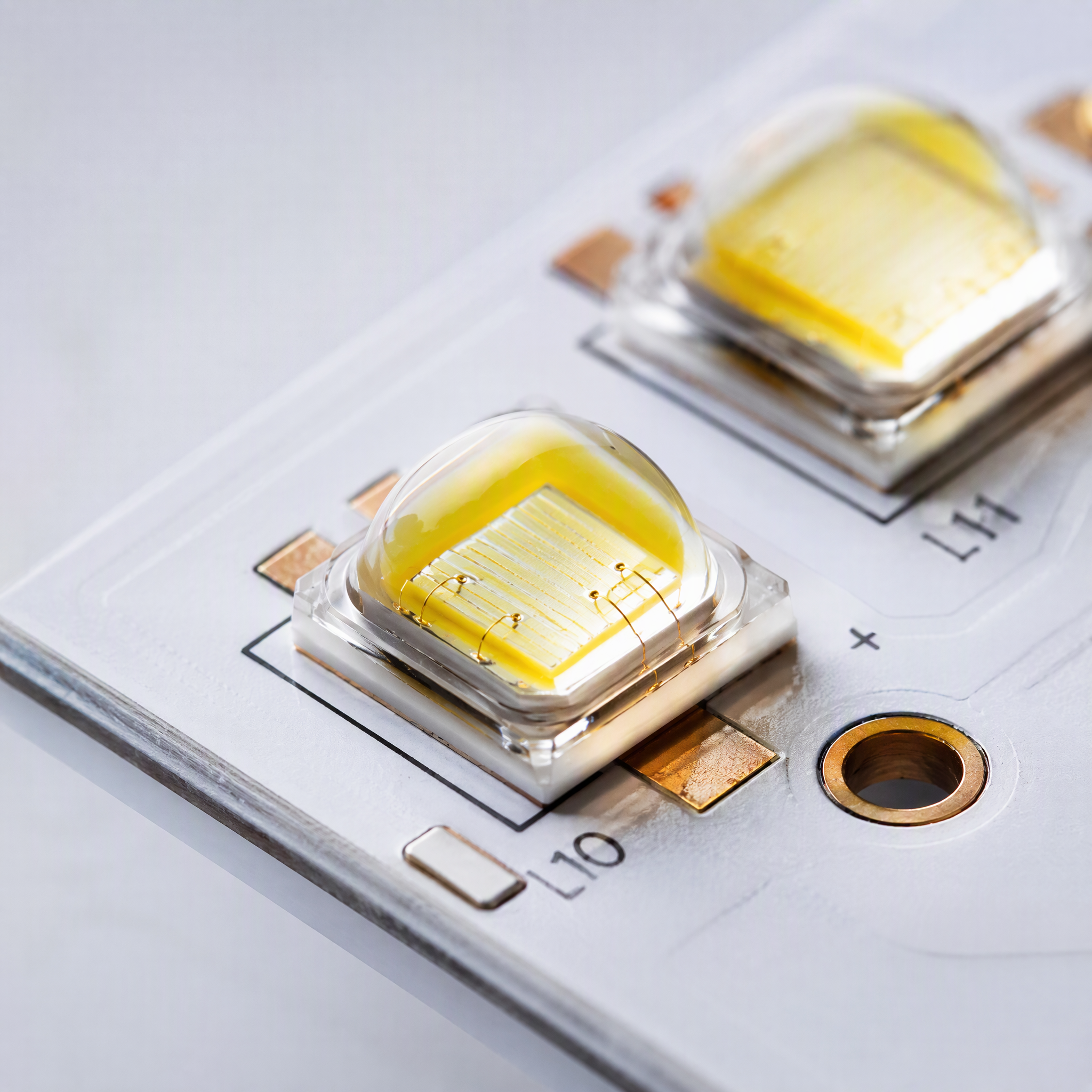
Choosing the correct power supply for flexible LED strip lights is one of the most critical decisions when planning any lighting installation. Whether you're designing accent lighting for architectural features, creating ambient effects in commercial spaces, or enhancing residential interiors, the power supply directly impacts performance, lifespan, and safety. Many installers and property managers overlook this foundational step, leading to flickering lights, premature failures, or inconsistent color output. Understanding the specific power requirements of your flexible LED strip lights ensures reliable operation and protects your investment long-term.

The power supply requirements for flexible LED strip lights depend on several interconnected factors including strip length, LED density, color type, and installation environment. Standard flexible LED strip lights typically operate at 12 volts or 24 volts DC, with 12V systems being more common in residential and general commercial applications. However, the wattage you need extends beyond just voltage selection; it requires calculating total current draw based on the number of LEDs, brightness settings, and whether your strips are RGB flexible strip lights with color-changing capability or single-color designs. This guide walks you through selecting, sizing, and installing the appropriate power supply for your specific application.
Most bendable LED tape lighting operates at either 12V or 24V DC. The 12-volt standard dominates residential and smaller commercial projects due to lower cost and widespread availability of compatible controllers and connectors. However, 24-volt systems offer significant advantages for longer runs and larger installations. When current travels through wiring, voltage drop occurs over distance; using 24V reduces proportional voltage loss, meaning you maintain consistent brightness across longer strips. If your flexible LED strip lights run more than 16 feet from the power supply, upgrading to 24V helps prevent the dimming effect at the strip's end. Always verify your specific strip's voltage rating before purchasing a power supply, as connecting 24V power to a 12V strip will cause immediate failure.
To size your power supply correctly, you must calculate the total wattage your flexible LED strip lights will consume. Each LED consumes a specific amount of power per unit length; manufacturers typically specify wattage per meter. For example, a standard LED strip might consume 7.2 watts per meter at full brightness, while higher-density strips consume 15 watts per meter or more. Multiply your total strip length in meters by the per-meter wattage, then add 20 percent headroom for voltage regulation and safety margin. If you're using RGB flexible strip lights with multiple color channels, the wattage calculation becomes more complex; the maximum consumption occurs when all color channels run simultaneously at full brightness. Never select a power supply rated exactly at your calculated wattage; always choose a model with 25 to 30 percent overcapacity to ensure stable voltage delivery and extend component lifespan.
Two main categories of power supplies work with flexible LED strip lights: standard switching power supplies and regulated LED drivers. Standard switching supplies convert AC mains power to DC output but offer minimal protection against voltage fluctuations. Regulated LED drivers, by contrast, maintain consistent voltage output regardless of input variations and include built-in protection against overcurrent, overheating, and short circuits. For waterproof LED strip installation in outdoor or moisture-prone environments, a regulated driver with IP67 or IP68 rating provides superior protection. Aluminum-housed drivers dissipate heat more effectively than plastic alternatives, critical for continuous operation in enclosed spaces. If your flexible LED strip lights include remote control or DMX functionality, select a power supply compatible with those controllers; some RGB flexible strip lights require specialized drivers that support digital signal transmission rather than simple on/off switching.
For waterproof LED strip installation in outdoor applications, pools, bathrooms, or industrial environments, power supply enclosure rating becomes as important as electrical specifications. A power supply rated IP65 or higher resists moisture ingress and dust contamination. Ensure the installation location provides adequate ventilation; enclosed spaces trap heat and reduce component reliability. Position the power supply in a protected area away from direct water exposure, even if the flexible LED strip lights themselves are rated waterproof. For rooftop or exposed installations, use stainless steel or powder-coated aluminum housings that resist corrosion. Connector types matter equally; weatherproof connectors with sealed contacts prevent oxidation and intermittent connection failures that plague outdoor LED lighting systems. Always install the power supply in a location accessible for maintenance and troubleshooting, away from foot traffic or moving equipment that might damage cables or housing.
Wire gauge selection directly affects the success of your flexible LED strip lights installation. Undersized wiring causes voltage drop that results in dim output, color shifting, or controller malfunction. Use the wire gauge recommendations provided by your power supply manufacturer based on total current and cable run length. For 12V systems exceeding 10 feet, upgrade to at least 18 AWG wiring; for 24V systems, 20 AWG suffices for equivalent distances. When installing bendable LED tape lighting in architectural applications, route wiring through conduit to protect against mechanical damage and UV degradation. Test voltage at the strip connection point after installation to verify that supply voltage minus voltage drop meets minimum requirements, typically 11V for 12V flexible LED strip lights systems and 22V for 24V systems. If voltage drops below these minimums, either increase wire gauge or relocate the power supply closer to the strips.
Thermal management extends power supply lifespan significantly. Ensure adequate spacing around the power supply housing; crowding components prevents heat dissipation and triggers thermal shutdown. Install inline fuses or circuit breakers rated for your calculated maximum current; these protect against short circuits and wire damage that could create fire hazards. Modern power supplies include internal thermal cutoff protection, but external fusing provides redundant safety. For RGB flexible strip lights operating in climates with high ambient temperatures, consider mounting the power supply in a shaded, well-ventilated location. Never cover the power supply with insulation or store it in sealed boxes, as heat accumulation reduces component reliability and creates safety risks. Monitor power supply temperature during initial operation; if the housing becomes too hot to touch comfortably, either increase ventilation, reduce load, or upgrade to a higher-capacity model that operates at lower current density and generates less heat.
For 50 meters of standard 7.2W/meter flexible LED strip lights, calculate 50 × 7.2 = 360 watts. Add 25 percent safety margin: 360 × 1.25 = 450 watts. Purchase a power supply rated 450W or higher. If you're using higher-density bendable LED tape lighting at 15W/meter, the calculation becomes 50 × 15 × 1.25 = 937 watts, requiring an approximately 1000W supply. Always verify your specific strip's wattage rating rather than assuming standard values.
Yes, RGB flexible strip lights typically operate at 12V or 24V depending on the model. However, verify that your power supply's current capacity accommodates the maximum draw when all color channels run simultaneously at full brightness. Standard RGB strips consume significantly more power than single-color alternatives. If your remote control uses digital signal transmission rather than simple voltage switching, ensure the power supply and controller are compatible, as some advanced systems require specific driver types to function correctly.
Voltage drop occurs as electrical current travels through wiring resistance. Over long distances, this drop reduces the voltage reaching your waterproof LED strip installation, causing the end of the strip to appear dimmer than the beginning. This effect worsens with undersized wiring and higher-current draws. Using 24V systems instead of 12V, upgrading wire gauge, or positioning the power supply closer to the strips minimizes voltage drop and ensures consistent brightness across the entire installation length.
