 EN

what-should-you-consider-when-buying-flexible-led-strip-lights, what-should-you-consider-when-buying-flexible-led-strip-lights, /news
EN
2026/09/03
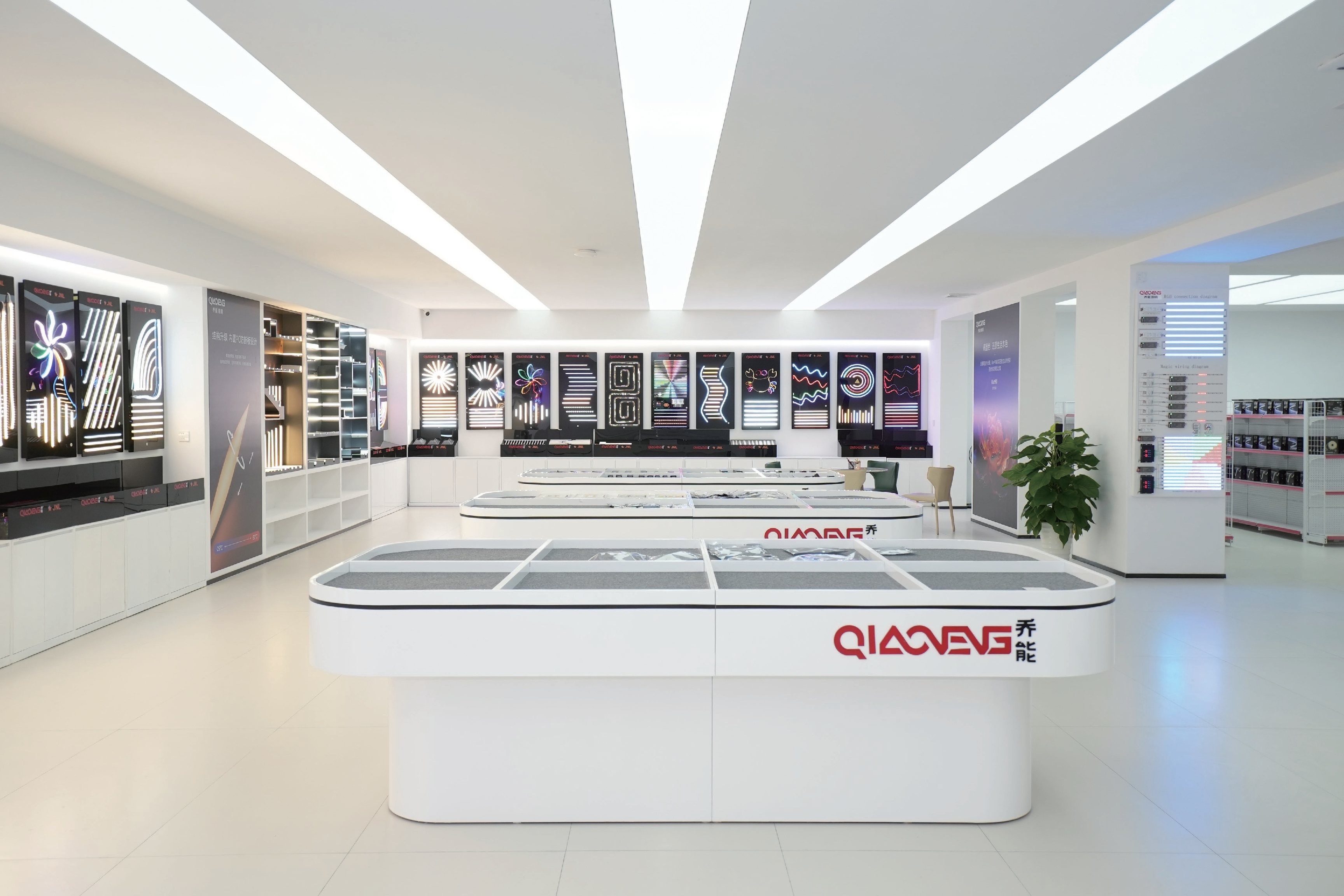
Selecting the right flexible led strip lights requires careful evaluation of multiple factors to ensure the solution meets your specific application needs. Whether you're planning accent lighting for architectural features, ambient lighting for residential spaces, or decorative illumination for commercial environments, understanding the key decision points will help you make an informed purchase that delivers both performance and longevity.
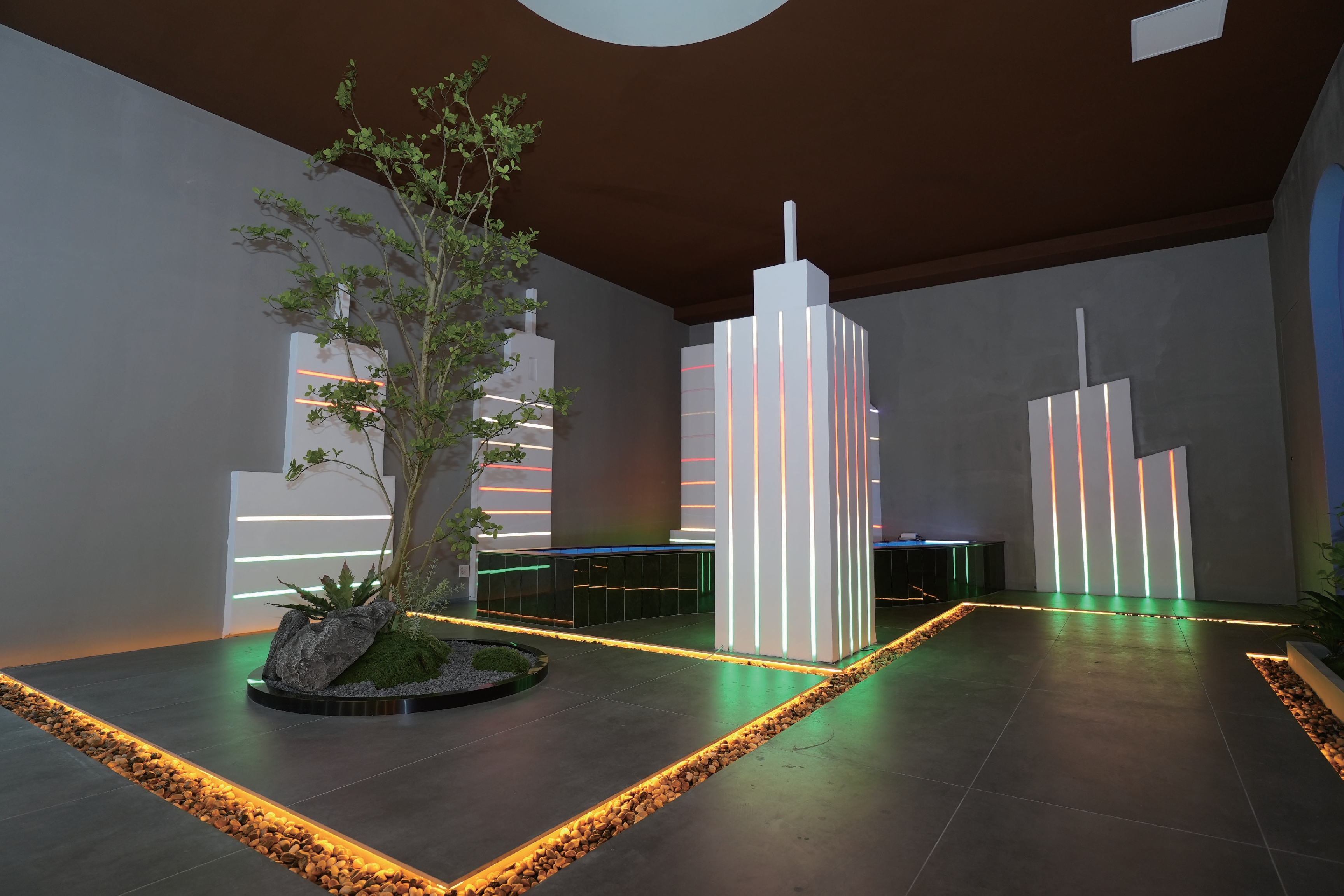
Flexible LED strip lights have transformed modern lighting design by offering unprecedented flexibility in placement and customization. However, the market offers a wide range of options, and making the wrong choice can result in poor performance, compatibility issues, or premature failure. This guide walks you through the essential considerations that will help you select flexible LED strip lights that truly align with your project requirements.
The color rendering index, or CRI, directly impacts how accurately colors appear under your flexible LED strip lights. A higher CRI means colors look more natural and vibrant, which is critical for retail displays, art installations, or any space where color accuracy matters. RGB flexible strip lights offer dynamic color-changing capabilities, allowing you to adjust hues and brightness to suit different moods or times of day. When evaluating bendable LED tape lighting options, check whether the product supports full RGB control or if it's limited to preset color modes.
Brightness requirements vary dramatically depending on your application. Accent lighting for cove installations needs far less output than task lighting for workshops or retail environments. Most flexible LED strip lights are measured in lumens per meter, so calculate the total illuminated length and multiply by the lumen rating to determine total output. Consider whether you need dimming capability, as this allows you to fine-tune brightness for different scenarios while potentially extending the lifespan of your bendable LED tape lighting investment.
Environmental exposure is one of the most critical decision factors for flexible LED strip lights. IP ratings indicate protection levels against dust and water ingress, with higher numbers providing greater protection. For bathroom installations, kitchen backsplashes, or outdoor applications, waterproof LED strip installation demands a minimum IP67 rating, meaning the strips can withstand water immersion up to 1 meter for 30 minutes. Moisture-prone environments require even more durable waterproof LED strip installation specifications. Check whether the product includes a silicone coating or potting compound to protect the circuitry and connections from corrosion.
Bendable LED tape lighting generates heat during operation, and poor heat dissipation can significantly reduce lifespan and performance. Evaluate the operating temperature range to ensure the product tolerates your installation environment, whether that's a freezing outdoor installation or a hot enclosed space. Quality flexible LED strip lights incorporate aluminum backing or aluminum channels that actively dissipate heat away from the LED components. In confined spaces like closed cabinets or enclosed cove installations, thermal management becomes especially important for long-term reliability.
Most flexible LED strip lights operate on 12V DC or 24V DC systems, though some specialized RGB flexible strip lights may use different voltages. Ensure you have or can source an appropriate power supply with sufficient wattage to handle the total length of strips you plan to install. Calculate total wattage by multiplying the watts per meter rating by your total installation length, then add 20 percent headroom for safety. Mismatched power supplies cause voltage drop issues, color shifting, and potential failure across long runs of bendable LED tape lighting.
RGB flexible strip lights require controllers to manage color and brightness functions, while single-color flexible LED strip lights may operate directly from a power supply. Consider whether you want wireless control via smartphone app, manual remote control, or hardwired dimmer compatibility. Verify that the controller you select is genuinely compatible with your chosen bendable LED tape lighting model, as proprietary systems vary widely across manufacturers. Some advanced RGB flexible strip lights support integration with smart home platforms, adding convenience to future installations or expansions.
Self-adhesive backing is standard on most flexible LED strip lights, but adhesive quality directly affects long-term reliability. Low-quality adhesive fails prematurely, particularly in warm environments or on textured surfaces. Test the adhesive on your intended mounting surface before full installation, or consider mechanical fastening alternatives like aluminum channels or clips for permanent installations. High-quality waterproof LED strip installation often includes reinforced adhesive designed to withstand temperature cycling and moisture exposure without degradation.
Verify the minimum bend radius to ensure the flexible LED strip lights can actually bend to your intended shapes without damaging internal components. Most bendable LED tape lighting can cut every 3 to 10 centimeters, depending on the design, allowing precise length customization. Confirm the cut points have proper solder pads or connectors for rejoining sections if needed. Premium flexible LED strip lights include pre-attached solder pads and enhanced durability against mechanical stress during installation and repositioning.
Quality bendable LED tape lighting typically lasts 30,000 to 50,000 hours, equivalent to 3 to 8 years of continuous operation. Verify manufacturer claims about expected lifespan under your specific usage conditions, as duty cycle and thermal environment significantly impact actual longevity. Flexible LED strip lights with superior heat dissipation and component quality consistently outperform cheaper alternatives over extended periods. Request documentation about failure rates and warranty coverage to understand the manufacturer's confidence in product reliability.
Consider how easily you can replace failing sections or upgrade your flexible LED strip lights in the future. Modular designs allow you to swap out individual segments without replacing the entire installation. Waterproof LED strip installation in permanent fixtures should account for eventual maintenance needs, with accessible mounting that allows safe removal and replacement without property damage. Selecting flexible LED strip lights from manufacturers with long-term product availability ensures you can source compatible components or identical replacements if needed.
Single-color flexible LED strip lights emit a fixed color like warm white or cool white and require only a power supply and optional dimmer for control. RGB flexible strip lights contain red, green, and blue LEDs that mix to create millions of colors and require a controller for color and brightness adjustment. RGB options offer greater creative flexibility but consume more power, require more complex control systems, and are typically more expensive than single-color bendable LED tape lighting alternatives.
IP rating is critical for any installation exposed to moisture or outdoor elements. IP65 ratings protect against water jets and dust, suitable for most protected indoor environments. IP67 ratings allow temporary immersion and are appropriate for bathrooms, kitchens, and sheltered outdoor locations. IP68 ratings support full underwater immersion and are necessary for pool surrounds, fountains, or extreme moisture exposure. Selecting the correct IP rating for waterproof LED strip installation prevents corrosion, electrical failure, and safety hazards.
Most flexible LED strip lights can be cut at designated solder points marked on the strip, typically every 3 to 10 centimeters depending on design. After cutting, you can reconnect sections using solder pads, snap connectors, or splice connectors if the manufacturer provides them. Waterproof LED strip installation requires weatherproof connectors rated for your application's moisture conditions. Always consult the product instructions before cutting, as some bendable LED tape lighting designs have specific requirements for safe disconnection and reconnection procedures.
