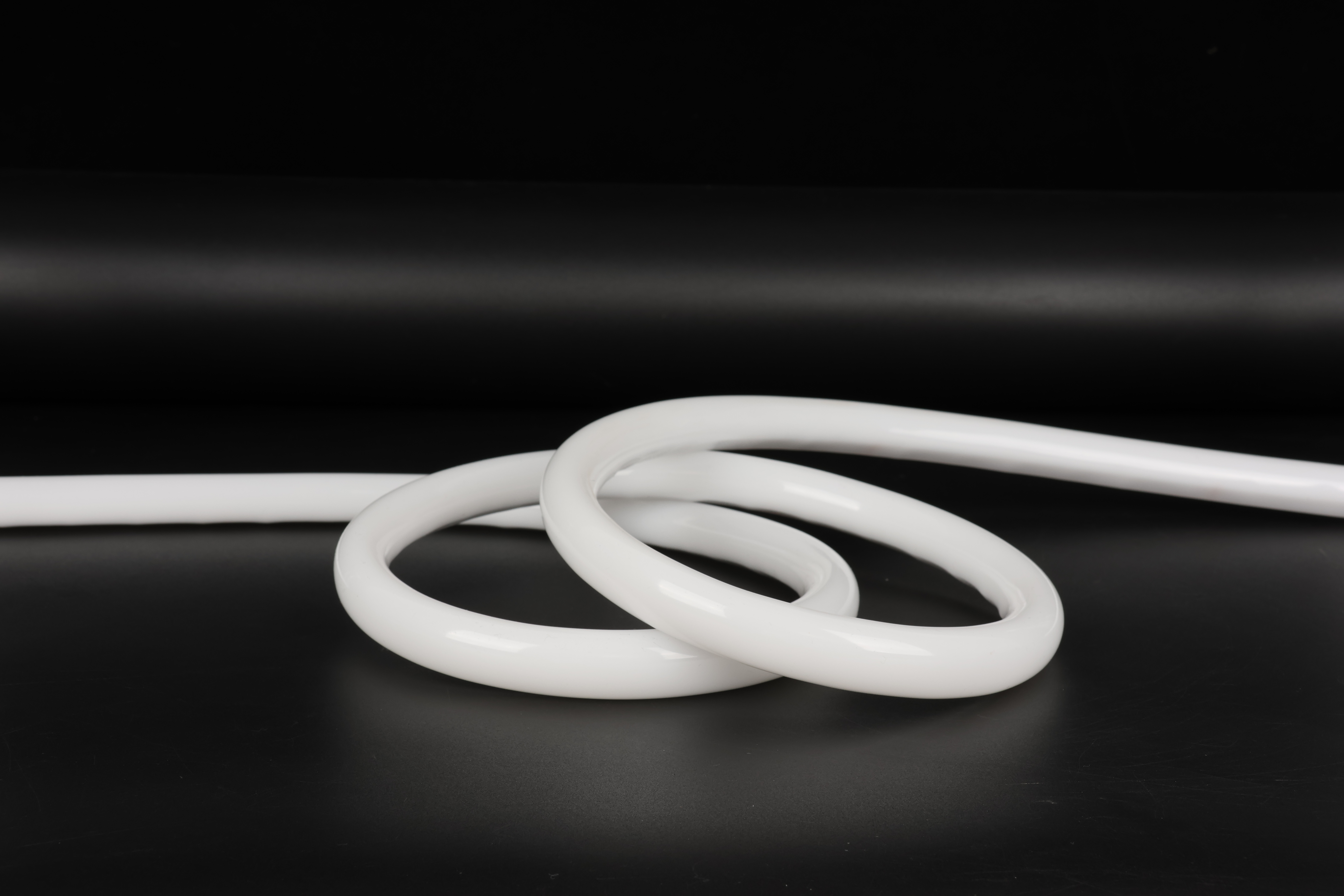
The lighting industry has experienced a dramatic shift in recent years, with led neon flex technology transforming how architects, designers, and facility managers approach ambient and accent lighting. Traditional neon signs have dominated the market for nearly a century, yet they come with significant limitations in terms of safety, maintenance, and operational cost. The emergence of flexible neon lights has fundamentally changed the competitive landscape, offering superior performance across nearly every practical dimension.
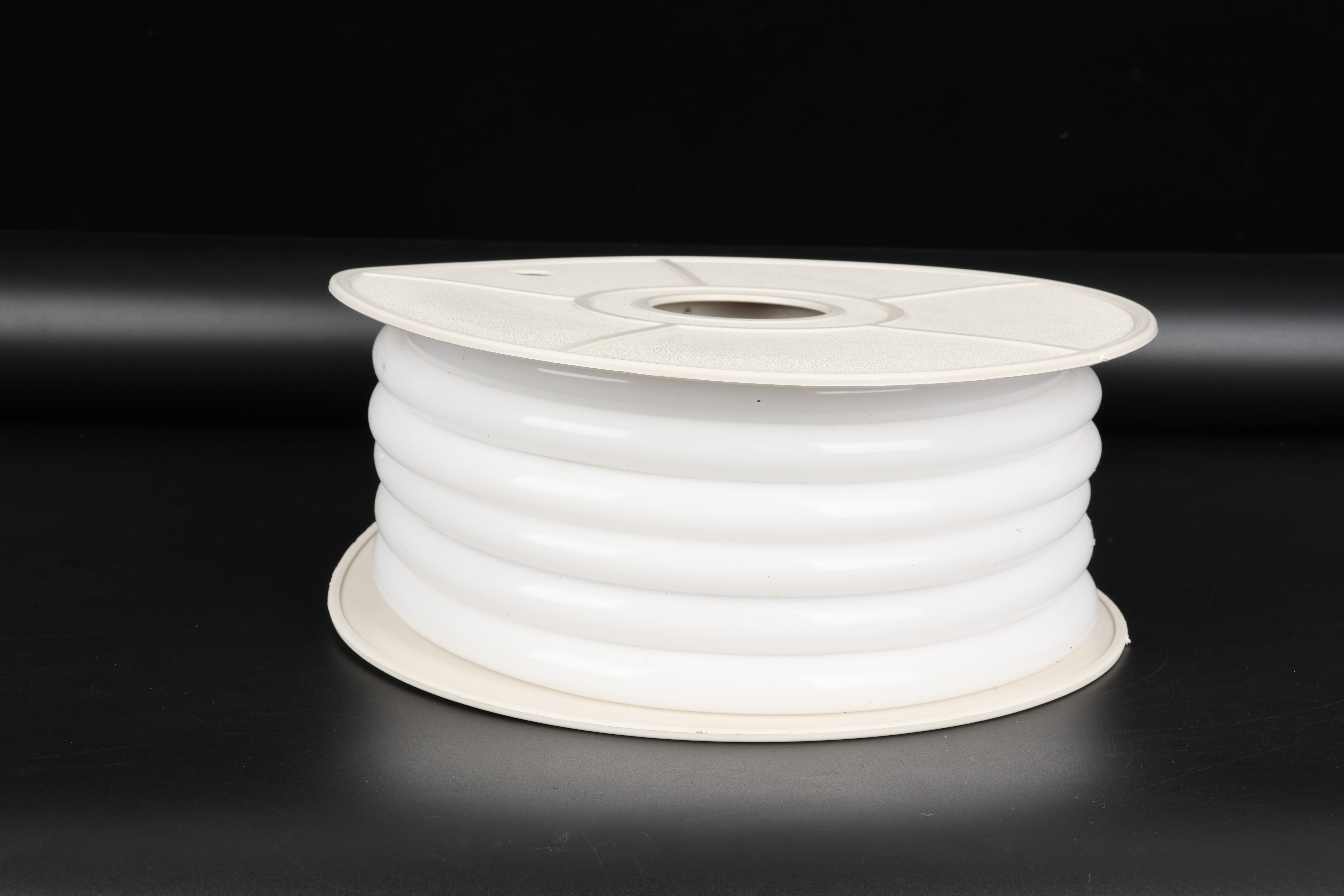
Understanding the differences between these two lighting technologies is essential for making informed purchasing decisions. Traditional neon requires specialized installation, operates at extremely high voltages, generates excessive heat, and demands frequent maintenance and expert repair services. In contrast, neon flex tubing combines aesthetic appeal with practical advantages that make it the preferred choice for modern commercial, residential, and architectural applications worldwide.
Safety and Electrical Advantages
Voltage and Operating Conditions
Traditional neon operates at voltages between 3,000 and 15,000 volts, creating substantial electrical hazards during installation, maintenance, and operation. This high voltage requirement necessitates specialized electrical expertise, certified installers, and comprehensive safety protocols. Conversely, neon flex tubing operates at standard low voltages, typically 12 volts DC or 24 volts DC, making it inherently safer for both installers and end users. The reduced voltage eliminates shock risks and allows untrained personnel to handle installation with minimal safety concerns.
Heat Generation and Environmental Control
Traditional neon tubes generate considerable heat during operation, reaching temperatures that can exceed 400 degrees Fahrenheit. This heat output creates fire hazards, requires additional ventilation infrastructure, and complicates integration into sensitive environments such as retail displays, hospitality venues, and close-proximity architectural installations. Flexible neon lights produce minimal heat, remaining cool to the touch even after extended operation. This characteristic enables designers to incorporate neon light strips into confined spaces, near combustible materials, and in climate-controlled environments without triggering safety concerns or requiring additional cooling systems.
Durability and Long-Term Performance
Component Lifespan and Failure Modes
Traditional neon tubes possess rated lifespans of approximately 8,000 to 15,000 hours of continuous operation before significant degradation occurs. When traditional neon fails, entire tube sections often become non-functional, requiring complete replacement of expensive glass components and the associated labor costs. Neon flex tubing, utilizing individual LED diodes integrated into flexible silicone or PVC housings, typically delivers 25,000 to 50,000 hours of service life. Moreover, when individual LEDs within neon light strips fail, only the affected section requires replacement rather than the entire installation, significantly reducing both material waste and repair expenses.
Physical Resilience and Environmental Tolerance
Glass neon tubes are inherently fragile and susceptible to breakage from mechanical shock, vibration, and physical impact. Installation in high-traffic areas, outdoor environments, or locations subject to vibration requires protective housing that increases project complexity and cost. Flexible neon lights constructed from durable silicone or PVC materials withstand impact, bending, and environmental stress without structural compromise. Many neon flex tubing products feature IP65, IP67, or IP68 ratings, providing complete protection against dust and water immersion. This environmental resilience makes flexible neon lights suitable for outdoor installations, wet environments, and applications where traditional neon would fail prematurely.
Cost Efficiency and Operational Economics
Energy Consumption and Operating Expenses
Traditional neon consumes substantial electrical power to maintain the ionization process within its tubes, typically drawing 100 to 200 watts per linear meter of illuminated length. A single large-scale neon installation can significantly increase facility electricity consumption and operational costs. Neon light strips powered by LED technology consume 70 to 80 percent less energy than their traditional counterparts, reducing monthly utility bills considerably. For commercial installations operating continuously throughout business hours or twenty-four hours daily, cumulative energy savings often exceed several thousand dollars annually, providing rapid return on investment and improved sustainability profiles.
Installation and Maintenance Investment
Traditional neon installations require certified electricians familiar with high-voltage systems, specialized equipment, and compliance with stringent electrical codes. Installation costs frequently range from $50 to $150 per linear foot depending on complexity and local labor rates. Annual maintenance inspections, periodic replacements, and emergency repairs add persistent operating expenses throughout the sign's operational lifetime. Flexible neon lights require minimal installation expertise, standard electrical connections, and straightforward DIY assembly in many applications. Material costs for neon flex tubing are substantially lower than traditional neon, and maintenance requirements are essentially eliminated, removing ongoing service expenses from operational budgets entirely.
Design Flexibility and Aesthetic Appeal
Customization and Spatial Adaptation
Traditional neon requires custom glass bending during manufacturing, limiting design modifications and making prototyping expensive and time-consuming. Changes to existing installations typically require complete reconstruction. Neon flex tubing offers exceptional flexibility, conforming to virtually any shape, curve, or spatial configuration imaginable. Designers can create complex patterns, three-dimensional installations, and intricate architectural details that would be prohibitively expensive or technically impossible with traditional glass neon. This adaptability enables rapid prototyping, design iteration, and custom applications that respond to specific project requirements.
Color Consistency and Dimming Capabilities
Traditional neon produces light through gas ionization, generating specific spectral characteristics that define its distinctive appearance but limit color variety and dimming options. Changing colors requires replacing entire tube sections with different gas compositions. Modern neon light strips incorporate full RGB color control and dimming capabilities, enabling dynamic effects, programmable sequences, and integration with smart building automation systems. This technological sophistication allows venue managers and building operators to modify ambiance in real-time, create animated displays, and synchronize lighting with events or operational schedules without hardware replacement.
FAQ
Is neon flex tubing as visually identical to traditional neon as manufacturers claim?
Modern neon flex tubing achieves remarkably similar visual appearance to traditional neon when properly installed and configured, especially with high-quality LED formulations that render warm white or color-matched outputs. While side-by-side comparison in controlled lighting conditions may reveal subtle differences in spectral quality and glow characteristics, the visual distinction becomes negligible in typical commercial and residential environments. The practical advantage of flexible neon lights is that they eliminate the aesthetic trade-off entirely by delivering comparable visual results without the inherent safety and operational limitations of traditional gas-filled tubes.
Can neon flex tubing be installed outdoors and withstand harsh weather conditions?
Yes, weather-rated neon flex tubing products with IP67 or IP68 certifications perform reliably in outdoor installations, coastal environments with saltwater exposure, and locations subject to freeze-thaw cycles. The silicone or UV-resistant PVC construction resists UV degradation, temperature extremes, and moisture penetration far more effectively than traditional glass neon. Proper installation with sealed connectors, appropriate power supply protection, and weatherproof enclosures ensures years of maintenance-free operation in harsh environmental conditions where traditional neon would require protective structures or fail prematurely.
What cost considerations should facility managers evaluate when transitioning from traditional neon to led neon flex?
Initial transition costs include purchasing neon light strips, basic installation materials, and potentially a low-voltage power supply system, which typically totals significantly less than traditional neon system costs. However, the primary financial benefit emerges through cumulative operational savings: reduced energy consumption, eliminated maintenance expenses, and the extended lifespan before replacement becomes necessary. For most commercial facilities, the transition investment recovers within one to three years through utility bill reduction alone, after which the system delivers pure operational savings without ongoing service expenses.
 EN