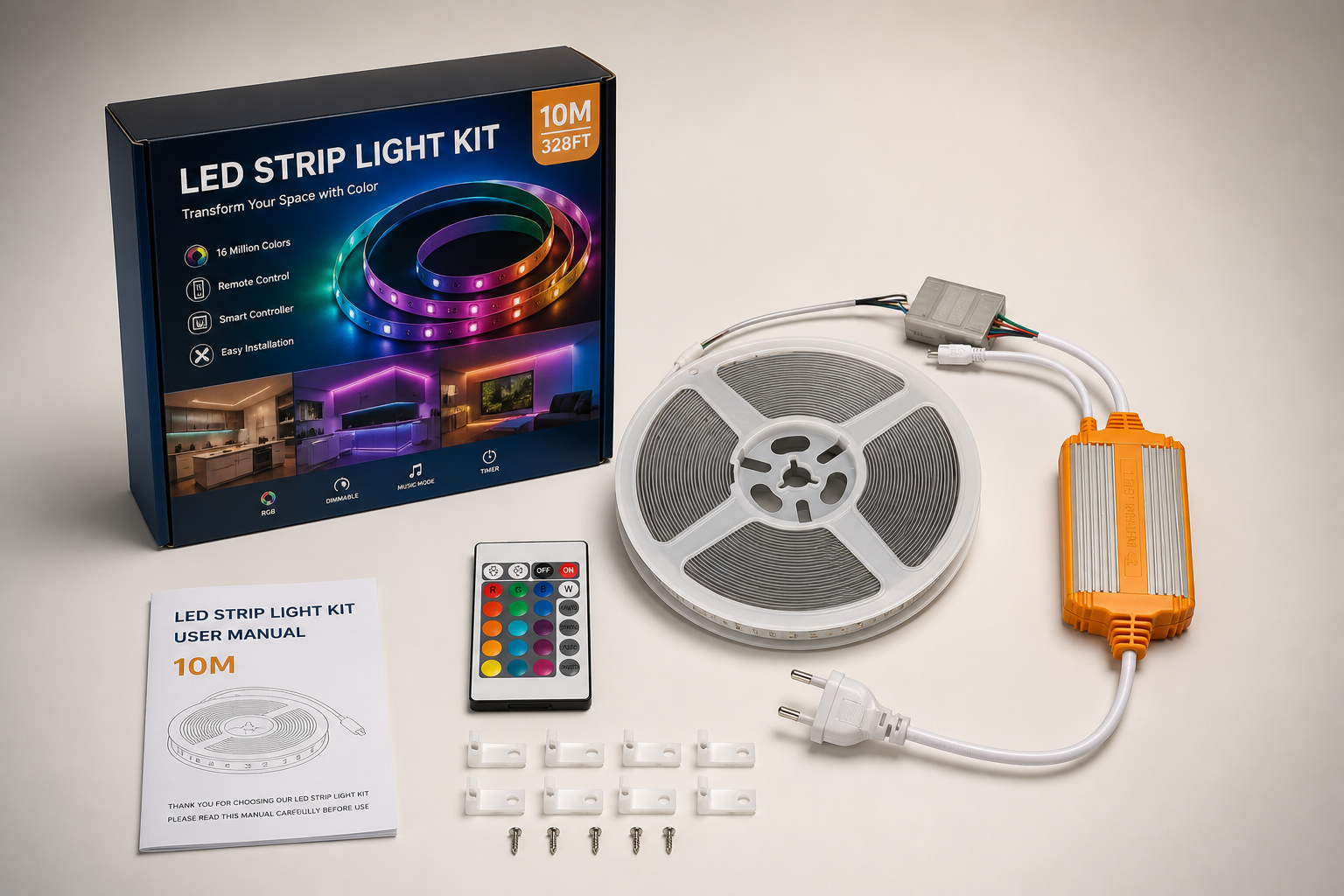
Outdoor lighting transforms spaces, and many property owners wonder whether an rgb led strip can deliver the visual appeal and functionality needed for gardens, patios, and architectural features. The short answer is yes, but success depends on selecting the right hardware, understanding environmental challenges, and implementing proper installation practices. Standard indoor RGB LED strips lack the protection required for outdoor conditions, yet outdoor-rated versions exist specifically designed to withstand moisture, temperature fluctuations, and UV exposure.
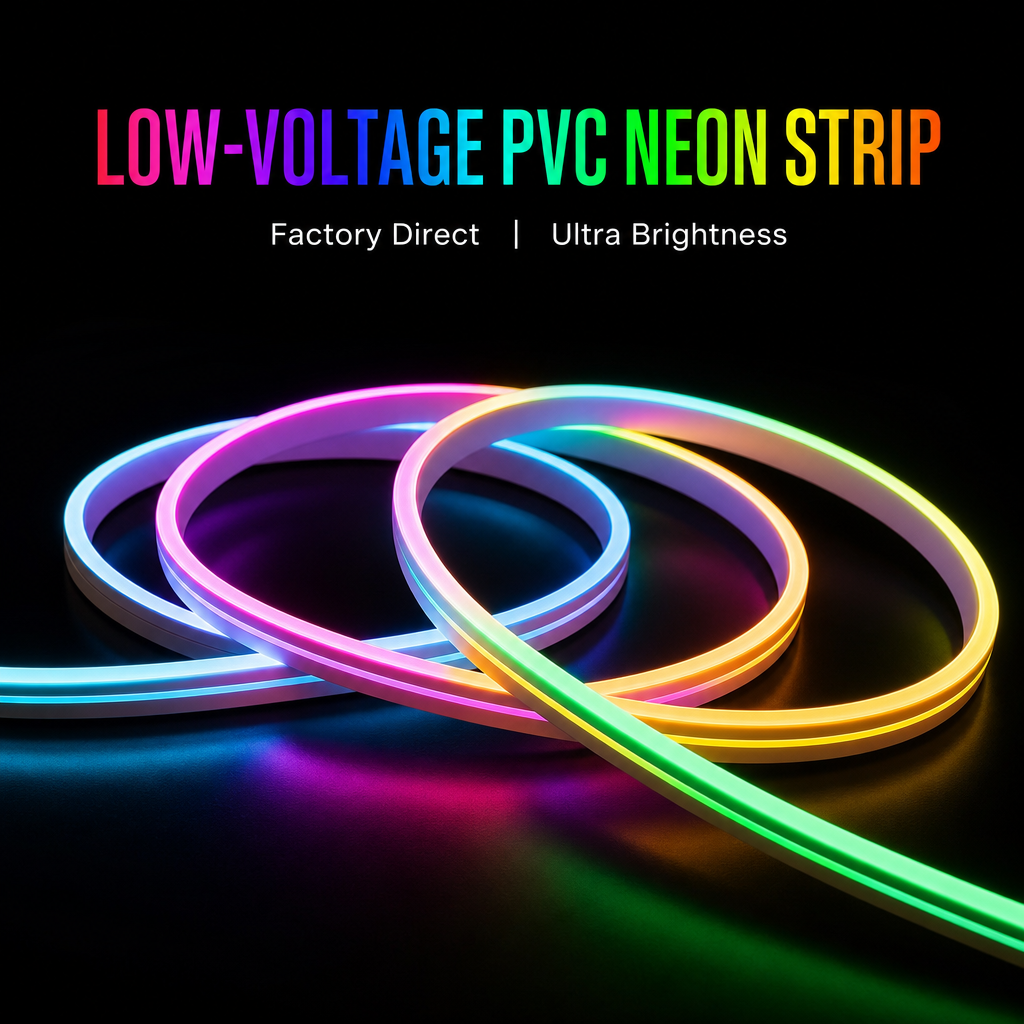
The distinction between indoor and outdoor RGB LED solutions matters significantly for safety and longevity. An addressable rgb strip rated for interior use contains components sensitive to weather, including unprotected circuitry, vulnerable connectors, and inadequate sealants. Outdoor-grade smart color led tape incorporates silicone encapsulation, stainless steel hardware, and IP ratings that indicate resistance to dust and water ingress. Understanding these differences helps property managers, contractors, and homeowners make informed decisions about dynamic lighting strip applications in exposed environments.
Weather Protection and IP Ratings
Understanding Waterproofing Standards
IP ratings define how well electrical equipment resists moisture and dust penetration. An addressable rgb strip designed for outdoor use typically carries an IP65 or IP67 rating, meaning it withstands direct water jets or even temporary submersion. IP65 protects against water spray from any direction, while IP67 allows temporary immersion in water up to one meter deep. These ratings indicate that the rgb led strip has sealed connectors, potted circuits, and protective coatings that prevent corrosion and electrical hazards.
The silicone tubing surrounding outdoor-rated smart color led tape provides an additional barrier against moisture. This material remains flexible in extreme temperatures and does not degrade when exposed to UV radiation or humidity. Regular inspection of connection points ensures that the dynamic lighting strip maintains its protective integrity throughout the season. Even high-quality installations require periodic maintenance to check for cracks, separation, or water accumulation inside tubing, as these conditions can compromise safety over time.
Temperature and UV Durability
Outdoor environments subject an rgb led strip to temperature swings that stress electronic components and LED chips. Materials expand and contract with heating and cooling cycles, potentially causing solder joints to crack and connections to loosen. Quality outdoor-rated addressable rgb strip uses components rated for an extended temperature range, typically minus ten to plus sixty degrees Celsius or wider. This tolerance prevents premature failure and maintains consistent color output regardless of seasonal variations.
UV radiation degrades many plastics and adhesive materials used in LED assembly. An outdoor smart color led tape incorporates UV-resistant polymers and specialized encapsulants that slow degradation. Without UV protection, the rgb led strip's housing may become brittle, develop cracks, and expose internal wiring. The dynamic lighting strip's color rendering may also shift as phosphors degrade under ultraviolet exposure, requiring replacement sooner than expected. Choosing UV-stabilized products extends service life and reduces replacement frequency.
Electrical Safety and Power Management
Proper Installation and Grounding
Installing an rgb led strip outdoors demands attention to electrical safety practices that prevent shock hazards and fire risks. All outdoor lighting circuits should connect through a ground fault circuit interrupter (GFCI) outlet that disconnects power if current leakage is detected. An addressable rgb strip requires a compatible controller and power supply rated for outdoor use, typically enclosed in an IP-rated housing away from direct water exposure. The dynamic lighting strip's control wiring should run through conduit or underground cable when buried, protecting it from accidental damage and moisture infiltration.
Proper grounding connections become critical in wet environments where electrical faults pose greater risks. A smart color led tape installation should include bonding straps that equalize electrical potential between metal fixtures and structural elements. This practice prevents dangerous voltage differences that could harm people or damage equipment. Power cord insulation must remain undamaged and protected from abrasion, and connections should never sit in pooled water or remain submerged. Regular visual inspection identifies signs of wear, corrosion, or deterioration before they create hazardous conditions.
Power Supply Considerations
An outdoor rgb led strip requires a power supply rated for wet locations and capable of delivering sufficient current to the LED array. Standard indoor power supplies lack weatherproofing and may fail if exposed to moisture, creating fire hazards or unexpected shutdowns. Outdoor-rated supplies feature sealed enclosures, potted electronics, and moisture-resistant components. The addressable rgb strip often needs additional current compared to basic monochrome lighting, so power supply capacity must be calculated based on LED wattage per meter and total strip length to prevent overheating or voltage drop.
Voltage drop becomes a real concern in longer smart color led tape installations, causing color shifting or dimming at distant sections. A dynamic lighting strip running forty meters or more may require power injection at midpoints or dedicated supply lines to maintain consistent performance. Calculating wire gauge based on current and distance ensures adequate copper cross-section to minimize losses. This technical detail often determines whether an outdoor installation delivers the visual results owners expect or disappoints due to uneven brightness and color accuracy.
Installation Best Practices and Maintenance
Mounting and Securing Methods
The surface preparation for an rgb led strip installation directly affects adhesive durability and electrical safety. Outdoor mounting surfaces must be clean, dry, and free of dust, dirt, and old adhesive residue before installing an addressable rgb strip. Rough surfaces benefit from sanding and primer application to improve adhesive contact. Unlike indoor applications, outdoor installations often require mechanical fasteners such as stainless steel clips or brackets in addition to adhesive backing, ensuring the smart color led tape remains secure through wind, vibration, and temperature cycles.
The dynamic lighting strip should route along structural paths that minimize exposure to flowing water or direct rain impact. Running it under eaves, along building edges, or under protective molding reduces water contact. Cable management becomes especially important, as loose wiring can collect water and create electrical hazards. All connections should sit in dry locations or inside weatherproof boxes. Strain relief should protect connector ports from bending stress that could fracture internal conductors in the rgb led strip's wiring.
Seasonal Maintenance and Longevity
Regular maintenance extends the life of an outdoor addressable rgb strip and prevents unexpected failures during use. Inspect silicone tubing quarterly for cracks, separation, or discoloration indicating UV damage or material fatigue. Clean the smart color led tape gently with a soft brush or cloth to remove dirt and pollen that accumulate and trap moisture. Check all connectors and solder joints for signs of corrosion or oxidation, cleaning them with contact cleaner and dielectric grease as needed. A dynamic lighting strip exposed to harsh coastal conditions or heavy dust environments may require more frequent attention.
Before winter, verify that all drainage holes or gaps are clear and water cannot accumulate inside tubing or enclosures. After freeze-thaw cycles, reinspect mounting adhesive and fasteners, as expansion and contraction can compromise fastening integrity. Test the rgb led strip's color output and brightness to ensure performance remains consistent. If dimming or color shifts develop, troubleshoot voltage at connection points before replacing expensive components. Proper preventive maintenance keeps outdoor lighting functional and safe throughout its design lifespan.
FAQ
Can standard indoor RGB LED strips work outdoors?
Standard indoor RGB LED strips are not designed for outdoor use and will fail quickly when exposed to moisture, temperature extremes, and UV radiation. Their connectors lack waterproofing, and their housing materials degrade rapidly outdoors. For safety and reliability, always select an addressable rgb strip specifically rated for outdoor environments with appropriate IP ratings and weatherproof construction. Attempting to use indoor strips outside risks electrical hazards, equipment damage, and poor visual results.
What IP rating do I need for outdoor RGB LED installations?
For most outdoor applications, an IP65 rating provides adequate protection for a smart color led tape, resisting water spray from any angle. If the dynamic lighting strip may experience standing water or submersion, choose IP67 or higher. Consider the specific installation location; covered areas like under eaves can use lower ratings than exposed installations. Always verify the rating covers not just the LED strip itself but also connectors, power supplies, and controllers in the complete system.
How often should outdoor RGB LED strips be inspected?
Inspect an rgb led strip installation quarterly to catch problems early, with additional checks after severe weather. Look for signs of moisture intrusion, adhesive separation, connector corrosion, or physical damage. In harsh coastal environments with salt spray or regions with heavy rainfall and temperature swings, monthly inspections provide better protection against unexpected failures. Regular maintenance prevents small issues from becoming safety hazards and extends the overall service life of your outdoor lighting system.
 EN