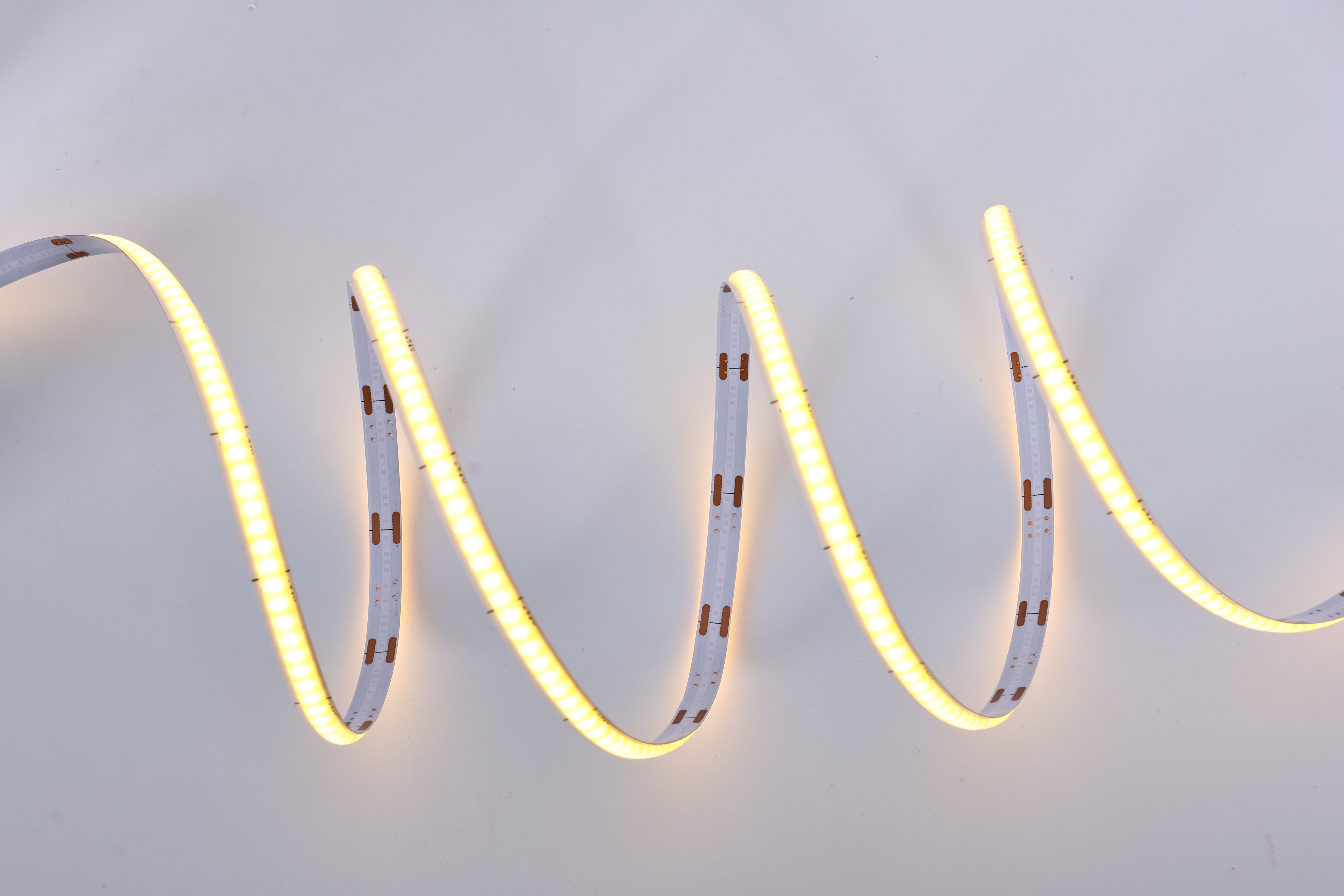
Selecting the correct ip rating for bathroom fixtures is essential to ensure durability, safety, and long-term performance in humid and wet conditions. Bathrooms present unique environmental challenges that demand protective standards far beyond typical indoor spaces. Moisture, splashing water, steam, and temperature fluctuations create an aggressive atmosphere that can quickly damage electrical equipment, lighting, ventilation systems, and other fixtures if they lack adequate ingress protection classification. Understanding how IP code standards work and what each rating means empowers you to make informed decisions that protect your investment and occupants.
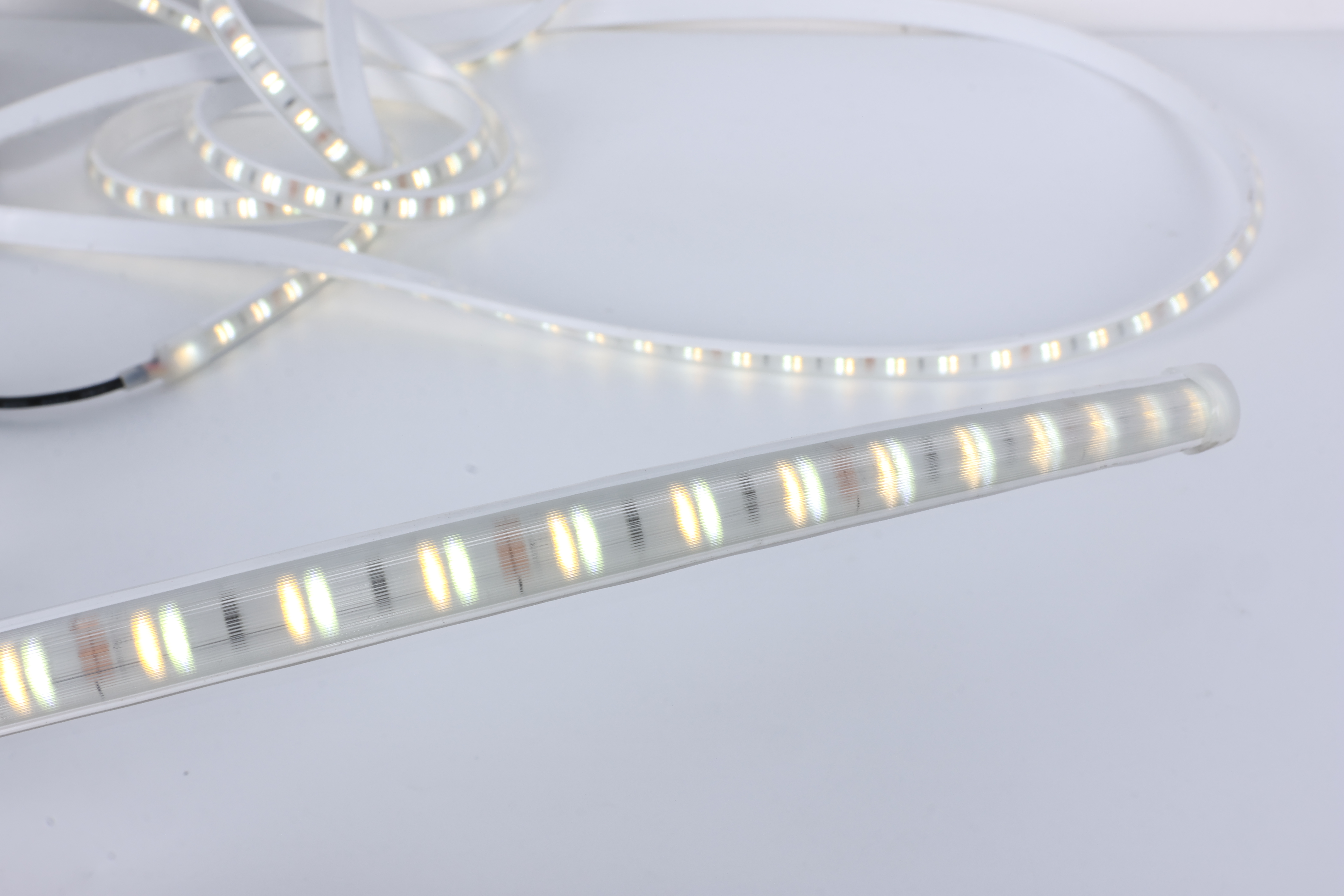
The ingress protection classification system uses two numerical digits to communicate how well a device resists solid particles and liquid intrusion. The first digit rates protection against dust and solid objects, while the second addresses water resistance. For bathroom environments, the waterproof dustproof ratings matter significantly because fixtures must withstand splashing, steam condensation, and potential submersion depending on their location. Choosing an appropriate rating prevents premature failure, electrical hazards, and the need for costly replacements.
Understanding IP Code Standards for Bathroom Environments
The Basics of Ingress Protection Classification
The ingress protection classification system ranks each digit from 0 to 9, with higher numbers indicating stronger protection. For the first digit addressing solid particle protection, ratings range from 0 (no protection) to 6 (complete dust protection). The second digit, which addresses waterproof dustproof ratings, ranges from 0 (no protection) to 9K (resistant to high-pressure water jets). In bathroom contexts, the water resistance digit becomes the primary concern, though dust protection also matters for exhaust fans and ventilation equipment.
Reading an IP code involves understanding what each combined rating means in practical terms. For example, an IP54 rating means protection against limited dust ingress and water splashing from any direction. An IP67 rating means complete dust protection and resistance to temporary immersion in water up to 1 meter deep. This knowledge helps you align fixture specifications with the actual moisture exposure each bathroom area will experience.
Why Bathrooms Demand Higher Ratings
Bathrooms generate continuous moisture through showers, baths, sinks, and ventilation systems. Unlike most indoor spaces, bathroom humidity levels remain elevated even after water use ceases. Condensation forms on mirrors, walls, and fixtures when warm water meets cooler surfaces. This persistent moisture environment requires waterproof dustproof ratings that exceed residential living room or bedroom standards. Failing to select appropriate IP code standards in bathrooms leads to corrosion, electrical shorts, fixture malfunction, and safety hazards.
Choosing the Right IP Rating for Specific Bathroom Zones
Wet Zone Requirements
Wet zones include shower enclosures, bathtub surrounds, and areas subject to direct water spray or temporary immersion. Fixtures in these zones must meet minimum IP code standards of IP67 or higher to ensure ingress protection classification that handles sustained water exposure. Shower lighting, ventilation fans, and heated mirrors located in wet zones face constant splashing and steam. An IP67 rating guarantees complete dust protection and resistance to temporary immersion, making it suitable for fixtures installed within the shower area or directly above bathtubs where water contact is frequent and unavoidable.
For areas where fixtures might experience high-pressure water spray or extended submersion, IP68 or IP69K ratings provide additional waterproof dustproof ratings. IP68 fixtures resist continuous immersion beyond 1 meter, while IP69K ratings handle intense water jets and steam. These enhanced ingress protection classification levels protect premium fixtures, underwater lighting effects, or steam room installations where exposure intensity exceeds typical bathroom conditions.
Damp Zone Specifications
Damp zones extend beyond the shower area but remain subject to moisture, splashing, and high humidity. These zones typically include the bathroom floor area within 2 meters of shower or bathtub edges, toilet areas with occasional splashing, and vanity zones where sink use creates localized moisture. In damp zones, a minimum IP code standards rating of IP54 or IP55 provides adequate ingress protection classification for most fixtures. These ratings protect against water splashing from any direction while maintaining reasonable equipment cost and availability.
Bathroom exhaust fans, light fixtures, and outlet covers in damp zones benefit from IP54 or higher ratings because moisture-laden air circulates through these devices regularly. The waterproof dustproof ratings at this level resist splashing and significant moisture ingress without requiring full submersion protection. When selecting ventilation equipment or recessed lighting for damp zones, verify the IP rating on product documentation to ensure adequate protection during the bathroom's normal operating lifecycle.
Dry Zone Considerations
Dry zones represent areas rarely exposed to direct moisture, typically located more than 2 meters from water sources and outside the humid envelope. Despite this classification, standard dry-zone fixtures used in most rooms still require some consideration when installed in bathrooms. A minimum IP54 ingress protection classification rating remains advisable for bathroom dry zones because humidity levels exceed typical living spaces. This waterproof dustproof ratings threshold protects fixtures during occasional splashing accidents and the sustained elevated humidity that persists in all bathroom areas.
Practical Guidance for Bathroom Fixture Selection
Reading Product Specifications
When purchasing bathroom fixtures, the IP code standards rating appears on product packaging, specification sheets, and retailer listings. Understanding how to interpret this rating ensures you select appropriate equipment for your bathroom installation. Look for the IP rating designation as two digits preceded by 'IP,' such as IP65 or IP67. Never assume bathroom fixtures are adequately protected without confirming the specific IP code standards rating in writing from the manufacturer.
Product certifications from recognized testing laboratories verify that advertised ingress protection classification ratings have been validated through standardized testing procedures. Legitimate manufacturers include certification marks from international standards bodies on their documentation. Request specification sheets before purchase to confirm the waterproof dustproof ratings, as some retailers may misrepresent protection levels in product descriptions. When selecting lighting, ventilation, or electrical devices for bathroom installation, this verification step prevents costly mistakes and safety issues.
Installation Location Determines Minimum Rating
The specific fixture location within your bathroom directly determines the minimum acceptable IP rating you must select. Recessed shower lighting requires IP67 minimum, while ceiling-mounted fixtures in dry bathroom areas may function adequately with IP54 rating. Vanity sconces positioned near the sink typically need IP54 or higher, depending on splashing exposure patterns. Understanding this location-based approach helps you optimize protection without unnecessarily purchasing premium-rated fixtures for low-risk positions.
Local building codes may specify minimum IP code standards requirements for different bathroom zones. Bathroom renovation projects in many regions must comply with electrical safety standards that mandate specific ingress protection classification levels for various fixture types and locations. Before beginning bathroom design or renovation work, consult local building officials or electrical inspectors to confirm required IP ratings for your jurisdiction. Compliance protects occupants, ensures future resale marketability, and prevents costly code violations during inspections.
FAQ
What does IP67 mean for bathroom fixtures?
IP67 is an ingress protection classification rating that means the fixture offers complete protection against dust ingress and resistance to temporary immersion in water up to 1 meter deep. This IP code standards level works well for shower and bathtub areas where water splashing and temporary submersion occur regularly. Fixtures with this waterproof dustproof ratings can safely operate in wet zones, making IP67 a common minimum specification for shower lighting and ventilation equipment.
Can I use an IP54-rated fixture in a shower area?
An IP54 rating provides water splash protection but lacks the ingress protection classification needed for shower installations where direct water spray is constant. This IP code standards level protects against water splashing from any direction but not submersion or sustained jets. For shower areas, manufacturers and electrical codes typically require IP67 or higher waterproof dustproof ratings to ensure safe operation and prevent electrical damage or malfunction during normal use.
How do I verify the IP rating on bathroom fixtures?
Check product specification sheets, packaging labels, and manufacturer documentation for the IP rating designation. Look for the 'IP' prefix followed by two digits that indicate the ingress protection classification level. Verify this information matches the manufacturer's official data sheet rather than retailer descriptions, which sometimes contain errors. When purchasing fixtures for bathroom installation, confirming accurate IP code standards ratings ensures you select items with the correct waterproof dustproof ratings for your intended location.
 EN